

It’s time to leave fast fashion in the dust — with one-of-a-kind designs, quality fabrics, and the assurance your dollars are supporting a more responsible fashion industry, these slow fashion brands are sure to win you over.
Before we go any further, though, I think we need to clarify what exactly slow fashion is…
What Do We Mean By “Slow Fashion?”
Slow fashion is about being more mindful and thoughtful about how clothing (and other fashion items) are being produced, how they’re being purchased, and how they’re being used/worn.
Instead of mass-producing garments cheaply and quickly, slow fashion production is about creating a piece to last by using high-quality materials, transitional designs (i.e. not super “trendy”), and durable construction.
For individuals, slow fashion purchasing habits means buying less, but better. A slow fashion mindset is all about choosing well — it’s about picking well-made items that are built to last and also selecting pieces that fit your lifestyle and body well, to ensure they’ll not only be durable but will actually be useful for years to come.
Adopting slow fashion in your life, though, doesn’t necessarily have to mean spending money — this concept is also about slowing down to appreciate your clothes and closet. Slow fashion can mean wearing what you have as much as possible, mending and repairing worn clothing, or upcycling and DIY-ing.
Slow Fashion vs. Eco-Fashion vs. Ethical Fashion
While slow fashion is a term that’s often used quite generally, it’s important to note that some larger ‘green’ fashion brands use mass-production models to create their organic or recycled clothing to increase output and reduce costs.
Slow fashion companies to me — and the criteria used to select brands for this guide — are brands that produce in smaller batches, make most of their pieces by hand, craft each piece with attention to detail and quality, and ideally, partner with skilled artisans, sewers, and craftspeople (who are of course fairly paid).
Now without further ado, here are our picks for…
The Best Slow Fashion Brands
To be clear: you do not need to purchase from slow fashion brands to participate in slow fashion. However, when the time comes that you want to add a new piece to your wardrobe, you probably want your dollars to go towards supporting responsible brands that are doing things better; that are producing with quality and intention.
You want to invest in pieces for the long-haul — and pieces that have a positive impact. And these slow fashion brands will help you do just that.
Note that this article features affiliates and partners. As always, we only feature brands that meet high standards for sustainability that we love — and that we think you’ll love too!
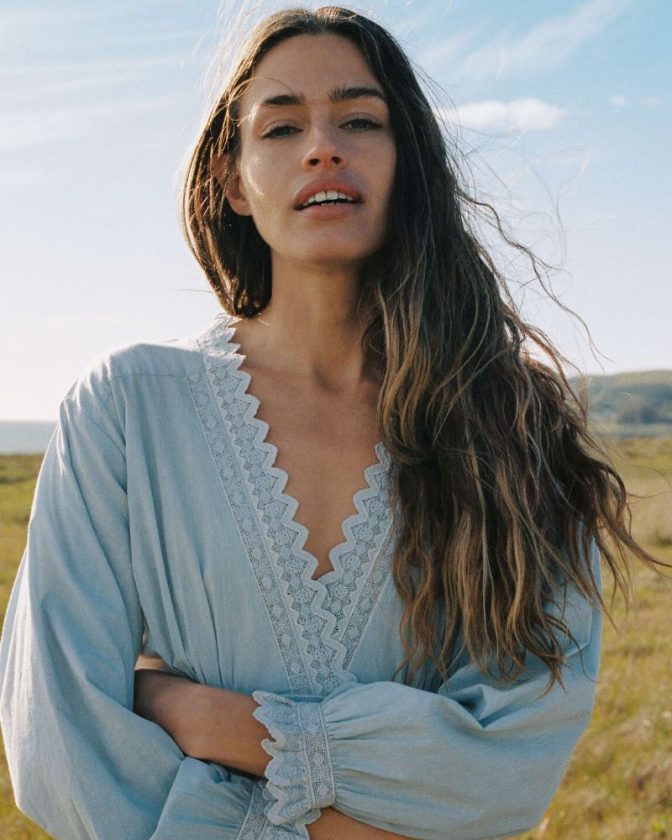
1. Christy Dawn
Feminine and vintage-inspired, Christy Dawn’s dresses are a true dream. And so are their sweaters, jumpsuits, bottoms and every other garment they sell.
Each garment is ethically sewn in Los Angeles or India by makers earning living wages, and is made with regenerative cotton grown by their partners Oshadi Collective in India, organic cotton, or deadstock fabrics.
Conscious Qualities: Eco & Regenerative Fabrics, Ethical Production
Size Range: XS – 3XL + petite sizes
Price Range: $$$
2. Asket
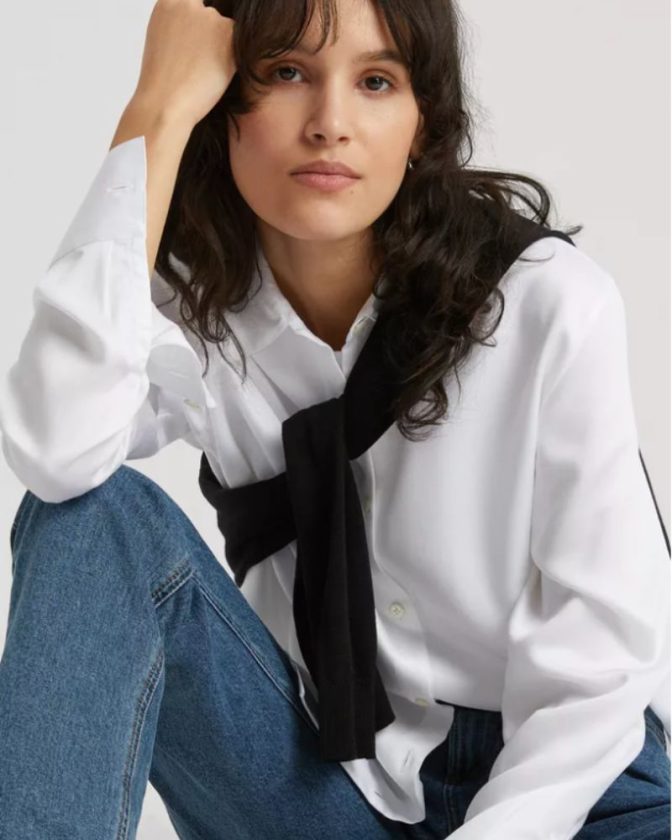
Asket is upping the ante for slow clothing by offering a responsibly made timeless permanent collection that transcends trends.
The brand also details their ecological footprint in their Impact Reports, has 93% product traceability down to the raw material level, and shows the exact cost breakdown of each product.
This slow fashion label also has a care program, repair program, and revival program
Size Range: XXS – XXL
Price Range: $$
3. Kotn
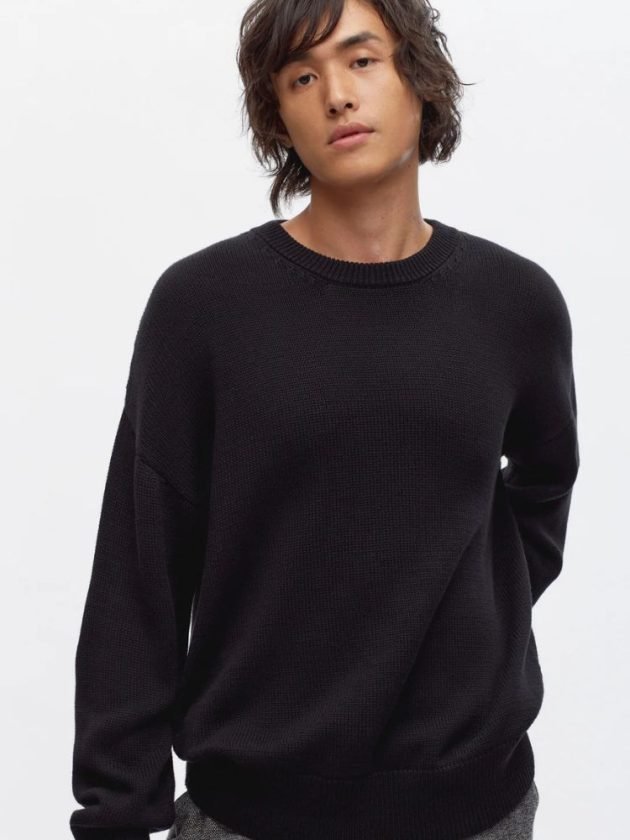
Kotn creates timeless, high-quality essentials with a focus on traceability and social impact. The brand works directly with family-run farms in Egypt to source its premium, long-staple cotton, ensuring fair wages and ethical production. Beyond apparel, Kotn reinvests in the communities it works with, funding education initiatives and infrastructure projects.
Conscious Qualities: Ethically-Sourced Cotton, Direct Trade Partnerships, Fair Wages, Community Investment, B-Corp certified
Size Range: XS–XL
Price Range: $$
4. Encircled
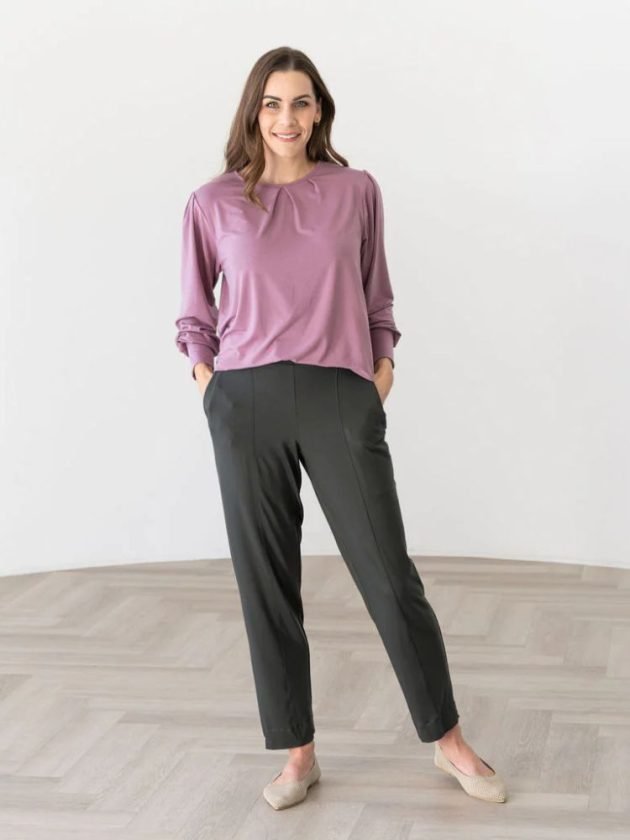
Encircled is here to shake up the way we think about fashion, one ridiculously comfortable, wear-everywhere piece at a time. Based in Toronto, this women-led brand designs timeless, versatile staples that make getting dressed easier and more sustainable. Every garment is thoughtfully crafted with lower-impact fabrics like TENCEL , Modal, and organic cotton and sewn locally to ensure ethical production.
Conscious Qualities: Ethically Made, Sustainably Sourced, Transparent & Local Production
Price Range: $$
Size Range: XS – 2XL
5. Loud Bodies
Loud Bodies is redefining fashion with a joyful blend of sustainability, inclusivity, and unapologetic style. Founded by Patricia Luiza Blaj, this Romanian-based brand offers an extensive size range, ensuring that everyone can find clothing that resonates with their unique identity. Each piece is thoughtfully crafted from certified sustainable fabrics, including organic cotton, linen, Tencel, and Ecovero, reflecting a deep commitment to environmental responsibility. Loud Bodies operates on a made-to-order model to minimize waste, producing garments only after an order is placed.
Conscious Qualities: Ethically Made-to-Order, Size Inclusive, Low Impact Materials
Size Range: 2XS – 10XL
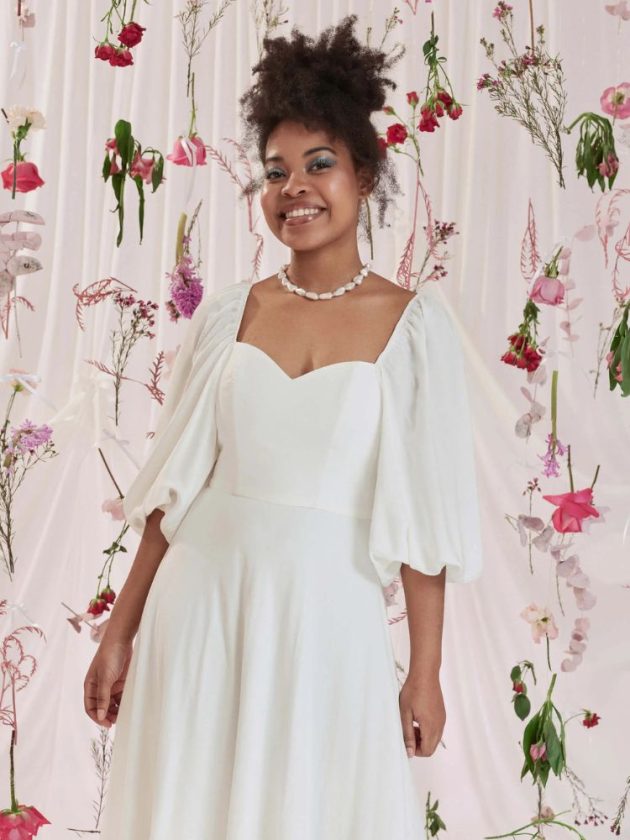
6. AGAATI
AGAATI is redefining fashion by blending eco-conscious practices with exquisite craftsmanship. Founded by Saloni Shrestha, a Parsons graduate with experience at renowned fashion houses, AGAATI offers accessible luxury made by skilled artisans. The label is reviving traditional techniques to create vibrant, handcrafted designs that celebrate individuality and elegance. With a commitment to sustainability, AGAATI utilizes natural fibers such as organic cotton, silk, and wool, and embraces zero-waste design principles by upcycling fabric scraps.
Conscious Qualities: Artisan-Crafted, Ethically-Made, Made-to-Order Options
Size Range: XS – L (+ custom options)
Price Range: $$$
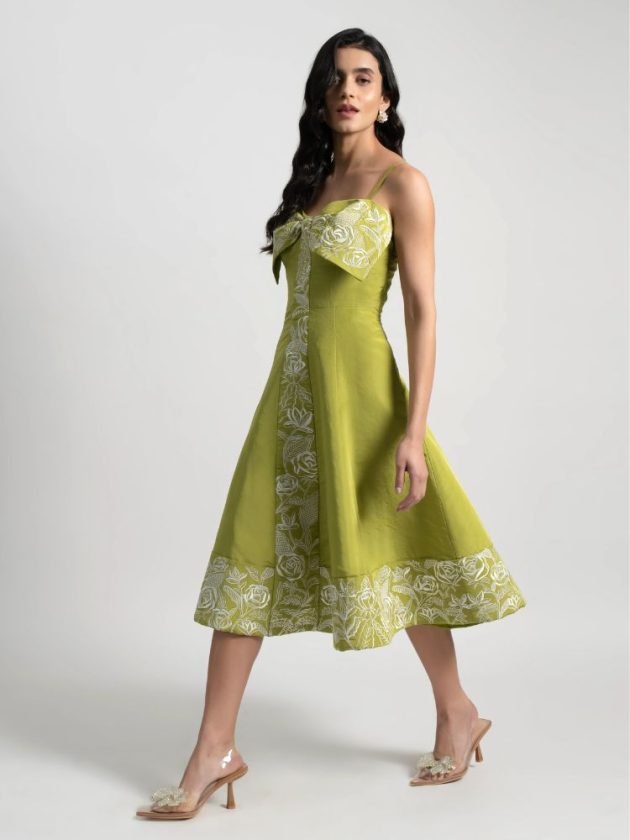
7. Oneoff
Affordability is one of the most commonly cited barriers to slow fashion. Oneoff is helping bridge this gap, while reducing pre-consumer fashion waste. As an off-price retailer, Oneoff sources excess inventory from slow fashion brands and sells them for up to 60% off. This helps brands reduce wastage and gives consumers access to responsibly-made garments at more accessible price points.
Conscious Qualities: Sources From Conscious Labels, Helps Reduce Clothing Waste
Size Range: XS – XXL
Price Range: $

8. Banai
If you’re in the market for a unique look that’ll help you stand out while supporting a heritage Indian craft, then you’ve come to the right place. Banai offers an array of timeless pieces that are treated with natural dyes and feature distinctive embroidered patches that have been crafted by artisans from Kutch, Gujarat.
Craftsmanship is at the center of everything that Banai does, so the expectation of receiving a well-made, high-quality item that’s sure to become a wardrobe mainstay isn’t too far-fetched!
Conscious Qualities: Handcrafted, Natural Dyes, Zero Waste, Small Batch production, Pays Fair Wages
Price: $$-$$$
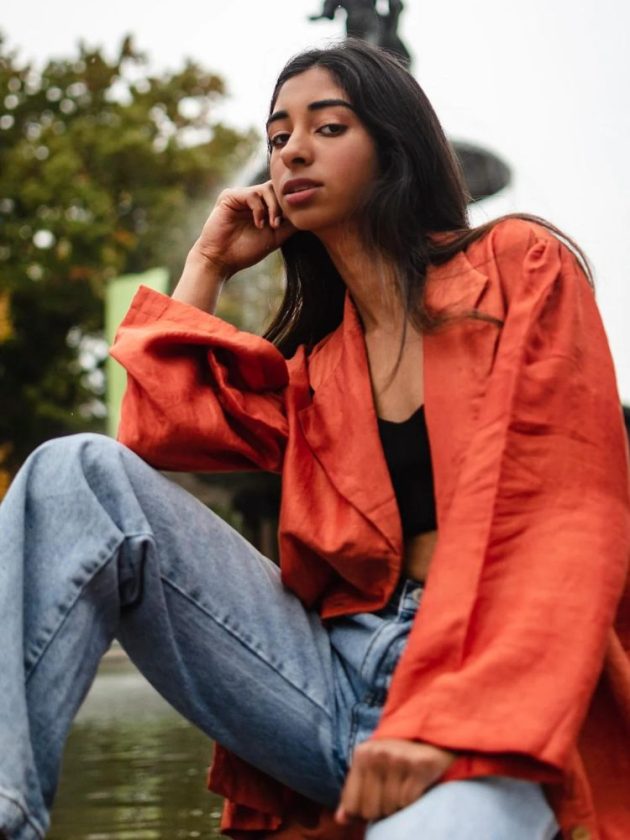
9. Brook There
Founded with ethics and sustainability at the heart of their business, Brook There creates comfy organic cotton undergarments with care.
They keep their production close to home — their undergarments are cut and sewn in a small mill town in Massachusetts and their GOTS-certified organic cotton yarn is even milled and dyed in California.
Size Range: XS – XXL
Price Range: $
Conscious Qualities: GOTS-Certified Organic Fabrics, Domestic Production

10. GRAMMAR NYC
Your classic white shirt just got a major upgrade. GRAMMAR NYC crafts garments inspired by the classic wardrobe staple that are anything but basic.
Conscious Qualities: Uses Organic Cotton, Ethical and Small-Batch Production
Size Range: 0 – 12
Price Range: $$$
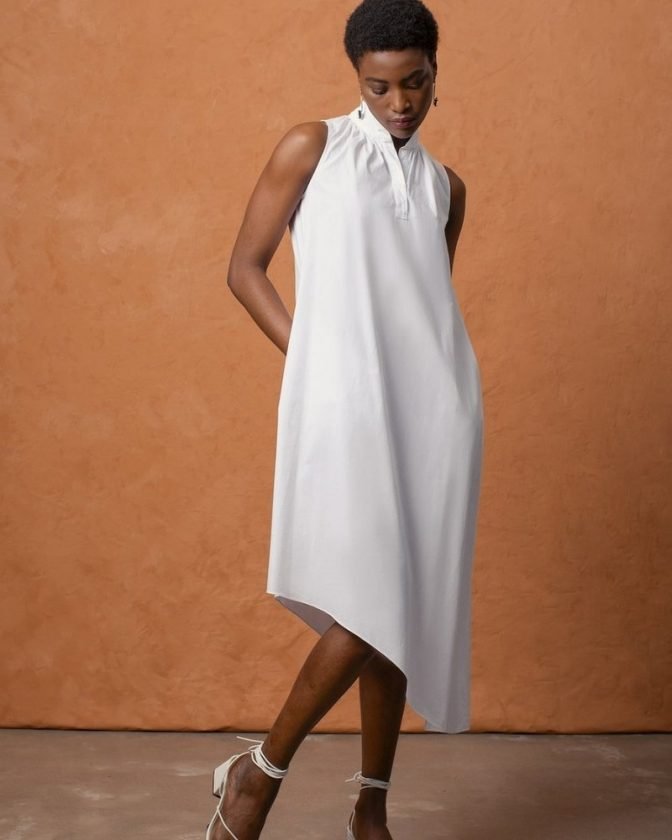
11. ABLE
Ethical fashion brand ABLE has slow clothing and fair trade accessories made ethically by makers around the world.
ABLE is leading the way for transparency in the fashion industry by publishing their wages.
They have their ABLE Signatures, which are foundational wardrobe pieces like white t-shirts, alongside their pretty blouses, cozy knitwear, and detailed dresses.
Conscious Qualities: Transparent and Ethical Production
Size Range: XS – XL
Price Range: $ – $$
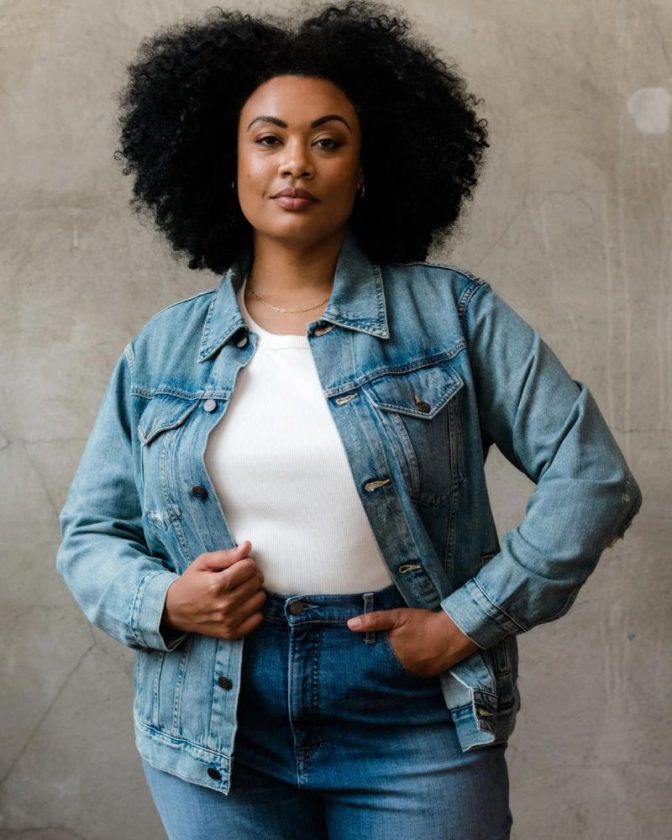
12. Eileen Fisher
Sustainable designer Eileen Fisher has long been ahead of the curve when it comes to earth-minded practices.
Their team produces minimalist slow clothing crafted with care from better fabrics like organic linen, hemp, and regenerative wool.
Conscious Qualities: Eco Fabrics, Circular Model (has take-back program)
Size Range: XS – 3XL + petite sizes
Price Range: $$$

13. Saya Designs
Level up your updo with a bit of help from the wooden hair accessories from Saya Designs. Handmade in Indonesia from waste root wood offcuts left over from plantations, you’ll find a range of hair forks, sticks, slides, and combs for all hair types and textures.
Made from the roots of rosewood, tamarind, and teak, these accessories are designed in natural shapes that are inspired by the flora and fauna in Indonesia and are sure to shower you with compliments every time you wear them.
Conscious Qualities: Natural Materials, Plastic-Free, Recyclable Packaging, Gives Back
Price: $$

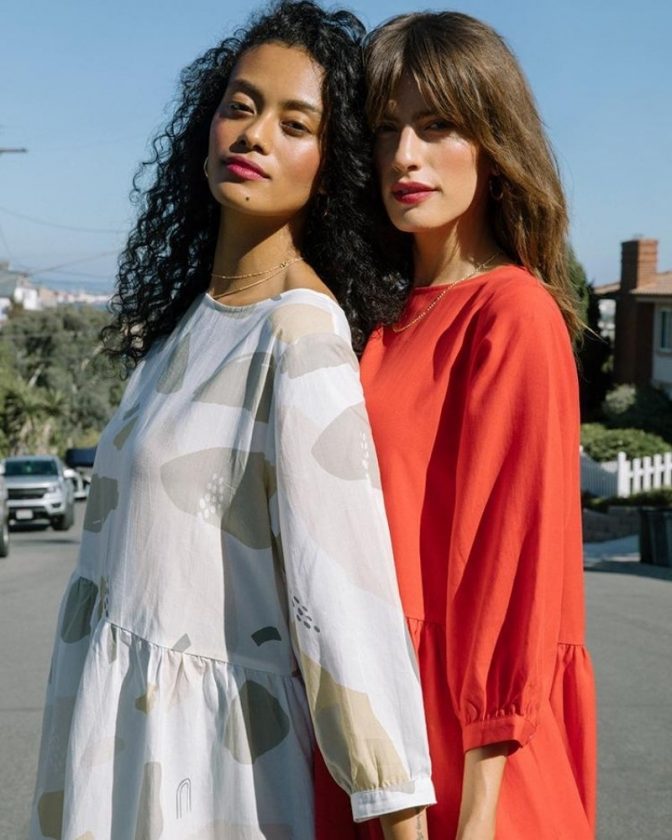
14. Tradlands
Rather than following the trends of the moment, Tradlands designs classic, functional pieces that will become wardrobe staples. Many of Tradlands pieces are made with ecologically-minded fabrics like linen and Tencel, too.
Conscious Qualities: Ethical Production, Many Eco Fabrics
Size Range: XXS – 3XL
Price Range: $$
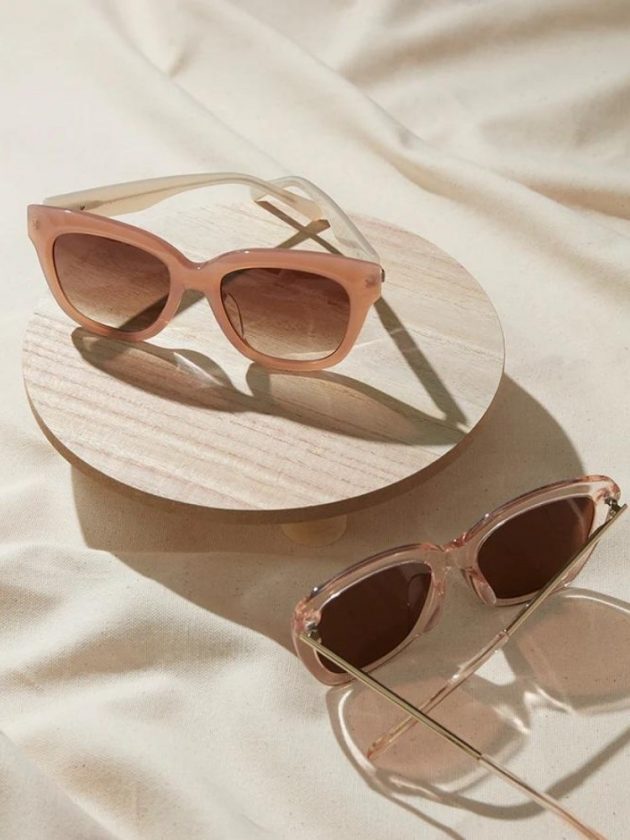
15. Covry
If you’re in the market for a new pair of sunglasses or looking to update your outdated prescription frames, then Covry has you covered! Using sustainable materials like plant-based acetate that come from cotton and wood pulp, their diverse range of eyewear is a far cry from any of the flimsy plastic or metal frames you’re bound to find in the market.
When it comes to eyewear, one size doesn’t fit all, which is why Covry eyewear boasts of an Elevated Fit® that has been designed to rest easy on all face shapes and sizes. No more headaches from tight frames.
Conscious Qualities: WOC-Founded, Natural Materials, Plastic-Free, Size Inclusive
Price: $$$
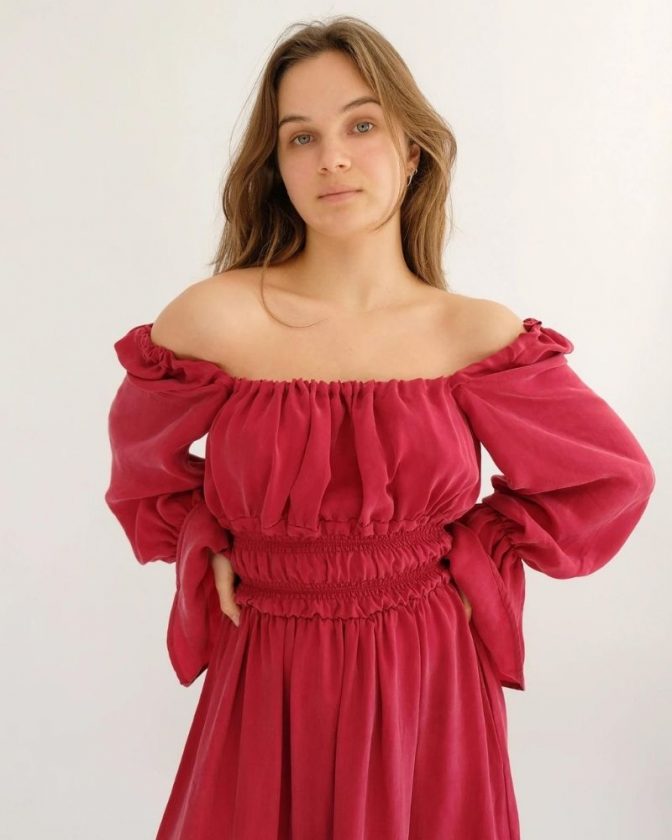
16. OhSevenDays
OhSevenDays is a sustainable slow fashion brand that creates gorgeous pieces out of would-be waste. While the label used to source from middlemen deadstock fabrics, the brand now sources certified organic and recycled fabrics directly from mills, which enables better transparency.
Their zero waste misfits collection features imperfect pieces for lower price points.
Conscious Qualities: Sustainable Fabric Sourcing, Intentional Production
Size Range: XS – XL
Price Range: $$
17. Kayu
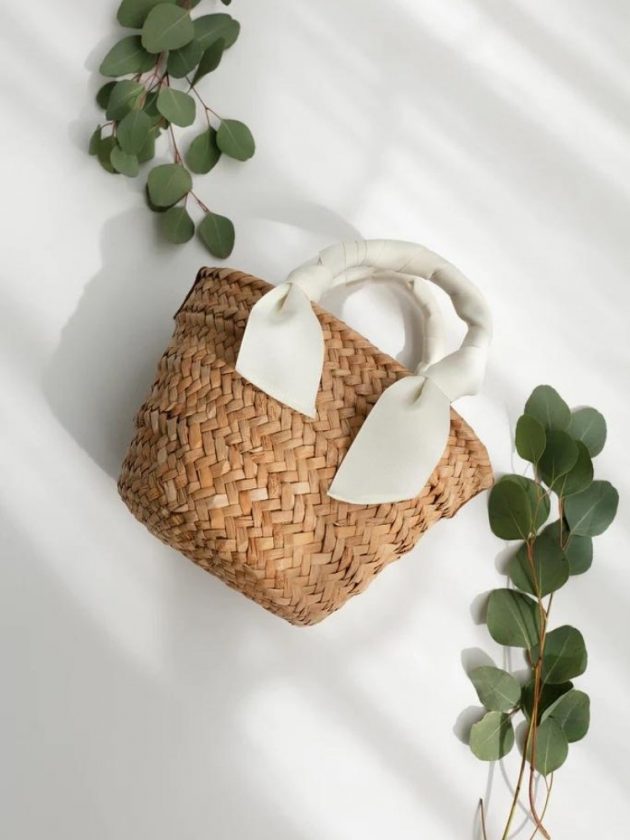
Beach-ready accessories you just might want to wear all year long, Kayu creates straw bags and hats that’ll mentally transport you to a tropical destination, even if travel is not on your cards.
Using natural straw and raffia, Kayu’s bags and hats are handcrafted using time-honored techniques by artisans in the Philippines, Indonesia, Malaysia, and Ecuador, who earn a living wage. Their bags come in a covetable range of shapes and sizes to suit all your needs.
Our suggestion? Don’t just restrict these beauties to the beach, make like a chic Parisian and use them to store a baguette or bouquet of flowers next time you’re taking a stroll down the farmers market.
Conscious Qualities: Natural Materials, Fair Labor, Zero Waste
Price: $$-$$$
18. Santos by Monica
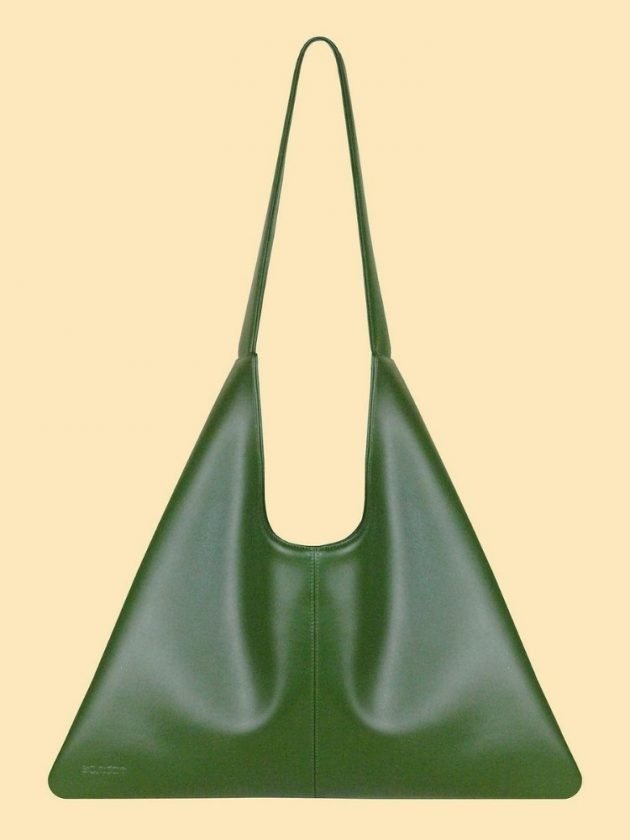
If you’re the kind of person who needs to carry your essentials at all times, then look no further. Santos by Monica’s handbags come in various deceptively spacious shapes and sizes, ranging from mini shoulder bags to XL totes.
Available in sculptural shapes and bold colors, even the tiniest bag seems roomy enough to hold at least four to five of your essentials.
Their vegan leather handbags are made using a cactus-based biomaterial and are lined with organic cotton.
Conscious Qualities: Biomaterials, Zero Waste, Small-Batch Production
Price: $$$
19. Not Perfect Linen
As the name implies, this conscious fashion brand produces garments made from linen! Linen is a favorite fabric in the slow fashion community because of its lower environmental impact, versatility (thermo-regulating so it works in cold and hot), and natural beauty.
Conscious Qualities: Eco Fabrics, Made-to-Order
Size Range: XS – XL + custom sizes
Price Range: $$

20. Brother Vellies
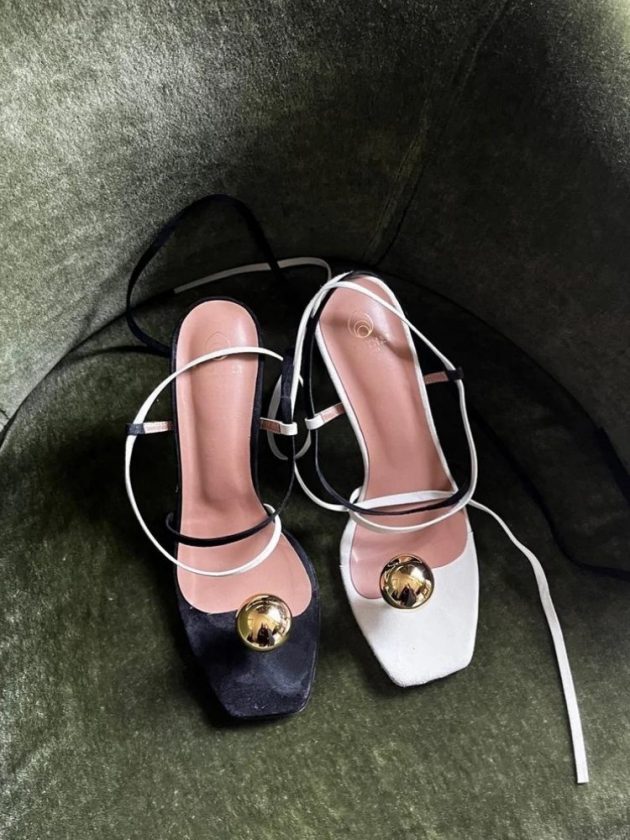
Shoes made with a soul, Brother Vellies is keeping traditional African crafts alive through their range of luxurious yet timeless footwear. Handcrafted using vegetable-tanned leathers, recycled tire soles, and hand-carved wood, their styles will take you from corporate hour to cocktail hour seamlessly.
If you’re looking for something to compliment their covetable range of shoes, Brother Vellies also offers a collection of small handbags and belts that are sure to transform even the most basic look.
Conscious Qualities: Fair Labor, Better Materials
Price: $$$
21. Apse
An appealing brand for sartorial minimalists, Apse creates unisex jewelry that doesn’t disappoint. From delicate rice pearl bracelets to subtle pendants that were made for not taking off, Apse creates its gorgeous pieces using recycled metals and responsibly sourced stones.
All of their jewelry is handcrafted on a made-to-order basis to eliminate excess inventory and waste, so expect to be patient with your orders when you shop with them.
Conscious Qualities: Slow Fashion, Recycled Materials
Price: $$-$$$

You May Also Want to Check Out:
Conscious Brands with Easy Breezy Linen Clothing
Organic Cotton Fashion Brands You’ll Feel Good in and Good About
What is Plant-Based Fashion? Plus, 3 Eco Vegan Fabrics to Know
The post 21 Best Actually Stylish Slow Fashion Brands to Leave Fast Fashion in the Dust appeared first on .
21 Best Actually Stylish Slow Fashion Brands to Leave Fast Fashion in the Dust