

Whether you’re planning for an upcoming wedding, prom, gala, or any other special occasion, these ethical and sustainable formal dresses will be just the fit.
A lot of formalwear is made from irresponsibly sourced silk or polyester and is worn just once. It’s time to turn that around!
This guide will share sustainable formal dress options that have frocks you can rock to weddings, dances, galas, concerts, or any other event you have coming up.
How to Find Sustainable Formal Dresses
The most sustainable garment is the one already in your closet!
Do you have a special occasion dress or piece of formalwear that could fit the bill? While wearing an outfit only once to an event has unfortunately become the norm with social media, we can help counteract the culture by normalizing outfit repeating to special occassions again!
Another sustainable option is to make the most of what already exists by borrowing from a friend or family member or swapping with someone you know has a formal dress. This is something my friends and I did for high school dances like homecoming and prom. A friend’s Junior Prom dress became my Senior Prom dress the next year!
If there’s no one with your style and size, you can also expand your search of formalwear by browsing online resale platforms. Vestiaire Collective has a fabulous selection of dresses from designer brands for great prices, as does The RealReal. I’ve used The RealReal site to purchase dresses for weddings and other occassions.
If you just need a special occasion dress for one event, consider rental sites like Rent the Runway that offer affordable ways to get formalwear for a limited time.
If none of these options are available to you or you really feel ready to invest in an extra-special garment that you can wear for years to come, keep scrolling for our list of brands with sustainable and ethical formal dresses.
Brands With Sustainable Formalwear & Special Occasion Dresses
These brands have party-perfect minis, chic cocktail dresses, elegant evening gowns, and even pieces that would make for fabulous sustainable prom dresses!
Note that this guide contains partners and affiliate links. As always, all brands meet rigorous standards for sustainability and are brands we truly love — and that we think you’ll love too!
(You might also want to check out this guide for sustainable wedding dresses or this guide for more causal eco-friendly dresses.)
1. Rare & Fair
With elegant draping and feminine detailing, Rare & Fair’s dreamy dresses are certainly eye-catching — and the story behind each piece makes them all the more beautiful. Rare & Fair partners with artisans in Thailand, working closely with village co-operatives and small family businesses. The conscious UK-based brand sources sustainably-grown cotton from small-scale farmers following ancestral agricultural practices and small-scale silk sourced from communities in Thailand using traditional methods.
Conscious Qualities: Sustainable Traditional Fibers, Local Plant-Based Dyes, Craft Preservation, Ethical Production
Size Range: XS-L
Price Range: £££ / $$$
2. Christy Dawn
Christy Dawn’s dresses are vintage-inspired but totally timeless. Their feminine frocks can be worn as house dresses or semi-formal wear to weddings, bridal showers, baptisms, or other not-quite black-tie occasions. Their dresses are either made from reclaimed fabrics ethically in Los Angeles or from regenerative organic cotton that is sourced in partnership with a small collective in India.
You’ll also find sustainable special occasion dresses from Christy Dawn made with regenerative silk, like the dress pictured here!
Conscious Qualities: Reclaimed or Regenerative Fabrics, Ethical Production
Size Range: XS-3XL (extended sizing collection)
Price Range: $$$

3. Reformation
Reformation is a leader on sustainability among larger fashion brands, between their climate positive roadmap and better material sourcing (including recycled cotton, TENCEL Lyocell, and regenerative fabrics) to their supply chain transparency, limited production model, and circularity practices.
And the brand is making it easy to shop for sustainable special occasion dresses with their selection features like “Going Out Dresses” and “Wedding Guest Dresses”.
Conscious Qualities: Lower Impact Materials, Responsible Production Practices, Decarbonization Initiatives
Size Range: 0 – 12
Price Range: $$ – $$$

4. Bastet Noir
Making each piece to order using upcycled materials, Bastet Noir is a zero-waste fashion label. The brand’s sustainable formal dresses and other elegant apparel — including silk jumpsuits — are made by women in North Macedonia. 100% of Bastet Noir’s profits are reinvested into the women’s businesses and their children’s education.
Conscious Qualities: Repurposed Materials, Made-to-Order, Gives Back
Size Range: 4-10 + custom sizes
Price Range: $

5. AMUR
Standing for A Mindful Use of Resources, AMUR uses earth-minded fabrics including hemp, linen, cupro (a silky fiber made from cotton linter, a byproduct of cotton production), modal, and recycled polyester. AMUR has some seriously stunning gowns that would make for great sustainable prom dresses or black tie-dress code outfits. AMUR could use more information on their labor standards and production practices though.
Conscious Qualities: Earth-Minded Fabrics
Size Range: XXS-XL
Price Range: $$$$

6. Whimsy + Row
Sourcing lower impact fabrics like TENCEL + cupro vegan silk blend, certified organic cotton, and excess leftover fabric (“deadstock”), Whimsy + Row prioritizes sustainability throughout their collections.
The brand has several designs that would make for perfect sustainable bridesmaid dresses in their wedding collection! And even (vegan) silky dresses in a lovely cream for the bride.
Conscious Qualities: Eco-Minded Fabrics
Size Range: XS – 3XL
Price Range: $$ – $$$

7. BAACAL
Frustrated that brands often stop their size range at 12 despite the average American woman wearing size 16, BAACAL creates conscious clothing for the “true majority”: women who wear sizes 10-22. The plus-size sustainable fashion brand uses upcycled, vintage, and other existing materials for their collections.
Conscious Qualities: Upcycled Fabrics, Small-Batch Collections, Size-Inclusive
Size Range: 10-22 (unique sizing system of 1-4)
Price Range: $$$

8. Symbology
Symbology partners with women artisans who handcraft beautiful, one-of-a-kind pieces. These artisans use traditional techniques such as block printing and hand-embroidery and are all paid living wages. The fair fashion label has striking dresses made with flattering silhouettes and many styles are offered up to size 3XL.
Conscious Qualities: Cultural Preservation, Fair Trade
Size Range: XS-3XL
Price Range: $$

9. Lahive
Bold and unique, Lahive’s stand-out dresses and other ethical formal wear will make a statement at cocktail hour or a night out downtown. The LA-based brand produces their luxe, textural pieces in small batches using upcycled materials in a factory run by solar power.
Conscious Qualities: Upcycled Fabrics, Renewable Energy, Local Production
Size Range: XS-XL
Price Range: $$$

10. LOUDBODIES
LOUDBODIES is on a mission to prove that ethically and sustainably-produced clothing can be accessible to anyone and style knows no size. In addition to offering sizes up to 10XL, the brand also offers customizations free of charge. The brand’s garments are made from low-impact fibers like linen, cupro, Ecovero Viscose responsibly by LOUNDBODIES founder Patricia and two employees.
Conscious Qualities: Eco Fabrics, Size-Inclusive, Carbon-Offset Shipping & Eco Packaging
Size Range: XXS-10XL
Price Range: $$

11. Hope for Flowers
Hope for Flowers was founded on three guiding principles: the health of people, health of the planet, and equity in profit. The brand uses thoughtfully considered materials for their ethical formal dresses and other apparel like organic cotton, organic linen, and Tencel. Hope for Flowers also sources only from factories that pay living wages and ensure safe conditions.
Conscious Qualities: Black Woman-Owned, Organic & Eco Fabrics, Ethically-Made
Size Range: XS-L

12. Amour Vert
Translated to “Love Green”, Amour Vert is an eco-friendly fashion label with several sustainability efforts, from using lower impact materials — like TENCEL modal, TENCEL Lyocell, and washable more responsible silk sourced from bluesign® factories — to having their own resale program called ReAmour.
Amour Vert has a collection called “Occasion Ready” with more elevated dresses to wear to weddings, baby and bridal showers, parties, concerts, or other special events.
Conscious Qualities: Organic & Eco Fibers, Non-Toxic Dyes, Circular Brand
Size Range: XS-XL
Price Range: $$

13. Cécile de Fleur
Elegant, sophisticated, and designed with sustainability in mind, Cécile de Fleur’s eco-friendly wedding dresses are designed to be worn again and again. [Check out our guide to sustainable wedding dresses here.]
The brand’s chic dresses are crafted in New York City using cruelty-free peace silk and intricate French leavers lace, and are colored with GOTS-certified dyes.
Conscious Qualities: Peace Silk, Eco Dyes & Packaging, Local Production, WOC-Owned
Size Range: 0 – 12
Price Range: $$$$

14. Stella McCartney
Sustainable designer label Stella McCartney utilizes mindful materials like organic cotton, recycled fabrics, and cellulosic fibers for their ready-to-wear garments. The company also uses an Environmental Profit & Loss Statement, which is a “breakthrough decision-making tool” that helps Stella McCartney take a deeper look at their environmental impact, their progress, and the ways they can improve.
Conscious Qualities: Low-Impact Materials, Transparent Reporting, Social Sustainability
Size Range: 0-8
Price Range: $$$$

15. Valani
Valani’s plant-based clothing is perfect for warm-weather special occasions like spring weddings, summer soirées, and date nights. The vegan fashion brand uses mindful fabrics like hemp, Tencel, and banana viscose (a silky-feeling fiber made out of discarded banana tree stems). Each piece is made in Valani’s GOTS-certified factory that follows socially and environmentally responsible practices.
Conscious Qualities: WOC-Owned, Earth-Minded Fabrics, Non-Toxic Dyes, Eco Packaging
Size Range: 0-12
Price Range: $$$

You May Also Want to Check Out:
Eco-Friendly, Ethical, and Vegan Bags
Brands with Elegant Ethically-Made Flats
Sustainable Wedding Dresses for Your Special Day
The post 15 Sustainable Formal Dresses to Rock At Your Upcoming Special Occasions appeared first on .
15 Sustainable Formal Dresses to Rock At Your Upcoming Special Occasions

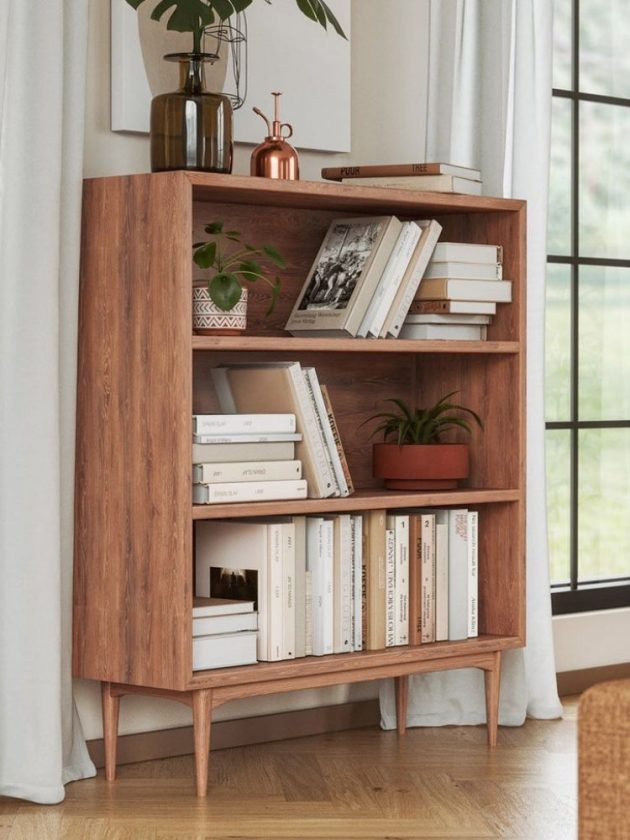
As a longtime book lover, I may be biased, but I think a full bookshelf is one of the most beautiful additions to a space. There’s nothing better than seeing a showcase of your favorite reads alongside a TBR list.
A bookcase, though, can of course be used for all sorts of purposes from placing your favorite photos of family and friends to showcasing treasured vintage finds.
Whatever the case, this guide will help you find the right sustainable bookshelf for your living room, office, or wherever you like to cozy up with a good read!
So what make a bookcase more sustainable? What makes a bookshelf non-toxic?
First of all: sustainable and non-toxic are two overlapping — but distinct — criteria. And both of those terms can come with a lot of opinions and varying definitions.
When it comes to sustainable bookcases, I look for:
- Responsibly Sourced Materials: most bookshelves are made primarily with wood. While natural, unsustainable wood sourcing can be a cause of deforestation, so we want to see that the wood was from responsibly managed forests or made from reclaimed or repurposed wood. Some bookshelves may feature metal, in which case recycled materials here are important.
- High Quality Construction: sustainability includes longevity — how long will you be able to use that furniture piece before it goes to the landfill and gets replaced? Look for transparency around craftsmanship and woodworking processes. Another sign of quality is the length of warranty a company has for its products.
- Ethically Made: this one is straightforward in theory — were the people making it paid fairly and working in safe conditions? — but is unfortunately not always easy to find information. In this category, I look for transparency in practices, what relationship the brand has with the manufacturer (some produce in-house which is the best case scenario for transparency!), where it was made, and how well the makers were paid.
Ideally a sustainable bookshelf would also be non-toxic — as toxic chemical fumes aren’t exactly sustainable! But this isn’t always the case. For example, if a company prioritizes upcycled materials, they don’t necessarily have control over what inputs were part of the original materials. And sometimes a company focuses more on ethical artisan partnerships and sustainable wood sourcing, more than, say, using non-toxic finishes.
But when it comes to non-toxic bookshelves, this is what I look for. (Note that non-toxic doesn’t necessarily mean safe for all chemical sensitivities. Nor does it mean zero potentially irritating chemicals.)
- Solid Wood (where possible): MDF or pressed wood contains glue to stick the various wood pieces together, which can contain added formaldehyde. I prefer solid wood, or if it is engineered wood, I’d make sure the company is transparent around the type of glue used and/or they at least have a product certification like GREENGUARD. (More on that in a second.)
- Low or Zero VOC Finishes: most wood furniture is completed with some sort of finish to provide a protection against scratches or moisture. Many of these finishes are synthetic, and some can contain high levels of toxic chemicals. Look for a natural finish like linseed oil or beeswax or a low VOC synthetic finish.
Relevant Certifications
You’ll see a few certifications referenced throughout this guide. Here’s what each one covers:
- FSC Certified = the wood sourcing was responsibly managed; this is not a finish, foam, or textile guarantee.
- GREENGUARD / GREENGUARD Gold Certified = the finished product was tested for low chemical emissions, including VOCs, with Gold representing the stricter tier.
- Fair Trade Certified
 = verifies that a factory meets standards for fair wages, safe working conditions, and ethical labor practices.
 - Cradle to Cradle Certified (Gold) = evaluates a product or material across material health, circularity, clean air/climate, water/soil stewardship, and social fairness.
Where to Find Sustainable Bookcases and Shelving
I’m always a secondhand first proponent, and that goes for furniture, too. While your local thrift store might not have used bookshelves, check for dedicated furniture resale shops near you or estate sales. (I use EstateSales.net to find ones near me.) You can also find gently used pieces on online marketplaces like Facebook Marketplace, OfferUp or AptDeco.
If you can’t find something you love secondhand, and you don’t want to DIY your own bookshelf, then the next best choice is to shop from one of the sustainable furniture companies below. (If you’re simply looking for a bookstand, I’d suggest browsing Etsy for a collection of solid wood, bamboo, and reclaimed wood book stands and cookbook stands!)
Note that this guide includes affiliate links, which means we may earn a small commission if you purchase through these links which helps us continue to run this website and create resources like these. As always all brands meet strict sustainability criteria and are brands we love — and that we think you’ll love too!
1. Medley
Best for: low VOC wood bookcases
Medley’s bookshelves are elegant and elevated, perfect for a living room. Each piece is made with 100% solid FSC-certified hardwood for the tops and sides, though low-VOC CARB 2 compliant plywood is used for the shelves.
Every eco-friendly bookcase is handcrafted in the US (California or North Carolina) and completed with a low-VOC wood finish.
Price: $2,395 – $2,995
Materials: White Maple, American Walnut Wood
Conscious Qualities: Made-to-Order, US-Made, FSC-Certified Wood, Natural Finish
2. Thuma
Best for: non-toxic modular bookshelf
Thuma’s eco-friendly bookshelf is made from upcycled wood sourced