

The ethical and sustainable furniture companies featured below everything from sustainable office chairs and desks to bed frames and storage furniture (with a whole lot in between)!
I’ve curated this selection of ethical and environmentally friendly furniture companies to bring you everything you’d need to furnish your space consciously, whether you need sustainable bedroom furniture, living room furniture, dining room furniture, or outdoor furniture.
This is your ultimate guide to finding the very best in sustainable furniture.
Note that this guide does include affiliate links, which means we may earn a commission if you choose to purchase via these links at no additional cost to you. As always, brands we curate meet strict standards for sustainability and design, and are brands we love that we think you’ll love too.
What is Sustainable Furniture Anyway?
Just as with anything with the word sustainable in front of it: there’s a lot to consider when it comes to sustainable furniture! Below is a list of elements to get started with.
Secondhand Furniture
The most sustainable furniture is the furniture that already exists! Shopping for used furniture prevents that piece from being landfilled and reduces the need to produce new furniture. Looking secondhand is also a way to get affordable sustainable furniture.
I shop for secondhand furniture quite a bit so I have an entire guide to the best places to buy and sell used furniture if this is something you’re interested in. You might also enjoy listening to my podcast episode with secondhand interior designer Nina Verduin.
Some easy options to get started with our Facebook Marketplace, Craigslist, OfferUp, or Buy Nothing Groups on Facebook. Local furniture resale shops, garage sales, and estate sales are also good options if you have a bit more flexibility in what you’re looking for and would rather shop in person.
Personally I’ve had the best luck with Facebook Marketplace and secondarily with estate sales.
For more curated selections of secondhand furniture, this is what I’d suggest after an embarrassing amount of hours spent browsing furniture resale marketplaces!
AptDeco
AptDeco is a mecca for buying and re-selling furniture in nearly every category from various brands—including West Elm, Pottery Barn and Crate & Barrel. There’s also often quite a few beautiful vintage furniture available on the site.
Chairish
Chairish is an online destination to sell and buy used furniture, mostly vintage furniture. The secondhand furniture site has a massive collection of furniture in every category, no matter how specific, that you may be looking for. However, it tends to be more expensive than other secondhand marketplaces since they have more of a focus on vintage furniture, including some collectible or high-demand items.
Eco-Friendly Furniture Materials
Below is a list of eco-friendly furniture materials that a sustainable furniture company might use:
- Reclaimed or sustainably harvested wood (look for labels like FSC-Certified)
- Recycled steel or recycled aluminum for metal furniture
- Natural fabrics like organic cotton, hemp, and linen or recycled fabrics for upholstery
- Natural Dunlop latex, Talalay latex, or CertiPUR-US® certified foam
- Recycled or natural fiber fills for pillows and cushions
- Non-toxic, low to zero-VOC finishes and stains, such as linseed oil
[Learn more about non-toxic furniture materials.]
Responsible and Locally-Made Furniture
An ethical furniture company should be considering their workers, ensuring safe conditions and fair wages.
Ideally, the brand would produce their furniture domestically to minimize emissions and increase transparency of their supply chain. Some of the furniture brands in this guide even own their own manufacturing facility, which is a major bonus!
Since I am based in the US, a lot of the brands in this guide are USA Made furniture companies.
Check the furniture company’s About or Sustainability pages to see if they include any information about the factories they source from or the craftspeople and furniture artisans that they partner with to produce their pieces.
Other Sustainability Efforts
In addition to environmentally-friendly materials and fair production standards, sustainable furniture brands likely have several other sustainability initaitives.
These might include:
- A take-back, resale program, or secondhand marketplace
- A repair program or ability to buy replacement components
- Reforestation projects that replenish forests beyond the trees sourced for their furniture
- Donation initiatives to environmental or social justice organizations
The Best Sustainable Furniture Companies
I know that there is a lot to sort through when it comes to sustainable furniture, so my goal is to make that search easier.
Below are my top picks for sustainable furniture stores, environmentally friendly furniture companies, and secondhand furniture marketplaces that are doing things better.
That might mean they are sourcing eco-friendly materials, using non-toxic finishes and fabrics, producing locally and ethically, considering the full lifecycle of their products, or all of the above!
For more on what we consider “sustainable furniture” scroll down to the bottom below the brands!
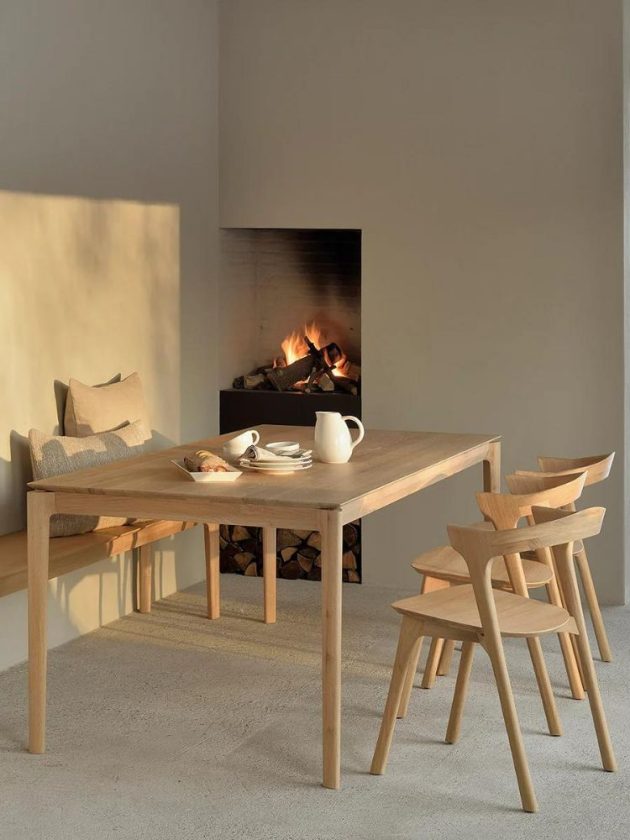
1. Urban Natural
Responsible furniture retailer Urban Natural curates a variety of furniture brands that meet at least three of their five sustainable sourcing criterion.
Urban Natural’s sourcing values are Ethically Sourced (makers are fairly compensated), Handcrafted (made by experienced artisans), Organic Materials (partners have certifications like GOTS and GOLS), Made Sustainably, and Made in the USA.
Furniture Categories: Sofas & Sectionals, Chairs, Beds, Tables, Benches & Ottomans, Dining Tables, Dining Chairs & Stools, Storage Furniture, Office Furniture, Lighting, Outdoor Furniture
2. Medley
Medley Home is an eco-friendly furniture company that handcrafts their pieces in California with mindful materials. The company uses domestically-sourced hardwoods (no plywood here!) from FSC-certified forests and solid bamboo, which is one of the fastest-growing plants in the world. Medley Home’s wood pieces are finished naturally with a blend of beeswax, carnauba wax, and olive oil.
For foam, Medley sources only CertiPUR-US® certified foam or certified organic natural latex, and for textiles, the company uses GOTS-certified organic linings and other natural fabrics such as hemp and wool.
Furniture Categories: Sofas & Sectionals, Chairs, Dining & Side Tables, Dining Chairs, Beds, Storage, Benches & Ottomans

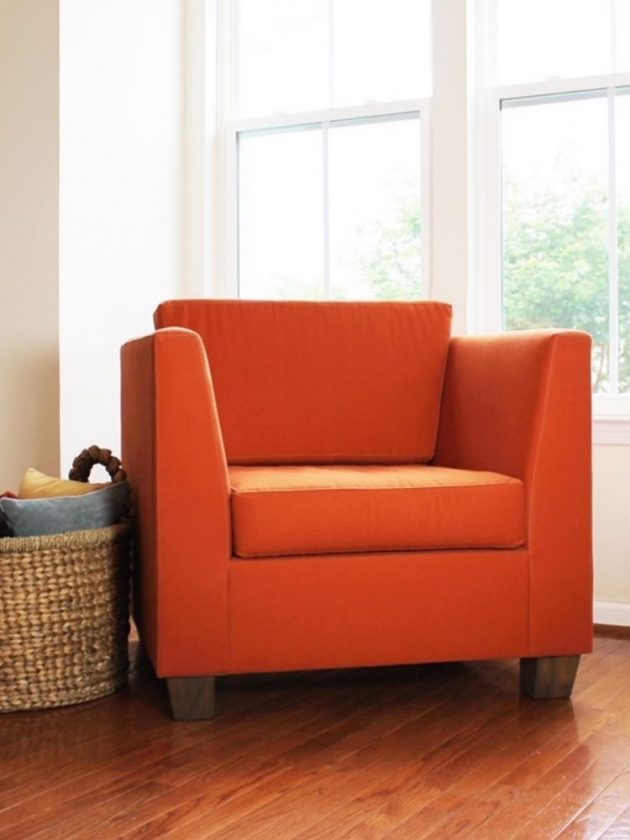
3. Savvy Rest
Savvy Rest creates functional, sustainable furniture with your health and the planet’s health in mind. The eco-friendly furniture brand sources only the best natural and organic materials for their non-toxic furnishings, like hemp and certified organic cotton fabric, natural Talalay latex, and responsibly sourced solid hardwood. You can also choose between a variety of zero-VOC stains or no finish for their wood furniture.
Furniture Categories: Sofas, Loveseats & Armchairs, Tables & Benches
(Use code CONSCIOUSSTYLE20 for 20% off!)
4. Avocado
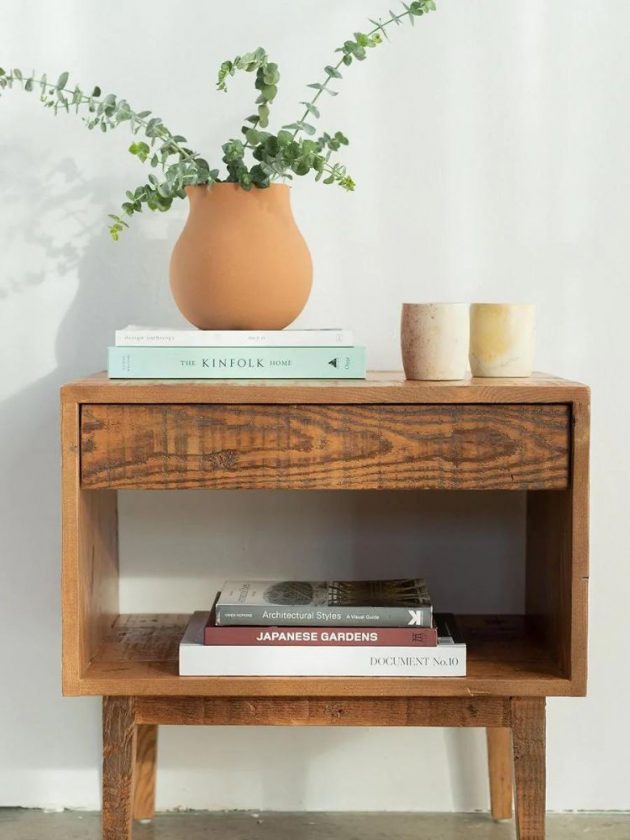
Getting their start as a non-toxic mattress brand, Avocado now crafts eco-friendly furniture too.
The Certified B-Corporation crafts both their furniture in a FSC-certified facility in Los Angeles and uses materials like 100% reclaimed wood and responsibly-harvested American timber. Additionally, the majority of Avocado’s offerings have non-toxic certifications like Greenguard Gold and the MADE SAFE® seal.
The brand has some gorgeous sustainable mid-century modern furniture pieces!
Furniture Categories: Beds, Nightstands & End Tables, Dressers, Benches & Ottomans
5. Thuma
Thuma makes environmentally friendly, modern and minimalistic platform beds. The brand’s platform bed frames are crafted with upcycled, repurposed rubberwood, and for every order made, Thuma plants a tree.
The Bed is thoughtfully designed for functionality and quality too—the conscious company even backs their pieces with a lifetime warranty. With Thuma’s direct-to-consumer model, their eco-friendly beds are also pretty affordable.
Furniture Categories: Bed Frames, Dressers, Nightstands & Side Tables

6. WHAT WE MAKE
Based in Chicago, What WE Make is an environmentally friendly furniture company that crafts non-toxic modern furniture from reclaimed materials.
They salvage wood from Midwestern barns and make the furniture start to finish themselves in Chicago to ensure the highest quality. Each piece is completed with zero-VOC finishes.
Furniture Categories: Bathroom Vanities, Tables, Storage & Dressers, Dining Tables, Coffee Tables & Console Tables
7. Sabai
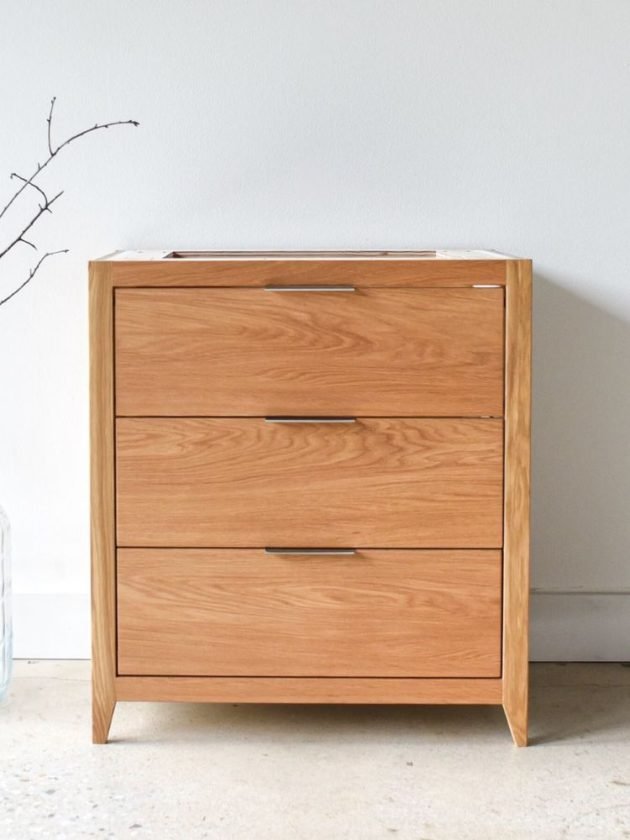
Sustainable by design, Sabai is an affordable sustainable furniture brand with modern, responsibly-made seating. They offer two repurposed fabric options — either recycled velvet or upcycled polypropylene — and the frames are made from FSC-certified wood. Sabai also uses mechanical fasteners in it’s upholstery process instead of glue, low-VOC stains for their domestic maple legs, recycled fiber fills, and certiPUR-US certified foam.
Plus, Sabai works with an ethical, fair wage manufacturer located domestically in North Carolina, which helps to minimize their shipping footprint.
Furniture Categories: Sofas & Sectionals, Chairs, Ottomans

8. Natural Home
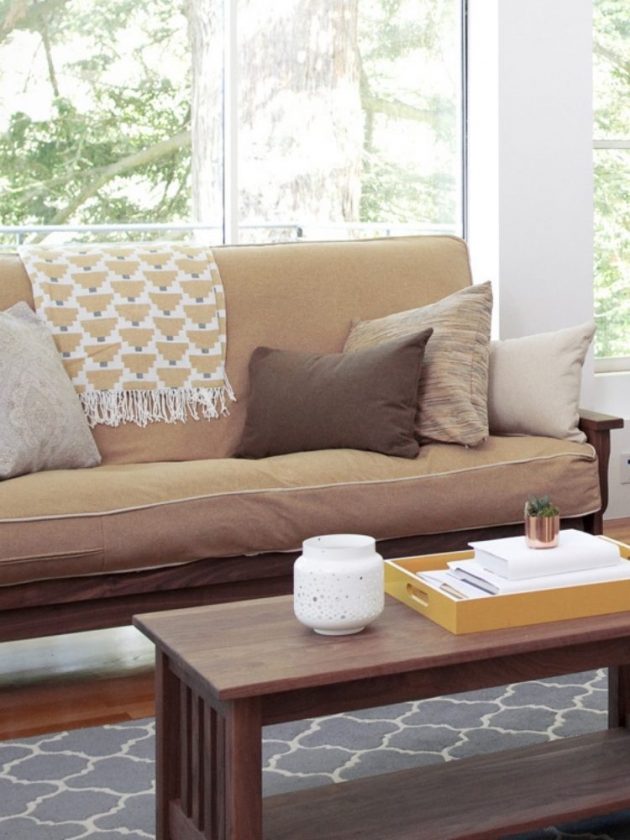
As you might guess, The Futon Shop makes sustainable futons, but they also have other furniture like bed frames and sofas.
The woman-founded furniture and mattress company uses eco-friendly and non-toxic materials such as certified organic cotton cotton and wool, organic Dunlop latex, OEKO-Tex 100 certified coconut coir and hemp, and solid American hardwood.
Furniture Categories: Futons, Beds, Sofas & Sectionals
9. Greenington
Greenington is a bamboo furniture company with stunning, sustainably-crafted pieces for every room in your home: from the office to the bedroom.
Each piece is made from responsibly hand-harvested (never clear cut) Moso bamboo, which is one of the fastest growing plants on the planet. Greenington also sources only mature bamboo to ensure maximum strength and durability.
Furniture Categories: Beds, Nightstands & Dressers, Desks, Bookcases & Shelving, Dining Tables, Chairs & Stools, Coffee & Side Tables, Cabinets & Credenzas

10. Burrow
Handcrafted from durable materials like responsibly-sourced hardwood, Burrow’s eco-friendly furniture is designed to be your next heirloom. Burrow’s modular sofas are the true standouts: they’re designed to be assembled and configured in a variety of ways so you can customize them to your needs even through moves and family changes.
[Check out this guide for more eco-friendly sofas.]
Furniture Categories: seating, storage, tables, benches

11. MasayaCo
With origins as a reforestation project, MasayaCo is deeply committed to (beyond) sustainable sourcing. They’ve planted 1.2 million trees to date and on average, leave 40% of their reforestation projects completely untouched.
The elegant furniture from MasayaCo is crafted by artisans using teak, and many of their pieces are outdoor friendly too.
Furniture Categories: Lounge Chairs, Ottomans & Benches, Storage, Cabinets & Shelves, Beds, Accent Tables, Dining Tables & Chairs

12. Saatva
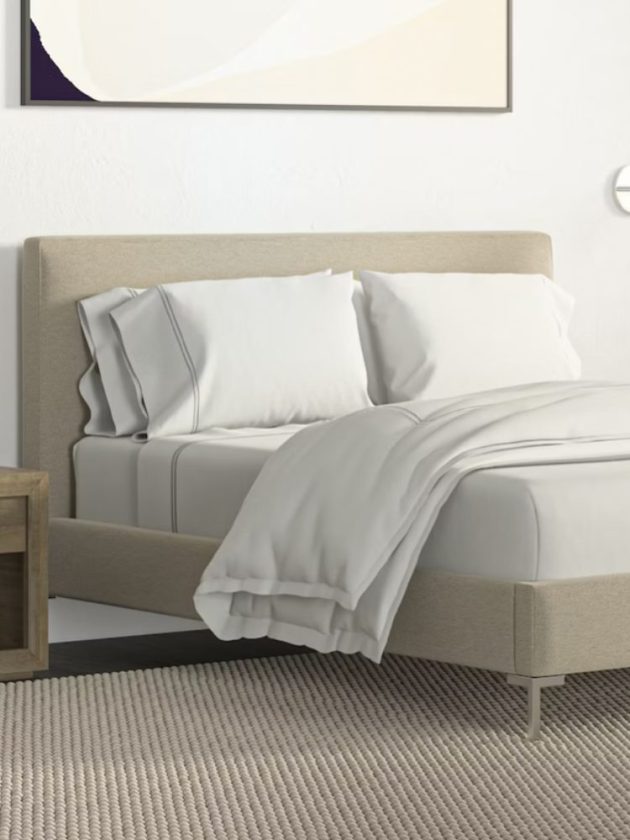
Originally known for their sustainable mattresses, this company has now expanded into eco-friendly bedroom furniture.
The company has a 180-day trial and a lifetime warranty, showing that they are committed to quality and service.
Materials vary by product but some of the responsible materials Saatva uses include responsibly-sourced hardwood, linen upholstery, and foams that meet CertiPUR-US® standards. Several product pages also note that the product is adherent to the Toxic Substances Control Act and contains no VOCs.
Furniture Categories: Bed Frames, Chairs, Ottomans, Rugs
13. Healthier Homes
Founded by expert healthy home builders, Jen and Rusty Stout, Healthier Homes is committed to helping you curate a healthier indoor space.
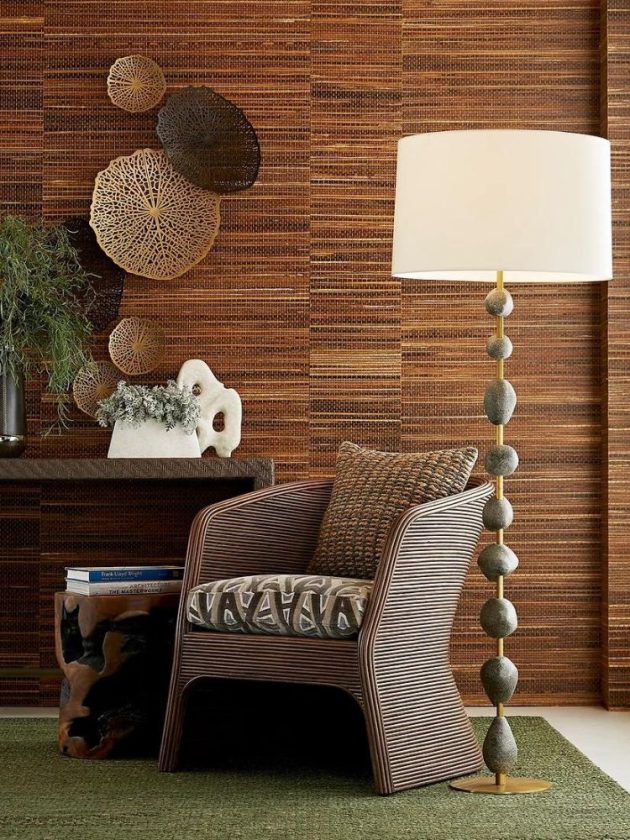
The online marketplace sells natural furniture, organic decor and non-toxic paint & finishes. You’ll find furniture, from seating to accent tables, made from materials like teak, acacia, mango wood, and jute. And if you’re working on some DIY projects, be sure to check out their selection of zero VOC paints.
Furniture Categories: Chairs & Stools, Side Tables & Coffee Tables, Benches, Shelving
Honorable Mention for Sustainable Furniture Options
14. West Elm – Sustainably Sourced Collection
Furniture company West Elm has added sustainable collections to their offerings. The company defines “sustainably sourced” as furniture made either from reclaimed wood or FSC-certified wood from responsibly harvested sources.
Furniture Categories: Everything!

Looking For More Eco-Friendly Furniture Guides?
Sustainable Storage: Dressers, Media Consoles, and Sideboards
9 Eco-Friendly Bookcases to Showcase Your Latest Reads
What is Non-Toxic Furniture? Plus 12 Brands to Know
The Best Sustainable Tables To Gather Around
The post 14 Best Sustainable Furniture Companies For Your Eco-Friendly Home in 2026 appeared first on Conscious Life & Style.
14 Best Sustainable Furniture Companies For Your Eco-Friendly Home in 2026

Last winter, we kept our house at 60 degrees and our electric bill was STILL $280. I’ve been interested in solar for a long time, but on the long list of house projects (especially when you’re restoring a 200 year old house on the historic registry) some are more pressing than others.
But with a few of those major projects wrapping up, and a daunting bill before me, I figured now was the time for a quick google search on solar panels, and let me tell you….. It can be very overwhelming.
Figuring out the rules (cough, cough, historic society), incentives or rebates if applicable, how much it would cost, how much we could save, etc. felt a little like a part-time job. But, one website made it really easy to compare things, and I am happy to be partnering with Aurora Solar to share that site with you.
Because I think you should be able to easily run the numbers on your house without a lot of hassle!

This post is sponsored by Aurora Solar, but all thoughts and opinions are my own.
If you’ve ever gotten a solar quote, there’s a good chance that Aurora Solar was involved. Aurora was founded in 2013 after its co-founders spent seven months trying to design a solar energy system using a patchwork of different tools.
Afterall, designing a solar system shouldn’t be harder than actually installing one. So they built software specifically for solar professionals. Today, more than 7,000 solar organizations use Aurora, and more than 20 million solar projects have been designed using the platform. They are also the largest solar software provider in the world. Their software is used by roughly 80% of the top 75 residential solar companies in the U.S.
All of this tech has been primarily used by professional installers to map your roof and then create a proposal, but now Aurora is offering this tech to us to help compare quotes.
So instead of having to call a bunch of different installers, I could use the Aurora Solar Marketplace to understand my solar potential, compare estimates, understand my possible savings, look into battery storage and other home electrification incentives, and map out different financing options.
1. know how much electricity the system will actually produce
Before you even get into the price, make sure you understand what you’re actually being quoted.
Two solar systems can have very different prices because they may not be the same size or produce the same amount of electricity. A cheaper system might simply have fewer panels and offset less of your electric bill.
With Aurora, you can compare solar estimates and see the system size, energy production, and how much electricity the system should offset.
You can also upload your utility bill to get a solar estimate based more closely on your actual energy usage, to make the quote accurate for you instead of a ‘generic household’.
2. understand the solar payback period
Aurora calculates things like payback period and lifetime savings, which makes it much easier to understand the long-term finances.
The solar payback period is basically how long it takes for your estimated savings to make up for what you spent on the system, and this is the number that surprised me most!
One estimate had a payback period of around 7 years, and another was closer to 11 years! Over 25 years, two of the estimates I looked at had almost a $13,000 difference in projected savings.
Of course, these are still projections as electricity rates can change (HELLO 2026) but when you’re trying to compare two options for the same house, knowing that one is projected to pay for itself four years sooner is pretty useful information.
3. look beyond the monthly payment
Depending on the installer, you may be looking at a cash purchase, solar loan, lease, or power purchase agreement.
But thankfully with Aurora you can compare the different financing options side-by-side which makes it a lot easier to see the trade-offs. One option may have a lower upfront cost, another may have a lower monthly payment, and another may give you better long-term savings.

4. find out which solar incentives actually apply to you
The minute you start Googling solar, you can find federal incentives, state incentives, utility programs, rebates, net metering, and a whole bunch of information that may or may not even apply to where you live.
And some of the articles ranking at the top of Google are several years old! (RIP to the federal incentives canceled at the end of 2025.) But, Aurora can account for