

Weather Guard Lightning Tech

US Moving Back to Coal? Iowa Sticks with Wind
Energy Secretary Chris Wright visits Iowa to announce plans to end wind energy subsidies, despite Iowa generating 60% of its electricity from wind power that has become cheaper than fossil fuels. While the Trump administration pushes to revive coal and reduce renewable research funding, market forces continue driving utilities toward wind and solar.
Sign up now for Uptime Tech News, our weekly email update on all things wind technology. This episode is sponsored by Weather Guard Lightning Tech. Learn more about Weather Guard’s StrikeTape Wind Turbine LPS retrofit. Follow the show on Facebook, YouTube, Twitter, Linkedin and visit Weather Guard on the web. And subscribe to Rosemary Barnes’ YouTube channel here. Have a question we can answer on the show? Email us!
This week’s news flash is about power and politics. And the two collided in Iowa of all places.
Iowa is farm state in the middle of America’s heartland crucial for presidential hopefuls. It’s the first major contest where candidates rise or fall. Smart politicians know: upset Iowa voters at your own peril.
But here’s what makes this interesting. Iowa generates more electricity from wind than any other state. Sixty percent of their power comes from those spinning turbines. Wind energy has become Iowa’s economic engine.
The irony? US Energy Secretary Chris Wright just visited Ames National Laboratory in Iowa. He praised the lab as a premier scientific institution. Then he dropped a bombshell: it’s time to end government support for wind energy.
Wright says wind power has been subsidized for thirty-three years. Time to compete without training wheels.
But here’s what he didn’t mention: wind energy is now one of the cheapest sources of electricity in America. Even without subsidies, renewables cost less than oil, gas, and coal.
Energy costs are everything in America. What we pay for electricity determines what we pay for everything else. Manufacturing, artificial intelligence, keeping the lights on at home.
Energy Secretary Wright talks about reindustrializing America. He wants to win the race on artificial intelligence. Stop upward pressure on electricity prices.
Those are noble goals. But here’s the twist: the cheapest electricity in America comes from wind and solar power. Not oil. Not gas. Not coal.
The Lazard LCOE analysis proves it year after year. Renewable energy costs have plummeted while fossil fuel prices remain volatile.
Iowa figured this out years ago. They didn’t choose wind power because they love polar bears. They chose it because it’s cheap, reliable, and keeps electricity bills low.
Wright’s DOE budget would slash renewable energy research by more than fifty percent. The National Renewable Energy Laboratory would lose half its funding.
But markets don’t care about politics. They care about profits. And the lowest-cost energy wins every time.
Here’s where the story gets complicated.
Wright is absolutely right about one thing: America depends too heavily on China for critical minerals. Sixty percent of rare earth elements. Ninety percent of processing.
These materials power our phones, electric cars, and military equipment. China’s grip on this supply chain threatens national security.
The Energy Department will invest one billion dollars to bring mining and processing home. Smart move.
But here’s the irony: many of these critical minerals are essential for wind turbines and solar panels. The very technologies Wright wants to defund.
Alaska holds forty-nine critical minerals. Refining them increases their value by six hundred fifty percent.
So which is it? Do we want energy independence through domestic mining? Or do we want to slow the industries that need those materials most?
Wind turbines do need rare earth magnets. Solar panels need refined silicon. Energy storage needs lithium and cobalt.
You can’t have domestic energy security without domestic renewable energy. They’re the same fight, they are just wearing different uniforms.
Recently, Secretary Wright commissioned five scientists to review climate assessments. Their conclusion: carbon dioxide warming appears less economically damaging than believed.
Climate activists call this science denial. Wright calls it getting discourse back to facts.
But here’s what both sides miss: the economics have already decided.
Wind power in Iowa didn’t grow because of climate regulations. It grew because Iowa farmers could lease their land for guaranteed income. Because utilities could buy cheap electricity. Because manufacturers wanted stable energy costs.
The Intergovernmental Panel on Climate Change says human influence on warming is established fact. Wright says climate change isn’t the world’s greatest problem.
Meanwhile, Iowa keeps building wind farms. To save money on electric bills.
The beauty of market economics? You don’t need to agree on the problem to agree on the solution.
Cheap energy is cheap energy. Whether you’re a climate scientist or a climate skeptic.
Mother Nature doesn’t vote. But she does send the bill.
Solar and wind stocks soared after a leaked Treasury document revealed the Trump administration’s plans for safe harboring of renewable projects. Instead of killing renewable tax credits, they’re preserving most of them.
The guidance requires actual construction to start, not just spending five percent of costs. But it allows work to begin offsite and maintains four-year completion windows.
NextEra Energy stock jumped about 5% on the news. First Solar surged around 13%
Why the market optimism? Because investors understand something politicians sometimes forget: cheap energy creates wealth.
Iowa’s wind industry will survive these changes. Why? Because wind power in Iowa is profitable with or without tax credits. The economics work.
That’s the difference between subsidizing infant industries and supporting mature technologies that already win on price.
The market has spoken.
Here’s the final chapter in our energy story.
Secretary Wright renewed the National Coal Council charter, terminated under President Biden. Coal supports hundreds of thousands of jobs, he says. Adds tens of billions to the economy.
True enough. Coal built industrial America. Coal powers steel mills. Coal byproducts build roads and fertilize crops.
But here’s the uncomfortable truth: even with government support, coal can’t compete with wind on price. Utility companies know this. They’re retiring coal plants and building wind farms.
Not because bureaucrats order them to. Because shareholders demand profits.
Iowa proves the point. This state didn’t abandon coal for environmental virtue. They embraced wind for economic advantage.
Coal will always have a role in steelmaking and chemical production. But for electricity generation? The future is blowing in the wind.
Literally.
You’ve heard six stories about America’s energy future. They seem disconnected. Politics and science. Markets and ideology. Iowa and Washington.
But they’re really one story wearing six different masks.
The story is this: energy costs drive everything else. The cheapest energy source wins. Not eventually. Not after government picks winners and losers. Now.
Wind power generates more electricity in Iowa than any other source. Not because politicians mandated it. Because Iowa farmers, utilities, and businesses chose it.
They chose it because wind power in Iowa costs less than coal. Less than natural gas. Less than anything else that plugs into the grid.
Secretary Wright can defund renewable research. President Trump can eliminate tax credits. Congress can support coal.
But they can’t repeal the law of supply and demand.
Iowa will keep building wind farms. Iowa will continue to build solar farms.
The wind blows free. The sun shines free. Coal must be dug. Oil must be drilled. Gas must be fracked.
Which would you choose if you were paying the bills?
The future is renewable because the future is profitable.
https://weatherguardwind.com/us-coal-iowa-wind/

 For those who struggle with elementary school arithmetic, Trump won the election (50%+ approval) out of more than 150 million votes cast, and now his approval rating is in the low 30s.
That’s ~30 million voters who regret their choices, out of the common American.
Add in the Tucker Carlsons of the world.
Absolutely.
It must be done, because our country is home to some hateful morons who want to see honest, hardworking, taxpaying people with brown skin deported, and their families torn apart.
It wasn’t the American way until recently, but it sure is now.
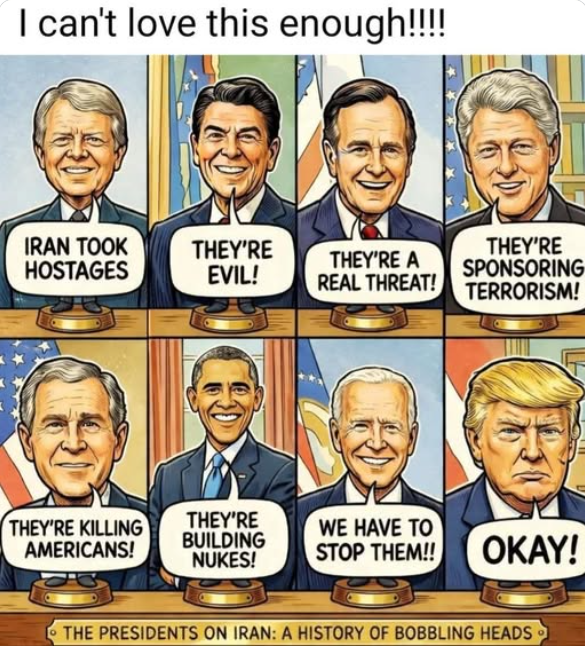 As shown at left, the United States is loaded with people who twist the facts to their liking.

As the Alabama Legislature Adjourns, Environmentalists See a Silver Lining
After a Slow Start on Climate, Zohran Mamdani Faces Scrutiny Over Parks Budget and Environmental Promises
Who Loses in the Trump Administration’s $1 Billion ‘Deal’ to Abandon Offshore Wind?
-
Climate Change8 months ago
Guest post: Why China is still building new coal – and when it might stop
-
Greenhouse Gases8 months ago
Guest post: Why China is still building new coal – and when it might stop
-

 Greenhouse Gases2 years ago
嘉宾来稿:满足中国增长的用电需求 光伏加储能“比新建煤电更实惠”
-
Climate Change2 years ago
Bill Discounting Climate Change in Florida’s Energy Policy Awaits DeSantis’ Approval
-

 Climate Change2 years ago
嘉宾来稿:满足中国增长的用电需求 光伏加储能“比新建煤电更实惠”
-
Climate Change Videos2 years ago
The toxic gas flares fuelling Nigeria’s climate change – BBC News
-

 Renewable Energy6 months ago
Sending Progressive Philanthropist George Soros to Prison?
-

 Carbon Footprint2 years ago
US SEC’s Climate Disclosure Rules Spur Renewed Interest in Carbon Credits