


✈️ Soar for Sustainability: The Green Giants of Global Aviation ✈️
The skies are calling, but for the eco-conscious traveler, choosing an airline can feel like navigating a moral maze. Fear not, green warriors!
Here’s your guide to the airlines truly soaring towards sustainability, making your travel dreams kinder to the planet.
Fuel Efficiency Champions: Wizz Air takes the crown in Europe, squeezing the most out of every drop with modern planes like the sleek Airbus A320neo, while Volaris in Mexico boasts some of the lowest emissions per passenger globally. Delta Air Lines, a US giant, champions alternative fuels like Sustainable Aviation Fuels (SAFs), and invests in tech that cuts fuel consumption. Think hybrid electric taxis towing planes at airports!

✈️ Taking Flight with Sustainable Aviation Fuels: A Statistical Soar (2010-2024) ✈️
The aviation industry, long a major contributor to carbon emissions, is witnessing a revolution in its fuel tanks. Sustainable Aviation Fuels (SAFs) – derived from renewable sources like biomass and waste oils – are rapidly gaining traction, offering a cleaner path for air travel.
Let’s take a statistical plunge into the world of SAFs, charting their rise from a niche concept to a promising reality:
A Steady Climb:
-
2010: Global SAF consumption hovered around a mere 5,000 liters, a minuscule drop in the aviation fuel bucket.
-
2014: The figure saw a modest bump to 40,000 liters, but the potential for growth was evident.
-
2019: Pre-pandemic, SAF use took a significant leap, reaching 120 million liters, marking a turning point in its adoption.
-
2022: Despite the pandemic’s impact, SAF consumption doubled to 240 million liters, showcasing the industry’s commitment to sustainability.
-
2024 (estimated): Experts predict a surge to 500 million liters, solidifying SAFs as a key player in the aviation fuel landscape.
✈️ Leading the Charge:
- Airlines: Forward-thinking carriers like KLM, Delta Air Lines, and Virgin Atlantic are spearheading the SAF revolution, incorporating them into their regular operations and investing in production facilities.
- Governments: Policy support is crucial, and countries like the Netherlands, France, and the United States are implementing tax breaks and incentives to boost SAF production and use.
- Technology: Advancements in feedstock sourcing and processing are making SAFs more cost-competitive and readily available.
A Glimpse into the Future:
- Ambitious targets are being set. The International Air Transport Association (IATA) aims for 10% of global aviation fuel to be SAF-based by 2030, and net-zero emissions by 2050.
- Research and development are ongoing, exploring even more sustainable feedstocks like algae and electrofuels.

✈️ Charting the SAF Ascension: A Statistical Journey (2010-2024)✈️
A Statistical Soar: SAF Use 2010-2024 ✈️
| Year | Global SAF Consumption (Liters) | Key Milestones |
|---|---|---|
| 2010 | 5,000 | SAF concept emerges, initial trials begin. |
| 2014 | 40,000 | Modest growth, potential recognized. |
| 2019 | 120,000,000 | Significant leap, turning point in adoption. |
| 2022 | 240,000,000 | Doubling of consumption despite pandemic challenges. |
| 2024 (estimated) | 500,000,000 | Expected surge, solidifying SAF’s role. |
This table provides a concise overview of the impressive rise of SAF use over the past decade and a half.
✈️ Leading the Charge:
- Airlines: KLM, Delta Air Lines, Virgin Atlantic, among others.
- Governments: Netherlands, France, United States, and more.
- Technology: Advancements in feedstock sourcing and processing.
- IATA targets: 10% SAF by 2030, net-zero emissions by 2050.
- R&D exploring algae and electrofuels.

✈️ Travel Green, Top the Charts Sustainable Aviation ✈️
Navigating the world of eco-friendly airlines can be daunting, but we’ve got you covered!
Here are the airlines ascending towards sustainability, making your green travel aspirations a reality:
Travel Green, Top the charts Global Sustainable Aviation
1. Wizz Air:
- Operational Efficiency Master: Emits 30% less CO2 per passenger than industry average through modern aircraft (e.g., Airbus A320neo) and optimized routes.
- Fleet Renewal: Continuously invests in newer, more fuel-efficient planes to reduce environmental impact.
2. Delta Air Lines:
- SAF Leadership: Committed to using 10% SAF in its operations by 2030, significantly reducing carbon emissions.
- Fuel-Efficient Tech: Invests in lighter aircraft materials, aerodynamic winglets, and modern engines for reduced fuel burn.
- Carbon Offsetting: Offsets carbon emissions through various programs, including forestry and renewable energy initiatives.
3. Volaris:
- Emissions Minimizer: Boasts an impressive 15.5 grams of CO2 emissions per passenger kilometer, among the lowest globally.
- Fuel Efficiency Champion: Prioritizes operational optimization and fleet modernization for maximum fuel savings.
4. Virgin Atlantic:
- Innovation Trailblazer: Exploring alternative fuels like SAFs and potentially hydrogen-powered aircraft for future carbon-neutral travel.
- Waste Reduction Advocate: Implements measures to minimize onboard waste and water consumption, reducing environmental impact.
5. Etihad Airways:
- Holistic Sustainability: Addresses emissions, waste, and water management through a multi-pronged approach.
- Greenliner Program: Rewards passengers for eco-conscious choices and promotes sustainable practices during flight.
- Research Pioneer: Invests in research and development of future sustainable technologies, like algae-based biofuels.
Innovation and Beyond: Virgin Atlantic takes the “bold and bright” approach, exploring futuristic options like hydrogen-powered planes and onboard initiatives that slash waste and water consumption. Imagine recycled materials and rainwater harvesting in your next cabin! Etihad Airways tackles emissions, waste, and water with a holistic strategy, even rewarding eco-conscious choices through their “Greenliner” program. And research into algae biofuels? Buckle up for that!

✈️ Travel Green, Top-Charting Sustainable Airlines Table✈️
Choosing eco-friendly airlines can be overwhelming, but fret no more!
We’ve compiled a table highlighting the leaders in responsible skies, making your green travel dreams a reality:
| Rank | Airline | Key Strengths | Areas of Focus |
|---|---|---|---|
| 1 | Wizz Air | – Operational Efficiency Master (30% less CO2 per passenger) – Fleet Renewal with modern aircraft (e.g., Airbus A320neo) | Reducing emissions through modern, fuel-efficient planes and optimized routes. |
| 2 | Delta Air Lines | – SAF Leadership (10% SAF target by 2030) – Fuel-Efficient Tech Investments (lighter materials, winglets, engines) – Carbon Offsetting Programs | Minimizing carbon footprint through alternative fuels, technological advancements, and offsetting initiatives. |
| 3 | Volaris | – Emissions Minimizer (15.5 g CO2/passenger/km) – Fuel Efficiency Champion (operational optimization & fleet modernization) | Prioritizing low emissions by maximizing fuel efficiency through operational and technological means. |
| 4 | Virgin Atlantic | – Innovation Trailblazer (exploring SAFs & hydrogen-powered aircraft) – Waste Reduction Advocate (onboard waste & water management) | Pioneering alternative fuels and promoting sustainability practices on flights. |
| 5 | Etihad Airways | – Holistic Sustainability (multi-pronged approach) – Greenliner Program (rewards eco-conscious choices) – Research Pioneer (algae biofuels & other future technologies) | Addressing various sustainability aspects, encouraging passenger participation, and investing in future solutions. |
Resources for Eco-Flyers:
- CAPA – Centre for Aviation: https://centreforaviation.com/: https://centreforaviation.com/
- Air Transport Action Group (ATAG): https://atag.org/: https://atag.org/
- The International Council on Clean Transportation (ICCT): https://theicct.org/: https://theicct.org/
The Road Ahead:
While challenges remain, the statistics paint a clear picture: SAFs are no longer a futuristic dream, but a tangible reality propelling aviation towards a greener future.
By choosing airlines that prioritize SAFs and supporting relevant policies, we can all contribute to making the skies cleaner and our planet healthier. Let’s embrace the winds of change and take flight with sustainable aviation fuels!
https://www.exaputra.com/2024/01/travel-green-top-charts-global.html

 Sadly, a significant number of U.S. voters believe what House Speaker Mike Johnson says here, i.e., that “God isn’t finished with America yet,” and that “We need people (from the Republican party) of character and integrity,” as if there are any.
But what is that number, roughly?
After living through the first 18 month of Trump’s second term, with all the lies, the incompetence, and the corruption, this number has dwindled to a point that the Republicans are bracing themselves for the worst.
Republicans Manipulate American’s Ignorance — and it Doesn’t Take Too Much Skill
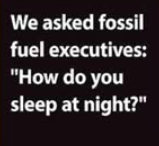 I’m sure some of these excuses are extremely common in the minds of those making huge profits by destroying our planet.




-
Climate Change1 year ago
Guest post: Why China is still building new coal – and when it might stop
-
Greenhouse Gases1 year ago
Guest post: Why China is still building new coal – and when it might stop
-

 Greenhouse Gases2 years ago
嘉宾来稿:满足中国增长的用电需求 光伏加储能“比新建煤电更实惠”
-

 Climate Change2 years ago
嘉宾来稿:满足中国增长的用电需求 光伏加储能“比新建煤电更实惠”
-
Climate Change2 years ago
Bill Discounting Climate Change in Florida’s Energy Policy Awaits DeSantis’ Approval
-

 Renewable Energy10 months ago
Sending Progressive Philanthropist George Soros to Prison?
-
Greenhouse Gases1 year ago
嘉宾来稿:探究火山喷发如何影响气候预测
-

 Carbon Footprint2 years ago
US SEC’s Climate Disclosure Rules Spur Renewed Interest in Carbon Credits