


The Electric Vehicle Roadmap in Europe: Greening the Way
The European Union (EU) has set ambitious goals for electrifying its transportation sector, aiming to achieve net-zero greenhouse gas emissions by 2050.
A key part of this plan is the European Electric Vehicle Roadmap, which outlines a series of steps to increase the adoption of electric vehicles (EVs) and decrease the use of fossil fuels in transportation.
The roadmap’s key objectives include:
- Significantly increasing the market share of EVs: The EU aims to have at least 30 million zero-emission vehicles on its roads by 2030, and all new cars and vans sold in the bloc to be zero-emission by 2035.
- Investing in EV infrastructure: The EU is investing billions of euros in building a comprehensive network of EV charging stations across the continent. This includes both public fast-charging stations and slower chargers for homes and businesses.
- Supporting research and development: The EU is funding research into new EV technologies, such as batteries with longer ranges and faster charging times.
- Making EVs more affordable: The EU is providing financial incentives for consumers to buy EVs, such as tax breaks and subsidies.
The European Electric Vehicle Roadmap is a ambitious plan that will require significant investment and effort from both the public and private sectors. However, if it is successful, it could help to transform the EU’s transportation sector and make it more sustainable.
Here are some additional details about the roadmap:
- The roadmap was first published in 2018 and has been updated several times since then.
- The roadmap is based on a comprehensive analysis of the challenges and opportunities for electrifying road transport in Europe.
- The roadmap includes a detailed action plan with specific targets and timelines.
- The roadmap is being implemented by a variety of stakeholders, including the European Commission, EU member states, and the private sector.
The European Electric Vehicle Roadmap is a significant step towards a more sustainable future for transportation in Europe. It is a ambitious plan, but it is one that is necessary to meet the EU’s climate goals.

The Electric vehicle production statistics in Europe
Here’s a summary of electric vehicle production statistics in Europe, without pictures and with additional data:
Overall growth:
- New registrations of electric vehicles in Europe in 2022: almost 2 million, representing 21.6% of all new car registrations.
- Market share leaders:
- Norway: 88.6% of new car sales in 2022 were electric.
- Germany: 31.4% market share.
Production by country:
- Top producers: Germany, France, UK, Czech Republic.
- Eastern Europe emerging as a new hub: Hungary, Slovakia, Poland.
Battery production:
- Bottleneck in supply chain: Slower battery production growth than EV production.
- Investment in new battery factories across Europe: Germany, Sweden, France.
Future outlook:
- Continued rapid market growth: Driven by stricter regulations, incentives, and falling battery costs.
- Emergence of new EV startups: Challenging established automakers.
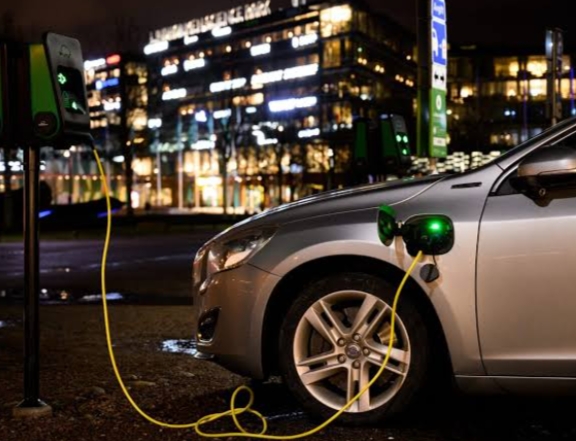
Electric Vehicle Production Statistics in Europe (2022)
| Statistic | Data | Note |
|---|---|---|
| New EV Registrations | 2 million | 21.6% of total new car registrations |
| Top Market Share Countries | 1. Norway | 88.6% EV share |
| 2. Germany | 31.4% EV share | |
| Top Production Countries | 1. Germany | |
| 2. France | ||
| 3. United Kingdom | ||
| 4. Czech Republic | ||
| EU EV Market Size (2030 Projection) | 15-20 million vehicles/year | |
| Total EVs on European Roads (2022) | Over 5 million | |
| New EV Registrations (2021) | 1.06 million | 10.6% of total new car registrations |
| Battery Production Bottleneck | Yes | Supply chain lag behind EV production |
This table summarizes the key statistics I provided earlier.
Additional data:
- Electric vehicle registrations in Europe in 2021: 1.06 million, representing 10.6% of new car registrations.
- Total number of electric vehicles on European roads in 2022: Over 5 million.
- Projected European EV market size in 2030: 15-20 million vehicles per year.
Resources for further information:
- European Automobile Manufacturers’ Association (ACEA): https://www.acea.auto/
- European Commission: https://ec.europa.eu/eurostat/cache/infographs/energy_2020/images/pdf/pdf-energy-eurostat-2020.pdf
- Statista: https://www.statista.com/statistics/804772/sales-volume-electric-vehicles-eu/
With continued investment and effort, the roadmap has the potential to make a real difference in the fight against climate change.
https://www.exaputra.com/2024/01/the-electric-vehicle-roadmap-in-europe.html


 Does this guy have a solid point?
Is war a bad thing? What about rape and torture?
Do they point to weaknesses that must be strengthened?
Is Bullying a Bad Thing? Not if We Want a Society of Brutality
 Maybe the protestors are less concerned about length of time in office, and more with criminal authoritarianism.
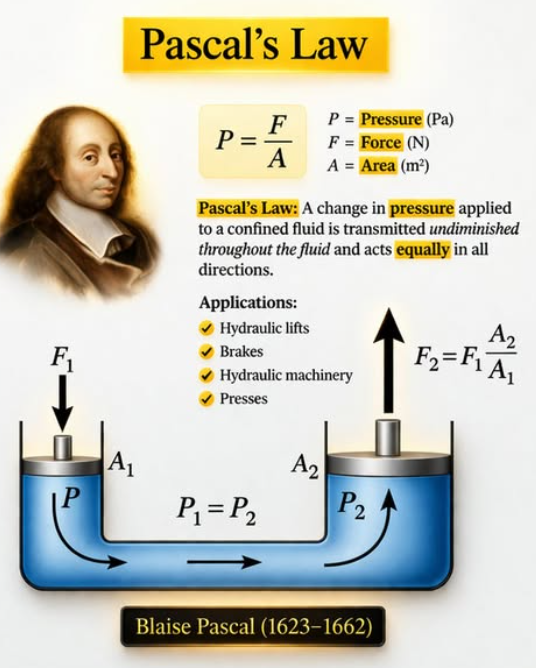 I have such respect for Pascal that I considered naming our son after him. (My wife wasn’t having it. Maybe if we lived in France?)
Pascal made important contributions to both math and physics but he’s perhaps best known for his philosophic “wager,” that it makes sense to believe in God, since if He exists, you’ll be very glad you did, and if He doesn’t, you haven’t lost anything. I counter that this is not how we accept or reject religious tenets.


-
Climate Change8 months ago
Guest post: Why China is still building new coal – and when it might stop
-
Greenhouse Gases8 months ago
Guest post: Why China is still building new coal – and when it might stop
-

 Greenhouse Gases2 years ago
嘉宾来稿:满足中国增长的用电需求 光伏加储能“比新建煤电更实惠”
-
Climate Change2 years ago
Bill Discounting Climate Change in Florida’s Energy Policy Awaits DeSantis’ Approval
-

 Climate Change2 years ago
嘉宾来稿:满足中国增长的用电需求 光伏加储能“比新建煤电更实惠”
-
Climate Change Videos2 years ago
The toxic gas flares fuelling Nigeria’s climate change – BBC News
-

 Carbon Footprint2 years ago
US SEC’s Climate Disclosure Rules Spur Renewed Interest in Carbon Credits
-

 Renewable Energy5 months ago
Sending Progressive Philanthropist George Soros to Prison?