

 Just yesterday, we learned that:
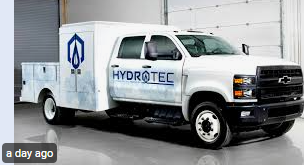
GM has ended its development of next-generation hydrogen fuel cell technology for everyday passenger vehicles, citing a need to focus resources on its electric vehicle (EV) strategy. As part of this change, the company has canceled a planned hydrogen fuel cell factory in Detroit and laid off employees from its Hydrotec brand. GM stated that it wants to put all its effort toward its EV future, as the path to a sustainable business in fuel cells for consumer vehicles is “long and uncertain.”
“Uncertain” seems to be putting it kindly; absolutely impossible sounds more apt, especially given its history.
The effort to establish the “hydrogen economy” began in the early 1970s with the OPEC embargo on gasoline that did great damage to the U.S. economy and angered the hell out of the American consumer.
Yet we learned quickly that replacing gas with hydrogen was to be an enormous undertaking, as:
Hydrogen was difficult and expensive to produce
Hydrogen fuel cells, the devices that create electricity from hydrogen, were also expensive, and fragile as well
Replacing the fuel delivery infrastructure (more than 150K gas stations) with hydrogen was costly beyond measure.
It’s hard to know exactly why it took the American automakers more than half a century to make this decision. Common wisdom is that the world of Big Oil/Auto wanted to prevent the world from moving to electric transportation, so they held out the bogus notion that hydrogen was “right around the corner,” and that just a bit of patience was required.
Well, it seems like today may be the day that this notion died, after five full decades.

 For those who struggle with elementary school arithmetic, Trump won the election (50%+ approval) out of more than 150 million votes cast, and now his approval rating is in the low 30s.
That’s ~30 million voters who regret their choices, out of the common American.
Add in the Tucker Carlsons of the world.
Absolutely.
It must be done, because our country is home to some hateful morons who want to see honest, hardworking, taxpaying people with brown skin deported, and their families torn apart.
It wasn’t the American way until recently, but it sure is now.
 As shown at left, the United States is loaded with people who twist the facts to their liking.

After a Slow Start on Climate, Zohran Mamdani Faces Scrutiny Over Parks Budget and Environmental Promises
Who Loses in the Trump Administration’s $1 Billion ‘Deal’ to Abandon Offshore Wind?
Minneapolis Activists Launch Hunger Strike to Protest Polluting Trash Incinerator
-
Climate Change8 months ago
Guest post: Why China is still building new coal – and when it might stop
-
Greenhouse Gases8 months ago
Guest post: Why China is still building new coal – and when it might stop
-

 Greenhouse Gases2 years ago
嘉宾来稿:满足中国增长的用电需求 光伏加储能“比新建煤电更实惠”
-
Climate Change2 years ago
Bill Discounting Climate Change in Florida’s Energy Policy Awaits DeSantis’ Approval
-

 Climate Change2 years ago
嘉宾来稿:满足中国增长的用电需求 光伏加储能“比新建煤电更实惠”
-
Climate Change Videos2 years ago
The toxic gas flares fuelling Nigeria’s climate change – BBC News
-

 Renewable Energy6 months ago
Sending Progressive Philanthropist George Soros to Prison?
-

 Carbon Footprint2 years ago
US SEC’s Climate Disclosure Rules Spur Renewed Interest in Carbon Credits