Renewable Energy
The Death Knell for Hydrogen-Based Transportation

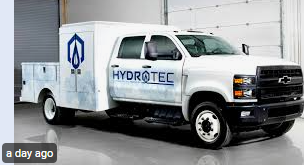

GM has ended its development of next-generation hydrogen fuel cell technology for everyday passenger vehicles, citing a need to focus resources on its electric vehicle (EV) strategy. As part of this change, the company has canceled a planned hydrogen fuel cell factory in Detroit and laid off employees from its Hydrotec brand. GM stated that it wants to put all its effort toward its EV future, as the path to a sustainable business in fuel cells for consumer vehicles is “long and uncertain.”
“Uncertain” seems to be putting it kindly; absolutely impossible sounds more apt, especially given its history.
The effort to establish the “hydrogen economy” began in the early 1970s with the OPEC embargo on gasoline that did great damage to the U.S. economy and angered the hell out of the American consumer.
Yet we learned quickly that replacing gas with hydrogen was to be an enormous undertaking, as:
Hydrogen was difficult and expensive to produce
Hydrogen fuel cells, the devices that create electricity from hydrogen, were also expensive, and fragile as well
Replacing the fuel delivery infrastructure (more than 150K gas stations) with hydrogen was costly beyond measure.
It’s hard to know exactly why it took the American automakers more than half a century to make this decision. Common wisdom is that the world of Big Oil/Auto wanted to prevent the world from moving to electric transportation, so they held out the bogus notion that hydrogen was “right around the corner,” and that just a bit of patience was required.
Well, it seems like today may be the day that this notion died, after five full decades.