


Introduction Sustainable Energy and the Integration of Sustainable Development Goals (SDGs)
The Sustainable Development Goals (SDGs) are a set of global objectives adopted by the United Nations to address pressing environmental, social, and economic challenges and promote sustainable development worldwide.
Sustainable energy plays a pivotal role in achieving these goals, as it intersects with various SDGs, including those related to poverty eradication, climate action, clean water and sanitation, affordable and clean energy, industry and innovation, sustainable cities, and responsible consumption and production.
This article explores the integration of sustainable energy in the pursuit of the SDGs, highlighting its potential to drive transformative change and create a more sustainable future.
Sustainable Energy and the SDGs: A Synergistic Approach
1. SDG 1: No Poverty: Access to affordable and clean energy is essential for poverty eradication and improving livelihoods. Sustainable energy solutions, such as off-grid solar systems and microgrids, provide energy access to rural and marginalized communities, enabling income-generating activities, enhancing education, and improving healthcare services.
2. SDG 3: Good Health and Well-being: Sustainable energy contributes to improved health outcomes by facilitating access to clean cooking technologies, reducing indoor air pollution, and supporting the provision of reliable electricity for healthcare facilities. Clean energy solutions promote better health and well-being, reducing the prevalence of respiratory illnesses and other diseases associated with traditional cooking methods.
3. SDG 6: Clean Water and Sanitation: Sustainable energy plays a critical role in providing clean water and sanitation services. Renewable energy-powered systems can be used for water pumping, purification, and wastewater treatment, ensuring access to safe and clean water resources, particularly in remote or underserved areas.
4. SDG 7: Affordable and Clean Energy: Sustainable energy is at the heart of SDG 7, which aims to ensure universal access to affordable, reliable, sustainable, and modern energy. By promoting renewable energy sources, energy efficiency, and decentralized energy systems, we can expand access to clean and affordable energy, reduce reliance on fossil fuels, and mitigate climate change.
5. SDG 9: Industry, Innovation, and Infrastructure: Sustainable energy is a catalyst for innovation, driving the development and deployment of clean technologies and sustainable infrastructure. By investing in renewable energy research and development, promoting energy-efficient industrial processes, and supporting sustainable infrastructure projects, we can foster economic growth, job creation, and sustainable industrialization.
6. SDG 11: Sustainable Cities and Communities: Sustainable energy is crucial for creating sustainable and resilient cities. By integrating renewable energy into urban planning, promoting energy-efficient buildings, supporting public transportation systems, and enhancing access to clean energy for all residents, we can build cities and communities that are inclusive, sustainable, and environmentally friendly.
7. SDG 12: Responsible Consumption and Production: Sustainable energy contributes to responsible consumption and production patterns by promoting energy efficiency, reducing greenhouse gas emissions, and minimizing environmental impacts. Transitioning to renewable energy sources and promoting energy-conscious behavior empowers individuals and businesses to make sustainable choices in their energy consumption and production processes.
8. SDG 13: Climate Action: Sustainable energy is a key driver of climate action. By replacing fossil fuel-based energy sources with renewable alternatives, we can significantly reduce greenhouse gas emissions and mitigate the impacts of climate change. Transitioning to sustainable energy is crucial for achieving the goals of the Paris Agreement and limiting global warming to well below 2 degrees Celsius.
Integration Strategies for Sustainable Energy and the SDGs
1. Policy and Regulatory Frameworks: Governments should develop supportive policy and regulatory frameworks that incentivize the adoption of sustainable energy solutions. This includes setting renewable energy targets, providing financial incentives and subsidies, and establishing regulations that promote energy efficiency and renewable energy integration.
2. Financing Mechanisms: Access to finance is essential for scaling up sustainable energy projects. Governments, international financial institutions, and private sector entities should establish dedicated funds, green investment mechanisms, and innovative financing models to attract investment and support the development and deployment of sustainable energy technologies.
3. Technology Transfer and Capacity Building: Technology transfer and capacity building programs play a crucial role in promoting sustainable energy solutions. Developing countries should receive support in the form of technology transfer, knowledge sharing, and training programs to enhance their capacity to adopt and implement sustainable energy technologies effectively.
4. Public-Private Partnerships: Collaboration between the public and private sectors is vital for the integration of sustainable energy and the SDGs. Public-private partnerships can leverage the expertise, resources, and innovation of both sectors to drive sustainable energy projects, promote technology transfer, and achieve the SDGs’ targets.
5. Awareness and Education: Raising awareness about the importance of sustainable energy and its link to the SDGs is crucial. Educational campaigns, capacity-building initiatives, and public outreach programs can inform individuals, communities, and businesses about the benefits of sustainable energy and motivate them to take action.
Benefits of Integrating Sustainable Energy and the SDGs
1. Environmental Benefits: Integrating sustainable energy contributes to mitigating climate change, reducing air pollution, and preserving natural resources. It helps protect ecosystems, biodiversity, and the overall health of the planet, ensuring a sustainable environment for current and future generations.
2. Social and Economic Benefits: Sustainable energy fosters social inclusivity, improves living conditions, and promotes economic growth. It creates employment opportunities, supports local businesses, and enhances energy access, particularly in underserved areas. Sustainable energy solutions also reduce energy costs and enhance energy security, benefiting households, businesses, and industries.
3. Resilience and Adaptation: Sustainable energy strengthens resilience and adaptation capacities in the face of climate change and natural disasters. Decentralized energy systems and renewable energy technologies provide reliable and resilient energy access, ensuring that communities can withstand and recover from shocks and disruptions.
4. Global Partnerships: Integrating sustainable energy and the SDGs requires global collaboration and partnerships. By working together, countries, international organizations, civil society, and the private sector can share knowledge, expertise, and resources to accelerate the adoption of sustainable energy solutions and achieve the SDGs on a global scale.
Conclusion Sustainable Energy and the Integration of Sustainable Development Goals (SDGs)
The integration of sustainable energy and the SDGs is vital for achieving a sustainable and prosperous future.
By embracing renewable energy, promoting energy efficiency, and adopting sustainable energy practices, we can address multiple SDGs simultaneously, including poverty eradication, climate action, clean water and sanitation, sustainable cities, and responsible consumption and production.
Governments, international organizations, businesses, and individuals all have a role to play in advancing sustainable energy and SDG integration.
Through supportive policies, financing mechanisms, technology transfer, capacity building, and public-private partnerships, we can accelerate the transition to a sustainable energy future and contribute to the achievement of the SDGs, ensuring a better world for current and future generations.
https://www.exaputra.com/2023/07/sustainable-energy-and-integration-of.html

 Sadly, a significant number of U.S. voters believe what House Speaker Mike Johnson says here, i.e., that “God isn’t finished with America yet,” and that “We need people (from the Republican party) of character and integrity,” as if there are any.
But what is that number, roughly?
After living through the first 18 month of Trump’s second term, with all the lies, the incompetence, and the corruption, this number has dwindled to a point that the Republicans are bracing themselves for the worst.
Republicans Manipulate American’s Ignorance — and it Doesn’t Take Too Much Skill
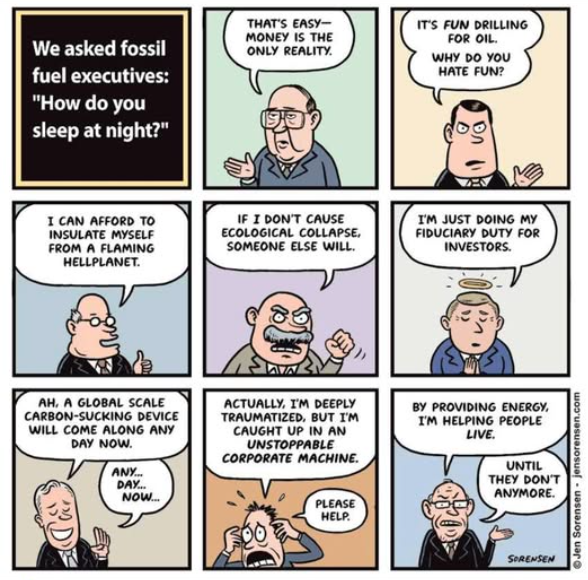
 I’m sure some of these excuses are extremely common in the minds of those making huge profits by destroying our planet.



-
Climate Change1 year ago
Guest post: Why China is still building new coal – and when it might stop
-
Greenhouse Gases1 year ago
Guest post: Why China is still building new coal – and when it might stop
-

 Greenhouse Gases2 years ago
嘉宾来稿:满足中国增长的用电需求 光伏加储能“比新建煤电更实惠”
-

 Climate Change2 years ago
嘉宾来稿:满足中国增长的用电需求 光伏加储能“比新建煤电更实惠”
-
Climate Change2 years ago
Bill Discounting Climate Change in Florida’s Energy Policy Awaits DeSantis’ Approval
-

 Renewable Energy10 months ago
Sending Progressive Philanthropist George Soros to Prison?
-
Greenhouse Gases1 year ago
嘉宾来稿:探究火山喷发如何影响气候预测
-

 Carbon Footprint2 years ago
US SEC’s Climate Disclosure Rules Spur Renewed Interest in Carbon Credits