


Introduction Singapore, A Role model for Multi-Modal Integration
Sustainable City Singapore is often regarded as a role model for multi-modal integration due to its efficient and well-planned transportation system.
The city-state has successfully integrated various modes of transportation, including public transport, cycling infrastructure, walking paths, and car-sharing services.
Here are some key aspects that make Singapore a role model for multi-modal integration:
1. Comprehensive Public Transport Network:
Singapore’s public transport system is highly extensive and well-connected. It consists of buses, trains, and taxis that cover the entire island, providing convenient and reliable transportation options for residents and visitors alike. The Mass Rapid Transit (MRT) system, in particular, is known for its efficiency, accessibility, and extensive coverage.
2. Intermodal Connectivity:
Singapore emphasizes seamless connectivity between different modes of transport. Integration points, such as MRT stations and bus interchanges, are strategically located to facilitate easy transfers between modes. This allows commuters to switch between buses, trains, and other forms of transportation without hassle.
3. Integrated Fare System:
Singapore has a unified fare system called the “EZ-Link card,” which can be used across various modes of transport, including buses, trains, and even taxis. This makes it convenient for commuters to pay for their journeys and encourages the use of multiple modes of transport within a single trip.
4. Pedestrian-Friendly Infrastructure:
Singapore places a strong emphasis on creating pedestrian-friendly infrastructure. Wide footpaths, covered walkways, and underground links are designed to ensure safe and comfortable walking experiences. The city also promotes walking as a mode of transport through initiatives like the Park Connector Network, which offers scenic walking paths throughout the island.
5. Cycling Infrastructure:
Singapore has been actively developing cycling infrastructure to encourage sustainable and healthy transportation options. The city has implemented a network of cycling paths, known as the Park Connector Network, which connects parks, residential areas, and other key destinations. Additionally, the introduction of bike-sharing schemes has further promoted cycling as a viable mode of transport.
6. Intelligent Transport Systems (ITS):
Singapore leverages advanced technologies to optimize traffic flow and enhance transportation efficiency. Intelligent transport systems, such as traffic monitoring, smart traffic lights, and real-time information systems, are used to manage traffic congestion and provide accurate travel information to commuters.
7. Car-Lite Initiatives:
Singapore actively promotes car-lite initiatives to reduce reliance on private vehicles. These initiatives include high taxes on car ownership, congestion pricing, and efficient car-sharing services. By discouraging car usage and promoting alternative modes of transport, Singapore aims to alleviate traffic congestion and reduce carbon emissions.
Singapore’s success in multi-modal integration can be attributed to careful urban planning, investments in infrastructure, adoption of innovative technologies, and strong government support. The city-state’s approach serves as a role model for other urban centers seeking to develop sustainable and efficient transportation systems.
Conclusion Singapore, A Role model for Multi-Modal Integration
Singapore stands as a remarkable role model for multi-modal integration.
Through its comprehensive public transport network, intermodal connectivity, integrated fare system, pedestrian-friendly infrastructure, cycling infrastructure, intelligent transport systems, and car-lite initiatives, Singapore has created a well-planned and efficient transportation system that seamlessly integrates various modes of transport.
The city-state’s success can be attributed to its careful urban planning, investments in infrastructure, adoption of innovative technologies, and strong government support. As urban centers around the world strive to develop sustainable and efficient transportation systems, Singapore’s approach serves as an exemplary model for achieving multi-modal integration, prioritizing the needs of commuters, and reducing environmental impact.
https://www.exaputra.com/2023/06/singapore-role-model-for-multi-modal.html


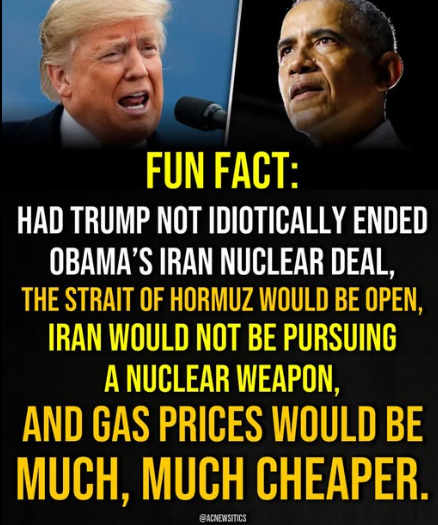 At left we see the cause of Trump’s imminent demise.
We’re OK on the lies and crimes, but we’re not OK on high prices, and though we’re dumb, we’re not dumb enough to believe that prices were higher under Biden.
Btw, people commonly refer to this as “Obama’s deal,” but several other countries were party to it.
 It’s a tragedy that this didn’t happen in 2015 when Trump entered the political scene.
 This is exactly correct. As the CEO of one of the major television networks said back in 2015, “Trump is terrible for the nation, but he’s great for us.”
I guess the takeaway is simply this: We’ll do anything for money.



-

 Greenhouse Gases2 years ago
嘉宾来稿:满足中国增长的用电需求 光伏加储能“比新建煤电更实惠”
-
Climate Change1 year ago
Guest post: Why China is still building new coal – and when it might stop
-
Greenhouse Gases1 year ago
Guest post: Why China is still building new coal – and when it might stop
-

 Climate Change2 years ago
嘉宾来稿:满足中国增长的用电需求 光伏加储能“比新建煤电更实惠”
-

 Renewable Energy11 months ago
Sending Progressive Philanthropist George Soros to Prison?
-
Climate Change2 years ago
Bill Discounting Climate Change in Florida’s Energy Policy Awaits DeSantis’ Approval
-
Greenhouse Gases1 year ago
嘉宾来稿:探究火山喷发如何影响气候预测
-

 Carbon Footprint2 years ago
US SEC’s Climate Disclosure Rules Spur Renewed Interest in Carbon Credits