


Sustainable Transportation
Introduction Singapore’s Sustainable Transportation
Singapore, the dynamic city-state in Southeast Asia, is renowned for its innovative approach to sustainable transportation.
With limited land space and a commitment to environmental preservation, Singapore has become a global leader in urban mobility.
Through a combination of efficient public transit, intelligent transport systems, car-lite initiatives, and forward-thinking policies, Singapore showcases how sustainable transportation can shape the future of urban living.
Singapore’s Sustainable Transportation
1. Efficient Public Transit:
Singapore’s public transit system, operated by the Land Transport Authority (LTA), is a pillar of sustainable transportation in the city. The Mass Rapid Transit (MRT) system, comprising an extensive network of trains, connects all major areas of Singapore. Complemented by an efficient bus network, public transit offers a reliable and convenient mode of transportation, reducing the reliance on private cars and alleviating traffic congestion. Integrated fare systems and seamless transfers make public transit an attractive choice for residents and visitors.
2. Smart Mobility Solutions:
Singapore’s smart mobility initiatives leverage technology to optimize transportation efficiency. Intelligent transport systems, such as real-time traffic management and predictive analytics, help manage traffic flow and reduce congestion. Smart traffic lights, equipped with sensors and adaptive algorithms, improve traffic efficiency and reduce idling time. Singapore’s smart transportation apps and platforms provide real-time transit information, journey planning tools, and multi-modal options, empowering users to make informed and sustainable travel choices.
3. Car-Lite Initiatives:
Singapore is actively promoting a car-lite culture to reduce congestion and improve air quality. The city implements measures such as congestion pricing, high vehicle taxes, and restricted vehicle ownership to discourage private car usage. Car-sharing programs, coupled with a robust network of taxi and ride-hailing services, provide flexible alternatives to car ownership. By prioritizing walking, cycling, and public transit, Singapore creates a sustainable transportation ecosystem that promotes active mobility and reduces emissions.
4. Cycling Infrastructure and Active Mobility:
Singapore is rapidly expanding its cycling infrastructure to encourage active mobility. The city has developed an extensive network of cycling paths, park connectors, and dedicated cycling lanes, providing safe and convenient routes for cyclists. The introduction of shared bicycles and e-scooters complements the cycling infrastructure, offering last-mile connectivity options. Singapore’s efforts to promote active mobility contribute to reducing traffic congestion, enhancing public health, and fostering a greener urban environment.
5. Sustainable Transport Policies:
Singapore’s sustainable transportation success is reinforced by its forward-thinking policies. The city prioritizes environmental sustainability by adopting stringent vehicle emission standards and promoting electric and hybrid vehicles (EVs). Incentives such as tax breaks, grants, and charging infrastructure development encourage the adoption of EVs. Singapore’s commitment to sustainable transport policies creates a cleaner and greener urban environment.

Car-Lite Initiatives in Singapore
Singapore had been actively implementing “Car-Lite” initiatives to promote sustainable and efficient transportation options.
These initiatives were part of the city-state’s efforts to reduce traffic congestion, lower emissions, and create a more livable urban environment. Some of the key Car-Lite initiatives in Singapore included:
1. Public Transport Enhancement: Singapore has a comprehensive and efficient public transportation system, consisting of buses and trains operated by the Land Transport Authority (LTA). The government continues to invest in expanding and improving public transport networks to encourage more people to use public transit.
2. Cycling Infrastructure: The LTA has been working on building an extensive network of cycling paths and lanes across the island to support active mobility. These dedicated lanes make it safer and more convenient for cyclists to travel within the city.
3. Pedestrian-Friendly Zones: The city has been transforming certain areas into pedestrian-friendly zones, known as “pedestrian malls” or “pedestrian precincts.” These areas prioritize walking and have limited or restricted vehicular access, making them more pleasant for pedestrians.
4. Car-Sharing and Ride-Hailing Services: Singapore has welcomed car-sharing and ride-hailing platforms, allowing residents to access transportation without owning a private vehicle. These services offer a convenient and cost-effective alternative to traditional car ownership.
5. Electronic Road Pricing (ERP): Singapore uses the ERP system to manage and control traffic congestion. It involves electronic tolls that vary based on the level of congestion, time of day, and location. This system helps to discourage driving during peak hours and encourages the use of public transport.
6. Park and Ride Scheme: The government encourages the use of public transport by providing park and ride facilities at various transit hubs. Commuters can park their cars near MRT (Mass Rapid Transit) stations and bus interchanges and continue their journey via public transport.
7. Car-Free Sundays: In an effort to promote sustainable transport and community bonding, certain areas in Singapore periodically host Car-Free Sundays. On these designated days, roads are closed to vehicular traffic, and people are encouraged to walk, cycle, and use public transport instead.
8. Green Transport Fund: The government has introduced various incentives and grants under the Green Transport Fund to support the adoption of electric vehicles (EVs) and other environmentally friendly modes of transport.
Conclusion Singapore’s Sustainable Transportation
Singapore’s dedication to sustainable transportation showcases its vision for a smart, efficient, and eco-friendly city.
Through its efficient public transit, smart mobility solutions, car-lite initiatives, cycling infrastructure, and sustainable transport policies, Singapore has transformed urban mobility and set a global benchmark.
The cities worldwide strive to address the challenges of urbanization, congestion, and climate change, Singapore’s success story serves as an inspiration and a testament to the transformative power of sustainable transportation in shaping a livable and sustainable urban future.
https://www.exaputra.com/2023/07/singapores-sustainable-transportation.html


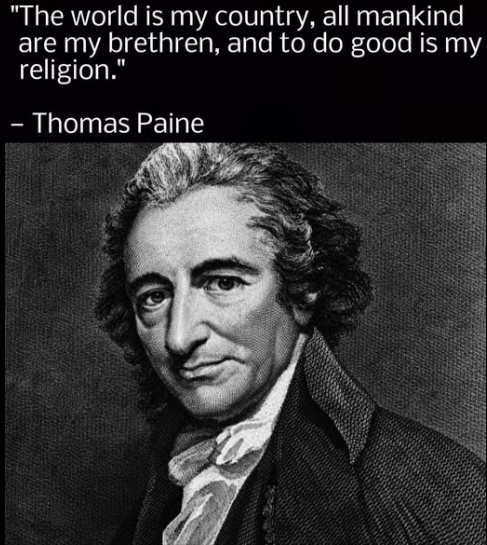 Sure, there have been many other people who have lived according to the beliefs expressed here by philosopher and American revolutionary Thomas Paine, but their numbers don’t begin to compare with those who think of themselves as patriots of the country of their birth and adherents to the religion they were assigned by their parents.
What a terrible shame. It’s easy to imagine a world of peace and harmony, but it sure seems an incredible challenge to get there. This is especially true today, on a planet that is increasingly led by fascist dictators, and a population where ignorance, nationalism, and hate is heating up by the day.
Weather Guard Lightning Tech

China Barred Vestas Software, Ørsted Buys Chinese Monopiles
Vestas CEO Henrik Andersen says China barred Vestas from monitoring its own turbines. Plus Ørsted takes heat for Chinese monopiles, India’s blade design gap, and tents that beat weather delays.
The Uptime Wind Energy Podcast is brought to you by Weather Guard Lightning Tech, creators of the StrikeTape Ultra LPS retrofit. Subscribe to Uptime’s Substack newsletter. And check out Rosemary’s “Engineering with Rosie” Youtube channel. Have a question we can answer on the show? Email us!
 Virtually all top-ranking retired military brass view Trump as shown at left. On top of that, Hegseth has publicly fired all current generals and admirals who are not loyal to Trump, as the entire world watched the purge.
Doesn’t this affect the way the psychopath’s command of our nation is ultimately determined?



-
Climate Change1 year ago
Guest post: Why China is still building new coal – and when it might stop
-

 Greenhouse Gases2 years ago
嘉宾来稿:满足中国增长的用电需求 光伏加储能“比新建煤电更实惠”
-
Greenhouse Gases1 year ago
Guest post: Why China is still building new coal – and when it might stop
-

 Climate Change2 years ago
嘉宾来稿:满足中国增长的用电需求 光伏加储能“比新建煤电更实惠”
-

 Renewable Energy12 months ago
Sending Progressive Philanthropist George Soros to Prison?
-
Climate Change2 years ago
Bill Discounting Climate Change in Florida’s Energy Policy Awaits DeSantis’ Approval
-
Greenhouse Gases1 year ago
嘉宾来稿:探究火山喷发如何影响气候预测
-

 Climate Change2 years ago
Analysis: China’s CO2 falls 1% in Q2 2024 in first quarterly drop since Covid-19