


Introduction Policy Frameworks for Promoting Sustainable Energy Adoption
Promoting sustainable energy adoption and investment is crucial for achieving a transition to a low-carbon and sustainable future.
Policy frameworks play a central role in creating an enabling environment that encourages the uptake of sustainable energy technologies and attracts investments.
This article explores key policy measures and frameworks that governments can implement to promote the adoption of sustainable energy and stimulate investment in the sector.
Outlook Policy Frameworks for Promoting Sustainable Energy Adoption
1. Renewable Energy Targets and Mandates:
Setting renewable energy targets and mandates is an effective policy tool for driving the adoption of sustainable energy. Governments can establish ambitious and legally binding targets that specify the share of renewable energy in the overall energy mix. These targets provide a clear signal to investors, developers, and technology manufacturers, fostering confidence and driving investments in renewable energy projects. By implementing robust regulatory frameworks, governments can create a stable and predictable market that encourages long-term investments in sustainable energy.
2. Feed-in Tariffs and Power Purchase Agreements:
Feed-in tariffs (FiTs) and power purchase agreements (PPAs) are mechanisms that incentivize renewable energy producers by guaranteeing a fixed price for the electricity they generate. FiTs provide a premium rate for renewable energy fed into the grid, while PPAs establish long-term contracts between renewable energy producers and off-takers, such as utilities or corporations. These mechanisms mitigate the financial risks associated with renewable energy projects, attract private investment, and promote market growth. By offering attractive FiTs and facilitating PPAs, governments can accelerate the adoption of sustainable energy technologies.
3. Investment Incentives and Tax Benefits:
Governments can offer various financial incentives and tax benefits to promote sustainable energy investment. These may include grants, subsidies, tax credits, accelerated depreciation, and investment allowances. Financial incentives reduce the upfront costs of renewable energy projects and improve their financial viability, attracting both domestic and foreign investments. Governments can also establish green banks or funds that provide low-interest loans or equity investments in sustainable energy projects, further stimulating private sector involvement.
4. Net Metering and Energy Market Reforms:
Implementing net metering policies allows individuals, businesses, and communities to generate their own renewable energy and feed any excess electricity back into the grid. In return, they receive credits or compensation for the surplus energy supplied. Net metering encourages decentralized renewable energy generation, empowers consumers, and promotes self-sufficiency. Governments can also undertake energy market reforms that facilitate the integration of renewable energy sources into the existing grid infrastructure, promoting competition, grid flexibility, and a level playing field for sustainable energy technologies.
5. Research and Development Support:
Investing in research and development (R&D) is crucial for advancing sustainable energy technologies and driving innovation. Governments can allocate funding for R&D initiatives, collaborate with academic institutions and industry stakeholders, and establish innovation centers and incubators. By supporting R&D efforts, governments foster technological advancements, improve the performance and cost-effectiveness of sustainable energy solutions, and attract private investment in emerging technologies.
6. Energy Efficiency Standards and Building Codes:
Promoting energy efficiency is an integral part of sustainable energy policies. Governments can set energy efficiency standards for appliances, vehicles, and buildings, encouraging the adoption of energy-efficient technologies and practices. Similarly, implementing stringent building codes that prioritize energy efficiency helps reduce energy consumption and greenhouse gas emissions in the built environment. By mandating energy efficiency measures, governments create a market for sustainable energy solutions, driving demand and investment in energy-efficient technologies.
Conclusion Policy Frameworks for Promoting Sustainable Energy Adoption
Policy frameworks play a vital role in promoting the adoption of sustainable energy and attracting investments in the sector. By setting renewable energy targets, implementing supportive regulatory mechanisms, offering financial incentives, and supporting
R&D efforts, governments can create an enabling environment for sustainable energy adoption and investment. These policy measures not only contribute to the transition towards a low-carbon economy but also foster economic growth,
https://www.exaputra.com/2023/07/policy-frameworks-for-promoting_5.html

 Sadly, a significant number of U.S. voters believe what House Speaker Mike Johnson says here, i.e., that “God isn’t finished with America yet,” and that “We need people (from the Republican party) of character and integrity,” as if there are any.
But what is that number, roughly?
After living through the first 18 month of Trump’s second term, with all the lies, the incompetence, and the corruption, this number has dwindled to a point that the Republicans are bracing themselves for the worst.
Republicans Manipulate American’s Ignorance — and it Doesn’t Take Too Much Skill
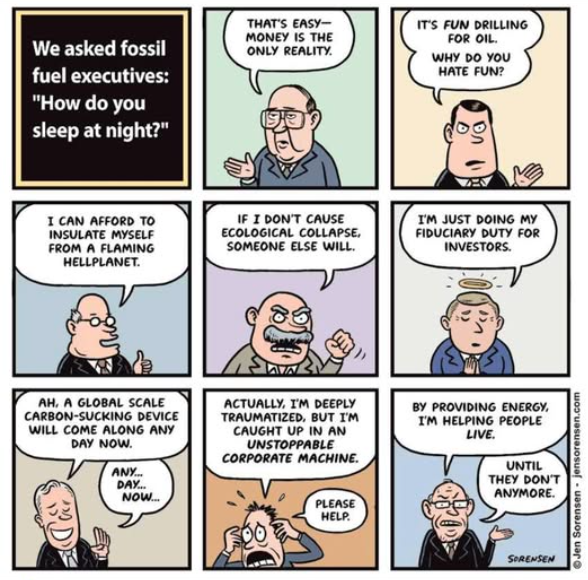
 I’m sure some of these excuses are extremely common in the minds of those making huge profits by destroying our planet.



-
Climate Change1 year ago
Guest post: Why China is still building new coal – and when it might stop
-
Greenhouse Gases1 year ago
Guest post: Why China is still building new coal – and when it might stop
-

 Greenhouse Gases2 years ago
嘉宾来稿:满足中国增长的用电需求 光伏加储能“比新建煤电更实惠”
-

 Climate Change2 years ago
嘉宾来稿:满足中国增长的用电需求 光伏加储能“比新建煤电更实惠”
-
Climate Change2 years ago
Bill Discounting Climate Change in Florida’s Energy Policy Awaits DeSantis’ Approval
-

 Renewable Energy10 months ago
Sending Progressive Philanthropist George Soros to Prison?
-
Greenhouse Gases1 year ago
嘉宾来稿:探究火山喷发如何影响气候预测
-

 Carbon Footprint2 years ago
US SEC’s Climate Disclosure Rules Spur Renewed Interest in Carbon Credits