

ORE Catapult Showcases UK Wind Innovation
Emily Rees and Magnus Willett from ORE Catapult discuss the upcoming UK Offshore Wind Supply Chain Spotlight in Edinburgh. The event brings together innovative companies that are establishing the UK as a global leader in offshore wind energy, from small startups to major manufacturers.
Sign up now for Uptime Tech News, our weekly email update on all things wind technology. This episode is sponsored by Weather Guard Lightning Tech. Learn more about Weather Guard’s StrikeTape Wind Turbine LPS retrofit. Follow the show on Facebook, YouTube, Twitter, Linkedin and visit Weather Guard on the web. And subscribe to Rosemary Barnes’ YouTube channel here. Have a question we can answer on the show? Email us!
Emily and Magnus, welcome to the show. Hi, it’s great to be here. Thanks so much. Thanks so much for having us. You, you’re both preparing for the UK offshore wind supply chain Spotlight 2025, in which Joel and I are looking forward to attending up in Edinburgh on December 11th. Uh, and it’s an event that showcases where the UK stands in Global Offshore Wind Development.
Uh, but Emily, I, I know there’s some challenges in the UK at the moment and, uh, the UK is working through those. Want to talk to some of the. Those challenges and how the spotlight is gonna help work through those. Yeah, uh, of course. So, um, I think that, you know, we as the uk like have identified quite a while ago that offshore wind was a really massive opportunity for us.
You know, we’ve got a really amazing offshore wind resource, [00:01:00] um, and. So we really wanted to take advantage of it and, you know, push forward with a, with that industry. Um, the things that we’ve come up against is that, um, ability to then provide homegrown, um, supply chain, you know, actually have, uh, businesses in the uk being that, that main supply, um.
In the first port of call, you know, there was the, uh, a lot of the, um, sort of components that we, we sort of have to, to build the fixed bottom offshore wind was all coming from abroad, so it’s like, right, well, how do we reap the benefits internally of this really amazing industry that we can build? And so, um, having, uh, supply chain spotlight events where we can really shine a light on the different companies internally in the UK that are actually providing services and providing, um, the supply chain for offshore wind, um, is, is super critical.
And the, the catapult, um, the offshore renewable energy catapult, uh, where Magnus and I both from, um, is, you know, [00:02:00] really key into making that happen. I know when you look online at the re catapult and you see like the people that you partner with, the organizations, the, I mean OEMs, um, all of the innovative technical technology companies that are coming out there, it it, it’s, it’s so great to see.
Right. And then this is me sitting in my, my American chair a and I talked about this. We talked a little bit about it off air, about the fact that wind energy in general, when you’re, when you’re talking offshore wind, onshore wind, it is a huge. Industrial and economic opportunity for all the countries that are involved in it.
And simply because things like this don’t come along that often, right? Like you have the, you know, the automo, I look at it like that, like the automobile was a thing, right? Like, oh, we went from horses to this. This is a huge opportunity. It made a lot of people, a lot of money, put a lot of people to work.
Wind is the same thing in my perspective, and maybe not at that grand of scale, the automobile, of course, but. You are seeing with your organization, the involvement with people like we have the, the Siemens facility in [00:03:00]Hull, and I know you guys do a little bit of work with them, uh, bringing that manufacturing onshore into the uk.
But not only is it bringing manufacturing what you’re doing here with the UK offshore wind supply chain spotlight is taking. The small companies, the, the, the, the two person companies, the 10 person companies, the 50 person companies, and saying, Hey, we also have really smart people here that are doing really cool things in operations and maintenance or like, you know, helping with some cool innovation for, uh, construction or development.
So there’s a lot of things happening in the uk. I mean, one of the reasons why we’re talking to you guys right now is we want to, we wanna show the rest of the world that you guys are taking advantage of this opportunity and hopefully spur more people on to do the same thing. Absolutely. Right. I’m, I’m, I think the, the key thing for us is in the UK we’re now at a point where we’re trying to maximize the supply chain opportunity and, and, um.
The supply chain is a, is a big pyramid, right? You have, you do have your OEMs and your tier ones at the top, but that stretches all the way down into the university spin outs. And, [00:04:00] um, and the kind of the one two person bands and the, and Orca pull we’re, we’re here to support them as much as we are to support those larger organizations.
Um, and we’ve, we have to, you know. Uh, supported likes of GE and, and, and Siemens through our, our big testing facilities and blade test facilities, drive train facilities. But we’re also testing kind of two, three person, um, organizations. New, um, dynamic cabling solutions for floating wind, right? So we span across an entire, um.
An entire supply chain. And I suppose part of the Supply Chain Spotlight event that we run, um, every year is, is to, is to give all organizations an equal playing field, to present themselves, to project developers, to OEMs, to government, as to why their technology, why their business can solve some of the biggest challenges that offshore wind has in the uk.
But also globally, right? Um, this is a global [00:05:00] market and the, and the uk, um, is, is is a leader in the deployment and the operations in the maintenance phase. And we have a huge amount of knowledge and we wanted to share that, uh, globally as as, as well as here in the uk. I know we have some questions and some topics we wanna get to, but I want to focus on that one point you said there, Magnus, of the the level playing field.
’cause when we were exploring this supply chain spotlight, one of the things that popped up to me was it doesn’t matter who you are, you get the same booth, whether you’re Siemens cesa, or you’re, you know, the two person band, same. Same, same style. Yeah. You, you get, everybody gets a level playing drill because everybody’s solution is needed.
I like that a lot. Yeah. It, it, it, it’s one of the core principles for us every year when we sit down with our, with our events team and our supply chain acceleration teams, it’s, you know, that’s a firing principle is to make sure that everyone gets a, a fair and equal opportunity to participate. And, and Magnus, the consequences of not having a supply chain in the UK are, are really severe when you look at it because of the.[00:06:00]
The amount of deployment the UK is talking about, the, the complexity of some of these projects, particularly floating offshore. There’s a lot of, uh, technology that needs to be developed and it needs to be developed very quickly, and especially on the servicing side, the o and m side. Uh, there’s a ton of knowledge sitting in the UK that can solve these problems, but it, it does feel a little odd.
I, I’d have to say, as a small business owner, I know how hard that is, is to take that first leap into. Showing a product, trying to get it introduced. If you come to the spotlight and in a couple of weeks in, in, it’s in December, so it’s not that far off. When you get to an event like this, this is the opportunity you need to get started or to expand, which makes I, I think, answers so many questions about how the UK is going to move forward in offshore wind.
We will work, um, through a number of different initiatives to understand, um, the challenges the industry is facing. [00:07:00] So we have a pretty good handle on, you know, what are, what are the challenges that they’re facing now, but also the challenges. What are the, what are the challenges they’re gonna face in five years time?
Right? Um, commercialization of technology does take a while. Um, and so we need to understand those challenges. And so Spotlight is, is is also part of that, right? It’s that knowledge sharing that, that exchange of information between, between the, the various different elements of the supply chain and the project developers to say, this is our challenges.
This is the solution we have and try and do and try and bring them together under one roof, um, and, and showcase their technology. And it’s important we get it right. You know, we, we, we, we have a, uh, an an, an ongoing energy transition. There’s an economic opportunity there. We have to try and maximize that, um, and provide as much opportunity for job creation, for IP creation.
Economic development and, and, and, and, and everything and, and far and few in between. So it’s super important we get that right. And part of that is just, [00:08:00] just you shine a, shine a light on these companies. A lot of things are happening in the UK at the moment, particularly offshore wind. But there’s been several wins and, and particularly into the way that the, uh, systems, I’ll call an overall systems of offshore wind are established from, uh, geez OCS to CFD to re catapult to all the s subject matter experts that are, that are there.
I wanna talk to that a little bit about, because I think a, a lot of other countries don’t realize necessarily the strength that is already in the United Kingdom. I think that the, the key thing here is that the sort of mentioned earlier that the, the, the UK has, um, been very, um, on board or at least signed up very early to this opportunity that we had to take advantage of a resource that would give us energy security in a, um, in a renew.
Right. So offshore wind being that opportunity. [00:09:00] So what that meant though is that, um, a long time ago, I mean, it was 20 years ago that the, the, the rocks that you mentioned, the renewable obligation certificates were the first piece that was put in there to try and incentivize companies to. Um, purchase their electricity from renewable sources.
So it’s like, right, okay, we know that we want to be starting this opportunity. Let’s, let’s, uh, put in a mechanism that’s, um, and, and incentivize that happening. But that what then evolved from that was then, um, we realized that, okay, we need to do more to really incentivize this happening. We need to put in some, um, some proper incentives to, to get developers to be really sure that they’re gonna be able to make money.
Out of these quite at the time, you know, quite high, uh, high risk on big developments. Um, and that was when we had feed in tariffs or fits. Um, and then we moved into A-A-C-F-D, which is a contract for difference scheme, which essentially means that the government [00:10:00] guarantees that, that a company that’s created, that’s generating, um, renewables will get a price for their.
For their electricity. But the great thing about contract, the difference and why they’re better, well, or they’re a different mechanism, let’s say, to just standard, you know, guaranteed price, which is what a feed in tariff is, is that if a company actually makes more money, if they’re, they can sell that electricity for higher, then the strike price that was agreed with the government for the contract for difference, they actually have to pay that back.
So it’s almost like a, um, it’s a, it’s a. It’s much less of a, um, uh, a penalty, I suppose, just for the gov, you know, just for the, uh, an administration kind of trying to provide a, a, a revenue support. There also potentially is benefits if say there’s a, like, so for example, um, when we had incredibly high gas prices in the UK and all of the renewable energy, um, generators were actually making more money than they were anticipating, um, over 600 million.
Pounds was put into the u [00:11:00] was brought, put back into the UK like, uh, system. So, yeah. Anyway, the, the contracts for difference has been, has been really beneficial in that front. But actually what it’s been done is it’s meant that we’ve driven competition to, uh, to ’cause developers actually really want to get involved.
It also provides much better assurance for these big projects, which then incentivizes better margins for the developers. So make bigger turbines. Get your, you know, smarter financing, like put in place, um, operations that bring down your cost and then you can make more money and, you know, off you go. Um, and it’s really been a massive success story in bringing down the cost of offshore wind and therefore making it a actually realistic and viable.
Uh. Energy, uh, and electricity, uh, generator in comparison to our, our, you know, gas, um, generating, uh, plants and things. Why do you think that other Northern European countries haven’t followed suit in the same scheme? In, in those countries there’s quite a lot [00:12:00] more, uh, sort of government mandating of like, this is the way that we are going forward.
And there’s much more of a support on that front. I suppose Norway’s quite a good example of a, of a, a country where you’ve got a lot of. There’s a much higher, uh, support that’s provided from that, um, from that governmental sort of standpoint and let, it’s like, it’s like what the UK is also trying to do is it’s trying to generate competition, whereas it’s not necessarily, so I don’t get the impression that from those, the other European countries that maybe are not implementing CFDs is that they’re not necessarily so worried about the competition to drive down the cost.
Whereas the UK has been very much, that’s been a real. Um, motivator for implementing the revenue support systems that we have, but they absolutely have revenue support mechanisms to make offshore wind and wind energy, you know. Work for them. It makes absolute sense because it fits with the strategy that we’re talking about here, right?
[00:13:00] Like it’s, it’s, it’s, the idea is bring innovation, bring new strategy, bring competition, uh, embolden the, the country to come up with new solutions for manufacturing, for operations and maintenance, for all these different things. And that’s what you guys at the Ora Catapult are there to do. That’s your remit.
We’re here to bolster this supply chain, to make these things happen. I mean, we, we, we have gone through challenges, um, in terms of, um, the CFD, you know, particularly with the inflation re increases over the past few years. But the government has listened. Um, and then they, uh, and have made some changes. And, and that includes what’s called the clean in clean industry bonus, which is, is gonna help, um.
Uh, provide some funding into, um, uh, or encourage, uh, developers to support local, homegrown, um, supply chains, which are low carbon. Um, so really investing in sustainable su supply chains for the industry. Um, so I think, yeah, we’ve, we’ve, we’ve absolutely had our [00:14:00] challenges with the, with the CFD, but we’ve got a government who seem to, to be willing to listen to the industry and, and find that compromise between what’s right for the, the UK taxpayer.
Um, um, and then also what’s right for, for building industry. Um, and that’s, you know, we have a number of different mechanisms at re catapult to, to support the supply chain, but also to support the project developer and, and, and the OEM to help grow that sort of, uh, sustainable clean energy supply chains that can do things like, um, and she should do a lot of the manufacturing, um, uh, for floating wind.
Um. Foundations and, and, and the assembly of, of, of turbines and everything. So it’s, you know, it, we, we’ve had our challenges as well and we’re listening and we’re adapting with to, to an evolving market. I think. So what are those areas that are the focus for ORE Catapult to push forward offshore wind?
What technology areas are you focused on right now? We look across the whole, uh, life cycle of, um, [00:15:00] of, of the, of the project development, uh, of our offshore wind farm. Um, a big challenge in the UK at the moment is that it, it typically takes about 14 years for. For a project to go from sort of initial leasing all the way through to kind of FID construction and, and actually, um, generating power.
So, so that’s a, that’s a, a huge amount of time. So we, one of our kind of focus areas is around project pipeline or we, we call PO Project Pipeline, which is, um, environmental, uh, so data collection and trying to fast track that consenting. Process not to, to, to, uh, remove away from environmental protections which are in place, but to try and use new technologies, which can better inform our decision making in the consenting process.
Um, so that’s one, um, that, that, that we focus in on. We focus in on supporting the next generation of turbines. Um, so. Uh, when I first started in the industry, uh, six, six years ago, uh, uh, or, [00:16:00] or castle, sorry, six years ago, you know, it was, it was a novel to have a sort of a, a 10 megawatt, uh, uh, turbine, right?
Or, uh, and, and, and I think 12 megawatt was sort of the standard. And now you, you’re hearing 22 megawatt kind of, uh, uh, commonly referred to 20 megawatt, uh, turbines. Um, and even, and even bigger, right? So. That’s a huge challenge and that’s a huge area of supply chain development that can, that can come with that.
Not just the big fancy blades and, and, and, and, and towers and the cells, but the, the ancillary technologies which go around that, um, floating wind absolutely has to be, is, is, is a key, key area for us as, as well. And that’s sort of how do you integrate new, new turbine solutions with new. New platforms and what are the challenges there?
Um, but a big, big focus, um, in the UK and, and a big sort of strength that the UK is in that operations and maintenance space utilizing the data that we’re generating. And, and, and that’s something that, you [00:17:00] know, in the uk if you look at our supply chain, that’s a huge part of our USP. That’s the part that we can export.
That’s the part that we have a knowledge to share with, with the rest of, um, rest of the world. Going back to the UK offshore wind supply chain Spotlight 25. So that’s gonna be in the beginning of December this year in Edinburgh. How many companies are gonna be there from the uk? Off the top of my head, I don’t quite know.
And it’s usually, uh, somewhere between about, um, 80 company, 80 to a hundred companies exhibiting. Um, so those are companies who we have supported through one of our support mechanisms. Oh, man. I mean, Alan, think about that. Here in the United States, if we were to put this event on tomorrow. How many companies would you have show up that are innovative, that are doing some technology, that are doing something to support the supply chain?
I mean, of course, besides, like, we have a lot of ISPs and people out here doing the, the boots on the ground work. But I mean, I, I think you can count ’em on your hands, your fingers and toes. I think we’ve got 80 or a hundred that we can even put in an event. Yeah. Well, I’ll tell you honestly, one of the things that I [00:18:00] have, I found quite, um.
Inspiring. Right. When I, when I came into the, the Wind industries, I was like, I’m, I’m a relative newbie, right. You know, Magnus has been with the Catapult for six years. I’ve only been with the Catapult for a year. Um, and so it, my, I’m, I’m quite fresh faced, you know, I, I get quite excited about various, you know, opportunities in the wind space, but I was super inspired to see how many companies are pivoting from using expertise from that they’ve used in other offshore industries.
Right. And they are bringing it to. To offshore wind and the applicability of it, because it feels like one of the big issues I had coming away from oil and gas and coming into offshore wind is I felt like when I was in my oil and gas services company, we didn’t talk about the things that we could provide at the offshore wind industry from a services point of view.
And I honestly was absolutely like when I arrived and was like, hang on a second, there’s so many places that you can apply that expertise and that knowledge. [00:19:00] So many, and that is why the UK is doing really well, right? And it’s one of the really inspiring things that we are doing is we are going, Hey, you’ve got all of this experience and knowledge for operating for offshore in the North Sea.
How about, how about just, you know, you can use it for, for offshore wind and we can benefit that industry from it. That’s not, that’s not just the uk. The US has that too. It’s not just oil and gas, right? It’s automotive. It’s aerospace. Like it, there is, there’s a lot of expertise across the UK and the number of companies that we see, so.
Their, the light bulb moment that their technology could apply to offshore wind. And they ha you have a conversation with them and they go, oh, that’s great. We could provide that. And it’s, and it opens up a new door to them. Um, and that, that’s really, um, I suppose if I could put a core, core part of what we do, it’s, it’s, it’s providing that expertise.
It’s, it’s, it’s, it’s providing the, the knowledge and the knowhow about the [00:20:00] industry to these companies. And, um, yeah, spotlight is part of giving them that. That and that opportunity to scream about what they can do. There are so many great companies in the UK and I think they miss the opportunity to be in renewables that the expertise like Megan’s, like you were talking about, they have expertise.
They’re extremely bright engineers and scientists and technology people, and even on the accounting side and the project management, there are so many experts in that field that are sitting in the UK that never thought about. If I can get an offshore wind that expands my business, I grow into this new marketplace, it gives me a little more of economic security.
That’s huge. And now is the time to get into a, a spotlight or to just even to wander the floor to see what it’s about. And I think this is an easy opportunity because to go to the spotlight 2025, it’s relatively inexpensive. You’re gonna Edinburgh, it’s not hard to get to. It is a massive opportunity to [00:21:00] look around and just kind of feel out what is there for you.
Absolutely right. So it’s, it’s a very, very, uh, relatively low cost, um, uh, e event to attend. Um, the companies who are there, we, we support to be there. So, um, we provide them with the ex exhibition space. Um, and, and they, they, they get to showcase their technologies as, as, as well. And, um, learn. Learn from one another, right?
So they’re not just trying to speak to project developers and, and to, to government or, or, or even to us. They’re there to speak to one another and figure out how can we collaborate more together? We have complimentary technologies. Um, you know, how do we fit, how do we, how do we, how do we put that jigsaws together?
And that’s, that’s, that’s, that’s a real key, um, thing there as well. And, and that’s the thing is that when we talk to, uh, UK companies, we’ve had a number on the podcast that have tremendous products. Absolutely tremendous products. They don’t realize. Maybe next door, [00:22:00] just up the road as another company is doing a complimentary piece and connecting those together I think is key.
Even though the UK relatively is a small country, some, some in some ways is very kind of hard to get around and it’s hard to figure out where all these places are because a lot of these small, innovative companies are not necessarily, don’t have flashy names or great. Big websites or don’t spend a hundred thousand pounds on a booth somewhere, so it’s hard to find them.
But in, in these kind of events, these, these more dedicated, focused events on technology and growth, particularly in the uk and these spotlights are fantastic of connecting companies together. This is the, this is your opportunity because a lot of other conferences are so much more expensive. They’re further away.
They’re probably in Germany or in Denmark or in Spain. This is the one, this is the one to see what is really happening at the Ground Street level in the uk. And we need to get people to sign up because one of the things it’s gonna happen is [00:23:00] that you’re gonna run outta tickets for this, even though it’s in December.
It’s gonna get busy as soon as everybody realizes, like, yeah, I, I need to get over there. So this event is in Edinburg, it’s UK Offshore Wind Supply Chain Spotlight 2025. It’s in Edinburgh on December 11th at the Royal Highland Center. Which, from what I can tell, looks like a beautiful facility. Is there anything else I should know before I get ready to come to that event?
I mean, it’s right, be right beside the, the, the Edinburgh airport. So it’s super, super, super easy. Um, I think for me the, the, the kind of, the big plea would be from a, an international audience, from the audience, um, uh, is, uh, across, across the US is that there is innovative companie. In the uk who could maybe compliment your technology, right?
So we’ve talked about the, the uk, UK to UK company collaboration and, and action. There’s, this is a global challenge, right? There’s, this is a global market. Um, we need more collaboration between, between countries, more opportunities for [00:24:00] collaboration. So if, if you have, um. Uh, audience members who want to learn more about the UK and, and are developing a technology or they have a solution or a service and they’re thinking, you know, we could be doing this, but there’s a uk, there might be a UK company there, there, there probably, there probably isn’t.
There’ll probably be a spotlight as well. And Emily, you’re promising good weather in December in Edinburgh, right? Obviously there won’t be any rain. Nice and warm, sunny, balmy, almost. Yes. I think balmy is exactly the words that I would describe Edinburgh in December. It’s charming and wonderful, and you’ll get the proper Scottish, uh, gravitas that comes with the, the, the grayness and the rain.
I mean, it wouldn’t be right without that experience, so you, you need to google this event to sign up. That’s the easiest way I found it. It’d just go UK offshore wind supply chain spotlight 2025 and you’ll see it. You can click in and register. It’s inexpensive. It’s in December. You know you want to go, you wanna be in [00:25:00] Edburg in December.
It’s beautiful. So Emily and Magnus, thank you so much for being on the podcast. Love having you, and looking forward to the event. Thank you so much. It’s been a pleasure. Thank you very much.
https://weatherguardwind.com/ore-catapult-uk/

How DTU’s Rain Test Facility Predicts Erosion
Rosemary visits DTU Wind & Energy Systems in Denmark, where Nicolai Frost-Jensen Johansen explains rain erosion testing, tip speed, and LEP defects.
The Uptime Wind Energy Podcast is brought to you by Weather Guard Lightning Tech, creators of the StrikeTape Ultra LPS retrofit. Subscribe to Uptime’s Substack newsletter. And check out Rosemary’s “Engineering with Rosie” Youtube channel. Have a question we can answer on the show? Email us!
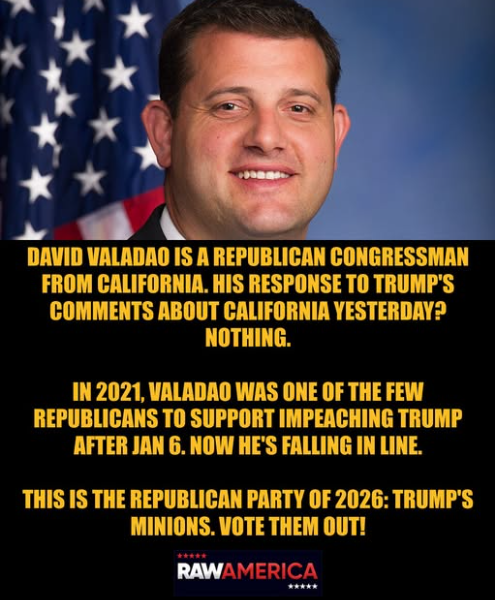 If it’s true that David Valadao is moving back in line with Trump (which seems exceptionally unlikely in California), this jackass is in the slim minority. Most congressional Republicans are trying to pretend they’ve never heard of Trump.
The representative’s district is in the rural farming region in Central California, but still, aligning oneself with Trump makes no more sense than cozying up to skin cancer.
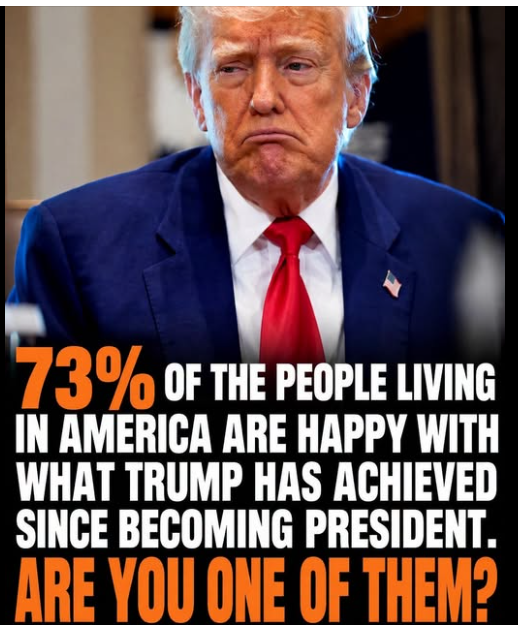 73%? Why not 95%? 125%?


-
Climate Change1 year ago
Guest post: Why China is still building new coal – and when it might stop
-

 Greenhouse Gases2 years ago
嘉宾来稿:满足中国增长的用电需求 光伏加储能“比新建煤电更实惠”
-
Greenhouse Gases1 year ago
Guest post: Why China is still building new coal – and when it might stop
-

 Climate Change2 years ago
嘉宾来稿:满足中国增长的用电需求 光伏加储能“比新建煤电更实惠”
-
