

Lena Luig is the head of the International Agricultural Policy Division at the Heinrich Böll Foundation, a member of the Global Alliance for the Future of Food. Anna Lappé is the Executive Director of the Global Alliance for the Future of Food.
As toxic clouds loom over Tehran and Beirut from the US and Israel’s bombardment of oil depots and civilian infrastructure in the region’s ongoing war, the world is once again witnessing the not-so-subtle connections between conflict, hunger, food insecurity and the vulnerability of global food systems dependent on fossil fuels, dominated by a few powerful countries and corporations.
The conflict in Iran is having a huge impact on the world’s fertilizer supply. The Strait of Hormuz is a critical trade route in the region for nearly half of the global supply of urea, the main synthetic fertilizer derived from natural gas through the conversion of ammonia.
With the Strait impacted by Iran’s blockades, prices of urea have shot up by 35% since the war started, just as planting season starts in many parts of the world, putting millions of farmers and consumers at risk of increasing production costs and food price spikes, resulting in food insecurity, particularly for low-income households. The World Food Programme has projected that an extra 45 million people would be pushed into acute hunger because of rises in food, oil and shipping costs, if the war continues until June.
Pesticides and synthetic fertilizer leave system fragile
On the face of it, this looks like a supply chain issue, but at the core of this crisis lies a truth about many of our food systems around the world: the instability and injustice in the very design of systems so reliant on these fossil fuel inputs for our food.
At the Global Alliance, a strategic alliance of philanthropic foundations working to transform food systems, we have been documenting the fossil fuel-food nexus, raising alarm about the fragility of a system propped up by fossil fuels, with 15% of annual fossil fuel use going into food systems, in part because of high-cost, fossil fuel-based inputs like pesticides and synthetic fertilizer. The Heinrich Böll Foundation has also been flagging this threat consistently, most recently in the Pesticide Atlas and Soil Atlas compendia.
We’ve seen this before: Russia’s invasion of Ukraine in 2022 sparked global disruptions in fertilizer supply and food price volatility. As the conflict worsened, fertilizer prices spiked – as much from input companies capitalizing on the crisis for speculation as from real cost increases from production and transport – triggering a food price crisis around the world.
-
‘Completely delusional’: UN climate chief warns against fossil fuel push after Iran crisis
As Gulf disruptions send oil and gas prices soaring, Simon Stiell urges leaders to double down on renewables and fight fossil fuel dependency -
Gulf oil and gas crisis sparks calls for renewables investment
Energy analysts and some politicians say the Iran war’s effect on oil and gas prices shows renewables are the path to energy security


Since then, fertilizer industry profit margins have continued to soar. In 2022, the largest nine fertilizer producers increased their profit margins by more than 35% compared to the year before—when fertilizer prices were already high. As Lena Bassermann and Dr. Gideon Tups underscore in the Heinrich Böll Foundation’s Soil Atlas, the global dependencies of nitrogen fertilizer impacted economies around the world, especially state budgets in already indebted and import-dependent economies, as well as farmers across Africa.
Learning lessons from the war in Ukraine, many countries invested heavily in renewable energy and/or increased domestic oil production as a way to decrease dependency on foreign fossil fuels. But few took the same approach to reimagining domestic food systems and their food sovereignty.
Agroecology as an alternative
There is another way. Governments can adopt policy frameworks to encourage reductions in synthetic fertilizer and pesticide use, especially in regions that currently massively overuse nitrogen fertilizer. At the African Union fertilizer and Soil Health Summit in 2024, African leaders at least agreed that organic fertilizers should be subsidized as well, not only mineral fertilizers, but we can go farther in actively promoting agricultural pathways that reduce fossil fuel dependency.
In 2024, the Global Alliance organized dozens of philanthropies to call for a tenfold increase in investments to help farmers transition from fossil fuel dependency towards agroecological approaches that prioritize livelihoods, health, climate, and biodiversity.
In our research, we detail the huge opportunity to repurpose harmful subsidies currently supporting inputs like synthetic fertilizer and pesticides towards locally-sourced bio-inputs and biofertilizer production. We know this works: There are powerful stories of hope and change from those who have made this transition, despite only receiving a fraction of the financing that industrial agriculture receives, with evidence of benefits from stable incomes and livelihoods to better health and climate outcomes.
New summit in Colombia seeks to revive stalled UN talks on fossil fuel transition
Inspiring examples abound: G-BIACK in Kenya is training farmers how to produce their own high-quality compost; start-ups like the Evola Company in Cambodia are producing both nutrient-rich organic fertilizer and protein-rich animal feed with black soldier fly farming; Sabon Sake in Ghana is enriching sugarcane bagasse – usually organic waste – with microbial agents and earthworms to turn it into a rich vermicompost.
These efforts, grounded in ecosystems and tapping nature for soil fertility and to manage pest pressures, are just some of the countless examples around the world, tapping the skill and knowledge of millions of farmers. On a national and global policy level, the Agroecology Coalition, with 480+ members, including governments, civil society organizations, academic institutions, and philanthropic foundations, is supporting a transition toward agroecology, working with natural systems to produce abundant food, boost biodiversity, and foster community well-being.
Fertilizer industry spins “clean” products
We must also inoculate ourselves from the fertilizer industry’s public relations spin, which includes promoting the promise that their products can be produced without heavy reliance on fossil fuels. Despite experts debunking the viability of what the industry has dubbed “green hydrogen” or “green or clean ammonia”, the sector still promotes this narrative, arguing that these are produced with resource-intensive renewable energy or Carbon Capture and Storage (CCS), a costly and unreliable technology for reducing emissions.
As we mourn this conflict’s senseless destruction and death, including hundreds of children, we also recognize that peace cannot mean a return to business-as-usual. We need to upend the systems that allow the richest and most powerful to have dominion over so much.
This includes fighting for a food system that is based on genuine sovereignty and justice, free from dependency on fossil fuels, one that honors natural systems and puts power into the hands of communities and food producers themselves.
The post Middle East war is another wake-up call for fossil fuel-reliant food systems appeared first on Climate Home News.
Middle East war is another wake-up call for fossil fuel-reliant food systems

Next week, diplomats from around the world will descend on Yerevan, Armenia, to negotiate a series of decisions under the UN Convention on Biological Diversity (CBD).
Between 19 and 30 October, 196 parties will gather to hammer out the precise wording of the dozens of legal texts that make up the decisions under the Conference of the Parties (COP) to the CBD.
This year’s summit is particularly significant, as it marks the halfway point between the agreement of the Kunming-Montreal Global Biodiversity Framework and the deadline for achieving its targets.
The CBD has found that countries are currently not on track to meet 22 out of the framework’s 23 targets.
During the fortnight, delegates will also be negotiating decisions relating to the two supplemental protocols to the CBD: the Cartagena Protocol, which covers biosafety; and the Nagoya Protocol, which covers access and benefit-sharing for the use of genetic resources.
(The Cartagena and Nagoya Protocols, which are each governed by a “meeting of the parties”, or “MOP”, have fewer parties than the CBD as a whole, with 173 and 141, respectively.)
Carbon Brief is tracking the progress of countries towards consensus on dozens of negotiating texts using the interactive table below.
The tracker includes texts from the COP, as well as the MOPs for the Cartagena and Nagoya protocols. It also includes draft decisions from the most recent subsidiary body meetings, as these form the starting point for the negotiations in Yerevan.
The CBD has three subsidiary bodies: the subsidiary body on scientific, technical and technological advice (SBSTTA), the subsidiary body on implementation (SBI) and the subsidiary body on article 8(j) and other provisions (SB8J).
SB8J focuses on issues related to the Indigenous peoples and local communities. It was established at COP16 in Cali, Colombia, in 2024.
The first two columns of the interactive tracker list the topic of each agenda item and the relevant body, with subsequent columns including dates, page counts and links to the original documents.
The table is searchable and can be sorted using the arrows in the header.
Areas of disagreement in UN draft texts are denoted by square brackets. Counting the brackets in a particular iteration of a text therefore gives a sense of how far parties are from reaching consensus.
The bracket column is colour-coded, with dark green indicating a low number of brackets and red indicating a high number of brackets remaining.
Texts can also present parties with choices using “options” or alternatives (“alt”), which are counted together in the sixth column of the table.
The key discussions in Yerevan will centre around two agenda items in particular. The first is the global review, which will assess progress towards the GBF and make recommendations for accelerating action.
The second is finance, which can be separated into two parts: resource mobilisation and the financial mechanism. On resource mobilisation, biodiverse global south countries are likely to push for an increased amount of international finance for conservation.
Disagreement over the creation of the financial mechanism led to the suspension of COP16 in Cali in October 2024, as parties failed to find agreement on the mobilisation of finance before the end of the summit.
Global south countries want the establishment of a separate financial mechanism under the control of the CBD; global north countries largely prefer to maintain the existing mechanism, which sits under the Global Environment Facility.
At the resumed session of COP16 in Rome in early 2025, countries agreed on a roadmap that would lead to the establishment of a permanent mechanism.
related
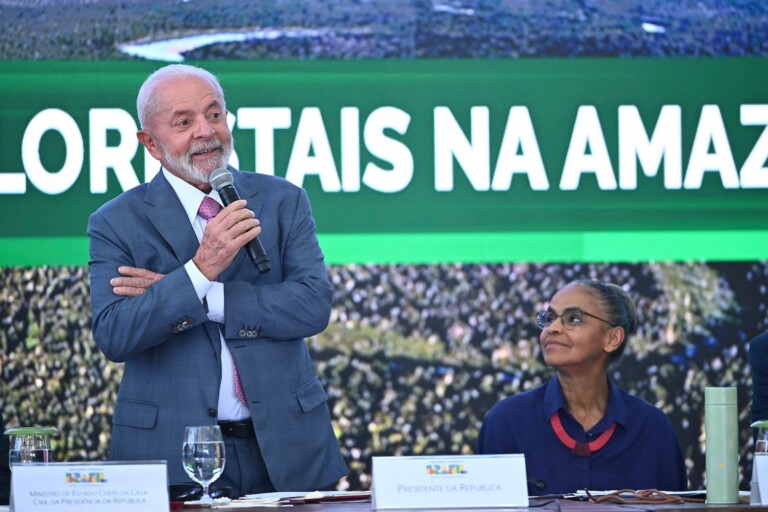
Analysis: Lula presidency saved at least 20,000km2 of Brazilian Amazon since 2022
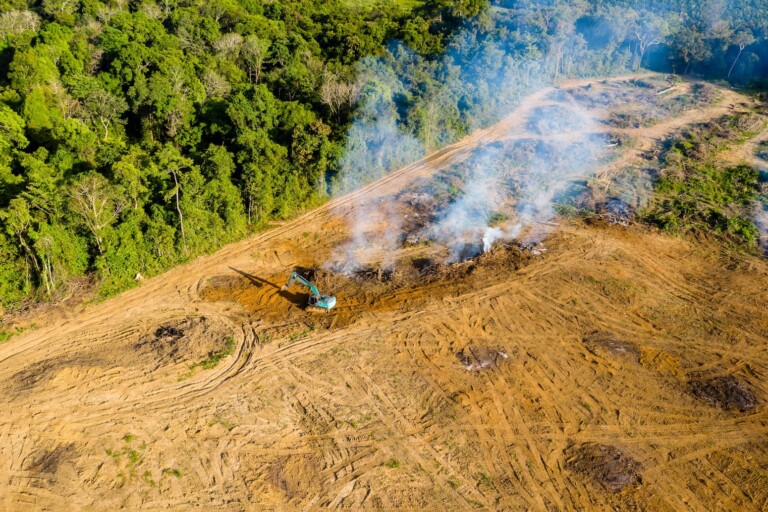
Why land-use emissions have fallen by a third this century – in six charts

Analysis: 84% of nations miss deadline to identify ‘nature-harming’ subsidies by 2025
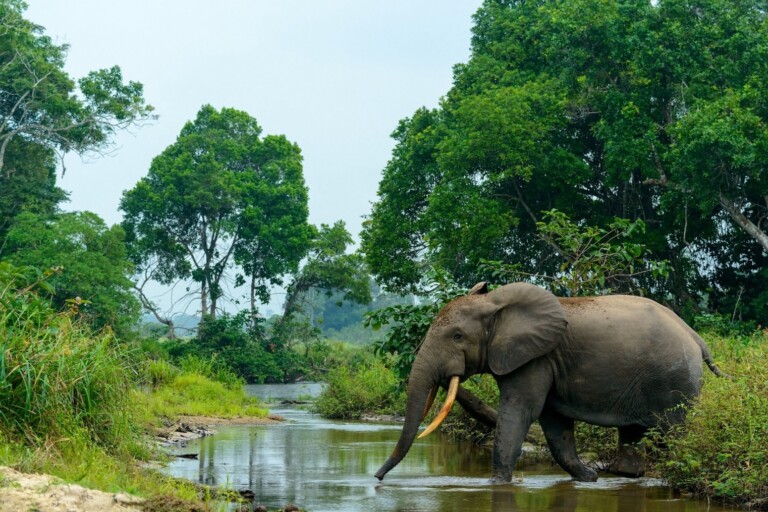
UK withdraws millions in funding from world’s second-largest rainforest in Congo
The post Interactive: Tracking negotiating texts at the COP17 biodiversity summit appeared first on Carbon Brief.
Interactive: Tracking negotiating texts at the COP17 biodiversity summit
A beacon of love
On an outer island of Fiji, two thousand nautical miles from Sydney, is a shining light of hope and resilience for our troubled world.
The island of Kioa is home to a Tuvaluan community who migrated from their atoll of Vaitupu in the late 1940s. It is a land of warm hearts, big smiles, and deep cultural roots; a place where the sound of a conch still summons the island together, where islanders paddle out to fish in carved outrigger canoes, and healthy happy children walk barefoot to school.
Here, culture is life. Kioans live sustainably through their traditional knowledge and practices. The island is alive with song, dance and the rhythms of a life tied to the tides, the winds, and the seasons.
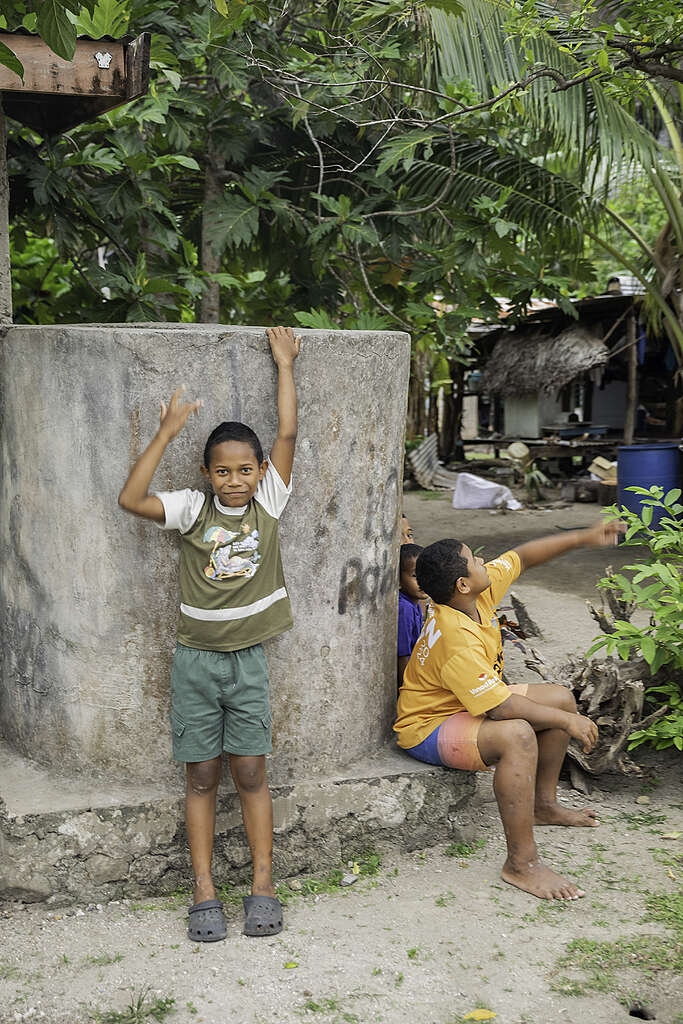
Facing the future
Greenpeace has been lucky to have a relationship with Kioa for a number of years now, and we are continually learning from this remarkable community.
Last week, as part of our Voyaging Oceania project, we returned to the island. Our purpose was twofold —- to carry messages from the island to leaders gathering in Nadi this week for the Pacific Pre-COP, and to support the Kioa community in their efforts to improve water security for the island.
Unlike Tuvalu itself, with its eight atolls, Kioa is a mountainous, forested and richly fertile island. It will remain habitable far into the future. Kioans did not initially migrate from Vaitupu due to climate change, but the move was prophetic. They now have a lifeboat.
However, even Kioa faces challenges on our rapidly warming planet, in particular when it comes to water. Climate change is shifting once reliable rainfall patterns. On top of this, the island is already feeling the effect of this year’s intensifying El Niño event, which for Fiji means reduced rainfall and prolonged dry spells.
Right now, fresh water has to be carefully rationed, and is only available for a few hours a day. During last week’s visit aboard our campaigning ship Oceania, Greenpeace was privileged to work with the Kioa community on a new solar-powered water distribution project for the island.
Designed and led by the island, the project involves using a solar pump to move water from a reliable source to a storage tank and then using gravity to distribute the water around the village.
It was a lesson in how local knowledge and ingenuity can be the backbone of today’s climate solutions. To build a dam around the source, the local community knew the exact spot where they could gather gravel at low tide to mix with the cement. They took only what was needed, knowing that all resources must be carefully conserved. Kioa has no roads and no machinery, and it was an all-of-island effort to carry the materials up to the project site, including many heavy bags of sand and rock.
Such projects truly bring to life the vision of a resilient, locally-led, fossil fuel free Pacific.