

PPL Corp. subsidiaries Louisville Gas and Electric Company (LG&E) and Kentucky Utilities Company (KU) have received regulatory approval to retire 600 MW of coal generation and more than 50 MW of peaking units by 2027 and to replace them with cleaner energy.
In its unanimous decision, the Kentucky Public Service Commission (KPSC) authorized LG&E and KU to add 240 MW of company-owned solar, secure power purchase agreements for nearly 650 MW of additional solar, construct 125 MW of battery storage, implement more than a dozen new energy efficiency programs, and build one approximately 640 MW combined-cycle natural gas plant at its Mill Creek facility.
“We appreciate the KPSC’s comprehensive review of our generation replacement plan,” says PPL President and Chief Executive Officer Vincent Sorgi. “While the KPSC did not approve our entire request, which we believe offered the best and least-cost approach for our customers, the decision will ensure we can continue to reliably meet our customers’ future energy needs, further diversify our Kentucky generation, advance a cleaner energy mix and support the state’s continued growth and economic development.”
PPL says the level of expected investment is materially consistent with the originally proposed generation replacement plan, which projected $2.1 billion of investment overall, including $1.6 billion through 2026.
The post Major Utilities’ Plans Include Large Complement of New Solar appeared first on Solar Industry.
Major Utilities’ Plans Include Large Complement of New Solar

 Maybe the protestors are less concerned about length of time in office, and more with criminal authoritarianism.
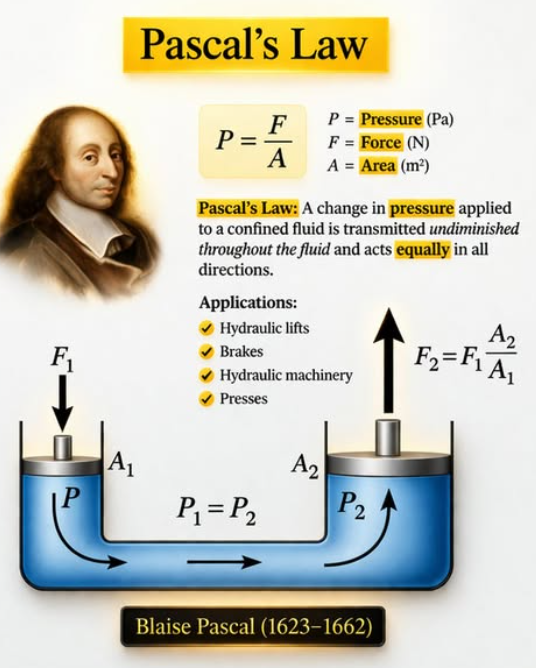 I have such respect for Pascal that I considered naming our son after him. (My wife wasn’t having it. Maybe if we lived in France?)
Pascal made important contributions to both math and physics but he’s perhaps best known for his philosophic “wager,” that it makes sense to believe in God, since if He exists, you’ll be very glad you did, and if He doesn’t, you haven’t lost anything. I counter that this is not how we accept or reject religious tenets.
 “Republican Patriots” writes: Howard Stern once again reveals the contempt so many in the entertainment elite hold for everyday Americans. He claims not to hate President Trump himself, but openly declares his hatred for those who support him, calling them stupid and saying he has no respect for them. This kind of arrogant dismissal shows how out of touch these Hollywood types have become with the hardworking people who built this country.
I’ve got news: contempt for Trump supporters is hardly limited to “these Hollywood types.” The vast majority of Americans–especially at this point–are neither greedy pigs nor hateful morons. We respect human rights and rule of law.



-
Greenhouse Gases8 months ago
Guest post: Why China is still building new coal – and when it might stop
-
Climate Change8 months ago
Guest post: Why China is still building new coal – and when it might stop
-

 Greenhouse Gases2 years ago
嘉宾来稿:满足中国增长的用电需求 光伏加储能“比新建煤电更实惠”
-
Climate Change2 years ago
Bill Discounting Climate Change in Florida’s Energy Policy Awaits DeSantis’ Approval
-

 Climate Change2 years ago
嘉宾来稿:满足中国增长的用电需求 光伏加储能“比新建煤电更实惠”
-
Climate Change Videos2 years ago
The toxic gas flares fuelling Nigeria’s climate change – BBC News
-

 Carbon Footprint2 years ago
US SEC’s Climate Disclosure Rules Spur Renewed Interest in Carbon Credits
-

 Renewable Energy5 months ago
Sending Progressive Philanthropist George Soros to Prison?