

Weather Guard Lightning Tech

Live From CanREA – Renewables Go Big In Canada At ETC23!
Last week, Allen and Joel attended Electricity Transformation Canada 2023 in chilly Calgary! Bundle up as the guys discuss the latest innovations in wind, solar, storage and transmission tech on the exhibit floor. They’ll also sit down with organizer Traci Huggans to understand how this major industry event comes together. Why were so few American firms attendance? With high, stable electricity prices and growing demand, they discuss why our northern neighbor presents an untapped business opportunity.
Book your booth for ETC 2024! https://electricitytransformation.ca/exhibit/
Sign up now for Uptime Tech News, our weekly email update on all things wind technology. This episode is sponsored by Weather Guard Lightning Tech. Learn more about Weather Guard’s StrikeTape Wind Turbine LPS retrofit. Follow the show on Facebook, YouTube, Twitter, Linkedin and visit Weather Guard on the web. And subscribe to Rosemary Barnes’ YouTube channel here. Have a question we can answer on the show? Email us!
Pardalote Consulting – https://www.pardaloteconsulting.com
Weather Guard Lightning Tech – www.weatherguardwind.com
Intelstor – https://www.intelstor.com
Allen Hall: I’m Allen Hall. Welcome back to the Uptime Wind Energy Podcast. Last week, Joel Saxum and I were at the CanREA, Canadian Renewable Energy Association’s Electricity Transformation 2023 event. And we had a couple of conversations on the floor with a number of companies, and you’ll hear those over the next couple of weeks.
This week, you hear Joel and I talk about what’s happening on the show floor and our impressions of everything that’s happening in Canada, even though it’s a small snapshot of all the exciting new things that are happening in Canada. And we also speak with Traci Huggans, who’s the manager of international events and membership marketing with RE+ who helped organize the ETC23 conference.
So this is a really good episode because we had not been to Canada before to see all the renewable energy projects that are happening and it was a good experience and we were hosted by, of course, AC883, who does wind turbine blade repair in Canada and also in the United States and does a lot of pitch alignment.
So if you’re interested in pitch alignment, you should probably give those guys a call at AC883. All right. Stay tuned. This is a really good episode. I hope you enjoy it.
Allen Hall: Joel and I are in Calgary, Alberta, in the middle of a snowstorm.
Joel Saxum: They said it was going to be beautiful when we got here.
Allen Hall: There is very little sunshine, and there’s definitely no beach.
Joel Saxum: Yeah, we were trying to think of alternative locations for the Canadian Renewable Association event in the end of October, and I don’t think there is any unless we start jumping to a different country.
Allen Hall: Yeah, we’ve got to get down to Toronto, someplace where it’s warm. But we’re at Electricity Transformation Canada 2023. So this is the big renewables conference for Canada. And we’ve been walking the floor the last couple of hours and noticing all the different kinds of businesses that are involved in renewable energy.
And solar is huge in Canada, clearly.
Joel Saxum: Yeah, big time. You’re seeing a lot of not a whole lot of brand new technology. A lot of companies that Are offering services or offering solutions but not like someone going, Hey, we’ve got this brand new fancy thing. Quite a bit of solar, quite a bit of solar.
So walking around, Allen and I did a lap here as we do at trade shows. And we saw quite a few solar racking companies, solar development companies some permitting companies as well. Which turns out to be a little bit of a different challenge once you’re here in Canada, as opposed to the U. S.
Allen Hall: Yeah the province to province issues.
It appears to be big.
Joel Saxum: Yeah, it’s something that we don’t think about in the U. S. as much because when you go state to state in the U. S., it’s more of a federal issue. Yeah. And the states don’t care as much. Of course, you have to get your permissions from everybody but here it seems like the inter province basically crossing, whether it’s transmission or oil and gas or anything, is a little bit, because the provinces have a little bit more of an independent government versus the states.
Allen Hall: They certainly do. When it comes to that. Yeah. It is. A little landed in Calgary. We got to the hotel and just checking the weather to see when it was going to snow. And then up pops a commercial from the Alberta province talking about how renewable energy is not going to work. And there’s a commercial when there’s a family coming home to this house that’s ice cold and all the pipes are burst.
The carpet’s wet, the ceiling’s all busted up because all the pipes are burst because renewable energy is not reliable. And the tagline is I think it was talk, talk to the feds or call the feds or dot C A. So they want you to talk to the federal government of Canada to push back on renewable requirements and some of the carbon taxing that’s going on in the country.
Which is a little odd because Alberta obviously is a big oil and gas area. Yeah, absolutely. But it’s also a big renewable area too.
Joel Saxum: Yeah, there was something that someone told me yesterday, 72 percent of new renewable generation installations last year were in Alberta. Who has the money to do it?
Yeah, exactly. Alberta does. Yeah. Look, of course, my past’s a bit of oil and gas. I’ve been to Calgary before, but never in renewables capacity. I’ve been to Fort Mac, done those kind of things. When you’re in the oil and gas world, those are your pilgrimages. You have to do Fort Mac if you’re in Canada.
But, you’ve, I’ve always watched. The differences in the provinces because they are so starkly different right in the US We know we have West Coast is different from the East Coast Midwest is different from the South and those kind of things Yes, but for the most part I guess besides California everybody plays pretty well together But in Canada when you’re in the center part of Canada, which is Saskatchewan, Alberta Western Ontario, Manitoba They’re very much different than the Toronto, Quebec, the French Canada part or BC And different to the point where they’ll do battle over things, right?
People in Alberta think that Trudeau and the government in Quebec are to get them. They think they’re, hey, this is how we live. We don’t want to be, we don’t want our things changed. You’re making rules over there that apply to us. And so it’s really odd that we would have Canadian Renewable Association, Electricity Transformation Canada here in Calgary.
And one of the jokes I’ve actually heard around here is that, yeah, it’s in Calgary because they can afford to do it here, you can’t afford and get some space in Toronto because nobody can pay for it. But yeah and as the name of the conference goes, it is electricity transformation Canada. So this isn’t a O and M show like ACP on M or Hamburg where it encompasses everything.
They’re very much a focus in the alleys and in the talking tracks about the electricity transformation. And that includes permitting. What kind of new generation are we looking at solar? Are we looking at when, what are the laws look like? What are the. What’s coming down the pipeline, the new Canadian ITC style credit that’s coming forth.
So that’s more of the focus here rather than you don’t see a massive, I’m standing here, I see Goldwind from here. There’s a Vestas booth. There’s not a ton of big OEMs here. GEs not here.
Allen Hall: GEs not here. Siemens Gamesa is not here.
Joel Saxum: Yeah. They got other things. They got a lot of the problems, yeah. They got other stuff too. But yeah, so you’re seeing a lot of, like I said, the permitting. companies. That makes sense. They should be here right now. The show is very much focused on what that transformation looks like and what their build out looks like.
Allen Hall: And With the, a number of solar companies that are here and they’re talking about installing solar and just quicker, more efficient ways to install solar.
That seems to be a big push in Canada. I would imagine that would make sense just because the harsh winters would be to the benefit of solar a little bit, right? Except for the snowfall. And it did look like The solar panels were pretty far off the ground compared to where they were in Texas.
Joel Saxum: Yeah, you look at different installation technologies because here’s a problem you have in Canada. And we’ve been talking about this even with some of the blade companies and other wind service companies here. We say, ah, we have this shoulder season in the States and that’s tough to deal with.
Their shoulder season is a lot steeper than ours because they can’t get on blades until mid May, maybe. And they’re off of them in mid October at the latest. So the winter creeps in quicker, but that also plays into when you’re talking new installations for solar. So if you’re not, we don’t talk about solar that much on the show, but if you’re not used to some of the technologies, there’s basically five phases.
There’s design, civil work, then there’s the pile driving, mechanical installation, and electrical. Those are the five phases of installing a utility scale solar system. The tough one up here, especially in the north, is the pile driving. Sure. Because you cannot drive piles if you have frost in the ground.
Oh, yeah. Because you could possibly drive them, however, when you do a pile drive, you also do a pull test on them, that’s what they call them. And you basically grab onto the thing and see if you can move it. If your pull test is done in, in Manitoba, in some organic type soil, when it’s frozen, yeah, it’s going to do great.
But then in a month, if you did that in March, in a month or two months, when it thaws out and that’s muddy. That, you might be able to move that pile all over the place. So you have to wait until the soil is stable in the springtime and all the frost is gone. So if there’s new technologies about what they can put in for foundations, that has to be very welcoming.
Allen Hall: That’s a, that does seem to be one of the emphases here, is the type of foundations you can put in, how are you going to manage all the electrical wiring. You saw a company that was talking about not burying the wiring, but to basically suspend it. It’s like a suspension bridge for the solar panel wiring, which is, I thought was unique.
Not sure what the elk and wildlife would do when they come across that.
Joel Saxum: As long as it doesn’t taste salty, I think.
Allen Hall: Yeah, maybe. Otherwise, we’ll have some cooked ones already. But solar seems to be a big driver right now. All the controllers for it, all the electronics behind it, that seems to be a big emphasis.
On the wind side, we saw a couple of… New companies, not brand new, but fairly new. Borealis is here in their new version with the fabric air. Yep. And they’re touting the inflatable sleeve that goes inside the leading edge and showing some new technology there. And Icetech was here with their, which is, Icetech makes ice detectors for wind turbines.
They’re in the right spot up here. Oh yeah, they’re totally in the right spot. And it’s been developed out of a local university. So the technology has been developed over a number of years, and it’s based on some really simple, fundamental process of way condensation accrues and how that works, but the devices it took them a long time to develop, obviously something as critical as that, it’s going to take a while to put together.
That’s a really cool technology. Threads here. Yep. Yep. On the drone side, they just got their Kevin O’Leary money. So Mr. Wonderful opened up his wallet and sent some money to North Dakota, which is pretty exciting, actually, because I’m sure that’s helped them on more than one level. Obviously, the money helps because that’s a money driven industry.
But just the name recognition and the amount of press that got out of that was substantial. After that Who else we’d, we’d run into.
Joel Saxum: And that, that’s one of the things I wanted to chat about real quick was I thought there’d be more, quite a few more US based companies here. Very few, very crazy, very few.
And it’s a market that, it’s next door. We see more US based companies over in Europe, European shows, than we do here. Yeah. And this is a, if you’re in Houston, if you’re in Denver, if you’re in Minneapolis or LA or wherever, it’s a, there’s multiple flights a day to count. It’s not like you’re traveling across the world.
It’s just as quick to travel here as it is to travel within the United States. So it’s surprising that there’s not that many. We’ve seen, in front of us Renewable. We see those guys in the U. S. Altura we’ve seen in the U. S. Acuron we’ve seen in the U. S. Of course, AC883 over here in the U. S. But a small, just a small handful. And it’s a market that’s, no matter what you’re doing, in wind… or solar. It’s ripe for growth.
Allen Hall: Yeah, it’s a more lucrative market than the United States in terms of the available funds. Absolutely. The p. A. S. Are much higher to be much higher.
Joel Saxum: And stable.
Allen Hall: And definitely more stable than places in the United States.
So even though they don’t have the same number of turbines as we have below the border, the p. A. Prices are right, and they’re having the same types of issues that they have in the states.
Joel Saxum: And sometimes exacerbated issues because The weather’s worse.
Allen Hall: Oh, the weather accelerates problems.
Yeah, for sure.
Joel Saxum: Yesterday we’re talking about IceTek a little bit ago. Yesterday, it was when I got here, landed in the airplane, there was a half inch of ice built up on the Uber that I got in. There’s snow everywhere, and I was thinking, man, this is just so telling for, I was thinking about Borealis.
It’s what a great thing to be able to talk to people in your booth. And then IceTek and Borealis showed up with booth, on booth giveaways. that were ice scrapers. And I was like, man, for icing companies and de icing what a perfect move. Yeah, think about that if you’re a technician and you got the ch scraping the ice off your truck every morning.
We’ll use it on the turbines too. We’ll turn them on.
Allen Hall: It’s a good reminder. And I do think it is a missed opportunity for a lot of U. S. companies. That Canada, obviously there’s good relationships between the United States and Canada. Corporations. There’s always partners you can work with in Canada.
And a lot of the operators that are in Canada are in the United States, too.
Joel Saxum: Yeah, EDF, Pattern. Pattern, yeah. It’s the same people, Excel, Enbridge, the same people playing. Nextera. Same people playing on both sides of the board.
Allen Hall: Because there’s a marketplace up here for electricity, and it makes sense to do that.
I guess the question is, where does the industry in Canada go here? Where, what are they looking over the next year or so? That’s basically my walking around. for an hour or so early this morning. I do think the lifetime issue is still a big issue in wind. Yeah,
Joel Saxum: They’re, you’re seeing some regulations come down the pipeline.
Yeah. So you see the ITC, some credits to send, spur some development along. So I believe that the, at the federal level, the government for, for the foreseeable, for now and for the foreseeable future, is very much supporting the renewable transition. Yeah. As we’re in Alberta, they have, it’s hydrocarbon capital up here, but they’re very much supporting the renewable energy transition.
So it’s a market people should be looking at. Yeah.
Allen Hall: Oh yeah. I, and I also think that as the U S market stabilizes a little bit, you’re going to see those, some of those companies start reaching out north of the border. I can think of five or 10 off the top of my head that should be up here this week that aren’t up here, that there’s just missing out.
And not that CanREA is obviously doesn’t have the legislative pull, like an American clean power and American clean power is a huge organization. CanREA it’s a much smaller organization for sure. Yeah. But, it is an important part of what’s happening in Canada right now.
Joel Saxum: Absolutely. And they put together a good show here.
Oh yeah. To give people a size and scale. So we’re in Calgary, we’re at the BMO Center. Have you ever heard of the Calgary Stampede? That stuff happens all right around. Calgary Flames. The Calgary Flames are playing tonight. We know some people are going over there. But, sitting here right now I believe the attendance is a little over a thousand people.
Maybe fifteen hundred.
Allen Hall: Oh, I walking around today, I thought it was closer to 2000. Okay.
Joel Saxum: Okay. Especially waiting in line out front. Yeah. 2000 people. And if you were to walk, it’s a the room that we’re in right now, the hall that we’re in, hall C or d it’s probably 300 meters by 350 meters maybe.
Yeah. Yeah. And it’s full, there’s no real empty space in here. And you can get poutine at the canteens here. We’re in Canada. Of course the Canadians are real nice. Everybody’s helpful. And I think, so if I was to say that, and then probably, what, I don’t know, a hundred beats?
Allen Hall: Oh, yeah, easy, yeah. Yeah, and some technical presentations are happening during the daytime which I popped in and out of a couple of those, and they’re good. And, and just obviously talking to everybody and learning about what’s happening more in Canada is a really good experience because it is a different, slightly different, Yeah.
Approach some of the things because the season is so short, what happens and what the decisions they have to make are compressed. If I’m in Texas, my life is relatively easy compared to being in Alberta. Yeah, you’re just fighting budget. Yeah. It’s a budget thing. You’re not fighting time as well.
It’s a switch. It’s a trade off between budget and time. Yeah.
Joel Saxum: And here they, what because of higher PPA prices is the smart operators are getting a bit ahead of the game. More than they are in the US more the US tends to be very reactive when it comes to Operations and maintenance and some of that’s due to scale All right Like you get so many assets to take care of you just don’t have the time and the money to get right up here PPA prices are higher.
So they’ve been getting been able to talk to a couple of wind energy operators They’ve been able to get in front of some of their asset issues and get to the point where they’re doing some preventative maintenance And that’s fantastic to see whenever I hear someone doing I’m doing LEP campaigns.
I’m like, man you’re ahead of the game.
Allen Hall: Yeah. And you hear that a lot more than you do in the States. Yep. Absolutely. And I agree with you that because the assets are rarer in a sense. Yeah. They’re going to try to take care of them a little bit better. And the one thing that I didn’t realize today as much that I got a little overwhelmed by was the amount of lightning damage in Canada.
Yeah. Because the story goes that lightning isn’t as big as it is like in Oklahoma. Oklahoma or Texas or Kansas or those kind of places in the states. However, talking to some of the operators, it does seem like they have a lot of light and damage depending on what OEM they’ve chosen.
Joel Saxum: Yeah. Yeah. And a lot of renewable generation in Canada, of course you have some in the Western Plains States States, Western States, Western Plains provinces because the wind resource is fantastic, but the other place that the wind resource is fantastic is usually anytime you’re near water.
Because that difference between temperatures of land and water, pressure change, you get wind, right? It’s pretty simple physics. A lot of them along the water in the Great Lakes, and then along the water once you get further east towards near the Maritime Provinces. And so when you have those different changes there as well say if you’re wind farm right along Geary, we know that New York…
In Lake Erie, thunder, thundersnow and all those kind of things. So that stuff happens in Canada as well.
Allen Hall: My vote for the most spectacular lightning strike this year actually happened in Canada. Oh really? With the lightning strike, lightning hit that turbine just across the border, caught the turbine on fire.
You remember seeing this on TikTok? Oh I do, I think I do, I think I do. And then it was spinning still on fire and then it got struck again. Yeah, and I, my gosh, I guess they do have lightning in Canada because I’ve seen a lot of crazy lightning in the States and I’ve never seen anything like that.
That was unreal. So that, that kind of flipped my thoughts about Canada saying I guess lightning and some of these environmental impacts are just as bad in Canada as they are in the States. And maybe in some cases worse. I’ve never seen a turbine hit like that. before. That was insane.
And again, I think it’s just driven by the weather patterns. And one of the things that happened this past season to in Canada was all the wildfires.
Joel Saxum: Yeah, absolutely. And that’s bad for lightning.
Allen Hall: As we know, it’s horrible for lightning increases, lightning strikes, and it makes turbines more susceptible to lightning strikes just because it’s more smoke driven, fire driven lightning in the area and where we live outside Boston, Massachusetts.
We had many smoky days coming from the wildfires in Canada. Imagine if you’re a turbine operator in some of these locations, and you’re dealing with the wildfires. That’s another variable. It makes your blades dirty, puts a bunch of gunk on them, tar, and all this other stuff on those blades. And it can’t be good for the gearbox.
No, absolutely not. And all the rotating parts.
Joel Saxum: And as it sits right now, with what we’re staring at for climate basically change, the fires are going to continue. Yeah. And that makes it tough for an operator. So what Alan was talking about a little bit ago for lightning, basically fire, smoke induced lightning is you put all these particulates in the air down into the layer of your turbines and into your blades.
It makes that path that much easier for lightning to follow down downwards for a strike. So it’s like a kind of laying a breadcrumb trail, really small bread breadcrumbs, laying it down. So that increases. This is the possibility of lightning damage to all turbines.
Allen Hall: So it, Canada’s a complex marketplace.
I think I really am learning that. I’ve been paying a lot more attention to it over the last year. It is a complex developing market. I do think there’s going to be expansion of wind. I think the federal government is going to push and the provinces are going to push back and, but it’s, there’s going to be, everybody’s going to get to a better place in that over the next year.
Joel Saxum: I think you’re going to see more of that. In my mind, I see more going in the maritime east coast maritime.
Allen Hall: It would be, it would make sense to put it in federal waters, right?
Joel Saxum: Of course, my, my better half is from Newfoundland, so I’ve been there. It, the wind blows constantly, I don’t understand how Newfoundland is not covered in wind farms and exporting high voltage DC to the states, because the wind resource on the east coast of Canada, and it’s not only offshore, the wind resource even onshore, is still good.
East coast Canada. It’s wicked. And there’s, and the topography lens for it. There’s some, nice ridges and hills and stuff right there along the coasts. So I could see, and I know there’s a lot of NIMBYism and, we don’t want to see these things and that kind of thing. We have that everywhere, but I could see that part of and also we just talked to someone a little bit ago, that’s working on some possible green hydrogen projects.
Allen Hall: Yeah, that’s, those are, that’s cool. Maybe we just touch that just for a brief moment because the discussion related to transfer of energy. Not speaking about electrons, but how much energy you can push through a pipeline versus you can push through a transmission line and how that plays out between the provinces.
Joel Saxum: Yeah. Because, and in the states as well. Yeah, true. Because the pipelines and transmission lines are regulated differently for permitting. They are. And if you’re just talking about, now they’re talking about green hydrogen, moving green hydrogen by pipeline instead of actually moving the electricity by power line.
Gigawatt wise. Megawatt wise, you can get more energy down a pipeline of liquid hydrogen than you can get through transmission, but transmission is easier to build.
Allen Hall: All right. So I know Rosemary’s not here and I can hear her chirping in my ear right now and saying, you idiot, Allen, don’t you realize that hydrogen is not a very dense material that you’re going to have to get it really cold.
And I, that was running through my thought when we were having this discussion today is I think Rosemary said the energy density wouldn’t be that great compared to like natural gas or pressure.
Joel Saxum: It could be pressurized. So a high pressure line.
Allen Hall: So they’re going to high pressure line, hydrogen, from A to B.
Yeah. Wow. Okay. That’s my thought. Now you have me thinking a little bit. Yeah. Because if that, if regulation is the barrier, and you’re not going to see that change very quickly, anything at the federal level, going between states or provinces, is going to be held up. But if you can do that right now, is that where it’ll go?
Joel Saxum: We’ll see.
Allen Hall: Wow. Okay. I don’t know. Wow. But that’s something to think about, because at that point, having a lot of solar and wind to do that makes sense. I know there’s some energy loss, and I can hear Rosemary in the back of my head at the same moment. Alan, it’s only like 70 percent efficient when you do that.
But yeah, it is. But if you have an abundance of energy, then why does it matter?
Joel Saxum: So it’s like what I’m talking about, East Coast Maritime Provinces. Last year, the German Chancellor was visiting with Trudeau in Newfoundland about green hydrogen projects. Because the wind resource is so strong there, that if you’re going to produce green hydrogen somewhere where they have an exit…
Because they run on a lot of good… Sure, yeah. The wind resource is so good there, and you’re particularly located port wise, straight across from Europe. St. John’s, Newfoundland is only a four hour flight from London. It’s not very far. It’s not like you’re moving it and that kind of thing, right? So there’s, that resource is there and, Hydrogen, if you were to move it now by vessel, would be moved just like a liquid natural gas.
Liquid natural, if you look at a liquid natural gas bulk carrier, it’s a ship, but it has like a series of basically balls, spheres on it.
And a hydrogen ship would look the same.
Allen Hall: It’d have to be the same, right?
Joel Saxum: The concept would be the same. The concept would be the same. So if that, they have the capability of, And an excess amount of renewable energy there already.
So it’s primed to be a green hydrogen superpower.
Allen Hall: Wow. I think. Yeah there hasn’t been a lot of hydrogen at this conference.
Joel Saxum: I’ve only seen one booth talking about it. I’ve talked to a couple people, but we haven’t seen much. Okay. And I think that’s going to start to come as you look.
Electricity transformation Canada. Technically, hydrogen, would fall under electricity.
Allen Hall: At some point, it’s going to be turned into either heat or electrons, right?
Joel Saxum: But I think you will start to see more and more of that. It’s like when we went to ACP last year down in New Orleans. We started to see more of the battery storage companies and technologies pop up.
As the market starts to mature in those things, you will start to see more. I talk with a lot of people about green hydrogen projects. Corpus Christi right now? Down in Texas, it’s going to become a clean hydrogen hub. There was just the hydrogen was 7 billion from the federal government. Wow.
That was won down for the Gulf Coast there. Green hydrogen is going to be a thing that’s going to happen.
Allen Hall: Will it happen in Canada first? I think so. It may. It actually may happen in Canada first because of the way the demand is structured. Yeah. Wow, okay. Joel, this has been a really good conference so far.
We’re halfway through it. Yep. Everybody is heading out for dinner tonight. to go to the Calgary Flames. Yeah, trudge through the snow banks. Us Americans are going to be watching baseball, I think. But, yeah, this has been a really good conference. And I would encourage our American counterparts to think about coming to CanREA.
It’s been well worth, at least this day, it’s been totally worth it. Great people and made a bunch of contacts and well worth seeing what’s happened in Canada. It’s pretty exciting.
Allen Hall: We’re back at CanREA at the Electricity Transformation Canada 23 event. And if everybody’s been paying attention, this event is run byRE+. So we have Traci Huggans from RE+. She’s the International Events Marketing Manager. She helps organize this massive event. Welcome to the podcast.
Traci Huggans: Thank you for having me.
Allen Hall: This is super exciting. So we have not been to this event before. We have not been to an RE+ plus event before. But this is really good. And it’s a, for what we were expecting, we go to a lot of shows, we see a lot of shows, and some of them are really shaky, honestly, sketchy. This is fantastic.
Traci Huggans: Thank you.
Allen Hall: It’s very well organized, I really think you’ve done a good job here.
Traci Huggans: It’s not just me, it’s a whole team of people.
Allen Hall: I’m sure you have a crew of people, yeah.
Joel Saxum: And I’ll tell you what, it doesn’t hurt it being in Canada, because Canadians are nice people. Yeah, everybody’s helpful and smiley, the Uber drivers, the, everybody you run into, anybody at the show that you need help, hey, where should we go?
Oh, right over here.
And the restaurants have been fantastic. If you haven’t been to, we went to a restaurant last night, just blew my socks off. Salt Lick. Salt Lick, yeah, that was.
Traci Huggans: !Oh, I, someone told me about that. I wanted to try it.
Joel Saxum: Had some Alberta beef.
Allen Hall: Oh, yeah, it was fantastic. Yeah, so it’s definitely a good choice to hold a major event.
Don’t know a lot about RE+ and what we see in the States is Las Vegas. The big solar event. The big solar, and energy storage conference, and everybody talks about that. And, but this event’s a little bit different than that. This involves wind, solar, battery, anything that’s really renewable. Transmission line, cables, the whole gamut. How did that all come
together?
Traci Huggans: Yeah thank you for giving us such a good compliment, first of all. But, I did want to reinsure that ETC is actually developed by CanREA and then RE+ Events and the Italian German exhibition Group. All, the three of us we all organized this event together, oh, okay. The CanREA Association helps with the education content for the conference. And then we help with the RE+ plus does the operations and logistics side. And then the Italian exhibition group they help us with the logistics as well.
Allen Hall: So when did this process start? When do you kick this thing off and say, okay, this is a go. Yeah. Let’s get going.
Traci Huggans: We started in early April. Wow. That’s pretty quick.
Allen Hall: That’s a short timeframe. Six months.
Traci Huggans: Yeah. We talk. Every month we have a meeting, but things start going in April.
Okay. Because we, that’s when we start getting the education content going and figuring out what speakers to have and we take we send out a lot of surveys and forms to see what people who would be interested in hearing for the shows. And that kind of helps us develop the educational part.
Joel Saxum: Yeah, listening to the constituents. Yeah. You want to make sure that when they come to the event there’s something, I know we’re talking, or we’re trying to make over, I don’t know if we will or not, but DNV is speaking unblinked. And excited to hear that one and when I read through an agenda, a lot of times I’m like skip, but I’m reading through this agenda and specifically because we don’t normally do that much business in Canada, we’re not up here that often.
I was like, ooh, that one, and we learned so much here just speaking with people about, the differences between U. S. Across state lines and transmission and how the provinces work differently than the states do.
Traci Huggans: Oh, that’s great. I’m glad to hear that because it’s really important. So you didn’t go to the ETC 2022 show?
Allen Hall: Nope, we did not.
Traci Huggans: Okay. What’s great is actually the education content has doubled from last year. Oh. But it’s nice that you guys…
Allen Hall: That’s the heart for us. Yeah, absolutely. Because… We’re nerds, right? Speak for yourself. But in terms of going to wind conferences, because it’s so complicated.
There’s so much… stuff happening. It’s really hard to keep track of and everybody’s out doing their job. And then, when you come to these kind of events, the experts walking down the highway and they’re giving a presentation. It’s your opportunity to catch up. Because otherwise, this industry, the wind industry in particular, would be lost without having those contacts.
Joel Saxum: And set up wise for the, basically, how the conference is set up here. Where you have the speakers that are basically on the floor. They’re giving a presentation right behind there, and they’re giving a presentation right behind here. And some conferences you go to, they’re like, Oh, this is a presentation, but you’ve got to go to room XYZ, floor 6.
And you’re like, Really? I gotta walk and go and find this and all that. It’s nice that you can we were sitting here yesterday, and I heard someone talking and I was like, Oh, that’s interesting. And I just stuck my head around there. Listen for a little while, and it’ll pop out. So that’s, kudos to that setup.
Traci Huggans: Oh, great, thank you, cause we actually we’re gonna add two more stages next year.
And I think it just, it really gives people the opportunity to be like, okay, I’m, I decided to do this, and I don’t really
Joel Saxum: Yeah, it’s more interactive. Yeah. You’re getting more out of it because sometimes, also, if you’re in the middle of one of those speeches and the speaker’s really dry sometimes at some of these, and you want to get up and leave like you feel bad, here people can just bop around and I just think it’s a more fluid experience and you can, as a visitor to the conference, you can get more out of.
Allen Hall: I think in, And in next year one of the comments we were talking about last night when we’re having dinner was the few American companies that made it up here. And we only knew about it because we were invited up at AC883. And now that we’re here, it’s a little shocking that there’s not more
American companies here.
Joel Saxum: And so we, like last night, the conversation was, if you’re in a company in Minneapolis and you fly to Houston. To, it’s the same distance of a flight to come to Calgary and going, it’s not really international travel, right? It’s, you just walk through. It’s pretty simple. and welcome to Canada.
, it’s pretty simple to come across, but it’s a, in, it’s an entire market that we see. Some of these companies go to shows in Europe. But why are you going all the next door and nobody’s even touching it. I think we’ve only count, we only counted really four companies that were specifically based companies here.
And so I feel like the show is here, right now there’s not that much going on as far as a show schedule in the States. People, they should be here. They should be here.
Traci Huggans: Yeah. Yeah, so we actually we were actually pretty happy to help take over, or not take over, but help assist with the operations of last year.
They asked us to help like a month before ETC 2022, so we jumped in really quickly. So this time we had an entire year to develop what we wanted. And then we also used RE+ in Las Vegas to advertise ETC, which which was great because I think that made American companies understand that you can do international stuff.
Joel Saxum: So what is the attendance here?
Traci Huggans: I don’t have the exact number yet, but it’s well over 2, 000, which has–
Allen Hall: I told you.
Joel Saxum: I was wrong. I was wrong. I was wrong. Oh, you were wrong. Yeah, I was lower than that. I was like, I’m thinking there’s about this. And he’s nah, 2, 000.
Traci Huggans: Easy. Last year it was 1, 600, so we’ve definitely gone over, Yeah, this is Canada’s SPI RE+ so we gotta make it, we gotta keep it going.
Joel Saxum: Yeah just switching gears a little bit, RE+ in Las Vegas, in the States, is an event that I even, on my LinkedIn channel, I was like, who from the wind industry is going to RE+ and the prevailing comment was, if your company will pay for it, cool. But that’s from the wind side, right? Because in the U. S., you have… Of course, the ACP organization, they do their own shows. There’s not a whole lot of wind in it, but she just told us 40, 000 people at that event. So if you’re in renewables whatsoever, I know that my colleagues in the insurance industry, because they, if you’re in renewable insurance, you deal solar and wind and battery storage, usually these kinds of things, but that one is more focused on solar storage and…
Traci Huggans: micro grids were actually broken to the hydrogen sector this year, which was really cool.
Yeah, all kinds of stuff, but yeah, wind hasn’t reached that part yet, but it doesn’t mean that we’re…
Joel Saxum: Yeah, and there’s a lot of asset owners and stuff I know that were there, that they deal BayWa has solar. Of course, BayWa has a bunch of wind assets as well. So there was people there for it, but I could see that in the future.
I could see that event starting to include some wind and growing in that space. Because Vegas is a great place for conferences. Put all those people in there.
Allen Hall: And it’s a place that we don’t go in wind which is crazy, right? Why are we not in Vegas? Why don’t all the solar people get to go to Vegas? We’re in New Orleans or Minneapolis.
Joel Saxum: Minneapolis when it might be winter still.
Allen Hall: Yeah, right? Everybody likes Vegas. Yeah, so I do think there’s opportunities. And this kind of event where it’s all together is a little eye opening for us. We don’t see a lot of battery storage, solar things all the time. Just to see the technology improvements and the approaches they’re taking in Canada.
Which are different than what they would do in the States, for sure. That’s good for us. Because without some creativity in this business, it gets very stagnant. Yeah. This is part of the key to these events, is just raising awareness, getting people thinking a little bit.
Joel Saxum: So we talked a little bit just there about the RE+ event in Vegas.
Of course, we are here in Calgary at Electricity Transformation Canada, for CanREA. I’m reading the signs, so I don’t get it wrong. But what are the other events and shows that yourself, for your team is involved in on a global scale?
Traci Huggans: Internationally we actually just developed an international team in the past year.
So we have, yeah, we have a team in, that works on the Mexico show and we have a South Africa one Solar Power Africa. Wow. And Espana, we just had that for the first time, which is at Barcelona. So next year we’re focusing on maybe Valencia hopefully. Yeah, we’re still looking at locations.
So we’ll see. And then we’re looking forward to growing into Italy next year as well, hopefully.
Joel Saxum: So in all of those events, are they mostly on the solar storage?
Traci Huggans: Yeah, yep. ETC is very special and unique, and I was very excited to work on ETC 2023 because I actually, this is my third one, but my first one working for RE+ because I used to be an exhibitor.
I know the show. I’ve seen it twice in Toronto, and I’ve, I was really excited
that I was going to Calgary and to have see just a new change and not be stale. Just give it
some more life.
Joel Saxum: It was interesting coming to Calgary too because I’m an oil and gas guy that made it into renewables. Oh. So my, I’ve spent my time in Fort Mac, right? I know Alberta. And so coming here I was thinking man, what a kind of a juxtaposition for a renewables show to be in Calgary where you have, in Canada the political stuff between over here and other places in the country.
But the the show out has been fantastic.
Traci Huggans: Yeah, and I think it’s important to move the show around because Canada is so vast. And it, all the territories do have their own type of weather challenges. And I’m excited. So I hope that we continue to move around.
Allen Hall: So you’re booking for next year.
Do we know where next year’s going to be?
Traci Huggans: It is in Calgary, so it’s here again next year. October 21st through the 23rd. So we’ll be in the same area just like this. And, but it’s going to expand actually already. So we’ll be expanding over that way. And adding more stages.
Joel Saxum: So bigger next year. We went from 1, 600 to 2, 000.
The goal next year 500? Yeah, what’s the 2,600?
Traci Huggans: I, we’re hoping. I like it.
Joel Saxum: Coming to shows as well, and this is one thing I want to touch on. It’s not just the technical content in the show itself. People come here for an experience, right? People go to shows because you get to catch up with colleagues.
You get to go have dinner and have a beer and whatnot. Within a kilometer or two of this place in a short walk, there is a ton of restaurants, great hotels some nice bars and things to do. So the, that ties in very well to a good conference. So Calgary, where it’s located, is great.
Traci Huggans: Yeah, the weather was just the only thing that we weren’t expecting, but we still made it.
Allen Hall: It’s not bad. It’s not bad. But so next year, what do people, are you taking registrations? What do people need to do if they want to register for next year? We’re going to register for next year, I assume. So how do we do that? What’s that look like?
Traci Huggans: Yeah, so we’re already we have our sales booth here. We have that at every show.
The exhibitors who are already exhibiting, they can just if they can decide if they want the same booth or move around and book that now. As for attendees, the registration usually doesn’t open up until about three or four months beforehand. Okay. Just because we want to make sure we have a solid foundation of education content and all the
exhibitors.
Allen Hall: The prices, let’s just talk about the finances of this a little bit. So the prices of the booth, good. We paid a lot more for much less. in terms of booths.
Joel Saxum: Absolutely. And you’ve made a lot more to walk into a show than to show at this show.
Allen Hall: Now, not that I want you to raise prices.
Joel Saxum: Don’t do that.
Don’t do that.
Allen Hall: But, if I’m at an American company, this is towards the end of the year, right? The finances add up, and people get a little bit leery oh, next year, the budget opens again, and we can go A, B, C. But, this is a place to be in Canada. If you want to make money, Some businesses in Canada, you’re going to have to come up here and meet the people.
And it’s been, I think, really good. Everybody that’s approached us has been very open to discuss and talk and see what’s going on and learn and exchange ideas. It’s so hard to do that.
Joel Saxum: A little bit of background information that might entice some American companies to come up with. Canada has way higher EPA prices.
Oh, yeah. So there’s higher operating budgets within the wind sector. Oh, yeah. So they’re more able to do, to spend money to get things done than you are in the states where you’re fighting budgets. So if you’re looking for a new market to come to. I
Traci Huggans: mean if you think about it, North America, we’re all within North America.
I don’t see the, why they shouldn’t even include Canada in their business plan.
Joel Saxum: We might just take over Canada. Yeah. Could happen.
Traci Huggans: And then the other thing I did want to mention is we are adopting new new operations to so we have the indigenous business pavilion. That’s new this year too.
Yeah. So we’re excited to expand that more next year. That way it just really opens up multiple communities throughout Canada to show that we’re all in this together. We all need to have energy.
Joel Saxum: Yeah, everybody needs lights. Yeah.
Allen Hall: Can I speak to one other thing that’s happened this week that we were talking about yesterday?
Was, in some of these conferences, the food is horrible. And I’ve been to some real zingers over the last 12 months. Mostly in aerospace. I’ll leave the wind out of it for a minute. Mostly in aerospace, horrible. It does make a difference. At these conferences, like there’s a little bit of yogurt coffee space here this morning.
You can get some poutine. There was poutine here, yeah. Nice. And the lunch yesterday was quite nice.
Traci Huggans: It was a French cuisine actually, for lunch yesterday.
Allen Hall: Yes, everything was in French, I didn’t know what it was. But it tasted fantastic. I think I had a ravioli of some kind. But yeah, that is such a huge thing.
It seems like an afterthought. You don’t realize how nice a conference is until you try to have lunch that first day. Oh, they’ve thought about this. They’ve organized this. And it does make a difference in everybody’s attitude.
Traci Huggans: Yeah. Yes, our operations team those ladies just, they kill it.
Allen Hall: They were fantastic.
All the wait staff and everybody back there was top notch.
And we do go to a lot of shows, and yeah, this is right up at the top, I gotta tell you, so congratulations. I’m really glad you could come on the podcast and tell us about it, and we’re going to pump ETC 24, right?
We’re going to be back here in Calgary. Go to the ETC website, sign up, get your booth space, because that’s going to be limited. I know we had trouble getting in. We had to a little bit to get a bigger space, of course, but get in.
Traci, thanks so much for being on the podcast. It was really great to meet you. And congratulations.
Traci Huggans: We’ll see you next year.

 For those who struggle with elementary school arithmetic, Trump won the election (50%+ approval) out of more than 150 million votes cast, and now his approval rating is in the low 30s.
That’s ~30 million voters who regret their choices, out of the common American.
Add in the Tucker Carlsons of the world.
Absolutely.
It must be done, because our country is home to some hateful morons who want to see honest, hardworking, taxpaying people with brown skin deported, and their families torn apart.
It wasn’t the American way until recently, but it sure is now.
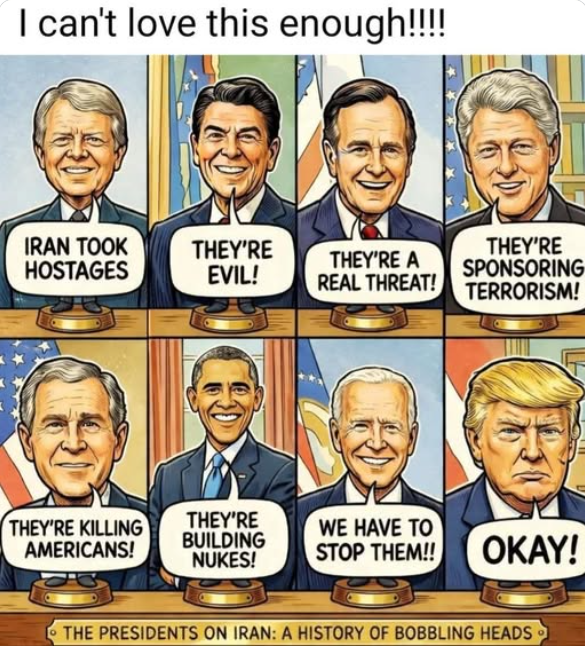 As shown at left, the United States is loaded with people who twist the facts to their liking.



-
Climate Change8 months ago
Guest post: Why China is still building new coal – and when it might stop
-
Greenhouse Gases8 months ago
Guest post: Why China is still building new coal – and when it might stop
-

 Greenhouse Gases2 years ago
嘉宾来稿:满足中国增长的用电需求 光伏加储能“比新建煤电更实惠”
-
Climate Change2 years ago
Bill Discounting Climate Change in Florida’s Energy Policy Awaits DeSantis’ Approval
-

 Climate Change2 years ago
嘉宾来稿:满足中国增长的用电需求 光伏加储能“比新建煤电更实惠”
-
Climate Change Videos2 years ago
The toxic gas flares fuelling Nigeria’s climate change – BBC News
-

 Renewable Energy6 months ago
Sending Progressive Philanthropist George Soros to Prison?
-

 Carbon Footprint2 years ago
US SEC’s Climate Disclosure Rules Spur Renewed Interest in Carbon Credits