In an announcement that stunned both the tech and energy industries, Oracle’s co-founder and executive chairman, Larry Ellison, revealed ambitious plans to use nuclear power to advance artificial intelligence (AI) in Oracle.
At the Oracle Financial Analyst Meeting 2024, Ellison disclosed the company’s intention to build data centers powered by small modular nuclear reactors. This bold step signifies the fierce competition and massive costs required to advance AI technology in today’s era.
Ellison’s Bold Power Play — Nuclear Energy Fuels Oracle’s AI Ambitions
Oracle’s venture into nuclear energy underscores the extraordinary resource demands of cutting-edge AI.
According to Ellison, the power required for training frontier AI models is vast and extraordinary. The company plans to construct data centers with “acres” of GPU clusters, needing a gigantic energy supply to operate efficiently. Ellison’s strategy to utilize nuclear reactors ensures a steady, scalable power source to support these energy-hungry systems.
During the session, he spoke,
“If your horizon is over next five years, maybe even the next ten years I wouldn’t worry about it. This business is just growing larger and larger and larger. There is no slowdown or shift coming.”
The tech leader further stated that only a few major tech companies, and potentially even one nation, will compete for dominance in AI model development over the coming years. He emphasized that staying competitive in this high-stakes AI race will come with a hefty price tag.
Oracle’s choice to embrace nuclear energy marks a major change in how tech companies tackle their rising energy demands. Their strategy may inspire competitors to look for similar solutions, potentially transforming the future of both the tech and energy industries.
A MESSAGE FROM URANIUM ROYALTY CORP.
The Only Pure Play Uranium Royalty Company

Uranium Royalty Corp is the first company to apply the successful royalty and streaming business model exclusively to the uranium sector.
With interests in advanced, permitted and producing uranium projects, the company is well positioned as a capital provider to meet the growing need for uranium as fuel for carbon free, nuclear energy. Learn more about Uranium Royalty Corp’s portfolio of royalty assets and uranium holdings.
Discover their first mover pure-play uranium royalty exposure >>
NASDAQ: UROY | TSX: URC
*** This content was reviewed and approved by Uranium Royalty Corp. and is being disseminated on behalf of Uranium Royalty Corp. by CarbonCredits.com for commercial purposes. ***
The AI Arms Race and the $100 Billion Price Tag
Ellison made it clear that staying competitive in the AI race will not be cheap. He estimated that companies looking to build frontier AI models would need to invest around $100 billion over the next three to five years. The enormous investment reflects the exponential growth in computational power required to push the boundaries of AI capabilities.
This staggering price tag is a wake-up call for the tech industry, highlighting the capital-intensive nature of AI research and development. It’s a clear signal that the widening gap between bigger players and smaller players is evident, as only those with massive resources can afford to keep pace.
Oracle is not just talking about powering its data centers; it’s already laying the groundwork. He noted,
“Today, Oracle has 162 cloud data centers, live and under construction throughout the world. The largest of these data centers is 800 megawatts, and it will contain acres of Nvidia GPU clusters able to train the world’s largest AI models”
This massive facility can support the development of advanced AI models, some of which Ellison hinted may surpass the capabilities of existing supercomputers, including xAI’s new supercluster, Colossus.
Building the Nuclear Infrastructure
Oracle is also planning a data center requiring over one gigawatt of electricity, that will rely exclusively on nuclear power. Ellison believes that much power is sufficient to meet the substantial processing needs of Oracle’s upcoming projects including creating Colossus.
Currently, the company has secured building permits for three small modular reactors, that estimate the scale of the project. Ellison’s description of the project’s complexity gives a glimpse into the enormous challenges that lie ahead for Oracle and other companies vying for AI dominance.
As the AI arms race intensifies, Oracle’s decision to integrate nuclear power into its infrastructure strategy could revolutionize how tech companies meet their energy demands. By securing a reliable and clean power source, Oracle is positioning itself as a leader in AI development, capable of tackling the massive computational requirements needed for training advanced models.
Tech leaders, industry pundits, and energy companies predict that more companies will explore novel energy solutions to keep pace with the rising demands of AI in the future. Whether it’s nuclear, renewable energy, or a hybrid approach, power consumption will become a defining factor in the race for AI supremacy.
Oracle’s Revenue Boom Fuels Ambitious Nuclear Investment
Oracle reported its fiscal 2025 Q1 results recently indicating strong growth. The company’s total quarterly revenues increased by 7% year-over-year in USD, reaching $13.3 billion, and rose 8% in constant currency. Cloud services revenues saw a 21% jump year-over-year in USD, climbing to $5.6 billion, with a 22% increase in constant currency. Additionally, cloud and on-premise license revenues grew by 7% in USD, hitting $870 million, and were up 8% in constant currency.
The company’s earnings are a clear reflection of what Larry hinted at—it’s truly a case of survival of the fittest. His announcement is not just a revelation of Oracle’s future plans but a signal for the entire tech universe.
His theory is straightforward: to compete, you must make bold moves, like investing in nuclear power for AI. Oracle’s approach highlights that success now demands major investments in both technology and energy. This way companies can secure their energy supply and seamlessly perform computational services.
Interestingly, it’s not just Ellison who is envisioning nuclear power. Bill Gates’s company TerraPower, is also constructing a Natrium reactor and energy storage system in Kemmerer, Wyoming. The project, which has secured substantial funding from the DOE and is set to be completed by 2030, will have a capacity of 500 megawatts.
Gates emphasized that this investment in nuclear is a significant step toward achieving safe, abundant, zero-carbon energy, and its success is crucial for America’s future.
Net Zero Plans and Carbon Emissions
Oracle has set an ambitious target to reach net zero emissions by 2050 and reduce its greenhouse gas emissions to 50% including both operational and supply chain, by 2030 compared to a 2020 baseline. The sustainability report reveals that this target has been endorsed by the Exponential Roadmap Initiative, an accredited partner of the United Nations Race to Zero.
Moreover, the company has committed to achieving 100% energy usage from renewable sources for both its Cloud Infrastructure (OCI) and Real Estate & Facilities (RE&F) operations by 2025. Additionally, they aim to reduce waste to landfill per square foot by 33% and cut air travel emissions by 25% within this timeline.
Here’s a peek into their energy use and carbon emissions for 2022.

source: Oracle
In conclusion, Oracle’s move into nuclear-powered data centers marks a pivotal step in AI development. This bold strategy highlights the immense resources needed to compete and suggests that tech companies must now innovate beyond software and hardware to lead in the AI race.
The post Larry Ellison’s $100 Billion Bet: Nuclear Power to Drive Oracle’s AI Revolution appeared first on Carbon Credits.
Carbon Footprint
The Ultimate Guide to Biochar: The “Black Gold” Fueling Durable Carbon Removal Market
Carbon credits are vital in the global fight against climate change. They let governments, businesses, and people offset their greenhouse gas (GHG) emissions by supporting projects that remove or reduce carbon from the air. Of the various carbon removal strategies, biochar is a promising solution. It sequesters carbon for decades or centuries while offering agricultural and environmental co-benefits.
Biochar is a carbon-rich material produced by heating organic biomass—such as crop residues, forestry waste, or other plant matter—under low-oxygen conditions. When applied to soil, biochar locks carbon in a stable form, helping to reduce atmospheric carbon dioxide (CO₂) levels. This stability, combined with its positive impact on soil fertility and water retention, makes biochar an attractive option for carbon credit programs.
This article offers a complete guide to biochar carbon credits. It explores the science of biochar, the production technologies, and its benefits for the environment and agriculture. It also explains how biochar qualifies for carbon credit certification and discusses the market dynamics that create investment opportunities.
Understanding biochar and its role in carbon markets helps everyone—farmers and corporations alike. This knowledge allows stakeholders to make smart choices for climate action and sustainable growth.
Key facts to note:
- Biochar can store carbon for hundreds or even thousands of years. This depends on how it’s made and used.
- Studies estimate that using biochar could remove up to 1.8 gigatons of CO₂ every year. This is possible if it is scaled globally in a sustainable way.
- Biochar projects can now earn carbon credits. They qualify under standards like Verra’s VCS and the Gold Standard. This means they can make money from carbon removal.
What is Biochar?
Biochar is a carbon-rich material produced through the thermal decomposition of organic biomass under low-oxygen conditions, a process known as pyrolysis. Pyrolysis is different from regular burning. It stops carbon in biomass from turning into CO₂. Instead, it keeps carbon in a stable form that can stay in soils for hundreds of years and makes biochar a highly effective tool for long-term carbon sequestration.
Types of Biomass Used
The raw material, or feedstock, used to make biochar greatly affects its properties, stability, and ability to store carbon. Common biomass sources include:
- Agricultural residues: rice husks, corn stalks, wheat straw, sugarcane bagasse.
- Forestry residues: sawdust, wood chips, tree trimmings.
- Organic waste streams: green waste, food waste, manure.
- Specialty feedstocks: invasive plant species or certain algae.
The choice of feedstock affects carbon content, nutrient makeup, pH, and soil benefits. Wood-based biochar has high carbon stability. Manure-based biochar, on the other hand, is rich in nutrients like nitrogen and phosphorus. This makes it great for improving soil fertility.

Properties of Biochar
Biochar’s effectiveness depends on several key properties:
- Carbon Content: Typically between 50–90%, with higher carbon content contributing to greater sequestration potential.
- Stability: Resistant to decomposition, with some biochars remaining stable in soil for hundreds to thousands of years.
- Porosity and Surface Area: A highly porous structure enhances water retention, nutrient storage, and microbial habitat in soil.
- pH and Cation Exchange Capacity (CEC): Can improve soil fertility by retaining nutrients and moderating soil acidity.
Environmental and Agricultural Implications
By incorporating biochar into soils, multiple benefits occur simultaneously:
- Carbon Sequestration: Each ton of biochar applied can lock ~1–3 tons of CO₂-equivalent, depending on feedstock and process efficiency.
- Soil Improvement: Enhances water retention, nutrient availability, and microbial activity.
- Waste Management: Turns organic waste into a useful product. This prevents it from decomposing and releasing methane, which is a strong greenhouse gas.
Global Potential
The IPCC report states that using biochar on a large scale with sustainable feedstocks could reduce emissions by up to 1.8 GtCO₂ each year. This would cover a large part of global emissions.
Moreover, biochar is versatile. It works well in both tropical and temperate farming, making it useful around the world.
From Biomass to Black Carbon: How It’s Made
Biochar comes from heating biomass in low or no oxygen, also called pyrolysis. Many production technologies have been created over the years. They differ in efficiency, carbon yield, energy co-products, and their fit for carbon credit projects. Knowing these technologies is key to evaluating biochar quality and its ability to store carbon.
-
Slow Pyrolysis
Slow pyrolysis is the most common method for biochar production. Biomass is heated slowly at moderate temperatures (400–600°C) over several hours. This method produces a high yield of biochar with stable carbon content, making it ideal for carbon sequestration and soil improvement. The slow process also generates some syngas and bio-oil, which can be captured and used for energy.
-
Fast Pyrolysis
Fast pyrolysis rapidly heats biomass to similar temperatures, but over seconds to minutes. This approach prioritizes the production of bio-oil, with biochar as a secondary output. Biochar yields are lower than those from slow pyrolysis.
However, this process also produces liquid fuels, which can boost overall economic viability. The carbon stability of fast pyrolysis biochar is usually lower. This can affect its use for carbon credit verification.

-
Gasification
Gasification partially oxidizes biomass at high temperatures (700–1,000°C) to produce syngas, with biochar as a co-product. The biochar yield is lower compared with pyrolysis, but it is often rich in fixed carbon and can be applied to soil or further processed.
Gasification is particularly suitable for integrated energy-biochar projects, combining carbon removal with renewable energy generation.
-
Hydrothermal Carbonization (HTC)
HTC uses wet biomass, such as agricultural residues or manure, converting it under moderate heat and high pressure into hydrochar, a type of biochar. This method avoids the energy-intensive drying step required in conventional pyrolysis. Hydrochar has moderate carbon stability and can be used in soils or as a feedstock for further carbonization.
-
Plasma Arc Carbonization
Plasma arc carbonization uses electric plasma to heat biomass to high temperatures. This process creates biochar that is very pure and stable. The carbon content is great for long-term sequestration. However, the process uses a lot of energy that can impact overall lifecycle emissions and project costs.
-
Torrefaction
Torrefaction is a mild form of pyrolysis carried out at lower temperatures (200–300°C). It partially carbonizes biomass, making it easier to grind and transport, while also improving its energy density. Torrefied biomass isn’t as stable as fully pyrolyzed biochar. However, it can be used as a precursor for more carbonization. It also works well as a soil amendment, with some potential for carbon storage.
Comparing Technologies
Each production technology has trade-offs in carbon yield, stability, energy co-products, and operational complexity:
- Carbon stability: Slow pyrolysis and plasma arc produce the most stable biochar.
- Biochar yield: Slow pyrolysis generally yields the highest quantity of biochar.
- Energy co-products: Fast pyrolysis and gasification produce useful bio-oil or syngas.
- Suitability for carbon credits: Methods yielding stable, long-lasting carbon are preferred for verified carbon removal projects.
Choosing the right technology depends on several factors: project goals, feedstock availability, energy needs, and how you plan to use biochar. This could be for soil improvement, energy production, or generating carbon credits. As biochar projects grow, the choice of technology will directly affect environmental impact and financial success.
How Biochar Captures Carbon: The Science of Permanence
Biochar’s primary climate benefit comes from its ability to sequester carbon in a stable form. It is different from many organic materials. While those materials break down and release CO₂ into the air, biochar traps carbon in a stable form. This structure can stay in the soil for decades or even centuries.
-
Carbon Sequestration Mechanism
During pyrolysis or other carbonization processes, biomass is heated in low-oxygen conditions. This transforms volatile compounds into gases or liquids, while the remaining solid material—biochar—contains a high proportion of fixed carbon. Once in the soil, this carbon resists microbial breakdown. This helps remove CO₂ from the air and stores it for a long time.
-
Longevity in Soil
The stability of biochar is one of its most important attributes for climate mitigation. Depending on feedstock, production method, and soil conditions, biochar can persist for hundreds to thousands of years. This long-term stability makes it a more reliable carbon storage option than other organic materials. Compost and crop residues decompose much faster.
-
Co-Benefits Enhancing Carbon Retention
Beyond direct sequestration, biochar improves soil structure, water retention, and nutrient availability. These benefits promote healthier plant growth, which in turn absorbs more CO₂ from the atmosphere. Biochar also cuts nitrous oxide and methane emissions from soils. This boosts its overall effect on reducing greenhouse gases.
Comparison with Other Carbon Removal Methods
Biochar is unique among carbon removal methods. It stores carbon permanently and also boosts soil productivity. It stands out because it removes carbon and helps agriculture.
Biochar also needs less land than afforestation or direct air capture. Its lower risk of reversal makes it more appealing for verified carbon credit projects. This is better than forests or soil carbon projects, which can be impacted by wildfires or changes in land use.
Implications for Carbon Credits
The permanence and verifiability of carbon storage in biochar make it highly suitable for carbon credit programs. Accurate measurement, reporting, and verification (MRV) of biochar carbon content are essential to ensure credits represent real climate benefits. As standards change, biochar’s stable carbon profile makes it a strong choice in voluntary and compliance carbon markets.
Benefits of Biochar: Soil, Water, and Waste Wins
Biochar offers a range of environmental, agricultural, and climate benefits, making it a versatile tool for sustainability and carbon mitigation efforts. Its ability to store carbon permanently is complemented by positive impacts on soil health and ecosystem services.
Environmental Benefits:
- Carbon Sequestration: Biochar locks carbon in a stable form, helping reduce atmospheric CO₂ levels.
- Reduced Emissions: By improving soil properties, biochar can lower nitrous oxide and methane emissions from agricultural soils.
- Waste Valorization: It converts biomass waste into a useful product, reducing open burning or decomposition that would otherwise release greenhouse gases.
Agricultural Benefits:
- Improved Soil Fertility: Biochar enhances nutrient retention in soils, reducing the need for synthetic fertilizers.
- Water Retention: Its porous structure increases soil moisture-holding capacity, helping crops withstand drought conditions.
- Crop Yield Enhancement: Healthier soils and better nutrient availability can lead to higher and more stable agricultural yields.
Climate Mitigation Impact:
- Long-Term Carbon Storage: Biochar carbon remains stable in soils for decades to centuries, providing a reliable carbon removal solution.
- Synergy with Other Practices: When combined with regenerative agriculture or sustainable forestry, biochar amplifies carbon capture and environmental benefits.
- Support for Carbon Markets: High-stability biochar can generate verified carbon credits, creating financial incentives for adoption.
Co-Benefits for Communities and Ecosystems:
- Biochar production can create new job opportunities in rural areas.
- It supports circular economy principles by converting agricultural and forestry residues into a high-value soil amendment.
- The improved soil and ecosystem health contribute to biodiversity and resilience against climate impacts.
Waste to Asset: Ending Residue Burning
Biochar has a big but often-ignored benefit. It can turn farm waste into a useful carbon product that lasts a long time. Agriculture around the world creates over 5 billion tons of crop residues each year. A lot of this waste is burned or left to rot. This process releases significant amounts of CO₂, methane, and nitrous oxide.
In many areas, especially in Asia and Latin America, open-field burning of waste is a big cause of rural air pollution and seasonal haze.
Biochar production offers a controlled and beneficial alternative, as the company in the video shows. Pyrolysis changes residues like rice husks, corn stover, coconut shells, sugarcane bagasse, and forestry by-products into stable carbon.
The process prevents greenhouse gases from escaping and keeps carbon locked away for hundreds to thousands of years. This intervention cuts air pollution, lowers greenhouse gas emissions, and builds a carbon sink.
The importance of this waste-to-value pathway is twofold:
- It provides farmers with a practical method for managing biomass without incurring disposal costs, and
- It transforms a climate liability into a climate asset.
In this way, biochar acts as both a soil amendment and a key strategy to tackle agricultural waste and its environmental effects.
Biochar’s multifaceted benefits make it a compelling solution for farmers, investors, and policymakers alike. Its role goes beyond capturing carbon: it combines climate action with real benefits for farming and environmental management.
Biochar Carbon Credits: How Biochar Becomes a Tradable Removal Credit
A carbon credit represents a verified, quantifiable reduction or removal of greenhouse gas (GHG) emissions — typically 1 ton CO₂-equivalent (CO₂e) per credit. For biochar projects, carbon credits come from measuring the carbon stored in stable biochar. This carbon isn’t released and is verified under accepted protocols.
Biochar turns “biogenic” biomass like agricultural waste and wood chips into a stable, carbon-rich solid. This process counts as carbon removal, not just avoidance, if the feedstocks, production, and storage follow set standards.
Credibility Matters: Certification Standards & Methodologies
To ensure credits represent real, permanent removals, biochar projects must follow recognized methodologies and go through a monitoring, reporting, and verification process. As of 2025:
-
The Integrity Council for the Voluntary Carbon Market (ICVCM) has officially approved three biochar methodologies under its Core Carbon Principles (CCP). These include Isometric Biochar Production and Storage and Verra’s VM0044 (Biochar Use in Soil & Non‑Soil Applications).
-
Under Isometric’s registry, over 30 projects are set to issue about 500,000 credits starting in 2026. In contrast, fewer than 10 projects are registered under Verra VM0044 by the end of 2025, with an expected output of around 249,000 credits each year.
-
More approved methods boost the credibility of biochar as a trustworthy carbon removal option.
MRV (Monitoring, Reporting, Verification): What Gets Measured
For biochar carbon credits to be valid, MRV processes typically include:
- Documenting feedstock type (must be biogenic biomass) and origin — to verify the carbon source is renewable/biogenic.
- Recording details of the conversion process (e.g., pyrolysis yield, reactor efficiency) and final biochar mass produced.
- Tracking the fate of biochar — e.g., soil application, embedding in materials, or other stable storage — to ensure the carbon remains sequestered instead of being oxidized or burned.
- Independent audits for certification registries to verify data before credits are issued.
Only after successful MRV can a carbon credit (1 tCO₂e removed) be issued, listed, traded, or retired.
Economics: Production Cost and Carbon Removal Potential
Peer‑reviewed research offers some concrete figures for biochar economics and sequestration potential:
- One study estimated the production cost of biochar at about US$232.87 per ton of biochar.
That same study estimated that 1 ton of biochar production mitigates about 6.22 tons of CO₂ (i.e., CO₂e removed), implying a high leverage ratio of carbon removal vs material produced.
In their crop-production experiments, the authors found that applying biochar at 8 tons/hectare yielded the most favorable economic returns. At that rate, the benefit–cost ratio (BCR) was ~1.476, net present value (NPV) was positive, and internal rate of return (IRR) reached ~85.7%.
They also observed that at higher application rates (24–28 t/ha), returns became negative. This finding suggests optimal biochar application rates are key for both agronomic benefit and economic viability.
These data suggest that, under the right conditions (efficient production, proper application, stable feedstock), biochar projects can be both climate‑effective and economically competitive, especially if carbon credits are priced favorably.
The Biochar Carbon Credit Market Landscape
The market for biochar carbon removal credits (often called Biochar Carbon Removal or BCR credits) has grown rapidly in recent years. According to a 2025 market snapshot by CDR.fyi, over 3 million tCO₂e of biochar credits are contracted by mid-2025.

In just the first half of 2025 alone, 1.6 million tonnes were sold — more than half of the total contracted volume to date.
Deliveries and retirements have also accelerated: by mid‑2025, about 683,000 tonnes had been delivered and 330,000 tonnes retired.
This surge demonstrates strong growth momentum. According to a report cited by a market intelligence platform, the overall market value (i.e., the dollar value of transactions) for biochar credits rose dramatically, reflecting both volume growth and rising per‑credit prices.
According to a market‑outlook report, about 80% of global biochar credit volume is listed on a major biochar marketplace. This indicates concentration and market data transparency.
For 2024–2025, around 41% of carbon credits purchased by corporates came from “high‑quality” vetted biochar projects. This is in comparison with only 13% from lower-quality ones, showing increasing demand for certified, high‑integrity biochar credits.
Moreover, according to a 2023 industry report, the broader biochar industry (not only credits but all biochar-related production and activities) already had annual revenues exceeding US$ 600 million, with projections to nearly US$ 3.3 billion by 2025.
These figures illustrate that biochar is shifting from niche or experimental to a more mature, scaled market, at least in terms of demand and production capacity.
Price Trends, Credit Value & How Biochar Compares
- As of 2025, the average price for biochar carbon removal credits is about US$ 177 per tonne CO₂e, per Sylvera data.
For “high‑quality” vetted biochar credits (i.e., credits from projects that pass stricter quality/integrity screening), the average price appears to be higher, around US$ 200 per tonne CO₂e, compared to ~US$ 153/t for credits that did not meet the highest vetting standards.

A recent market assessment in late 2025 indicates that, despite some slowdown in retirements (i.e., credits being permanently “used up”), prices have remained resilient. For example, U.S. biochar credits were assessed at roughly US$150/tCO₂e for 2025 delivery.
Biochar has typical “sequestration factors,” which show how much CO₂ is removed per tonne produced. This means the value of each tonne of biochar can be quite high. For example, one tonne of biochar can remove about 2.5 to 3.3 tonnes of CO₂. This depends on the feedstock and production method.
At current market prices, this could mean around US$450-700 in carbon credits. The exact value varies based on the price per tonne of CO₂e and the quality premium.
Biochar credits are priced between intermediate and premium levels for carbon removal. They cost more than many nature-based credits, like afforestation or land-use credits. However, they are cheaper than high-end options, such as some direct air capture (DAC) or bioenergy-with-carbon-capture and storage (BECCS) credits.
This “sweet spot” offers high permanence at a more moderate cost. It explains why demand grows, mainly among corporate buyers who seek credible long-term carbon removals.

Price: How Biochar Credits Compare to Other CDR Methods
Why biochar often commands a premium vs most nature-based credits?
- Durability/permanence: Biochar converts biomass carbon into a stable form that resists decomposition for decades to centuries when applied to soil. Buyers value this durability relative to many nature-based credits, which face reversal risks (fires, land-use change). Supercritical notes demand for “durable, credible supply” is outpacing supply.
- Measurability & additionality: Biochar MRV is becoming more robust and tech-enabled (geotagging, machine data), raising buyer confidence and willingness to pay a premium for verified removals.
- Co-benefits: Soil health, nutrient retention, and waste valorization deliver tangible non-carbon benefits that some buyers value (and sometimes pay more for).
Why is biochar generally cheaper than many tech-based durable CDR pathways?
- Lower capital intensity/near-term deployability: Pyrolysis and biochar production are proven today and can be deployed at smaller scales than capital-intensive DAC plants or BECCS facilities, lowering per-tonne price ceilings for many projects. Supercritical emphasizes biochar “works today” and has already delivered substantial tonnes.
- Easily scalable: Biochar production can be scaled more easily than many tech-based carbon removal methods. It uses common biomass residues like crop stalks or forestry waste. Small farms can start projects that grow regionally or industrially. Modular systems and multiple feedstocks make scaling flexible, while co-products like bio-oil add value. This makes biochar a practical, low-energy carbon removal option for both farmers and businesses.
- Co-product revenue: Biochar projects can stack revenue streams (physical biochar sales, heat/electricity), which can lower net credit cost per tCO₂e relative to DAC, which has fewer co-revenue streams.
At-a-glance, here is a comparison table showing global average price ranges for biochar and other CDR methods:
Biochar is often called a “hybrid” carbon removal solution because it blends nature-based and technological approaches. On one hand, it uses natural biomass—crop residues, forestry waste, or other organic materials—to store carbon in soil for decades or centuries.
On the other hand, its production involves controlled technological processes, like pyrolysis or gasification, which optimize carbon stability and can generate energy or bio-products as co-benefits.
This combination allows biochar to deliver reliable carbon sequestration while integrating with modern innovations, making it both a practical and versatile tool for climate mitigation.
Hemp Biochar and Its Market Potential
Hemp biochar is gaining attention because hemp grows quickly and produces a large amount of biomass. This makes it a good feedstock for biochar.
The global industrial hemp market was valued at about US$11-12 billion in 2025. It continues to grow as more companies use hemp for textiles, building materials, food products, and other sustainable goods.

A recent market study shows that the hemp biochar segment is worth about US$210 million in 2025. It is expected to reach around US$475 million by 2032, growing at a rate of about 12% per year. This growth is supported by rising demand for natural soil enhancers, carbon removal solutions, and low-carbon materials.
Hemp biochar also helps cut waste because it uses leftover stalks and other plant parts. This lowers disposal costs for farmers while creating a useful product for soil health and long-term carbon storage.
Key Players, Procurement Patterns, and Market Dynamics
Corporate buyers are among the biggest demand drivers. According to a recent market data summary, a relatively small number of large purchasers account for a significant share of total biochar credit purchases, led by Microsoft and Google. This concentration of demand (and often long‑term offtake agreements) has helped stabilize pricing and accelerate project financing.

On the supply side, despite the volume of credits contracted and sold, some market observers note that a large portion of biochar producers still do not participate in voluntary carbon markets. They instead choose to sell biochar for soil, agriculture, energy, or other uses rather than pursue credit generation.
Moreover, liquidity in the biochar credit market seems relatively high. One report estimates that a majority of issued credits undergo primary transfer (i.e, sale or trade) quickly, with average transfer times now on the order of weeks rather than months.
However, this growth has also sparked increasing scrutiny of quality. According to analysis from 2024–2025, a non-trivial share of biochar credits comes from projects that failed vetting for high-quality standards. These credits sell for significantly lower prices at ~ US$153/tCO₂e vs ~ US$220 for quality‑vetted.
Returns vs. Risks: What Buyers Must Underwrite
Given the trend in price stability, rising demand, and growing corporate interest in durable carbon removal technologies, biochar-based credits present a compelling investment opportunity:
- for project developers (those producing biochar),
- for investors or funds backing biochar plants or operations, and
- for corporate buyers aiming to secure a long‑term carbon removal supply.
The fact that biochar credits sit between low-cost nature‑based offsets and high-cost engineered technologies on the cost/permanence spectrum gives them a competitive advantage, especially as standards tighten and demand for high-integrity credits grows.
Key Risks and Challenges:
- Supply bottlenecks: while demand surges, not all biochar producers are participating in credit markets. This limits the pool of available credits for high-integrity, verifiable carbon removal.
- Credit quality variation: as shown by the price differences between “high‑quality” vs “lower‑vetting” credits, buyers and investors must carefully assess project standards, feedstock, production method, and verification rigor.
- Market volatility and demand concentration: heavy reliance on a few large buyers could create market instability if corporate demand shifts or regulatory incentives change.
- Non‑market pressures: environmental or supply‑chain constraints (e.g., sustainable biomass sourcing, land‑use competition, feedstock availability), which may limit scaling or raise costs.

The Friction Points: Feedstock, MRV, and Scale
While biochar offers significant environmental and economic benefits, the adoption of biochar for carbon removal and carbon credits faces technical, market, and environmental challenges. Understanding these limitations is essential for project developers, investors, and policymakers.
Technical Challenges
- Feedstock Availability and Quality: Sustainable and consistent biomass supply is crucial. Competing demands for agricultural residues or forestry waste can limit availability, affecting scalability and project economics.
- Production Technology Constraints: Different pyrolysis or carbonization methods yield varying amounts of biochar and carbon stability. Ensuring high-quality, verifiable biochar requires careful technology selection and process optimization.
- Carbon Quantification: Accurately measuring the carbon content and permanence of biochar is complex. Soil conditions, environmental factors, and application methods can influence carbon retention, making monitoring and verification more challenging.
Market Challenges
- Standardization and Certification Costs: The market still faces variability in methodologies, verification protocols, and registry standards. Certification and MRV costs can be a barrier, particularly for small-scale producers.
- Credit Quality Variation: Not all biochar carbon credits are created equal. Buyers must navigate differences in permanence, verification rigor, and project transparency, which can affect market confidence and pricing.
- Liquidity and Market Access: Although volumes are growing, access to buyers, marketplaces, and financing remains limited in some regions, slowing market participation.
Environmental Considerations
- Sustainable Sourcing: Overharvesting biomass can lead to land degradation, deforestation, or competition with food production. Projects must ensure feedstock sustainability.
- Lifecycle Emissions: Energy-intensive production methods or transportation can offset some carbon removal benefits if not carefully managed.
- Application Risks: Incorrect application rates or practices can reduce soil benefits and carbon retention, diminishing environmental impact.
Balancing Potential and Risk
Despite these challenges, ongoing technological improvements, evolving standards, and growing corporate demand are helping to mitigate risks. Stakeholders are increasingly focused on combining high-integrity verification, sustainable feedstock management, and optimized production methods to unlock the full climate potential of biochar.
Proof It Works: Real Projects Moving Real Tonnes
Several biochar projects around the world demonstrate both environmental impact and carbon credit generation.
- Cool Planet (USA):
Cool Planet produces biochar from agricultural residues and applies it to crop fields. Their projects have sequestered thousands of tons of CO₂ annually while improving soil fertility. Verified carbon credits from these operations are listed on voluntary markets, attracting corporate buyers seeking high-quality removals. - Carbon Gold (UK):
Carbon Gold combines biochar production with horticultural and agricultural applications. Their biochar has improved soil structure and water retention, while the associated carbon credits have been independently verified under the Verra standard. - Terra Preta (Australia):
In Australia, Terra Preta projects convert unloved biomass waste, such as orchard prunings and agricultural residues, into biochar. Beyond storing carbon, these projects enhance soil productivity and reduce fertilizer use, providing dual benefits for farmers and the climate.
Impact summary: Across these examples, biochar projects:
- Remove CO₂ permanently from the atmosphere.
- Improve soil health and crop yields.
- Generate verifiable carbon credits for voluntary and corporate markets.
These success stories highlight the feasibility of biochar as a scalable carbon removal solution that delivers measurable environmental and economic benefits.
How to Participate in Biochar Carbon Credits: Launch, Verify, Sell
Participating in biochar carbon credits can be approached by different stakeholders — farmers, project developers, investors, businesses — depending on resources, goals, and local context. Here is a general roadmap based on established methodologies and current market practices:
Key Preconditions and Initial Steps
Before entering the carbon credit pathway with biochar, a project must meet certain basic conditions:
- Use eligible biomass feedstock: The raw material must be “biogenic” — e.g., agricultural residues, wood chips, forestry, or crop waste. Non‑eligible materials (e.g, plastics, tires, municipal solid waste) are generally excluded.
- Adopt an approved methodology/standard: For biochar carbon credits, one widely accepted standard is Verra’s methodology VM0044 Biochar Utilization in Soil and Non‑Soil Applications (as of version 1.2, active since June 27, 2025).
- Demonstrate additionality and project soundness: Under VM0044 v1.2, an investment analysis is required to show that the project wouldn’t have happened under a “business-as-usual” baseline.
- Create a project plan including monitoring and application strategy: The project must plan not just for producing biochar, but for where and how biochar will be applied (e.g., soil, non-soil) — because carbon sequestration depends on stable storage.
Project Registration, Monitoring, Reporting & Verification (MRV)
Once prerequisites are met, the participation process moves through these stages:
- Project registration — submit project details (feedstock, production method, biochar application, baseline scenario) to the registry (e.g., Verra).
- Validation / independent audit — a third‑party verifier (VVB) assesses compliance with methodology requirements (e.g., feedstock eligibility, carbon yield calculations, additionality, environmental safeguards).
- Implementation → Biochar production & application — produce biochar via pyrolysis or another approved method, apply it to soil or approved non‑soil uses (as described in project plan).
- Monitoring & Reporting — systematically document biomass inputs, biochar yield, biochar application location and amount, soil or land use data, and other required metrics.
- Verification — the verifier reviews the monitoring report and issues a verification report; once approved, credits (e.g., Verified Carbon Units, VCUs) are issued.
- Credit issuance and sale/trade/retirement — once issued, credits can be sold through voluntary carbon marketplaces or private agreements. Buyer entities (companies, investors) purchase these credits to offset emissions or hold as long-term assets.
For Farmers and Small‑scale Producers
If you are a farmer or smallholder, take note of these:
- Aggregation may be an option: under approved biochar credit classes, small producers can aggregate biomass feedstock and biochar output under a single project developer, helping overcome high transaction/verification costs that otherwise deter small-scale efforts.
- Combining biochar application with soil fertility benefits makes the approach more attractive — beyond just carbon credits, improved yields and soil health may help justify the investment in biochar production and verification.
- Participation may require upfront investments (kiln/pyrolysis equipment, documentation, possible external verifiers) — so it’s important to assess economic feasibility before committing.
For Investors, Project Developers, and Businesses
Organizations or investors seeking to develop biochar carbon removal projects should:
- Ensure clear feedstock sourcing strategies, ideally using agricultural or forestry residues that would otherwise decompose or be burned — avoiding unsustainable biomass harvesting.
- Use an approved methodology (e.g., VM0044) and design projects with robust MRV, permanence, and documentation — important especially now that the credit standards are under stricter scrutiny.
- Factor in verification and transaction costs: third‑party audits can cost thousands of USD per cycle; small volumes may not justify these costs.
- Consider blending revenue streams: biochar can yield soil‑improvement benefits or biochar sales for agriculture/industry — diversifying income beyond carbon credits.
Challenges to Watch Out For
Even with proper setup, as a market participant, you should be aware of:
- The need for long‑term commitment and record‑keeping: carbon credits generally reflect long‑term carbon storage, requiring adherence over years.
- Costs vs scale tradeoff: small-scale efforts may struggle to cover verification costs; aggregation or partnerships may be necessary.
- Feedstock sustainability: using biomass that competes with food production, leads to deforestation, or causes land‑use conflicts, undermines the environmental integrity of the project.
- Market uncertainty: credit prices and demand fluctuate; demand depends on corporate commitments to climate goals and regulatory developments.
Next Decade: From Niche to Gigaton?
The outlook for biochar is positive. It works as both a soil improver and a carbon removal solution. Growing interest from governments, companies, and investors suggests biochar will play a bigger role in climate action over the next decade.
The global biochar market is expected to grow fast. Recent estimates suggest it could reach US$1.5–2.5 billion by 2030, with strong annual growth. Other forecasts show continued expansion through the 2030s, driven by demand in agriculture, waste management, and carbon removal.

Farmers use biochar to improve soil health and crop yields. At the same time, companies are buying biochar carbon credits because they offer durable carbon removal. This is pushing biochar from a niche product into a more mainstream climate solution.
Some studies suggest biochar could remove large amounts of CO₂ by 2040, if production and supply chains scale. Growth is strongest in North America and the Asia–Pacific, where biomass is abundant.
Still, success depends on sustainable feedstocks, consistent quality, and strong verification systems.
In sum: the next 5–15 years may see biochar evolve from a niche soil amendment to a globally relevant carbon‑removal solution. This is particularly true if demand for durable, verifiable carbon credits continues to grow and supply-side constraints are addressed.
The Bottom Line: Durable Carbon With Co-Benefits
Biochar is a powerful solution that combines climate mitigation, sustainable agriculture, and waste management. It sequesters carbon permanently while improving soil health and crop yields. With global market growth and rising interest from farmers, businesses, and investors, biochar carbon credits offer a scalable, verifiable path for carbon removal.
Realizing its full potential requires sustainable feedstock, reliable production, and strong verification. Biochar not only removes carbon but also supports agricultural sustainability, rural livelihoods, and circular-economy principles.
The post The Ultimate Guide to Biochar: The “Black Gold” Fueling Durable Carbon Removal Market appeared first on Carbon Credits.
Carbon Footprint
UK Fusion £2.5B Strategy Links AI Growth with Clean Energy Breakthroughs
The UK government recently released its Fusion Energy Strategy 2026, where it has laid out a bold plan to turn fusion into a commercial, clean power source while building a strong domestic industry.
The key vision is a £2.5 billion investment over five years. The goal is clear: make the UK the first country with a real pathway to commercial fusion energy. At the same time, the strategy connects clean power goals with economic growth, job creation, and long-term energy security.
A Clear Push Toward Energy Independence
The UK’s strategy comes at a time when global energy markets remain volatile. Fossil fuel dependence continues to create risks. As a result, the government sees fusion as a long-term solution for energy sovereignty.
Fusion offers several advantages. It is clean, abundant, and reliable. Unlike solar or wind, it can provide constant power. Because of this, it could play a major role in meeting future electricity demand, especially as industries and AI systems consume more energy.
The government believes that reducing reliance on fossil fuels is the only way to secure long-term stability. Fusion, therefore, is not just a research goal—it is a strategic priority.
Investing Across the Fusion Ecosystem
Together, these investments aim to strengthen the entire value chain—from early research to final deployment.
At the same time, the UK is working closely with the private sector. More than 500 companies are already involved in the fusion space. This number is expected to grow as global competition increases.
The potential market is massive. Estimates suggest that fusion could become a £3 trillion to £12 trillion global industry. Therefore, countries are racing to secure leadership positions early.
Five-Year Fusion Trends: Total Funding Till 2025

STEP Program: Building the First Fusion Power Plant
A major part of the funding—£1.3 billion—will go to the Spherical Tokamak for Energy Production (STEP) program. This initiative aims to design and build the UK’s first prototype fusion power plant.
The plant will be located at a former coal site in Nottinghamshire. Construction is expected to begin in 2030, with completion targeted for 2040. The mission is ambitious: generate net energy from fusion and prove that the technology can work at a commercial scale.

To deliver this, the UK has partnered with a consortium called ILIOS. This group, led by Kier and Nuvia, will handle construction, engineering, and supply chain management. Their role covers everything from design integration to infrastructure development.
Importantly, STEP is meant to act as a catalyst. By building this prototype, the UK hopes to stimulate a broader fusion ecosystem, including suppliers, engineers, and technology firms.
UK Fusion Energy
A key part of this shift is the creation of UK Fusion Energy, a subsidiary responsible for delivering the STEP program. This organization will act as a systems integrator. It will bring together multiple technologies and partners to build a complete fusion power plant.
In summary, the three main goals for UK Fusion Energy are:
- Make future fusion power plants safer and more reliable
- Build strong UK industries and supply chains
- Bring lasting economic benefits and energy security to the UK
UKAEA Group: The Backbone of the UK’s Fusion Ambition
The backbone of the UK’s fusion strategy is the UK Atomic Energy Authority (UKAEA Group). It acts as the country’s main public body driving fusion research, innovation, and delivery.
The UKAEA operates the National Fusion Laboratory based in Culham, Oxfordshire. This facility leads advanced research in plasma science, robotics, materials, tritium systems, and high-performance computing. Over time, it has built a strong global reputation for technical excellence.
However, the UKAEA’s role is now expanding. Other than research, it is actively helping to turn scientific progress into commercial outcomes.
- Neutral beam systems are used for plasma heating
- Robotics for remote maintenance in extreme environments
- Advanced diagnostics and sensor technologies
- Fusion fuel cycle systems and materials
This approach ensures that public research does not remain in the lab. Instead, it flows into real-world applications, supporting both fusion and other industries.

- ALSO SEE: France Shocks Energy Sector and Rewrites Energy Future: New Law Boosts Nuclear, Cuts Renewables
Building a Strong Industrial Base
The UK’s strategy goes beyond technology. It focuses heavily on building a full industrial ecosystem.
The plan supports companies of all sizes—from startups to multinational firms. It also aims to develop strong supply chains within the country. By doing so, the UK wants to become a top destination for fusion investment.
Key areas of opportunity include:
- High-temperature superconducting magnets
- Advanced materials
- Robotics and remote maintenance
- Plasma systems and lasers
- AI-driven control systems
These technologies are not limited to fusion. They also have applications in sectors like aerospace, automotive, healthcare, and telecommunications. As a result, fusion investment could drive innovation across multiple industries.
For example, UK-based companies are already exploring how fusion-related technologies can be used in power grids and advanced manufacturing. This creates near-term economic benefits, even before fusion becomes fully commercial.

AI Meets Fusion: A Game-Changing Combination
One of the most forward-looking parts of the strategy is its focus on artificial intelligence. The government sees AI as a key tool for unlocking fusion energy.
Fusion systems are highly complex. They involve extreme temperatures, fast reactions, and dynamic plasma behavior. Managing these systems requires advanced data analysis and real-time decision-making. This is where AI becomes critical.
Revealing an AI supercomputer: Sunrise
The UK plans to invest £45 million in a dedicated AI supercomputer called Sunrise. This system will support fusion research by accelerating simulations, improving designs, and optimizing operations.
In addition, the UKAEA’s Culham campus will become an AI Growth Zone. This hub will bring together scientists, engineers, and AI experts. The goal is to create a collaborative environment where innovation can thrive.
The government’s broader AI strategy supports this effort. It focuses on building strong data systems, expanding computing power, and encouraging multidisciplinary research. Fusion stands out as one of the priority sectors where AI can deliver rapid breakthroughs.
Interestingly, the relationship works both ways. While AI helps make fusion possible, fusion could eventually power energy-intensive AI data centers. This creates a strong link between future clean energy and digital growth.
DESNZ Sets Clear Rules for Fusion Development
Investors and developers need clear rules to plan fusion projects with confidence. This includes understanding safety, environmental, and planning approvals, as well as which UK organizations must be involved.
To provide clarity, DESNZ (Department for Energy Security and Net Zero) will release a roadmap for the UK fusion regulatory process by Summer 2026. This will guide developers on how to get approvals and engage with regulators early.
The plan also aims to help regulators understand fusion technologies better and support early collaboration, reducing risks in plant design. Fusion regulators are already working with industry and will continue reviewing processes as the sector grows.
The post UK Fusion £2.5B Strategy Links AI Growth with Clean Energy Breakthroughs appeared first on Carbon Credits.
Carbon Footprint
Chery Hits Record Earnings as It Bets Big on NEVs, Overseas Sales, and Clean Energy
Chery Automobile is steering full speed ahead. The Chinese carmaker posted record revenues and profits for Q4 2025, backed by a stronger global presence and growing investments in new energy vehicles (NEVs) and smart technology. While the future looks bright, investors should keep an eye on the challenges of NEV profitability and the costs of rapid expansion.
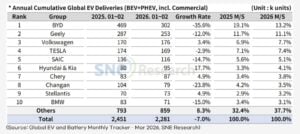
Last year, Chery’s net income jumped 34.6% to 19.02 billion yuan ($2.77 billion). This surge came on the back of record global deliveries of 2.63 million vehicles, an 8% rise from 2024.
Revenue also climbed 11.3% to 300.29 billion yuan. Despite tough competition in China’s passenger car market, Chery managed to slightly lift its overall gross margin to 13.8% from 13.5% the year before.
Financial highlights for the year ended 31 December 2025

NEVs Take the Spotlight
- Passenger vehicles made up the major revenue at 272.4 billion yuan, or 90.7% of total sales. NEVs stole the spotlight, with sales soaring 66.4% to 98 billion yuan, now making up almost a third of passenger vehicle revenue.
Traditional internal combustion engine (ICE) vehicles fell 7.2% to 174.3 billion yuan, reflecting the ongoing industry shift toward electrification. The surge in NEV sales shows how the market is changing fast, and Chery is clearly keeping pace.
Chery Going Global Pays Off
Chery’s international strategy is paying off.
- For the first time, overseas revenue outpaced domestic sales, jumping to 157.4 billion yuan from 100.9 billion yuan, while China’s sales dropped to 142.9 billion yuan.
This milestone highlights how Chery’s global expansion is more than a strategy—it’s a real driver of growth. It also shows the brand’s rising appeal outside China, particularly in markets that value affordable, high-tech, and energy-efficient vehicles.
A Rise in Gross Profit
Overall gross profit increased 14.1% to 41.4 billion yuan, but NEVs still lag behind ICE vehicles on margins, earning 8.8% compared to 15% for ICEs. As NEVs took up a larger share of the passenger vehicle mix, the core business margin slipped slightly to 12.8%.
The EV maker is investing heavily to meet rising global demand, pushing up capital expenditure, marketing, and R&D spending to build capacity and future models. Selling and distribution costs jumped 32.6% due to aggressive marketing campaigns, while research and development spending rose 23.8% as the company accelerated innovation for its next-generation vehicles.
Brand Performance Highlights
- Among Chery’s brands, Luxeed and iCar saw the fastest growth. Luxeed sold 90,493 vehicles, up 56% year-on-year, while iCar delivered 96,989 units, a 47% increase.
- Meanwhile, the premium Exeed brand fell 15% to 120,369 units, showing that not all segments are booming equally.
This show, Chery is clearly experimenting with a multi-brand approach, pushing emerging names forward while keeping an eye on premium offerings.
Chery’s Solid-State Batteries on the Horizon
Chery is doubling down on technology to stay ahead. According to the CnEV report, the company planned to unveil its solid-state battery technology at its upcoming “Battery Night,” promising ranges over 1,200 kilometers—a potential game-changer in the EV market.
The solid-state battery module showcased in October 2025 signals Chery’s serious step toward longer-range, high-performance electric vehicles, which could help it compete with international EV leaders.
Chery’s Emissions and Energy Use
Chery is ambitious about cutting emissions and using energy more efficiently. In its 2024 ESG Report, the company tracks greenhouse gas emissions, energy consumption, and ways to make operations cleaner.
It reports both Scope 1 and Scope 2 emissions—direct emissions from the fuel it uses and indirect emissions from electricity.
- Scope 1 emissions rose from 140,000 to 203,000 tonnes of CO₂e in 2024, and total emissions for Scopes 1 and 2 reached over 733,000 tonnes.
- Emission intensity, which measures CO₂e per vehicle, rose slightly to 0.30 tCO₂e, reflecting changes in production and energy use.

Chery’s energy strategy focuses on cleaner electricity and renewables, aligning with China’s targets for carbon peak by 2030 and carbon neutrality by 2060. About 30% of energy at China plants comes from green sources, and the company has installed 210 MW of solar panels across its facilities. It also improves energy efficiency in factories, cutting energy use and emissions.

On the vehicle side, it assesses the full lifecycle carbon footprint of nearly all models, from production to end-of-life, helping the company target areas with the highest impact.
To further reduce emissions, Chery is investing in hybrids, NEVs, and supply chain efficiency. Low-carbon materials, energy-efficient manufacturing, and renewable adoption are part of a multi-year transition to greener operations. This approach shows that Chery is serious about sustainability while scaling up production globally.
Smart Mobility and AI
Chery’s guiding philosophy, “Technology Shapes the Future,” reflects a clear commitment to electrification and intelligent mobility. The company is building cross-industry alliances and pushing innovations in AI and smart vehicles.
Its AI governance framework aligns with international standards, covering intelligent cockpits, driver assistance, and quality prediction tools. This ensures that Chery’s vehicles are not only electric but also smart, safe, and ready for future mobility trends.
Innovation in Hybrids and Ethanol Fuel
Chery focuses on hybrid powertrains, next-gen battery tech, and expanding electric vehicle options. The Fulwin, EXLANTIX, and JETOUR Shan Hai series offer hybrid and plug-in options for city driving, long trips, and off-road adventures.
Its fifth-generation Super Hybrid System powers multiple series, offering high fuel efficiency and long-range capabilities, tested under extreme conditions. The tri-motor architecture and 3-speed intelligent electric hybrid DHT enable the JETOUR Shan Hai T2 AWD to accelerate from 0 to 100 km/h in 5.5 seconds while covering over 1,200 kilometers.
Last year, the company rolled out plug-in hybrids compatible with high-ratio E32 ethanol fuel, further cutting carbon emissions and boosting energy flexibility. These moves highlight how the company blends innovation with environmental responsibility.

Looking Ahead
Chery’s 2025 performance shows a company in transition. Revenues and global sales are surging, NEVs are taking a larger share, and investment in technology and sustainability is accelerating.
However, challenges remain, including NEV profitability, execution risks, and cash flow management. But with strong finances, aggressive R&D, and a clear global strategy, Chery can become a major player in low-carbon, intelligent mobility.
- FURTHER READING: China Now Controls 69% of the Global EV Battery Market as CATL and BYD Surge in 2025
The post Chery Hits Record Earnings as It Bets Big on NEVs, Overseas Sales, and Clean Energy appeared first on Carbon Credits.
-
Greenhouse Gases7 months ago
Guest post: Why China is still building new coal – and when it might stop
-
Climate Change7 months ago
Guest post: Why China is still building new coal – and when it might stop
-
Greenhouse Gases2 years ago嘉宾来稿:满足中国增长的用电需求 光伏加储能“比新建煤电更实惠”
-
Climate Change2 years ago
Bill Discounting Climate Change in Florida’s Energy Policy Awaits DeSantis’ Approval
-
Climate Change2 years ago嘉宾来稿:满足中国增长的用电需求 光伏加储能“比新建煤电更实惠”
-
Climate Change Videos2 years ago
The toxic gas flares fuelling Nigeria’s climate change – BBC News
-

Carbon Footprint2 years agoUS SEC’s Climate Disclosure Rules Spur Renewed Interest in Carbon Credits
-
Renewable Energy2 years ago
GAF Energy Completes Construction of Second Manufacturing Facility