Connect with us

Published

on

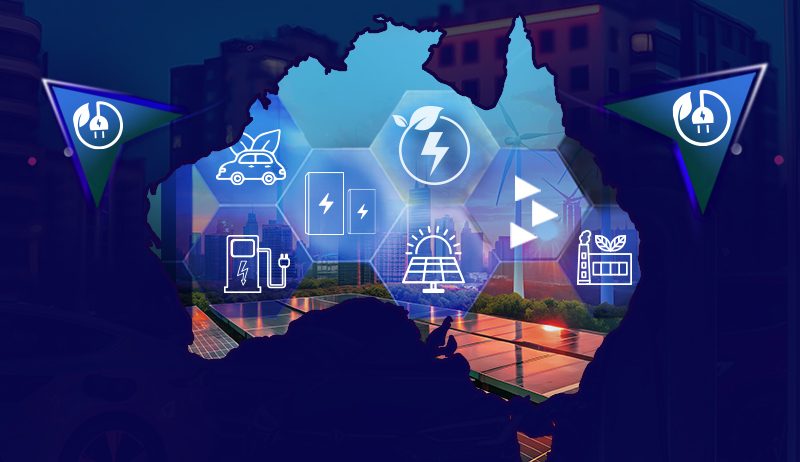
Australia is undergoing a huge transformation in its energy landscape, with electrification emerging as a central pillar of its ambitious vision for a sustainable, net-zero future 

A ‘net-zero future’ refers to a state where the amount of greenhouse gases emitted into the atmosphere is balanced by the amount removed, effectively reducing the impact of human activities on the climate.  

As climate change accelerates and the global demand for cleaner energy intensifies, Australia’s energy revolution is positioning itself as a leader in the transition from fossil fuels to renewable energy.  

This nationwide shift goes far beyond simply replacing coal and gas with wind or solar—it’s about reimagining the entire energy system, from generation and distribution to everyday consumption. 

Electrification is at the heart of this revolution. It involves replacing technologies that run on fossil fuels, such as gas heaters, petrol vehicles, and traditional industrial equipment, with cleaner, more efficient electric alternatives powered by renewable energy sources 

This transition is reshaping Australia’s electricity supply and market, driving the integration of rooftop solar, battery storage, and electric vehicles into the grid.  

Simultaneously, it is reshaping how Australians live, work, and move—transforming homes into energy hubs, enabling cleaner transportation, and fostering new economic opportunities across sectors.  

This transformation is not just a national shift, but a personal one, affecting each of us in our daily lives. 

As the nation accelerates towards its climate targets, this electrified future offers a pathway not just to decarbonisation but to energy affordability, resilience, and innovation.

Australia’s Clean Energy Momentum

The momentum towards clean energy in Australia is undeniable. In 2024, renewable sources accounted for around 45% of the nation’s total electricity supply, marking a significant increase from previous years.  

Substantial investments in solar, wind, and hydroelectric projects across the country drive this surge. 

States like New South Wales (NSW) are leading the charge, with 45 operational wind and solar farms and nearly 100 additional projects approved.  

NSW has established five Renewable Energy Zones (REZs) to integrate generation and storage with grid infrastructure, attracting over 11 GW of new renewable capacity and 2.2 GW of long-duration storage in recent months.

Transforming to a Modern Energy System

The transformation to a modern energy system involves more than just increasing renewable energy generation. It requires a comprehensive overhaul of the existing infrastructure to accommodate new technologies and consumption patterns.  

The Australian Energy Market Operator (AEMO) is exploring alternative power transmission strategies, including increased reliance on local distributed energy resources like rooftop solar and battery storage, to enhance grid reliability and reduce the need for costly large-scale transmission projects. 

This approach addresses the rising costs associated with traditional infrastructure and empowers communities to participate actively in the energy transition.  

Government of South Australia Clean Energy Transition

australia's energy revolution

South Australia stands as a beacon in the nation’s clean energy journey. The state has reduced its emissions by 57% from 2005 levels, putting it on the pathway to achieve at least a 60% net emissions reduction by 2030.  

Moreover, South Australia is aiming for 100% renewable energy by 2027, a target that, if achieved, could serve as a template for other regions. 

The state’s proactive approach includes a comprehensive energy transition policy developed through meaningful engagement with stakeholders. This policy ensures that the transition is inclusive and considers the needs of all South Australians. 

Electrification in Australia: A Key to Net-Zero

Electrification is central to Australia’s strategy for achieving net-zero emissions by 2050. By replacing fossil fuel-based systems with electric alternatives powered by renewable energy, the nation can significantly reduce its carbon footprint. 

A report by Monash University highlights the benefits of household electrification, including improved health outcomes, job creation, and reduced energy bills.  

The study underscores that electrifying homes, through the adoption of electric heating, cooking, and vehicles, can lead to substantial economic and environmental gains. This promising outlook should inspire confidence in the transition to electrification. 

How Can Australia Transition to Renewable Energy?

Transitioning to renewable energy requires a multifaceted approach: 

Transitioning to renewable energy is a complex but achievable goal that requires action on several fronts. It’s not just about switching power sources. It’s about building a cleaner, smarter, and more resilient energy system that benefits everyone. 

Here are the key steps Australia needs to take to make this transition successful: 

Strong Policy Support

Government schemes play a crucial role in driving the renewable energy transition. Clear, long-term policies help create confidence for investors and developers.  

It includes setting ambitious renewable energy targets, removing regulatory barriers, and supporting innovation. When governments show commitment, businesses and communities are more likely to invest in clean energy technologies.

Infrastructure Development

Australia needs to modernise its electricity infrastructure to handle the growing amount of renewable energy, like solar and wind. The current grid was built for centralised fossil fuel power stations, not for widely distributed and variable energy sources.  

Upgrades are needed to better manage the flow of electricity, store excess energy (mainly from rooftop solar), and ensure reliable power delivery across regions.  

It includes building smart grids, adding battery storage systems, and expanding transmission lines to connect renewable-rich areas with cities. 

Community Engagement

The clean energy transition must be fair and inclusive. Engaging with local communities, especially in rural and regional areas where many renewable projects are built, is essential.  

It means involving people in the planning process, listening to their concerns, and ensuring they share in the benefits, such as jobs, cleaner air, and local investment. When communities feel heard and included, support for renewable energy projects grows stronger.

Financial Incentives

For many households and businesses, the upfront cost of switching to clean energy technologies can be a barrier. That’s why financial support is essential.  

Incentives like rebates for solar panels, subsidies for electric appliances, and tax breaks for electric vehicles can make these options more affordable. These measures not only reduce costs but also encourage more people to take part in the transition. 

The Australian Government has already shown a strong commitment by setting a national target of 82% renewable electricity by 2030.  

Reaching this goal will require ongoing collaboration between federal and state governments, industry leaders, energy providers, and everyday Australians.  

With the right mix of policies, investment, and community support, Australia can lead the world in building a clean energy future. 

What Is the Level of Support for Renewables in Australia?

renewable energy

Public support for renewable energy in Australia is robust. Surveys indicate that a significant majority of Australians favour the shift towards clean energy sources. This strong public backing should provide reassurance and confidence in the direction of the energy transition.  

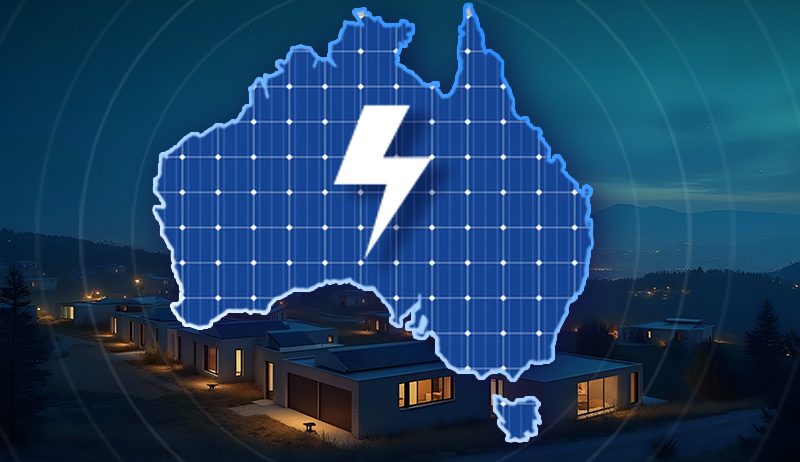
This support is reflected in the rapid uptake of rooftop commercial solar panels, with Australia boasting one of the highest per capita installations globally. 

Moreover, community-led initiatives and local government programs are crucial in driving the adoption of renewable technologies, further demonstrating the public’s commitment to a sustainable energy future.

How to Speed Up Australia’s EV Revolution

Speeding up the adoption of electric vehicles (EVs) is a key step toward cutting carbon emissions from transport and reducing reliance on fossil fuels.  

To make EVs more accessible and attractive, Australia can focus on three main strategies: 

1. Infrastructure Expansion

Building a reliable and widespread network of EV charging stations is essential. It includes fast chargers in cities, suburbs, highways, and remote areas, making it easier for drivers to travel longer distances with confidence.  

2. Incentive Programs

Offering financial support, such as purchase rebates, reduced registration fees, and tax credits, can help lower the upfront cost of EVs. It makes them more affordable for everyday Australians and encourages faster uptake. 

3. Public Awareness Campaigns

Educating people about the benefits of EVs—like lower running costs, less maintenance, and reduced emissions—can help dispel common myths and build trust in electric mobility. 

The Australian Government is already investing in these areas, recognising that EVs are a vital part of the country’s broader clean energy and electrification strategy. 

Unlocking Electric Vehicles: The Role of Electrification Plans

For EVs to work effectively across the country, Australia needs well-thought-out electrification plans. These plans help ensure that EVs are smoothly integrated into the energy system without putting pressure on the electricity grid.  

Key elements include: 

1. Grid Management

As more people charge their EVs, the electricity grid needs to be upgraded to handle higher demand. Smart grid technologies can help distribute power more efficiently and prevent overloads. 

2. Smart Charging Solutions

Smart chargers allow vehicles to charge during off-peak hours or when the renewable energy supply is high. This helps reduce strain on the grid and lowers consumers’ charging costs.  

3. Renewable Integration

Linking EV charging with renewable energy, like solar and wind, maximises the environmental benefits. Charging EVs when green energy is abundant helps cut emissions even further. 

By planning and investing in the right technology, Australia can fully unlock the potential of electric vehicles while building a cleaner, smarter transport future.  

Powering Your Off-Grid Life

Driving Towards a Sustainable Future With Electrified Living

Australia’s energy revolution, powered by electrification and a commitment to renewable energy, is paving the way for a sustainable and prosperous future.  

Through coordinated efforts across government, industry, and communities, the nation is transforming its energy landscape, reducing emissions, and setting a global example in the fight against climate change. 

Start your electrified revolution today! Contact Cyanergy and talk to an expert.

Your Solution Is Just a Click Away

The post How Electrified Living Powers Australia’s Energy Revolution appeared first on Cyanergy.

How Electrified Living Powers Australia’s Energy Revolution

Continue Reading

Renewable Energy

UK Unlocks 10 GW Offshore Wind, Revolution Wind Powers Up

Published

on

Weather Guard Lightning Tech

UK Unlocks 10 GW Offshore Wind, Revolution Wind Powers Up

Allen covers Britain’s radar fix unlocking 10 GW of offshore wind, Revolution Wind delivering first power off Rhode Island, typhoon-proof turbines rising in the Philippines, and an Iowa bill to dim turbine lights at night.

Sign up now for Uptime Tech News, our weekly newsletter on all things wind technology. This episode is sponsored by Weather Guard Lightning Tech. Learn more about Weather Guard’s StrikeTape Wind Turbine LPS retrofit. Follow the show on YouTubeLinkedin and visit Weather Guard on the web. And subscribe to Rosemary’s “Engineering with Rosie” YouTube channel here. Have a question we can answer on the show? Email us!

This is Uptime News Flash. I’m Allen Hall. Here’s the wind energy stories you need to know.

For years, offshore wind developers in the United Kingdom ran into an invisible wall. Not weather. Not financing. Radar. Military air defence radars could not distinguish a wind turbine from an aircraft. So certain stretches of British waters were simply off-limits to offshore development. Not anymore. The UK government has purchased specially designed air defence radars built to coexist with offshore wind farms. Installation begins in early 2029. Ten gigawatts of previously blocked offshore wind capacity, now unlocked. That follows the largest single offshore wind procurement in British and European history — 8.4 gigawatts, at a price forty percent lower than new gas. Enough to power twelve million homes.

And the UK is not stopping at the water’s edge. The government has also proposed removing planning permission requirements for small onshore turbines up to thirty meters tall, no bigger than an oak tree. Farmers. Schools. Factories. All of them able to generate their own clean power on site. No planning application required.

Now, let us cross the Atlantic. Off the coast of Rhode Island, the Revolution Wind project is delivering on a promise that once seemed very much in doubt. On March thirteenth of this year, Revolution Wind delivered its first power to the New England grid. The project is led by Ørsted, the Danish offshore wind leader, alongside Skyborn Renewables. As of March sixteenth, the project stood ninety-three percent complete. Sixty-five turbines, each one eleven megawatts, manufactured by Siemens Gamesa. When fully operational, Revolution Wind will power more than three hundred and fifty thousand homes in Rhode Island and Connecticut.

Let us go somewhere you might not expect to find wind energy news today. The Philippines. Spanish firm Acciona Energia has installed the first turbine for its Kalayaan 2 wind farm in Laguna province, in the Philippines. One hundred and one megawatts. Seventeen turbines, Goldwind GW 165 units, each one six megawatts, with blades spanning one hundred and sixty-five meters. Every one of them designed specifically to survive typhoons. Structural reinforcement. Smart control algorithms. Advanced sensors to protect infrastructure during storms. Commercial operations are scheduled for December of this year. When that happens, roughly two hundred and fifty thousand tonnes of carbon dioxide will not enter the atmosphere, every single year.

And finally, back home in Iowa, a bill is moving through the statehouse that has nothing to do with megawatts. It is about sleep. Iowa House File 2081 would require wind turbines across the state to use aircraft detection lighting systems. Instead of blinking red lights all night long, the lights would only activate when radar detects an approaching aircraft. The bill’s sponsor, Representative Dean Fisher of Montour, put it simply. His constituents used to enjoy a quiet sunset view. Now they stare at rows of flashing red lights through the night. About twenty-seven percent of Iowa’s turbines already have the sensor-based lights. The rest are being upgraded, year by year. The American Clean Power Association registered undecided. New projects, they said, are already planning to use the sensor lights. But retrofitting existing turbines? That cost goes straight to the customer. No groups registered in opposition. Even the environmental advocates said yes.

And now you know the rest of the story. From British radar systems finally making room in the sky for offshore wind, to a court-rescued project delivering first power off Rhode Island, to typhoon-proof turbines rising in the Philippines, to an Iowa lawmaker who just wants his neighbors to sleep — wind energy in 2026 keeps moving forward.

And that’s the state of the wind industry for the 23rd of March 2026. Join us for the Uptime Wind Energy podcast for more.

UK Unlocks 10 GW Offshore Wind, Revolution Wind Powers Up

Continue Reading

Renewable Energy

The Catastrophic Shift in America’s Impact on the World

Published

on

It’s not as if the United States has held the moral high ground throughout its history, with its slavery, the butchering of the Indians, Jim Crow, the support of tyrannical dictatorships around the globe, and the corrupt suppression of the working class in favor of Trump’s billionaire donors.

Yet, it was very recently that the entire nation became a force for the destruction of civil society.
The Catastrophic Shift in America’s Impact on the World

Continue Reading

Renewable Energy

We’re Running Out of Time

Published

on

There really are threats to human civilization that seem to be mounting in intensity:

• World fascism.  (If it can happen in the U.S., it could conceivably happen anywhere.)

• Environmental collapse.

• Malicious use of AI.

• Pandemics, as misinformation on vaccinations spread and the frozen tundra melts, releasing pathogens never seen by humans.

• Nuclear war.

Addressing the point made at left, is there any scenario in which world governments agree to cooperate so as to stave off the end of an organized society here on Earth?  One supposes so, though it sounds far-fetched in today’s world in which the leaders of most of the 200+ sovereign nations are trying so desperately to cling to power.

We’re Running Out of Time

Continue Reading

Trending

Copyright © 2022 BreakingClimateChange.com
