

Weather Guard Lightning Tech
ACP Recap, Chinese Cybersecurity Threat
Allen, Phil, and Joel cover the low turnout at American Clean Power in Phoenix, the US House’s budget bill affecting renewable energy incentives, security concerns over Chinese equipment, and a patent infringement lawsuit filed by 3S Lift.
Sign up now for Uptime Tech News, our weekly email update on all things wind technology. This episode is sponsored by Weather Guard Lightning Tech. Learn more about Weather Guard’s StrikeTape Wind Turbine LPS retrofit. Follow the show on Facebook, YouTube, Twitter, Linkedin and visit Weather Guard on the web. And subscribe to Rosemary Barnes’ YouTube channel here. Have a question we can answer on the show? Email us!
You are listening to the Uptime Wind Energy Podcast brought to you by build turbines.com. Learn, train, and be a part of the Clean Energy Revolution. Visit build turbines.com today. Now, here’s your host. Allen Hall, Joel Saxum, Phil Totaro, and Rosemary Barnes.
Allen Hall: Welcome to the Uptime Wind Energy Podcast. I’m Allen Hall, and I’m joined today by Phil Totaro and Joel Saxum.
Rosemary Barnes is over in Sweden, and Rosemary’s gonna miss out on a very active week in renewable energy, at least in the United States. we should probably start with American clean power, which as we are recording, just finished the day. It was in Phoenix, Arizona. Things I’ve seen online, Joel, were that they were expecting around 10,000 people to attend that event, but watching LinkedIn, and I did not attend it this year, unfortunately, or fortunately, is my daughter’s graduation.
So [00:01:00] I wanted to be there. I. But it looked like the hallways were pretty empty, which was a little shocking.
Joel Saxum: Yeah. So Allen, I wanna preface what you said there by, changing, a CP was in Phoenix too. A CP was in 106 degrees Phoenix today. it was a little bit toasty walking around in the suit jacket, but, of course, everybody, had theirs on.
but no, you’re, a hundred percent correct. I was there all week, of course, weather guard brand there, talking lightning with everybody and, strike tape. And we had the uptime wind energy banner. We talked to a ton of podcast fans, which was really cool. so the hallways were, Tuesday morning was great.
Tuesday afternoon, Wednesday, Thursday. It just got slimmer and slimmer. and, there was some kind of logistical things there too. This trade show was oddly on two different floors that were separated by four escalator sets. I think like it was a, maze to get up to the other thing. Yeah, it was, pretty wild, in that respect.
[00:02:00] And you saw some of the same players that you always see at these trade shows, right? But there was quite a few new ones walking around, doing a little, tour day, exhibit, exhibition floor. A lot of different new companies, that I wasn’t used to seeing, in the solar space.
some software, some, a lot of little AI software things that you’ve been hearing about as well. battery storage, quite a few battery storage companies and that battery storage supply chain starting to spread out. You had some battery safety companies and stuff like that, which was great to see.
I know I talked to some of our insurance friends and they were bouncing around talking with all the battery storage people and the solar people and that kind of stuff. but yeah, it wasn’t very heavy, heavily wind as it has been in the past we’re, which we’re, usually used to. another factor.
to walk the show floor was $1,600. [00:03:00] So that’s, that, deters quite a people. And when, we had talked before we go to the show, of course we wanna connect with our clients, connect with colleagues, connect with old friends, and you start sending out these emails and there wasn’t a whole lot of asset owners and operators coming as they, as we usually see, and it showed on the show floor.
I didn’t talk to that many asset owners and asset operators as we usually do. I’m talking probably. A quarter of the traffic that we’re used to from those people.
Allen Hall: I Is that just because the, operators are trying to pull back on the travel budgets or was it more about just the state of the industry at the minute or were, because of the time of year and where it was the people that wanna travel to Phoenix, what.
What was the feeling there?
Joel Saxum: I think it was a bit of all the above. OOMS, the ac, other a CP event, the operations and maintenance, which is, where a lot of our, focus is on the commercial side. That was a good event. That was a well attended event, Nashville this year. A [00:04:00] lot, quite a few asset owners and operators there.
So I think that, they used their budget on that one a little bit more this year than this. of course you’re in Phoenix, which is an odd place. it’s. Button up against Memorial Weekend, which is graduations, right Allen? so, it’s a, it’s not an awesome time of the year to be putting something like this on, in my opinion at least.
Phil Totaro: At least we’re going to do it in Houston next year, when it’s gonna be in June and even hotter.
Joel Saxum: Yeah, it’s first week of June next year for a CP in Yeah, in Houston. But in Houston, if you think about it this way too, there’s quite a few wind companies there. There’s ISPs there. There is operators there.
Dallas isn’t far down the road that’s got a bunch of ISPs and operators. Same thing with Austin, R-W-E-E-D-P-R-E-D-F, or stead. There’s a bunch of players over in that area, so I, would expect that one next year to be more well attended because travel budgets, you can hop into car and drive [00:05:00] over there.
Allen Hall: you were in Phoenix. The US house passed a budget bill. that was, Approved this morning as we’re recording, that would effectively end the clean energy production, tax credits, and the quote unquote boom in the United States that were spurred on by the IRA bill. And the, for the most part, there’s, still a lot of discussion about this, so none of this is hard fact yet, and it has to go to the Senate.
So there’s gonna be changes made and some bartering back and forth. but some key things here, the production tax credit gets shortened if you don’t have projects started, roughly 60 days after the enactment of this bill. You’re not gonna account for anything. So you gotta hurry up and start digging.
it, it eliminates a, big piece, which is the tax transfer. So when you get these. Production tax credits, you could sell them and [00:06:00] all the tax credits could be transferred and you could re get that cash upfront. the bill changes all that. So you would have to get a tax equity partner upfront, which generally is a bank, and that can be hard to go do in today’s world.
So it’s making it much harder for renewable projects to be developed if this bill were to be signed by the president, which. Who knows where it’s gonna be a couple of weeks from now. Now, Phil, how big is the tax transferability piece of that? Because the discussion in the renewable crowd is that’s probably the most important piece.
Phil Totaro: It, it is, setting aside the fact that this is gonna obviously have a big impact on. Greenfield project development, the, complete removal of any tax transferability, for PTC credits is a bit problematic in that not [00:07:00]everybody was taking advantage of it because it was a relatively new thing and enacted through the, inflation reduction Act in the first place.
So it’s only been in place for three years at this point. Now, on the flip side of it. For anybody involved in operations and maintenance. This is probably a good thing. but again, setting aside the repowering question for now, and I’m again, as we record, there’s no final language to this bill and this law.
it hasn’t been signed in into law yet, so there’s, all we can do is speculate on it. And assuming that they’re gonna change the, immediate, as Allen said this, 60 day, window to start digging for your project, assuming they’re going to kill that bit of it, which is likely, because that’s just too fast of a ramp down.
what it’s good for, what this bill is potentially good for, despite the fact that we [00:08:00] might be losing a production tax credit and investment tax credits. It will spur more companies to try and accelerate their plans for repowering and or life extension.
Allen Hall: I wanna pause here. Take a quick break ’cause I want to come back.
I wanna talk about how much power production the US needs to add every year and what the breakdown is and what it’s likely to be and why changing these. Production tax credits and all the existing IRA bill matters in the growth of the power network in the United States. Don’t let blade damage catch you off.
Guard the logics ping sensors to take issues before they become expensive, time consuming problems. From ice buildup and lightning strikes to pitch misalignment in internal blade cracks. OGs Ping has you covered The cutting edge sensors are easy to install, giving you the power to stop damage before it’s too late.
Visit OGs ping.com [00:09:00] and take control of your turbine’s health today. All right, we’re back and I have been doing a, good bit of research prior to this. IRA bill change that’s likely to happen to see what. The power requirements are for the United States and what generally has been the growth because remember during a recent conversation with Rosemary, we were talking about the growth of AI and how is that gonna affect the amount of power usage and Rosemary’s opinion was, is that gonna affect it that much?
I’m still not sure about that based on the research I’m doing, but just to give you some numbers here, the US needs to add about 33 gigawatts of production every single year over the next 10 years. just to stay even with the growth of technology and electricity usage plus, as older facilities get turned off, you gotta bring new ones on, right?
that creates a, little bit of a complex [00:10:00] situation. So for the next 10 years, if you look at 20, forget about 20, 25 for a minute, let’s look at 2026 to 2035, right? The expected. Percentages of what the, what will be added will be about 40 to 45% will be solar. So you’re thinking about 120 to 150 gigawatts of solar.
That’s a tremendous amount of solar power being that would have to be added to the grid just to stay even. So you’re talking about 12 to 15 gigawatts per year. Wind will be about six, roughly gigawatts a year natural gas. Combined cycle will be about six gigawatts a year. Nuclear will be about one and a half to maybe two, and then battery storage, which is gonna even out the duck curve, is gonna be around maybe five or six gigawatts.
Changing the IRA bill and changing the incentives here is really gonna affect the ability of the United States to keep up with the electricity demand and the [00:11:00] ramp down of old generation sites. You’re starting to see a little bit of noise from, Silicon Valley and other places in the United States, is this smart?
I understand what the, house is trying to do and trying to lower the deficit. I got it. I’m not sure this is gonna help with that.
Joel Saxum: I’ll give you some. this is direct feedback here from the last week talking to the majority of the, and I’m gonna say with renewables industry from ACP talking to ISPs.
Major big ISPs, some of the, like the big, 3, 4, 5 in the country. They multiple people telling me every meeting they walked into. Hey, do you guys do also do solar? Do you also do solar maintenance? You also do solar operations? ’cause people are shifting that way. And if you look at what the installed capacity has been, the growth in the last few years, you’ve seen solar start to take off at a steeper hockey stick than wind because it’s quick.
And that’s the thing about this, right? So if we, if, the demand is growing as fast as we see it growing, the [00:12:00] only things you can put in the ground fast are solar, wind, and batteries. You can’t put. Gas and fast. You can’t put new, if we try to put a nuclear plant in right now, anywhere in the country, it’s gonna be 2035 before we get first power out of it anyways.
Or 2034, whatever it may be. But it’s, down the line like this. That’s not gonna happen. So if you’re going to introduce legislation to curtail or to just really stomp on the ability for greenfield renewables. It’s the only thing we can build fast enough to keep up with demand.
So we’re gonna end up with rolling brownouts, get your generators.
Phil Totaro: And keep in mind that the small modular reactor that GE Renova is developing, that has been proposed for the TVA site in Tennessee that’s only just getting started and is, not likely to come online very soon. You’ve got a four year backlog of gas turbines at GE Renova.
and I, they actually, I didn’t read [00:13:00] it this morning by the way. so I don’t know if they actually extended that backlog, when they reported their numbers, but, you’ve got a similar situation with, with Siemens as well, with their gas turbines. at least a three year backlog.
And so where are you getting the power from? presumably those, the, all these gas turbines are gonna be, put in place for, projects that have already been approved and consented. But again, you’re not addressing that immediate concern of demand growth with the. the immediacy of, being able to deploy something like solar, wind, or batteries that’s going to address that demand growth quicker than what you’re gonna get out of any other form of power generation.
Joel Saxum: So here’s an interesting, thought process, right? We have these interconnection queues with renewables stacked up in ’em 10 miles [00:14:00]long, right? And all of a sudden if they’re gonna lose the capability of putting PTCs, if they haven’t, if they don’t have shovel ready, like in the oil and gas world, some of these contracts used to be written like, you go park a bulldozer on this land and it extends your lease and extends your, like that was the way that some of these were written.
I don’t know if wind is that way or if you’ve gotta have components on site or you gotta be digging dirt or something. I don’t know how the contracts work to, to secure those PTCs. However, if we get to the point where we have a few years of desert for PTCs, what I would expect then is the next step is when we get these.
These, greenfield developments pushed into the interconnect, and they’re gonna connect them anyways, then the power prices to the consumer are gonna double, or they’re gonna at least have to go up enough to cover what PTC was, which is basically in most of the United States, you’re gonna, your power price is gonna double.
correct me if I’m wrong, I mean, Allen, what do you think about that? Does that make sense?
Allen Hall: I don’t know if it’s gonna double, but it’s gonna go up 15, 20% I think easily, because they’re going to have to add the generation [00:15:00]capacity regardless if there’s tax credit or not. In order to keep from the brownouts from happening, they will have to add generation.
In order to do that, you have to pay for it, in order to do incentivize, and basically incentivize companies to start putting generation up there that they’re gonna have to pay them. Extra more than they are right now to go out there and develop or they won’t, or they just won’t do it. So that’s gonna be in a real bind.
And then the demand’s gonna get greater than the supply. And then the prices are obviously gonna go
Joel Saxum: up. Like we’re up against, we’re, against physics here. Like you can’t, you just can’t change some of these things. You can say drill, baby drill. We want to be the, biggest gas and oil producer or whatever.
That’s great, but we don’t have the, turbines to burn the stuff to make power out of it. So Cool. And gas is gonna be cheap for your car, great. But it’s not gonna go into the power grid because we don’t have the stations to, to transform it into electric electrons.
Allen Hall: No, we don’t and we won’t.
[00:16:00] Which I think the, when the Senate gets this bill, that’s gonna be a lot of discussion about that because senators think are like. Cats, they’re all just going each in their own independent direction. The house, you can, gather them together and get them all to vote as a block, which obviously has happened over the last, I don’t know, 20 years or so.
But the Senate kind of moves around a good bit. So one senator can change everything or a couple of, a handful of senators, two or three actually can change everything here. It’s not good for the growth of, the power industry in the United States. And I wonder if, the desire to reduce deficits is, not going to have a good effect on the growth of the economy of the United States.
It’s a very weird development. It seems like things were done at the last second, To me, just reading the news, like nothing, Oh my gosh. We [00:17:00] gotta get rid of the production tax credit. Oh my gosh. The deficit is overwhelming. We gotta kill all the solar and wind. How do those things go together?
I don’t know. but hey, you want higher electricity prices? You’re gonna get it. And it’s inevitable. It’s inevitable. We just moved from Massachusetts and North Carolina, Massachusetts. Electricity rates are practically double hole almost of what they are in North Carolina. There you go. And we live next to a nuclear power generation station just down the street.
yeah,
Joel Saxum: I
Allen Hall: get it.
Joel Saxum: So Allen, so just so we’re clear, watch for extra fingers and stuff. ’cause when they start to sprout, you might wanna move again.
Allen Hall: I have to say the nuclear facility is near us. Has had, has been run really well. It is one, it is a pride and joy of the area actually.
Joel Saxum: As busy wind energy professionals staying informed is crucial and let’s face it.
Difficult. That’s why the Uptime podcast recommends PES WIN Magazine. PES Wind offers a [00:18:00] diverse range of in-depth articles and expert insights that dive into the most pressing issues facing our energy future. Whether you’re an industry veteran or new to wind, PES Wind has the high quality content you need.
Don’t miss out. Visit PS wind.com today.
Allen Hall: Joe, do you remember about, oh, maybe two, three weeks ago, maybe a month ago now, where, there was concern about. Chinese manufactured equipment, having the capability of being shut off remotely or controlled remotely from China. And one of the executives, one of the Chinese manufacturers said, Hey, check our equipment.
There’s nothing there. somebody did, the US Department of Energy did. Yeah. And so still have some European countries actually. So there’s been a lot of investigation about this and it turns out, and this is early days because there’s not a lot of detail, that there has been found to be undisclosed communication devices and some of these inverters [00:19:00] that are used in solar panels and wind turbines, and it has caused a.
Bunch of problems because obviously there’s, China and Europe and the United States are not necessarily friend with one another and there’s a surveillance aspect. And the concern has always been that if, China can flip a switch and shut off the European grid or shut off the United States grid, that’s a huge national security problem.
And if they did find communication devices in inverters, there have to be some circuitry there, there some components there that shouldn’t be there. Wow. Just, wow. And I don’t even know where they go next, Phil,
Phil Totaro: where are, what do you do next? So let’s, take a step back and make sure we all understand what we’re talking about here.
in. Some of the energy storage devices and in the converters themselves, what they’ve done in the battery management systems for energy storage and the [00:20:00] inverters for solar and batteries and a little bit of wind. They found basically cellular modems. So you’ve got this situation where they can.
Make a demand of their domestic companies to say, hey, let’s, use this remote capability to, turn something off. As you said, the, national security implication of that alone is enough to get people thinking, alright, maybe we shouldn’t be, so dependent on a Chinese supply chain.
And what it means now from a practical standpoint is that if we. The Europeans start mandating that every single one of these things gets inspected during customs inspections to ensure that there’s no, listening device or spying device, or cellular modem or whatever else that’s not supposed to be there if anything’s in there that shouldn’t, okay?
Even if we make the Chinese. Pay [00:21:00] the cost of doing those inspections, we’ll do the inspections, but we, basically, it’s in addition to tariffs that we’re already surcharging them with, there’s gonna be another surcharge for inspections. Now it’s just eroded the entire cost benefit of sourcing anything from China.
Joel Saxum: To me, this is surprising that it’s taken this long to figure some of this out, to find this out to, to discover this because. At the end of the day, if anything’s being transmitted, it’s rf, right? That’s pretty easy to scan for. Like you can buy an RF scanner on Amazon. that’s not a big deal. And, to the level of security that we deal with.
So when, Allen and I are talking to any operator in the States anymore about when we’re putting strike tape on, right? We’re, if we’re fixing their lightning problems, we’re also monitoring with it. And it’s I simple IOT devices to monitor for lightning strikes. Great, right? That everybody’s happy, but then the engineers always go, oh, we gotta go through the cybersecurity stuff.
Fine. we’re armed to the teeth with all the information to [00:22:00] make sure that this, passes muster IOT wise. So we don’t have an issue with it, but some of the questionnaires that we see come out of these operators pages upon pages of cybersecurity questions. So how is it that some of these major components have snuck by.
at this time, and we haven’t heard of this yet, like why is it something that’s just popping up now? That to me is surprising specifically with the level of, gigawatts or level of components installed in the United States. we’re talking, what are we up to now? 75 in change thousand turbines.
Yeah. And I don’t know, I can’t count how many solar panels and inverters are out there in the tens of
Phil Totaro: thousands.
Allen Hall: Yeah, Joel, it’s a really good point. What is the United States and Europe gonna do? Are they gonna go back through and figure out what. Inverters have these
Joel Saxum: man, I don’t. So, if the, but that’s the other thing too, right?
If the RF isn’t actively, if the RF isn’t actively transmitting, how are you gonna do this? This isn’t impossible. This is a damn near impossible needle in a ha needle, in a needle stack
Allen Hall: [00:23:00] like thing, right? There’s ways, there are ways to do it, to make it think. It needs to come alive and start talking. And my guess is that’s how they’re going to figure out where these devices are, is to try to turn ’em on and see if they’ll talk.
But wow. Can you imagine the. Pain in the rear that’s gonna be involved in ripping out all these inverters and replacing them with some European, or God forbid, American made product because there’s not a lot of American made inverters. It’s mostly like A BB, right? It’s gonna be over in Europe.
Phil Totaro: And to be clear, it’s not that they’re bad, Allen, it’s that they’re expensive,
Allen Hall: they make high quality inverters.
It’s just that if, you think about if you’re an A bbb, let’s use A, B, B as an example. If you’re A, B, and you know that there’s gonna be. Man, 25,000 inverters are gonna think, be polled in the next six months. You can’t ramp up production fast enough to fill that order, even though you would love to.
And every salesperson who works for A, B would love to have that commission check, but you just can’t do it. So what do [00:24:00] you do? Do you have to shut down the field one by one? I guess you gotta go
Joel Saxum: just start going through things.
Allen Hall: if you’re an inverter technician.
Joel Saxum: Great job. Here’s a business model for an ISP start advertising that you can scan for these things.
Figure out how, oh
Allen Hall: man, what a mess. And speaking of messes, when, you guys, when Joel was in Phoenix, Phil, you were in Phoenix too for a little bit,
Phil Totaro: Yes, I was, and I, was able to get into the show floor, but I did not see what you’re about to talk about.
Allen Hall: Wow, you missed a good one because wind turbine equipment manufacturer three s.
Americas filed a patent infringement suit against, Cooper New Energy in Arizona Federal court. and the lawsuit alleges that Cooper’s free climber lifter product infringes on three S’s patent for, traction machine and lifting equipment technology, and [00:25:00] it really centers around that. Cooper was at clean power showing the device.
That looks very similar to the Climb Auto System. From what I can tell in the, lawsuit, paperwork that was filed. it looks really similar. And three s Lift said, Hey, there’s a patent infringement going on here. We are going to shut you down while you are at clean power. Wow. That’s major. They must have known, had an indication that, Cooper was gonna be at clean Power, but.
Phil Totaro: Wow. So let me, help dissect this a little because what happens with situations like this is you may have a Chinese company that’s copied something from another company, and even though there may be patents in China as well, I. When they go into a more litigious market like the United States or the uk, or even elsewhere in, in Europe, or Brazil for that [00:26:00]matter, you’re, likely to face a lot more scrutiny.
The way this worked out is on, on or before, the show opened on Monday, Cooper imports this supposedly infringing technology. They, as they’re doing their booth setup and all that, somebody from three s Lyft is also doing their booth setup, and they just walk over and take some pictures.
And by Tuesday morning, so the show started on Monday. By Tuesday morning, they had this complaint filed in the federal district court in Arizona. So three s Lyft is not screwing around. And the, point I’m trying to make with that is twofold. One, they’re trying to get ahead of. Cooper coming into the US market and undercutting them on the sales of, auto climb and, climb assist systems.
And second, it underscores why you need to, not to put it [00:27:00] sounding too much like a commercial, but it’s why you need to work with a company like ours that does IP risk certification. This is exactly what we can prevent.
Joel Saxum: When you look at the, it’s a full on lawsuit filed in one day.
This wasn’t done in one day. Three s knew this was coming and they waited until clean power and went Gotcha. That, that, that, was, that’s what happened. And it was a, to be honest with you, whether they get an injunction or not, this wave, this big red flag that’s gonna stop people from buying from that company.
Whether, the, whether legally they, they get forced to or not. if you’re operator X, Y, Z, you’re gonna buy a three S lift instead. Sorry. That’s what’s gonna happen.
Allen Hall: you should buy a three s lift because those things are awesome. It’s a good product. Yeah. Technicians love those things. Yeah.
Phil Totaro: why, do you think somebody wants to copy it? Exactly.
Allen Hall: That one’s hard to copy. ’cause they have so much technology built into those, climb auto systems. I. [00:28:00] Yeah, this, was, obviously Cooper’s gonna say they didn’t infringe and it needs to get adjudicated, and I’m sure that it will because it’s N three S’s.
It’s three S’s right? To go do it. So they’re going to go do it and they’re gonna try to get an injunction. And I’m surprised I haven’t seen more of it. And as, as we are discussing here, the, role of, Chinese manufacturers, it’s a touchy subject, right? There’s a lot going on in that space at the moment.
And this week has been in, my opinion, one of the busiest wind energy weeks of all time. At least the United States. Hopefully things are calmer in Europe than they are in the United States right now. It has been. I, can’t keep up with it anymore. it’s really every in the morning, in the afternoon, I’m checking the news.
There’s always something else that’s happened. my gosh, how do you even manage this if you’re, running an operator right now, [00:29:00] or an ISP or even some of the investment companies that are involved in solar and wind. Whoa. This week has just reset everything.
Joel Saxum: I gotta tell you some more. I’ll touch on a CP again, to me, to be honest with you, it sounded like a lot of people.
Tried to almost put their heads in the sand about what was going on, IRA. It’s like they didn’t want to hear it, they didn’t want to hear that bad news. They didn’t want to like, people were like, oh man, to this morning. did you hear about that? Yeah. And then people didn’t wanna talk about it. and on the other side, I was looking at some people when, when the, the stop work order got lifted for Empire Wind?
I was. Osted stock jumped 20%. Vesta stock jumped like 14%. And then you get this bill this morning and all of a sudden boom. And it’s oh, if you’re, an investor looking at renewable energy companies, holy volatility, So the whole industry is just reeling.
Phil Totaro: Yeah.
Joel Saxum: That’s not
Allen Hall: specific to wind.
True. But there American clean power aspect [00:30:00] to this. And it doesn’t feel good right now. I think a lot of operators are upset about what happened with the IRA bill and then what’s happening now and has there been leadership in Washington DC to provide guidance because the, words I have seen in the last 48 hours, don’t move the needle.
You need to be moving the needle. And I’m not sure what the lobbying is at the moment, but it doesn’t feel like it’s having any impact at all, which makes. Everybody involved with American clean power, take pause, and I’m sure there’s a lot of loud phone calls at the minute.
that’s enough for this week because I pretty much can’t take anymore. I don’t wanna, it’s just depressing enough at the moment. It’s gonna get better. It’s gonna get better. We’re gonna figure this thing out. Maybe. Maybe it’s a paradigm shift. Maybe it’s a temporary blip. It’s hard to tell right now. I think [00:31:00] we’re it’s too early to get a sense of where this is headed, but.
Keep listening to the Uptime Wind Energy Podcast. We’re going to bring you the latest news and we’re going to suss through it so you don’t have to. So we’ll be here next week, hopefully with some better news. I’m Allen Hall. I’m here with Joel Saxon and Phil Dero. We’ll see you next week.
https://weatherguardwind.com/acp-chinese-cybersecurity/

It’s actually surprising that it took so long for Trump to favor Putin in Russia’s war with Ukraine.
Trump loves all the things that Putin stands for: brutality against dissidents, defying the law, war crimes, lies, and fascism.
If it were possible, Trump would enjoy the same absolute power that Putin has, and Kim Jong Un has in North Korea.
 To his credit, Trump is astute when it comes to the timing of his atrocities. Had he abandoned Ukraine in favor of Putin’s Russia too early, the American people would have been outraged.
Now, after Iran, detention centers, gas prices, farm failures, killing clean energy, years of support for white nationalism, gutting U.S. education, and so forth, Trump’s backing Russia seems perfectly normal.
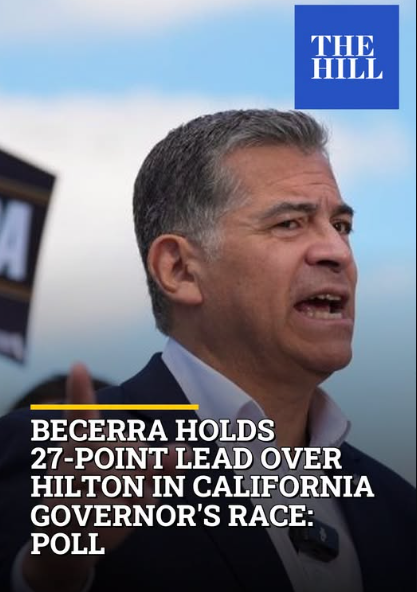 Bercerra comes with some baggage, but at least he’s not endorsed by Trump.
The bulk of California’s population lives on or near the Pacific Coast, and consists of affluent and well-educated people who want to see Trump removed, convicted, and incarcerated. Yes, the inland folks are largely farmers, but their numbers are far too small to elect a Republican in the GOP of today, with this corruption, ignorance, racism, and cruelty.


