



The post How Commercial Solar Cuts Business Energy Bills by 30% in 2026 appeared first on Cyanergy.
https://cyanergy.com.au/blog/how-commercial-solar-cuts-business-energy-bills-by-30-in-2026/

ECO TLP Brings Concrete Foundations to Floating Wind
Nicole Johnson Murphy, CEO of ECO TLP, and Gordon Jackson join to discuss concrete floating wind foundations, production-line construction, and markets from Hawaii to Japan.
Sign up now for Uptime Tech News, our weekly newsletter on all things wind technology. This episode is sponsored by Weather Guard Lightning Tech. Learn more about Weather Guard’s StrikeTape Wind Turbine LPS retrofit. Follow the show on YouTube, Linkedin and visit Weather Guard on the web. And subscribe to Rosemary’s “Engineering with Rosie” YouTube channel here. Have a question we can answer on the show? Email us!
Welcome to Uptime Spotlight, shining Light on Wind. Energy’s brightest innovators. This is the progress powering tomorrow.
Allen Hall: Offshore wind obviously is a big deal right now. There’s a lot of, uh, countries looking at it and investigating it, doing it, uh, but not really at scale yet. And this is where ECO TLP comes in and. Nicole, let’s just start there with a background. What problem were you trying to solve when you started Eco TLP?
Nicole Johnson-Murphy: Yeah, so, so we were designing for, uh, a site off of Hawaii in 2011, uh, for the Hico RFP. And so we were designing for 300 meter water depth from the beginning. Um, so we were always trying to find a way to work with the ports, with the vessel, with the infrastructure that was existing off Hawaii. And with, and that worked with Jones Act vessels.
So we were always trying to meet that [00:01:00] requirement with, you know, and meet the cost, try to, we saw there were much tighter margins in offshore wind than in oil and gas, for example, at that water depth. So we’re trying to find something that was cost effective.
Allen Hall: Next question, obviously is what makes those deep water foundations so difficult?
Gordon Jackson: Well, it’s the water depth, uh, primarily, um, you know, uh, you need to put foundations down in, uh, extremely deep water. Um, and they’re gonna be pretty flexible. Um, so you’re trying to control the, the amount of motion that you get at the surface through your, uh, uh, you know, your deep water, uh, facility. So, um, it’s really.
Really that challenge, you know, and, uh, you know, the weight of components through the water depth, like, um, you know, likes of chain would be completely impossible. Um, in 300 meters of water. Uh, you need to use something that’s a little bit lighter. Yeah, to mow you to the, uh, to the seabed
Allen Hall: [00:02:00] because it does seem a little odd just not to make the foundations taller, basically.
More steel drive it down in, we know that process, we understand that process. It works offshore, uh, near shore in a, in a lot of locations. But once you get to what depth as it becomes financially or engineering wise, impossible
Gordon Jackson: for offshore wind, fixed, fixed structures in, I mean, maybe a hundred meters of water are gonna be.
Economic. Um, but you know, they’ll be costly compared to what’s been done now because, uh, you know, of all the extra structure you need for the, uh, for the deeper water. But, uh, I think you’ll see, you know, a crossover between fixed and floating, you know, around the, um, you know, 70 to a hundred meter water mark.
You know, that’s sort the range.
Allen Hall: Well, and that leads to the next question, which is. It’s all financial, right? At some point, the numbers [00:03:00] don’t work. If the cost of foundations don’t come down, especially in fixed bottom offshore or floating offshore, we lose a lot of offshore wind resource. Uh, Nicole can, can you gimme a scale at what we’re missing if we don’t get to a more economical solution for floating offshore?
Nicole Johnson-Murphy: So we’ve estimated for our market for, um, a very deep water market. So we, we now actually have a, a solution that goes across all water depths. So we’re starting with, um, you know, this, this gravity based structure now with, and, and Gordon’s team has been really involved in that, uh, development. And then now we can take that same slip form, concrete cylinder.
Format and take it across all the water depths. So, so we basically can hit every water depth now for a very low cost. It’s a very simple, just, you know, local, regionally designed and built, uh, system. We, we crowdsource the labor and the inputs. Um, and so we [00:04:00] try to, and we also try to give the procurement team of our clients their, you know, an ability to do their job and, and be able to bid out aspects of our design, um, across.
Different vendors. So you always wanna give, in construction, you always wanna give, uh, the procurement team a job to do so they can actually get that price, keep that price down on the installation.
Allen Hall: Yeah, that’s a unique look that eco TOP is putting to this problem. Which is moving away from steel, which is expensive obviously, and it’s sort of difficult to transport at times to a more localized solution, which is concrete.
And thinking about the problem a little bit differently, does that open up a number of doors then in terms of the countries that can get involved in, in floating or near shore, uh, wind projects, but just because you’re driving the cost down?
Nicole Johnson-Murphy: Absolutely. And I’ll let Gordon speak to the ax. He’s worked. His whole career in offshore concrete.
But I think it’s, I think it’s a, it’s a great, it’s the only way we would do it. We actually have shipyards in our companies, our partners own [00:05:00]shipyards, and we, we just would never probably ex try to try to create this many units across the world and scale and steel. We’d only do concrete.
Gordon Jackson: Yeah. My first concrete project sort of broke the mold of how you do, uh, construction of concrete offshore structures.
Uh, it was entirely built within a dry dock and, uh. After we’d gone on and delivered that project, um, that was in the late eighties. I spent the next 10 years, uh, working on projects all around the world, looking at doing the same sort of thing in different countries. Um, because you, you only needed, you know, 10, 12 meters of water, um, at the shore and you could, um, build a structure and um, you know, get it out there in the water.
Um. It really opened up the market for, for offshore concrete structures that, uh, that, uh, first project that we did.
Allen Hall: So using that first project as leverage and knowledge of how to do these things, how much advantage [00:06:00] does concrete give you over steel?
Gordon Jackson: It, it’s difficult to say because it bends country to country.
Um, and, um, you know, quite often you’re competing against, um, you know, steel built in some, uh, very low cost fabrication countries. Um, so if you’re in a high cost, you know, high labor cost country, like, you know, I worked in Australia, um, and um, you know, the labor cost there was extremely high. So concrete wasn’t particularly cheap, but the overall solutions that we came up with, um, were cheap.
You know?
Allen Hall: So does that involve basically like slip forms or how are you, how are you thinking about that problem? Because it’s a huge engineering task and you only learn. By doing it on some level because all great plans, uh, always run into trouble as soon as you try to implement them. So you took all that previous knowledge and then applied it to this problem, and now you have, uh, uh, basically [00:07:00] trimmed or, or slimmed, uh, the design down into, you have a, a very economical model, even in more uneconomical economies because of labor laws and cost of labor and access and those kind of things.
What does that look like now? And what’s your thought process on, Hey, this is what it’s gonna look like? Can we get, uh, keyside, how do we do this and how do we keep this thing simple?
Gordon Jackson: Uh, well the key thing is we’re looking at, uh, a production line approach, which has been, you know, it’s tried and tested for, um, for marine, for marine concrete construction, you know, construction of key walls and um, and you know, the like, um, we’re using exactly that same system.
We’ve just been tried and tested to create a production line of, um, eco TLP units or eco GBS units where we’re building, you know, onshore and where we’re going from station to station, doing a task at each station. [00:08:00] So it’s exactly like a production line, um, you know, that you’re be familiar with and, you know, you load out the completed structure onto a, a barge, um, and then you.
Submerge that barge and your structure floats off and that’s, that’s the real key to getting the, uh, the economy from the, the concrete basis.
Nicole Johnson-Murphy: Yeah, and I’ll say that the opex is really something we focus a lot on because it’s, it’s not just what you’re doing on the CapEx and the development and the port, it’s actually that 30 year lifetime maintenance.
And this is a, when you, we fully submerge our floater, which is basically inert in the ocean. It’s, it’s very eco-friendly with the ocean. There’s no paint, there’s no, you know, maintenance on the floater over the lifespan. You’re, you’re monitoring those, the moorings and the, the weight of any marine, you know, buildup on those moorings and things like that.
But generally it’s a very low maintenance solution and it’s very heavy and kind of like a comfortable car [00:09:00] ride for the turbine. It, it really has slow motions. It, it’s, um, almost like a, you know, a high skyscraper in the water. You know, you’re just the top of that skyscraper is moving a little bit. But you’re, um, you’re really giving it that comfortable, slow ride over its lifetime.
It’s not hitting a lot of turbulence, like a, a different type of odor.
Allen Hall: Yeah. It is a different concept, really, right? That you have this mass at the bottom and you have this mass at the top, which is the, the cell on the wind turbine. And if you can design it just right, everything dampens becomes stable.
Even in turbulent water. How long did it take you to figure out that aspect of the design? Because it does seem like a lot of projects hit a, an end point right there because the motion of the turbine is not good for the lifetime of the turbine.
Nicole Johnson-Murphy: We, we look at it as a, a kind of hybrid spar, CLP, so, so the original design came from my late father who was, who had designed echo fis for children’s [00:10:00] petroleum in the early.
Uh, late sixties, I guess. And, um, so he’d come from oil and gas and he’d come from that concrete, uh, construction background. And, and he is very comfortable with it. And I think, um, Gordon, that’s part of why I like working with Gordon. ’cause Gordon has that same, uh, sort of long-term view on, on these construction principles.
Um,
Nicole Johnson-Murphy: and I think that, that what we saw though is the margins are so different from oil and gas, and so you have to have almost a poor man’s TLP is what we would call it because it’s. It’s gotta be a very simple version of A TLP that can roll out in mass quantities. And, and as you know, coming up with a company that, you know, business plan, you’d wanna be able to, to really scale the business.
And so we had to come up with something that you can make. In different parts of the world at the same time, you’re not tied to one shipyard or one construction.
Allen Hall: Well, even in terms of ship usage, you’re going to reduce the size of the ship considerably. You’re not using big dedicated ships that are really [00:11:00] expensive to operate or to keep in the area, even just to have them there as a lot of money.
You’re thinking about, uh, a different design in terms of. Simple ships that you can find locally. How much does that really lower the cost of deployment?
Nicole Johnson-Murphy: Quite a lot actually. I, I mean, it depends on, you know, so the other, there’s this other, other aspect of installing the wind turbine on the foundation. So we have this fixed to fixed platform concept where you come further, a little bit further offshore and, and give you that, that draft depth that we need.
And then we have a fixed platform that just stays in place and, and we bring the turbines to it and, and float them out. It’s all a self floating. Unit, whether it’s the GBS that, um, Gordon’s been working with us and or the eco TLP. So we, so we we’re really independent of those large vessels. Um, for the most part, you know, we’re, we’re really try and then you, once you install the turbine, you can tow the entire unit out with two tugs.
Two to three tugs.
Allen Hall: That’s remarkable. So essentially because you [00:12:00] used, uh, a basic. Uh, Henry Ford type process to, to create these foundations and to think about the problem differently. Not only can you deploy it, uh, easier than a lot of things we’re doing right now on top of it, it works over a variety of depths and I think that’s a the hard thing for people to grasp because when we talk about offshore particularly start getting off the continental shelves here, you’re talking about.
More than a hundred meters typically of water. But you also have a, the gravity based system and the TLP system are all sort of interconnected into the basic philosophy. Can you, can you explain like the, the, the backbone of how that engineering works?
Gordon Jackson: Uh, well it’s essentially, it’s, um, we’re using the same structural form in both, both fixed and floating.
It’s, it’s basically, it’s two cylinders, uh, you know, one inside the other. A little bit of structure, which joins the two cylinders together. Um, that’s it.
Allen Hall: Gord, you make it sound so simple, but the, the [00:13:00]engineering is complicated to get to that point. And once you get to that level of, oh, that design actually works in a variety of depths, that opens up your customer base quite a bit.
Have you had inquiries from sort of nearshore people? Or fixed bottom people thinking like, whoa, I could actually save myself a bunch of time and money, which is the, the real limiting factor on offshore wind at the moment. Are you starting to see some momentum there that, uh, operators, developers are starting to rethink this problem and not just do what they did last week?
Nicole Johnson-Murphy: Absolutely. I mean, one of the ways we came about the g you know, taking the Ecot P and transforming it to the eco GBS was, was recommended by a client, was, you know, that was their, their ask actions. That’s, that’s always the best way to start. A product development cycle because, you know, somebody’s interested.
Um, and I think, you know, and part of the reason I found Gordon to work with early on in our, um, the life of our company is, is his background in, in GBS development. He did, he developed the gravitas, uh, GBS [00:14:00] 10 years ago. So I think we, we got lucky that our, uh, civil structural engineering partner with AUP was, was already really comfortable with, you know, looking at this.
Allen Hall: Um,
Nicole Johnson-Murphy: so I think that’s, that’s part of, you know, you always want the clients to be interested, you know, before you start investing. You know, you don’t wanna design a product that’s in your head or your, you know, in your, in your company lunchroom without a real ask for it.
Allen Hall: Right? And I, I think also you have a, once you have the engineering pretty well done and.
Obviously do now you’re trying to touch a number of countries and every culture has its own way of, of one of the construction business to do it slightly differently. South Korea does it different than Scotland, for example. You are working across cultures and trying to make the the same design. Uh, apply to all those different areas.
Are, have you learned [00:15:00] some things from that? Is it, are you able to basically set the same assembly line in every place? Or, or are there different, different kinds of concrete, different kinds of access, different kinds of ports that you have to deal with? What are those variables there that, that change the way you do business?
Gordon Jackson: All the characteristics, ports are, uh, you know, obviously different. Um, but you know, really you just need space. Um. And access to reasonably deep water. Um, you know, from, from that, uh, from that space. And, uh, you know, it can get surprisingly difficult to find that, um, certainly in the UK and, uh, you know, in Northern Europe, people wanna build marines and, uh, waterfront living, uh, rather than having, uh, you know, an industrial facility, uh, you know, on the doorsteps.
So, you know, in, you know, developed countries. Um. It can be hard to find that space. But, um, you know, in some, some parts of the world, you know, there’s lots of [00:16:00] space, um, available. Um, some good port facilities that can be, can be utilized. Uh, and then it’s just in, in all civil engineering works, you know, um, you go to do the job, you go wherever the job is, you mobilize there.
Um. You know, you put in the systems, uh, and equipment that you need to build, build a structure, and then normally you go away at the end of the job, you know, you hand it over to the client. Um, you know what, what, um, what would be good here is if we could set up some regional centers where you’ve done the, done the investment in the yard, um, and then you can, uh, you can amortize those costs of development over a number of projects.
Then you should start to see, uh, you know, real, real good cost savings.
Nicole Johnson-Murphy: Just one thing, you know, our footprint of our, of our cylinders is about a third of the footprint of a semi sub, for example. So, [00:17:00] so our footprint on the land port is very small.
Allen Hall: Well, I think that makes sense because if you watch the fixed bottom projects, particularly in the United States.
The first thing they had to do is rebuild the ports. The ports weren’t set for the scale and so they needed to expand the ports. That means you have to acquire land, you’ve gotta develop it. There’s a lot of processes involved. ’cause you’re talking about city, state, and federal government being involved.
Obviously federal in the United States is a problem. Uh, so just getting the port developed was a huge process for. Fixed bottom. You’re thinking about that differently though, because the, the reduced amount of space, the, uh, you don’t have to be in a huge industrial area, but all obviously it would be nice, but you do run against that problem.
Are you thinking, uh, when you talk about regional centers, are you thinking kind of Mediterranean, west Coast, us, Australia, one in Japan? How do you think about that problem? Because. [00:18:00] Once you get a a site established, it does seem like because of the, how fast you can move these things around that it’ll become a pretty good job center for a lot of people.
Nicole Johnson-Murphy: Yeah. There’s a long-term maintenance, you know, crew that needs to be developed while we build these. Um, yeah, I think, I think, you know, it’s been a moving target of what’s really gonna develop in offshore wind. It’s like Lucy and Charlie Brown with football. I think we, we constantly try to, you know, get lined up to, to kick football and then it falls.
It’s more of the developers I, I feel for on that ’cause they’re these investing tremendous amount of money for these, these development sites. Um, so, you know, we are open to any, you know, we’ve been, we’ve looked at, um, some developers are looking at steel production and concrete production, you know, two different reports servicing.
An array and we’re really flexible. It doesn’t, doesn’t matter. When we first started on that Hawaii project, we were gonna do floating pla, you know, floating, um, [00:19:00] barges to slipform. And, and we talked about that with Arab. Some still this floating dock idea and, and submerging that dock. And it’s just a matter of finding the right, uh, a large enough, um, dock for that type of, so then you’re not even using the land base port.
You’re learn, you’re using kind of just to. Maybe a 400 foot frontage on the, on the, along the port.
Allen Hall: Well, that’s amazingly small, right? Because if you look at some of these ports right now that are doing, uh, fixed bottom offshore, they’re massive, they’re huge sites. You’re talking about something roughly a 10th of the scale to get the same end result, which is turbines in the water
Nicole Johnson-Murphy: for our part of it.
I mean, we still, you still have the components and, and those are, that’s a, it’s another logistical challenge, and so I understand why the ports are. Looking at a lot more lay down space and things, but you know, maybe at a certain point these components are so large that they just stay on a vessel and they, and we, we take them off of a vessel directly and load them in.
Allen Hall: Yeah, I think that’s one of the, the considerations [00:20:00] is do you really tie it to land in, in terms of needing a, a massive amount of space, acres of space, thousands of square meters of space. Do you need that or is this, or can you do it much more efficiently because that overhead adds up over time. Not only are you trying to save on, on the ships and the, especially the dedicated ships, you’re also looking at smaller footprints on shore and doing it a lot more economically.
What does that future look like now, because it does seem like we’re at a precipice where floating wind is no longer just being discussed. In theory, it’s, it’s going to be implemented. What are those next steps here for Eco TLP?
Nicole Johnson-Murphy: So next week we’re headed to Tokyo, to Japan for the wind. Expo and, um, Eric is also presenting at the Asia Wind Offshore Show.
Um, I think we’re, you know, we’re, we’re good to learn. I mean, there’s just so much to learn about each culture, and I think this is something that, you know, Gordon and I’ve talked about in terms of these international [00:21:00] projects, you’ve, you’ve gotta understand your culture that you’re moving into and you’ve gotta understand how to mediate across those different companies that come in.
Our company has seven different. Countries represented in our team. So right now, so, so we’re, we’re a US company, but we’re barely, you know, we’re just kind of by name, but I think most of our team members are, are not in the us and, and that’s international collaboration is something, um, I, I really, I really loved working on it.
And I think, so when we go to Japan next week, it’s really mainly just to learn. You know, we don’t. We have a lot to learn about Japan, and, and that’s what’s fun about each of these, these regions.
Gordon Jackson: And that’s where we can help because, uh, you know, we’ve got a presence in Japan. We’ve been doing offshore wind in Japan, so we’re there, we’re there to help eight to eco TLP with our, those little contacts and uh, you know, h do business, uh, uh, in Japan and things like that.
So, you know, [00:22:00] we have a big international network, so you know, it can help. Some, uh, in some areas, you know, open some doors and, uh, forge some, uh, some friendships between, uh, count companies.
Allen Hall: Courtney did a big project out in Perth, Australia, which is a difficult place, right. Australia is a very difficult place to manufacture things.
What are some of the lessons learned and and what was that process like?
Gordon Jackson: So he had a, a client, uh, a very small client who was prepared to. Seed responsibility for delivering his project to a, to a team, an alliance team. Uh, and he just, um, interviewed a number of teams and, uh, we were lucky enough to be selected, uh, as the team to deliver their project.
There was no tendering, uh, it was just done on, you know, how the, how the client felt about the, the individuals that he met. Um, and that, that was [00:23:00] very new to me. Um, and, um, the whole project was delivered, uh, by companies from the uk, from from Australia, from Singapore, uh, from be Netherlands, you know, the Marine, uh, the marine, uh, vessels.
You know, a lot of ’em are coming from, uh, from, uh, Northern Europe, uh, even though you’re in Australia. Um, and, um, you know, every company wants to do things differently and they all want to look after their interests, but the big thing about this alliance project was that, uh, you were, you were focused on one particular project and we were, um, we were coached and, and facilitated, and trained to, um, to throw away our, you know, our company affiliations and work together.
And, uh, you know, to collaborate together. And, um, [00:24:00] you know, we’re all working towards the, the end goal of delivering a particular product. And I think that’s, I think it’s got a lot of, um, lot of potential to be used in the offshore wind sector. This, this was, uh, you know, uh, an oil platform that we were gonna build on the, uh, the northwest shelf of Australia, um, which happened to be built in concrete, um, because the client.
The client came to us with a, with a, a notion of, of doing something in concrete, um, which we, we took his idea, uh, decided we could do something a little bit cheaper and more straightforward and, um, you know, went on to deliver it. We were given the opportunity to deliver it. And, uh, yeah, I, it was my best project.
Uh, it was a tremendous experience for all the companies involved. And you know, everyone made money so everyone’s happy.
Allen Hall: That is difficult, right? You, you do see on these offshore projects, people coming from around the world to [00:25:00] work on this one big effort, a lot of money, and at times, thousands of people involved.
You see companies stu stumble there, uh, obviously because you’re trying to tie cultures, you’re trying to tie companies together, but at the end of the day, you have to get this project done. Are, are there some top level lessons learned from that of, of how to bridge those differences?
Gordon Jackson: Well, I did another project, uh, this was a, a steel project, um, where we had a, a US oil company.
Uh, and, um. The successful contractor was Hyundai in Korea. And they said to, said to me over the course of the project,
Nicole Johnson-Murphy: uh,
Gordon Jackson: we always lose money with, um, with American oil companies. You know, why, why are we doing business with them? Uh, and it, and it all came down to the, you know, the, the approach to the [00:26:00]contract.
You know, um, Hyundai used to. Working in a more collaborative way with our clients, whereas, you know, this project, you know, this is what the contract says, this is what you’ve taken on to do, you know, there’s no negotiation, you know, you’ll do it and that’s how much money you’re getting. And, uh, you know, um, but they find that very difficult.
And, uh, it was at the time when they were sort of opening up their business more internationally. Um, and I think it was a big learning experience for them. Um. So, yeah. Um, I think a lot of the offshore wind tried to follow the same path and, um, yeah, I think more collaborative working is to be encouraged for me.
Um, you know, more talking to each other and negotiating rather than, uh, you know, imposs.
Allen Hall: Where should developers go to find out more about Eco TLP? [00:27:00] Because you have a gravity based system. You got attention lake platform, there’s a, there’s a lot inside of the company. What’s the first stop? Should they visit your website?
Should they connect with you on LinkedIn? Where do they go?
Nicole Johnson-Murphy: The LinkedIn where website is great.
Allen Hall: So go visit Eco TLP. It’s E-C-O-T-L-P. Com, Nicole and Gordon, this has been a great discussion. I’ve learned a lot. It’s very exciting because I think you’re on the precipice of something great. So thank you for joining me today.
Gordon Jackson: Thank you. Thank you.
The meme here depicts where the United States has gone recently. Our president starts an illegal and unnecessary war.
Can he stop it? Neither quickly nor easily.
Does he deserve the Nobel Peace Prize? Absolutely.
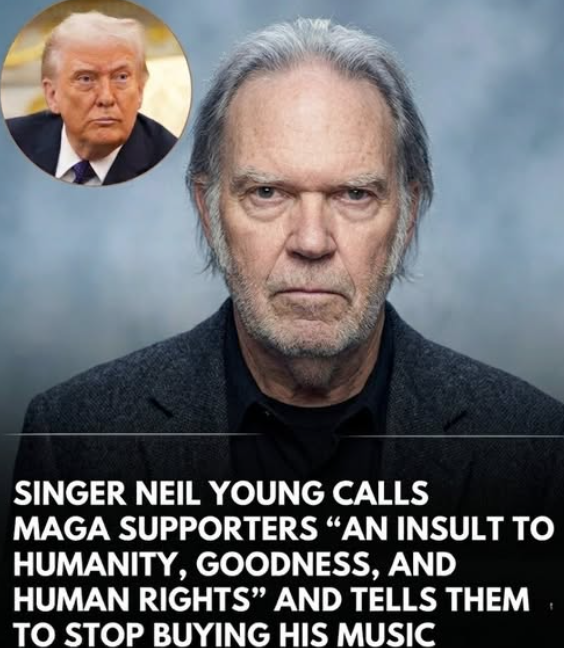 In case it’s not already clear, Trump supporters buy virtually zero of Neil Young’s music, if only because it’s aggressively anti-racist, e.g. “Southern Man,” and “Alabama.”
Imagine you’re a white person living in the Deep South, and you come across these lyrics: “Alabama, you have the rest of the union to help you along. What’s going wrong?”
How large is your appetite for this man’s music?


-
Greenhouse Gases8 months ago
Guest post: Why China is still building new coal – and when it might stop
-
Climate Change8 months ago
Guest post: Why China is still building new coal – and when it might stop
-

 Greenhouse Gases2 years ago
嘉宾来稿:满足中国增长的用电需求 光伏加储能“比新建煤电更实惠”
-
Climate Change2 years ago
Bill Discounting Climate Change in Florida’s Energy Policy Awaits DeSantis’ Approval
-

 Climate Change2 years ago
嘉宾来稿:满足中国增长的用电需求 光伏加储能“比新建煤电更实惠”
-
Climate Change Videos2 years ago
The toxic gas flares fuelling Nigeria’s climate change – BBC News
-

 Renewable Energy6 months ago
Sending Progressive Philanthropist George Soros to Prison?
-

 Carbon Footprint2 years ago
US SEC’s Climate Disclosure Rules Spur Renewed Interest in Carbon Credits