

Carbon credit projects are gaining significant attention as businesses aim to reduce greenhouse gas (GHG) emissions while maintaining profitability. These projects offer a pathway for companies to offset emissions, improve sustainability, and tap into new revenue streams.
But how do they do that? This guide explores the types, benefits, challenges, and future trends of carbon credit projects, helping businesses navigate this critical climate solution.
5 Key Types of Carbon Credit Projects
Carbon credit projects include a range of activities designed to either reduce or capture GHG emissions. Here are the five primary types, each with specific mechanisms and benefits:
1. Reforestation & Afforestation
Reforestation involves replanting trees in deforested areas, while afforestation refers to planting trees in regions that have not been forested for extended periods. These projects sequester carbon dioxide (CO₂) from the atmosphere as trees absorb CO₂ during photosynthesis, storing carbon in their biomass and soil.

Reforestation and afforestation projects continue to play a crucial role in carbon sequestration. Some large-scale reforestation projects are financially backed by multinational corporations such as this Amazon reforestation initiative by Mombak.
However, there are also a lot of small nature conservation projects worldwide that need funding to scale up. Some of them are still in the development stage but offer innovative approaches to reforesting degraded lands.
One example in Asia is a re-greening project that aims to reforest hectares of deforested land. Using innovative seed ball technology and drone deployment, the project will disperse seeds across vast areas, promoting large-scale forest restoration. This initiative will not only sequester CO₂ but also support local biodiversity and provide economic opportunities for surrounding communities.
Reforestation and afforestation projects are pivotal in global carbon sequestration efforts. According to the Food and Agriculture Organization (FAO), forests absorb approximately 2.6 billion tonnes of CO₂ annually. This figure offsets about ⅓ of the CO₂ released from burning fossil fuels. Such projects also contribute to biodiversity conservation, soil preservation, and the enhancement of water resources.
2. Renewable Energy Projects
Renewable energy projects involve the development of energy sources that do not emit GHGs during operation. Common examples are wind, solar, and hydroelectric power. By replacing fossil fuel-based energy generation, these projects significantly reduce CO₂ emissions.
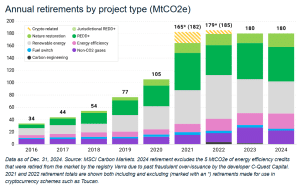
Renewable energy projects remain a significant source of carbon credits. In 2024, renewable energy credits represented 31% of total retirements, with 51.1 million credits retired. This result indicates a continued commitment to clean energy initiatives.
For instance, one of the world’s largest solar energy projects, the Noor Ouarzazate Solar Complex in Morocco covers 3,000 hectares. It has a total capacity of 580 MW, supplying power to over a million people. The project reduces CO₂ emissions by approximately 760,000 tonnes annually.
The Gansu Wind Farm in China is another example. It is one of the world’s largest wind power projects, with a planned capacity of 20 GW. Located in the Gobi Desert, it currently produces over 8 GW of electricity, powering millions of homes. The project reduces CO₂ emissions by millions of tonnes annually and plays a crucial role in China’s renewable energy expansion.
Since 2010, over 750 million voluntary carbon credits have been issued by over 1,700 renewable energy projects worldwide. Wind projects contribute 40% of these credits, followed by hydro (30%) and solar (15%). These projects play a crucial role in diversifying energy portfolios and reducing reliance on fossil fuels.
3. Methane Capture & Destruction
Methane (CH₄) is a potent GHG with a global warming potential about 28 times greater than that of CO₂ over a 100-year period. Projects that capture methane aim to collect and use or destroy methane emissions from sources like landfills, agricultural activities, and wastewater treatment facilities.
In the U.S., numerous landfill gas-to-energy projects have been established to capture methane produced by decomposing organic waste. The captured methane is then used to generate electricity or heat, thereby reducing GHG emissions and providing a renewable energy source.

As of 2024, the U.S. Environmental Protection Agency (EPA) reports 542 operational landfill gas (LFG) energy projects nationwide. These projects harness methane emissions from landfills to generate energy, thereby reducing GHG emissions and providing a renewable energy source.
One company, Zefiro Methane, focuses on sealing abandoned oil and gas wells across the U.S. to prevent methane leaks. By capping and properly decommissioning these wells, Zefiro reduces emissions and generates carbon credits that can be traded in voluntary markets. Their work supports climate goals while addressing the millions of abandoned wells contributing to methane pollution.
The Global Methane Pledge, launched in 2021, aims to reduce global methane emissions by at least 30% from 2020 levels by 2030. Achieving this target could reduce warming by at least 0.2°C by 2050, demonstrating the significant impact of methane capture initiatives.
4. Carbon Capture & Storage (CCS)
Carbon Capture and Storage (CCS) involves capturing CO₂ emissions from industrial processes or directly from the atmosphere and storing them underground in geological formations. This technology prevents CO₂ from entering the atmosphere, thereby mitigating climate change.
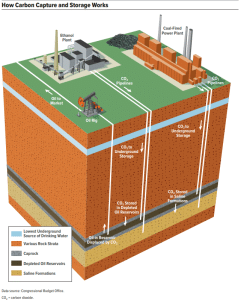
CCS technologies have seen advancements, with increased investments in projects aimed at capturing CO₂ emissions from industrial processes. In 2024, significant policy developments, including breakthroughs on Article 6 at COP29, are expected to shape the global market for carbon credits, potentially influencing the implementation of CCS projects.
A popular example of CCS is Northern Lights, a joint venture by Equinor, Shell, and TotalEnergies. It is a large-scale carbon capture and storage project in Norway.
- SEE MORE: The “Northern Lights” Shines: Shell, Equinor, and TotalEnergies JV Powers the Norway CCS Project
It captures CO₂ emissions from industrial sources, liquefies them, and transports them for permanent storage under the North Sea. The project aims to store up to 1.5 million tons of CO₂ annually in its first phase, with expansion plans for up to 5 million tons per year, helping industries decarbonize while generating carbon credits.
As of 2024, the global CCS landscape has seen significant growth. There are now 50 operational CCS facilities worldwide, capturing around 50 million tonnes of CO₂ annually. Additionally, 44 facilities are under construction, and 534 are in various stages of development, indicating a robust expansion in CCS initiatives.
The International Energy Agency (IEA) emphasizes that to achieve net-zero emissions by 2050, CCS capacity needs to increase to 1.6 billion tonnes of CO₂ annually by 2030.
5. Community & Land Management Initiatives
These projects focus on sustainable land use practices, conservation, and community-driven efforts to enhance carbon sequestration and support local economies.
Community-driven projects focusing on sustainable land management have been instrumental in generating carbon credits. These initiatives often involve agroforestry and conservation efforts that not only sequester carbon but also provide socio-economic benefits to local communities.
A great example is the Kasigau Corridor project protects over 200,000 hectares of dryland forest in southeastern Kenya. By preventing deforestation and promoting sustainable land management, the project has generated over 1 million carbon credits. It also provides employment opportunities, supports education, and funds community development initiatives, benefiting approximately 100,000 local people.
Community and land management projects are integral to the Reducing Emissions from Deforestation and Forest Degradation (REDD+) program under the United Nations Framework Convention on Climate Change (UNFCCC). These initiatives sequester carbon as well as promote biodiversity conservation and enhance the livelihoods of local communities
4 Benefits of Carbon Credit Projects for Businesses
Environmental Impact & Carbon Reduction
Participating in carbon credit projects enables businesses to offset their carbon footprint effectively. In 2023, global carbon pricing revenues reached a record $104 billion, reflecting increased corporate engagement in emission reduction initiatives.
Beyond compliance, carbon credit projects play a crucial role in meeting global climate goals. According to the IEA, the world must cut emissions by 45% by 2030 to limit global warming to 1.5°C. Businesses that invest in high-quality credits contribute to this target while mitigating their own climate risks and cutting carbon emissions.
Additionally, some programs, like REDD+ help protect biodiversity and improve land-use practices, making them doubly beneficial.
Financial Benefits & Revenue Streams
The carbon credit market has become a substantial financial avenue for businesses. In 2024, credits worth a total of $1.4 billion were utilized by corporations, underscoring the market’s potential for generating additional revenue streams.
Companies not only purchase credits to offset emissions but also develop their own projects to sell verified carbon offsets.
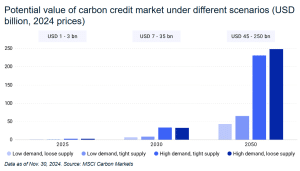
For instance, major corporations like Microsoft and Shell invest in carbon capture projects to generate high-value credits. According to Allied Market Research, the global voluntary carbon market is projected to reach $100 billion by 2030, presenting lucrative opportunities for businesses that engage early. While MSCI data suggests that voluntary carbon credit market could reach up to $250 billion by 2050.
Enhancing Corporate Reputation
Engaging in carbon credit projects enhances a company’s reputation by demonstrating a commitment to sustainability. This proactive approach improves brand image and fosters customer loyalty, as consumers increasingly prefer environmentally responsible companies.
A 2023 survey by IBM found that 70% of consumers are willing to pay a premium for sustainable brands, highlighting the competitive advantage of climate-conscious business strategies.
Moreover, ESG (Environmental, Social, and Governance) investing has surged, with global ESG assets expected to surpass $40 trillion by 2025. Companies that actively reduce their carbon footprint through verified credit projects are more likely to secure funding from institutional ESG-focused investors.
Regulatory Compliance & Market Demand
With the implementation of stricter environmental regulations worldwide, carbon credits assist businesses in complying with emission targets. The expansion of carbon pricing instruments, now totaling 75 globally, indicates a growing market demand for sustainable practices.
Governments are tightening emission policies, making carbon credits a crucial tool for avoiding hefty fines and maintaining operations.
The European Union’s Carbon Border Adjustment Mechanism (CBAM), set to be fully implemented by 2026, will require importers to pay for embedded emissions in products like steel and cement. Similarly, the U.S. Inflation Reduction Act (IRA) includes billions in incentives for clean energy projects and carbon capture. These policies create a clear incentive for companies to invest in carbon credits to maintain regulatory compliance and gain a competitive edge.
3 Steps To Implementing A Successful Carbon Credit Project
If you’re planning or simply thinking about how to have a carbon credit project that emerges successfully, here are the three major steps to follow:
1. Identifying Project Scope & Goals
Start by defining your carbon credit project’s objectives. What are you aiming to achieve? This could range from reducing carbon emissions to generating new revenue streams or ensuring compliance with regulatory frameworks. Each objective should be clear and measurable to track progress.
Once your goals are set, choose the right project type. Whether it’s reforestation, renewable energy generation, or methane capture, aligning your project’s nature with your goals is essential. For instance, if emission reductions are a priority, a renewable energy project may be the best fit. Careful selection of the project type will streamline efforts and maximize impact.
2. Verifying Carbon Offset Credits & Certification
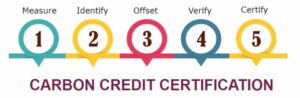
Next, focus on obtaining certification for the carbon credits you generate. Certification from established, recognized standards—such as the Gold Standard or Verra—validates the legitimacy of your carbon credits. Stick to proven methodologies and ensure full transparency in your project’s implementation.
Rigorous monitoring and reporting will ensure that your carbon credits are verified correctly and gain credibility in the marketplace. Remember, the higher the standard of certification, the more trustworthy your credits will appear to buyers, enhancing their marketability.
3. Market Engagement & Carbon Credit Trading
Finally, engage with carbon credit trading platforms to bring your credits to market. Established marketplaces, such as those launched by governments or private entities, allow for easy buying and selling of carbon credits. For example, Indonesia’s entry into the global carbon market in 2024 was a significant step toward green energy funding.
By listing your credits on such platforms, you can contribute to the global effort against climate change while monetizing your efforts. The carbon trading landscape is growing, making it crucial for businesses to stay informed and ready to leverage these platforms for maximum impact.
5 Challenges in Managing Carbon Credit Projects
After knowing the benefits of and the steps needed to implement a carbon credit project, it’s also wise to learn the challenges involved.
-
Ensuring Project Validity & Monitoring
Rigorous monitoring and validation are necessary to maintain project integrity and avoid issues like double counting. This ensures that emission reductions are genuinely achieved.
-
Avoiding Double Counting
Implementing robust tracking systems is crucial to prevent the same carbon credit from being counted multiple times, preserving the credibility of carbon offset claims.
-
Managing Volatile Market Prices
The carbon credit market can experience price fluctuations, impacting the financial sustainability of projects. Staying informed about market trends and diversifying project portfolios can help mitigate these risks. Go over this carbon price page to stay informed.
-
Meeting Strict Regulatory Standards
Compliance with evolving environmental regulations requires businesses to stay updated. Engaging with policy developments, like the breakthroughs in Article 6 at COP29 in 2024, ensures projects align with international standards.
-
Securing Long-Term Financing
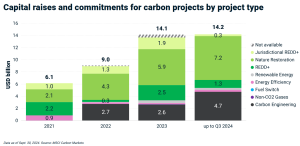
Attracting and maintaining investment for carbon credit projects can be challenging. However, by the end of the third quarter of 2024, $14 billion had been raised or committed, reflecting increasing investor interest and confidence in the market.
3 Future Trends in Carbon Credit Projects
Finally, it helps to know what trends are unfolding in the market and learn how to leverage them, namely:
Innovations in Carbon Capture Technologies
As carbon capture technologies evolve, they are expected to significantly improve the efficiency and scalability of emission reduction efforts. Innovations like Direct Air Capture (DAC) are poised to capture carbon dioxide directly from the atmosphere, making it easier to offset emissions from difficult-to-decarbonize sectors.
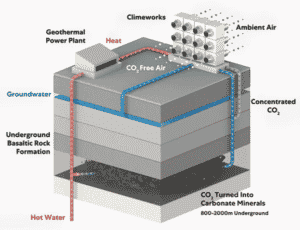
These advancements will drive the development of high-quality carbon credit projects that can scale rapidly to meet global climate goals. The global carbon capture market could reach $7.3 billion by 2030, highlighting its growing potential as a major player in carbon credit generation.
Expansion of Carbon Credit Marketplaces
The emergence of new carbon credit marketplaces is a key trend shaping the future of carbon trading. Platforms like Indonesia’s IDX Carbon, launched in 2024, are increasing global participation in emission reduction initiatives. Such marketplaces are making carbon credit trading more accessible, especially for emerging economies looking to fund sustainability projects through carbon sales.
There are over 60 carbon trading platforms now active worldwide. The expansion of these digital platforms is expected to drive greater liquidity and efficiency in the carbon market, enabling more businesses to engage in carbon offsetting.
Increasing Focus on Quality & Additionality
Looking ahead, the carbon credit market will place an increasing emphasis on the quality of credits and additionality. Additionality ensures that carbon reduction projects would not have happened without the credit system, proving their real-world impact.
The Integrity Council for the Voluntary Carbon Market (ICVCM) is leading efforts to create new benchmarks for high-quality carbon credits. As sustainability-conscious investors and businesses seek reliable offsets, there will be a stronger demand for verified, additional, and impactful carbon credit projects.
Conclusion
Carbon credit projects are vital tools for achieving sustainability and profitability in today’s business landscape. By understanding the different types, benefits, and challenges, companies can effectively implement these projects to reduce their carbon footprint, meet regulatory standards, and enhance their market position. With innovations and growing market opportunities, these projects would be pivotal in the global effort to combat climate change.
- FURTHER READING: Is the Voluntary Carbon Market Dead?
The post How Carbon Credit Projects Contribute To Sustainability and Profitability appeared first on Carbon Credits.

EU carbon credit claims changed on 27 September 2026, the day the Directive (EU) 2024/825 began to apply across the European Union. The change is narrow. It changes how a company can talk about the credits it buys. A product can no longer be called neutral on the strength of compensation alone; however, every specific, evidenced statement about what a company measured, reduced, and funded stays fully available.

The post Promoting Improved Cooking Practices in Nigeria appeared first on Terrapass.



