Connect with us

Published

on

Monica Ngambi was born in Zambia’s copper-rich northern province as the nation declared its independence on 24 October 1964. For 60 years, she has lived by the large copper mines on which the independent country tied its economic prosperity.

But as miners scarred the land to extract the metal – at times polluting water sources and destroying farmland – local people have reaped few of the benefits.

Today, Ngambi doesn’t earn enough selling groundnuts and cassava at a market in the mining town of Chingola to feed her family.

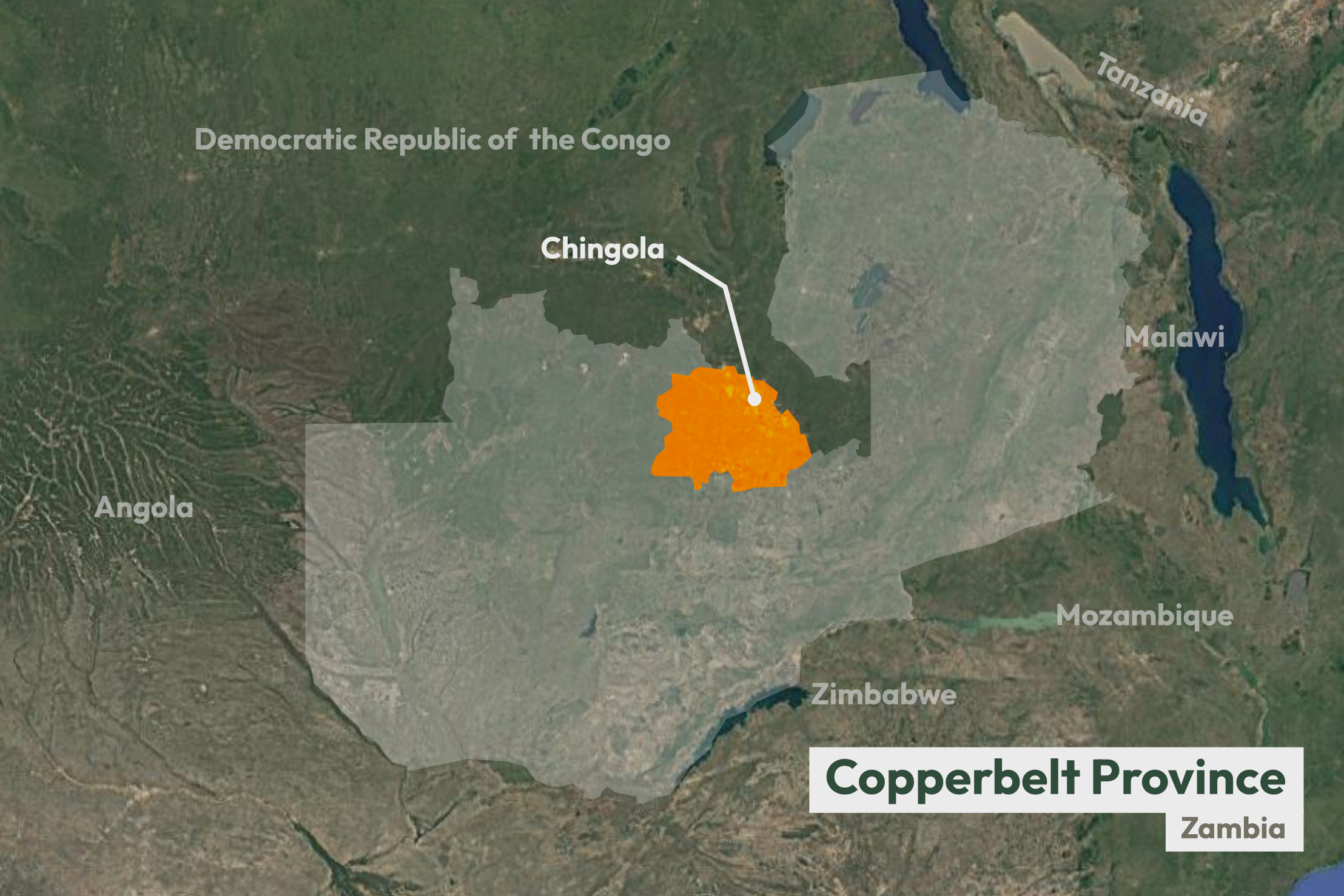
Chingola sits atop one of the world’s largest reserves of copper – a reddish metal that is particularly good at conducting heat and electricity and is pivotal to the world’s clean energy transition.

But Ngambi, who barely earns 100 Zambian Kwacha (about $4) a week, survives thanks to a cooperative of market traders, who pool funds to buy food. Her neighbourhood doesn’t have access to clean water, and local people buy chlorine to purify the water from shallow wells.

“We don’t know how our children’s grandchildren will live. We need… a real future,” she told Climate Home News.

In 2022, Zambia was the world’s top exporter of raw copper, selling $6.6 billion worth of the unprocessed metal. The same year, nearly two-thirds of Zambia’s population lived in extreme poverty.
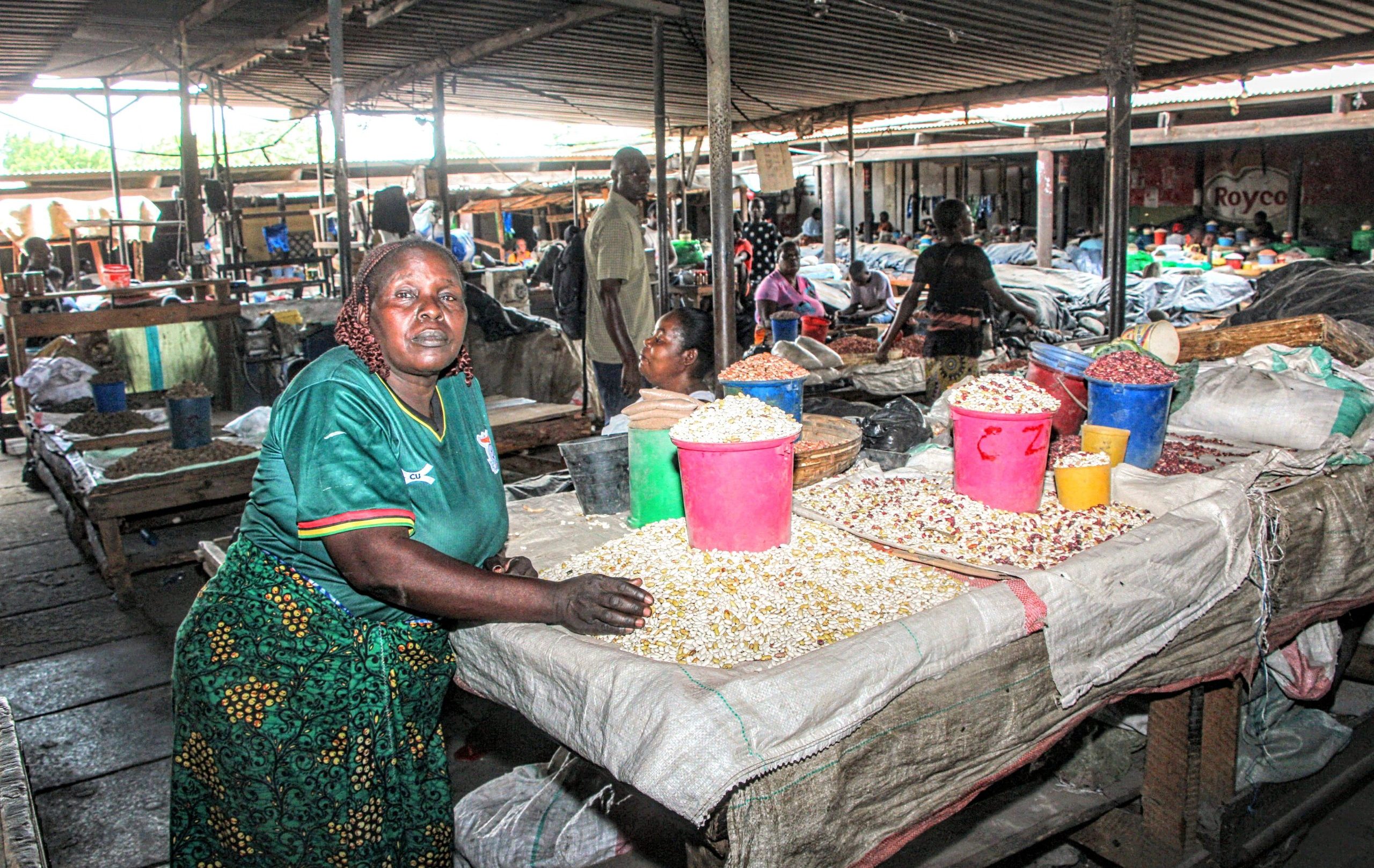

Monica Ng’ambi by her stall at Chiwempala Market in Chingola

Travellers at the Chingola main bus station

Monica Ng’ambi by her stall at Chiwempala Market in Chingola

Travellers at the Chingola main bus station

Intense Chinese and Western interest in Zambia’s copper resources, however, has renewed the promise of using the mineral to lift people out of poverty, free the country from debt and meet its development goals. Mining investments have soared as the government seeks to massively boost copper output and add value to its resources by processing the metal for the electric vehicle (EV) industry.

But analysts warn that delivering on the ambitious plans while ensuring local people benefit requires the nation to address its large informal mining economy, end an opaque tax regime and deliver legislative efforts to better regulate the sector.

In Chingola, that will mean clamping down on a dangerous – and sometimes violent – illegal industry that sees gangs of youths scavenge and supply raw copper to small-scale Chinese processors.


Open for business

Zambia is Africa’s second-largest copper producer after the Democratic Republic of the Congo (DRC). Its economy depends on the metal, which accounts for around 70% of its export earnings.

Moving away from climate-warming fossil fuels and slashing greenhouse gas emissions requires the electrification of global power, transport and heating systems – none of which is possible without copper.

Copper is needed to manufacture everything from EV motors and batteries to solar power wiring and cables for energy storage and distribution networks.

As a result, soaring demand for the metal is soon expected to outstrip supply. The International Energy Agency has warned the world could see a 30% copper deficit by 2035, with more investments required to scale copper production than any other transition mineral.

To capture a slice of this booming market, the Zambian government has set out highly ambitious plans to quadruple copper output to three million tonnes annually by 2031. It recently launched a high-resolution aerial geological survey of the country to determine mineral deposits across its ten provinces – the first comprehensive mapping exercise since 1972.
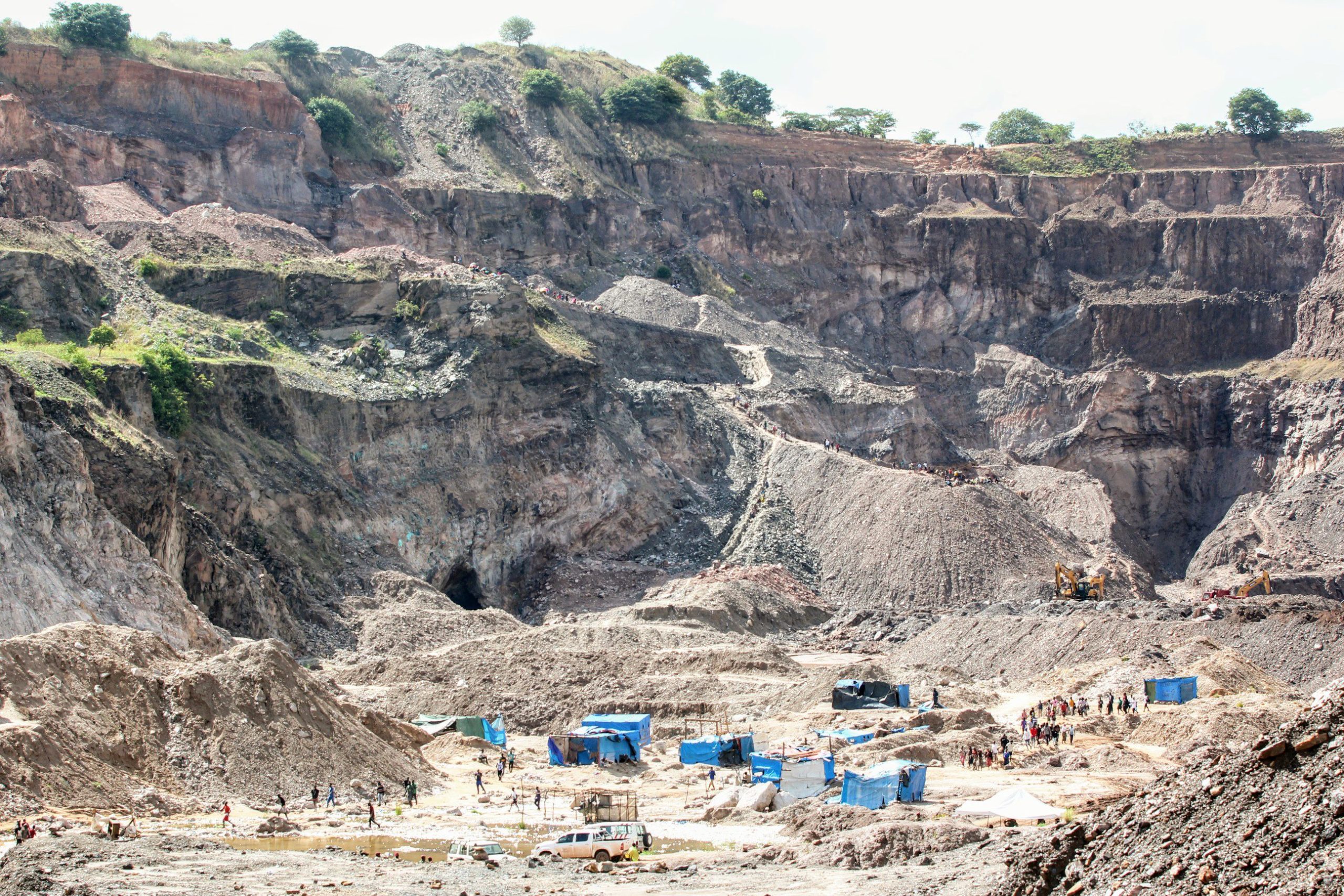
Illegal miners camp at the Sensele Mine in Chingola

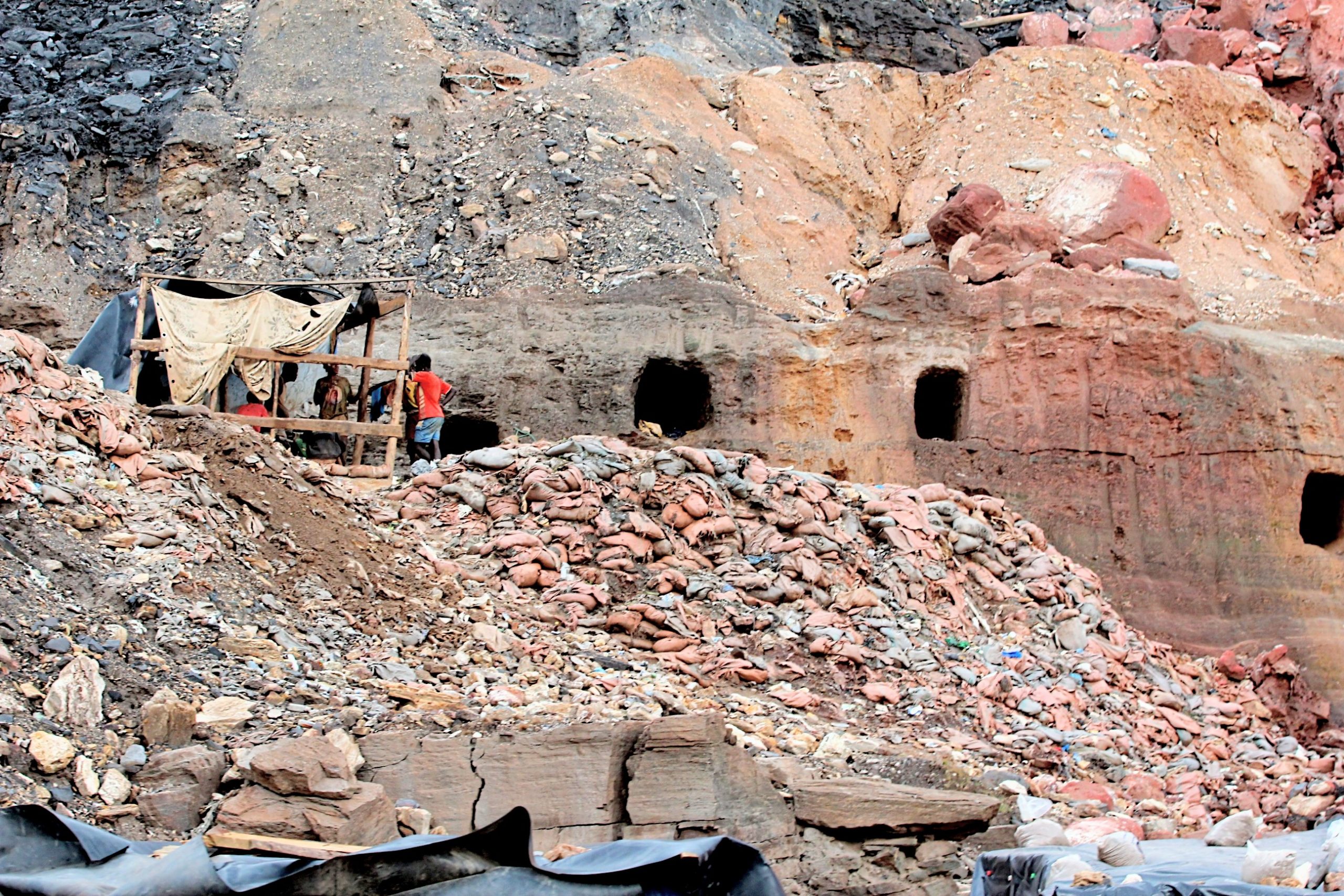
Illegal miners dig mining tunnels inside the pit

Illegal miners camp at the Sensele Mine in Chingola

Illegal miners dig mining tunnels inside the pit

To deliver on its growth plans, the government is wooing international investors to inject capital into the country’s ageing mining infrastructure, with some success.

Between 2022 and the end of June 2024, Zambia received mining investment pledges exceeding $7 billion for new and expansion projects, according to the World Bank.

Among Zambia’s flagship new investors is KoBold Metals, an AI-powered critical mineral exploration start-up, which is backed by Bill Gates and Jeff Bezos and is mooted to spend upwards of $2 billion on mining a vast copper deposit it recently discovered north of Chingola.

Over a few days in October, in a leafy neighbourhood of the capital Lusaka, government officials, investors, mining experts and company representatives gathered for the Zambia Mining and Investment Insaka – the country’s first international mining conference.

The event took stock of the impacts of a century of mining and pitched the nation’s mining opportunities to global mining companies and investors.

“We believe we have natural resources that can change the economy of this country,” Paul Kabuswe, Zambia’s mines minister, told the conference. But years of repeated policy changes created uncertainty in the mining sector, which hurt investments, he said. “All we needed were good policies that make investors comfortable,” said Kabuswe.

Since coming to power in 2021, the government has sought to develop a tax regime which is “stable, predictable and competitive“ to drive investments and scale mining output.

Mining companies have responded positively. Chinese firms, which have invested more than $3.5 billion in Zambia’s mining industry since the late 1990s, are planning to invest an additional $5 billion into the sector over the next five years, Li Zhanyan, chair of the Chinese Mining Enterprises Association, told the conference.

Shadow mines
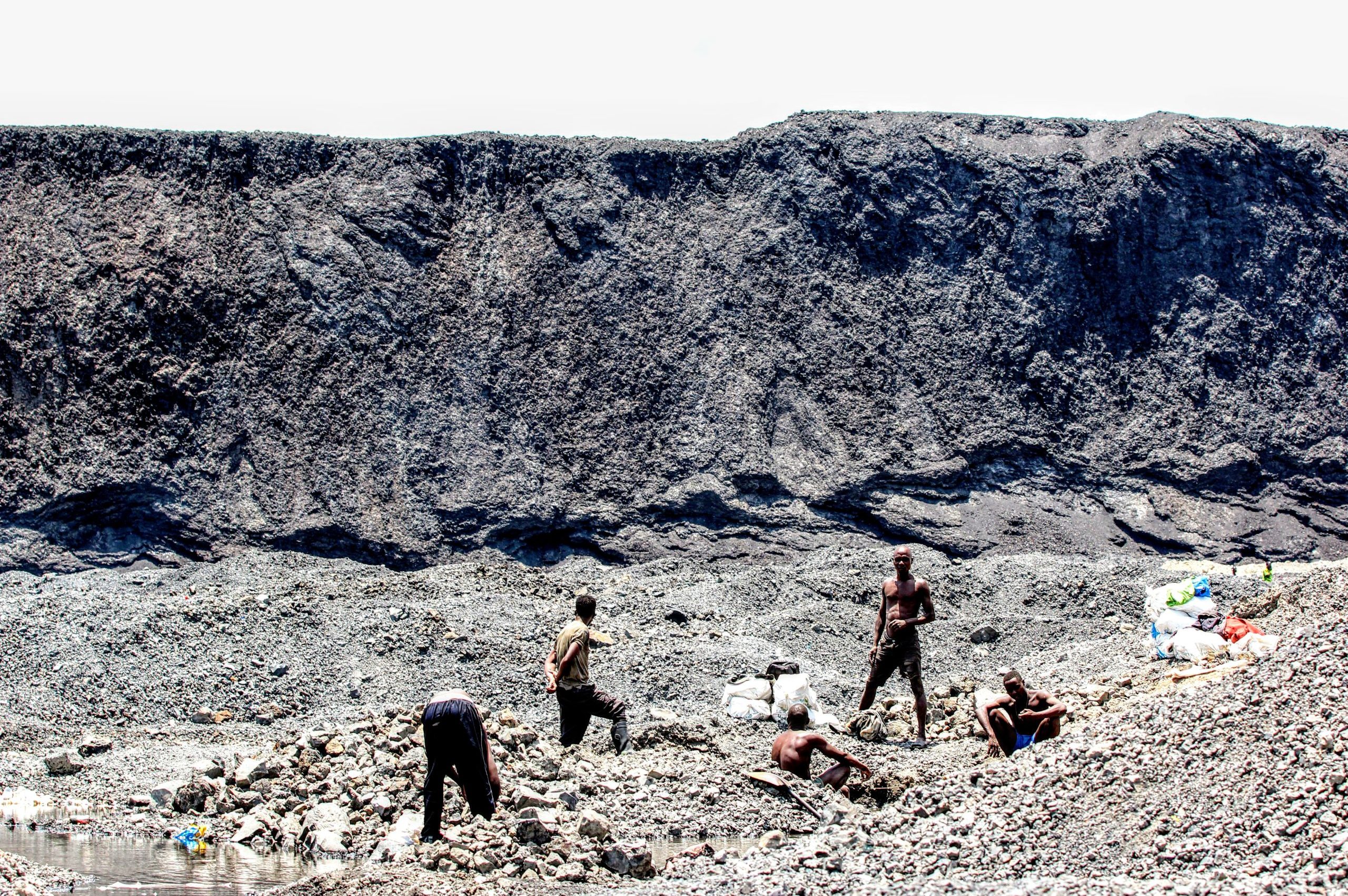
Artisanal miners look for copper at a large mining dump near Kitwe known as the Black Mountain

A miner uses a shovel to recover copper

Artisanal miners look for copper at a large mining dump near Kitwe known as the Black Mountain

A miner uses a shovel to recover copper

The copper-rich soils under Chingola gave the province its name: the Copperbelt.

For close to a century, the metal was extracted in some of the continent’s largest open-pit mines.

After Zambia’s independence, copper mining companies were gradually nationalised. Revenues from copper exports were used to boost public and development spending: the sector created jobs, and helped fund hospitals, healthcare facilities and education scholarships.

Chingola thrived. “Even those who didn’t work at the mines felt secure,” remembered Ngambi.

But by the early 1990s, President Frederick Chiluba had sold off the mines to private companies, including foreign firms, to withstand a long-term decline in copper prices and an economic depression. Jobs were cut and Chingola’s fortunes faded.
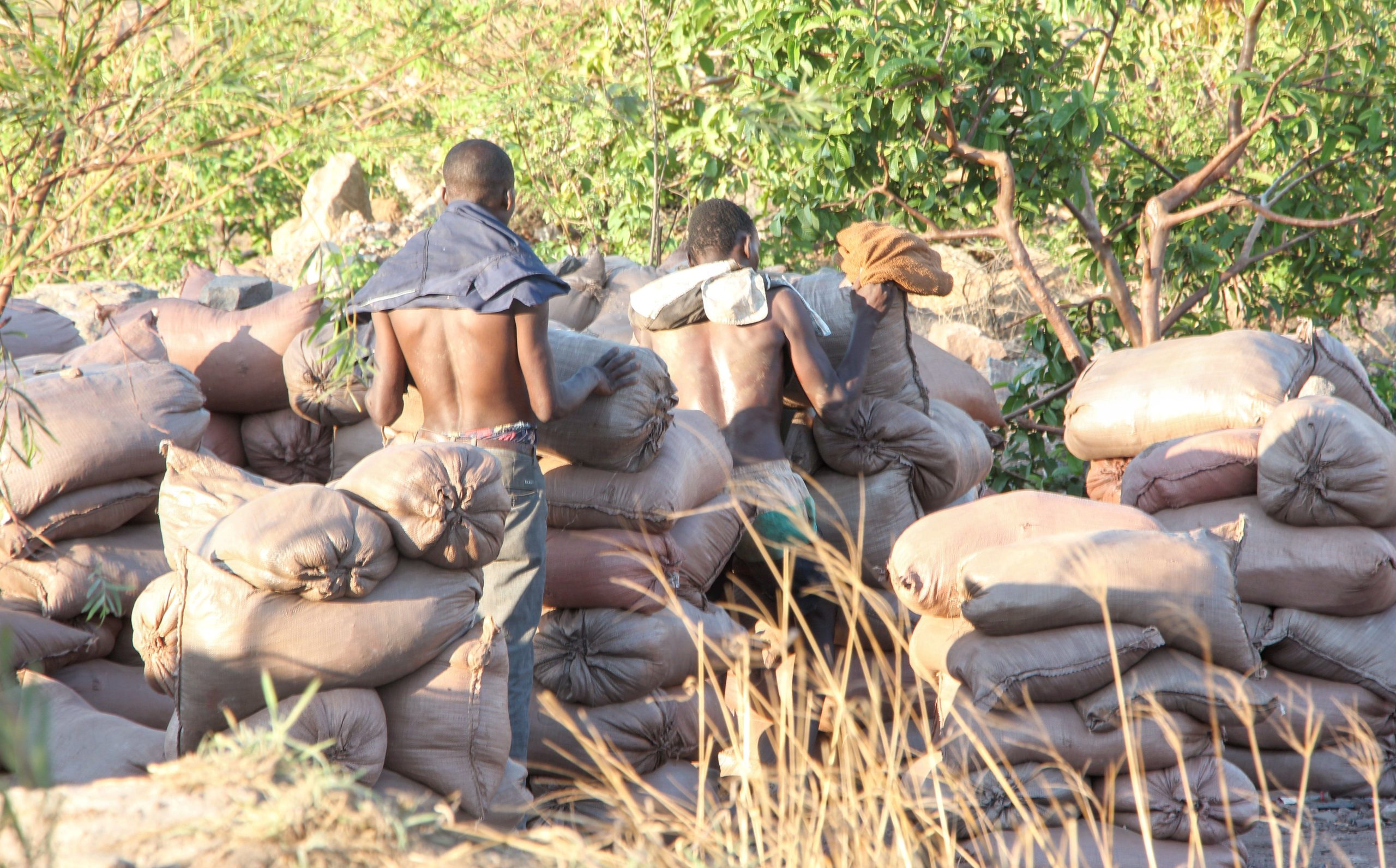
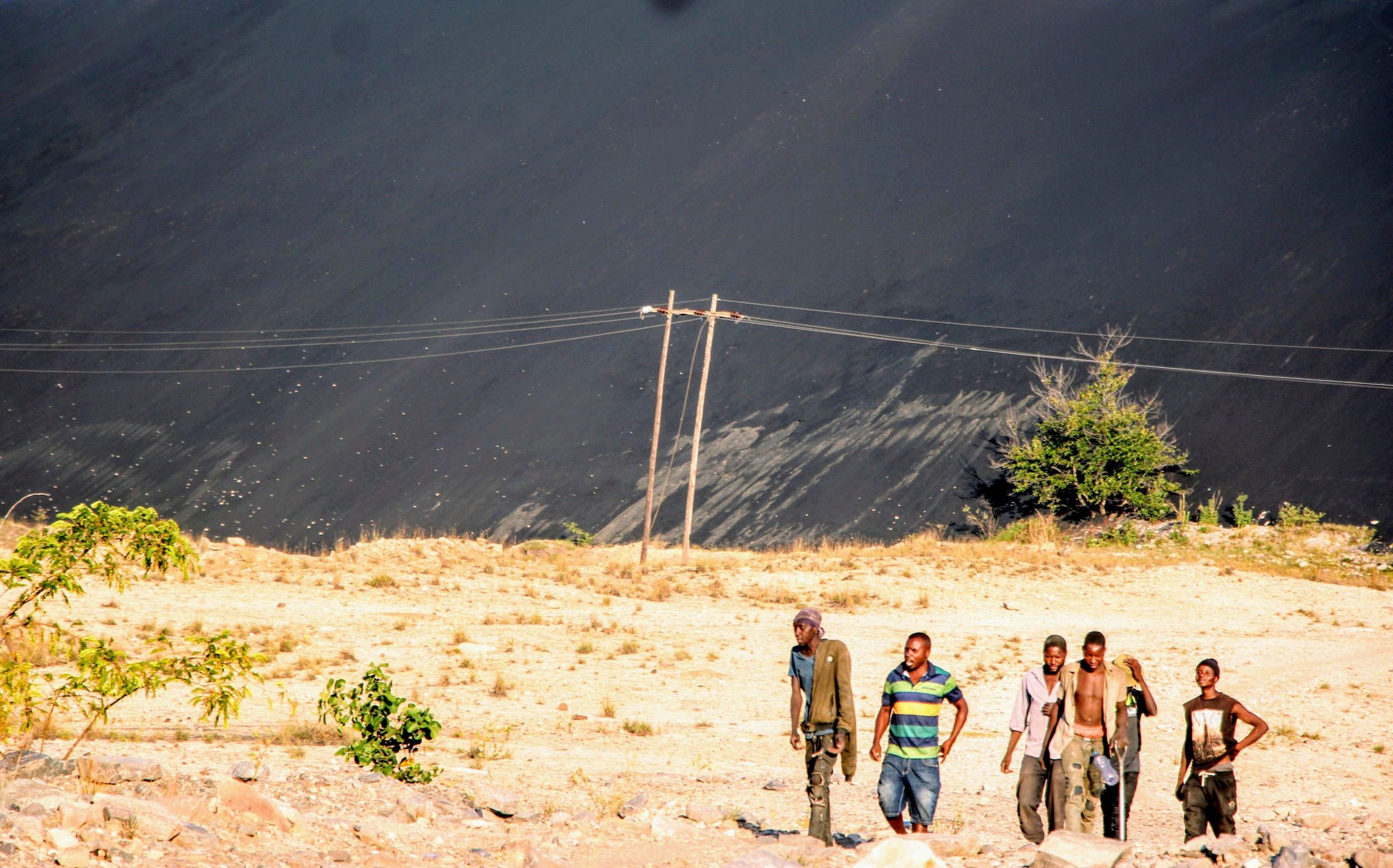
Artisanal miners sort bags of copper

Informal miners return home after a day’s work

Artisanal miners sort bags of copper

Informal miners return home after a day’s work

Whether renewed large-scale foreign investments can help clean up and modernise Zambia’s mining sector remains to be seen. Today, the country’s copper extraction relies partially on a parallel informal mining economy, fuelled by high youth unemployment, which has grown up to sustain the livelihoods of thousands of people.

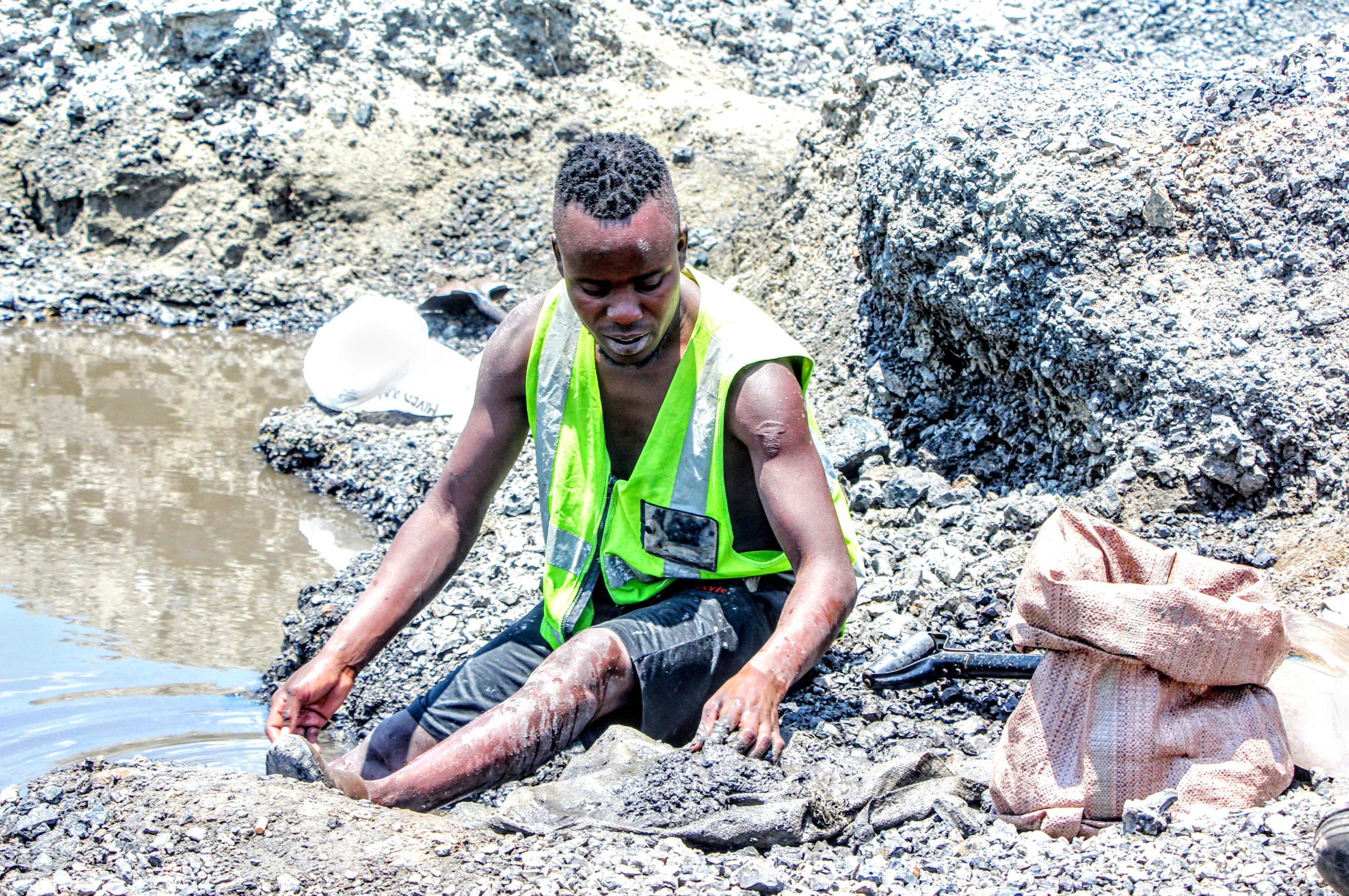
Across the Copperbelt, gangs of young artisanal miners, known as Jerabos, scavenge copper scraps and mining waste known as tailings – dangerous work, which often turns deadly.

Without formal training or safety gear, the Jerabos dig tunnels hundreds of metres underground with minimal lighting and no structural reinforcements. They risk exposure to toxic waste and death if the tunnels cave-in.
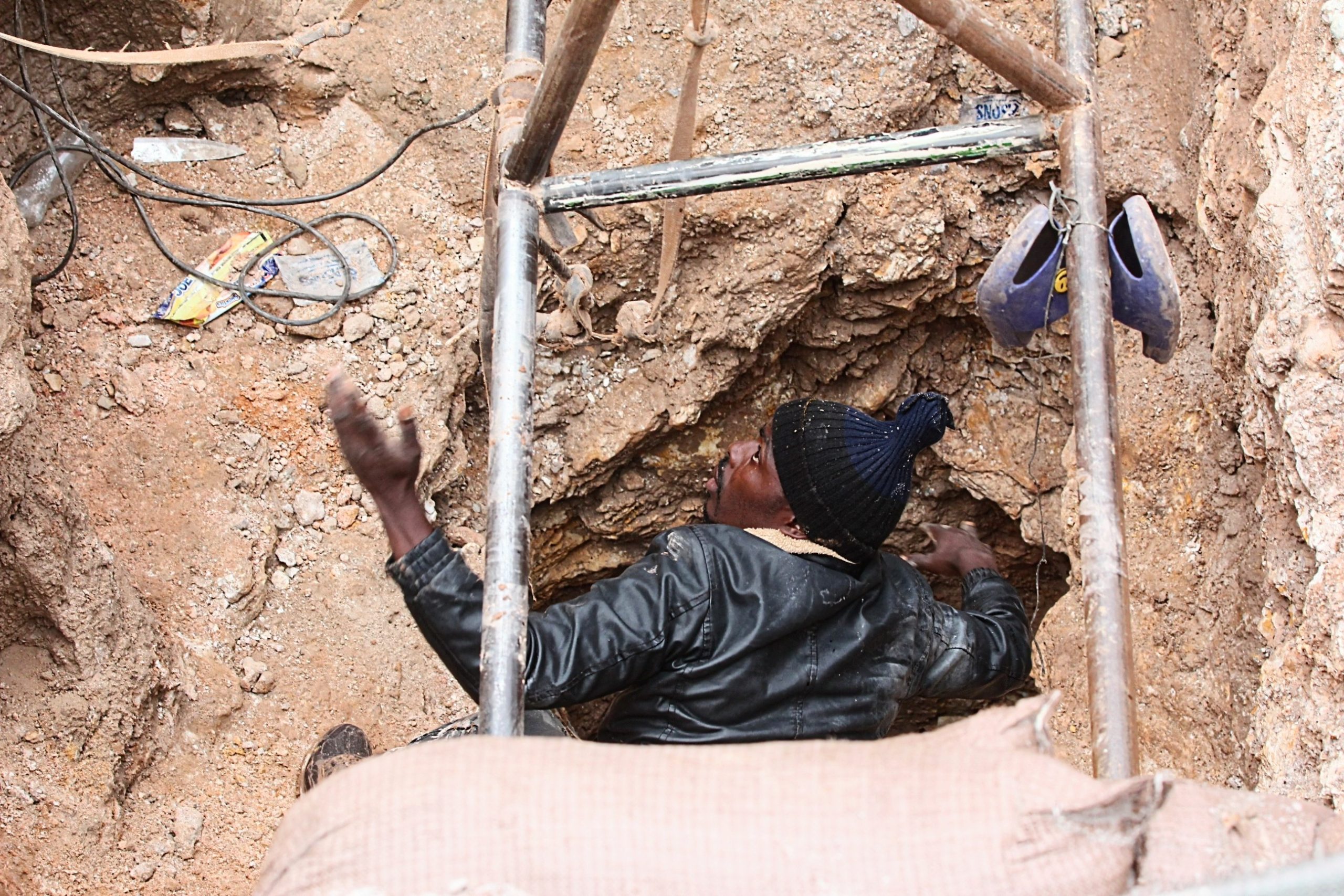

Illegal miner Mulenga Chishala climbs out of a mining tunnel

Edward Kapungwe is a leader of
an illegal mining gang in Chingola

Illegal miner Mulenga Chishala climbs out of a mining tunnel

Edward Kapungwe is a leader of
an illegal mining gang in Chingola

Over a 10-day period when Climate Home was reporting in the area in October 2024, ten men from Chingola died in both legal and illegal mining operations, local police officers told us.

Edward Kapungwe joined Chingola’s Jerabos at just 20 years old. Danger, he told Climate Home, is part of the job. But the work pays.

“We have a ready market – the Chinese,” he said, describing a network of buyers, some of whom operate unauthorised and makeshift smelters under trees.

This informal economy often fuels gang violence in Chingola, as rival groups compete for control over illegal copper trading networks, leading to frequent clashes over mining sites and smuggling routes.
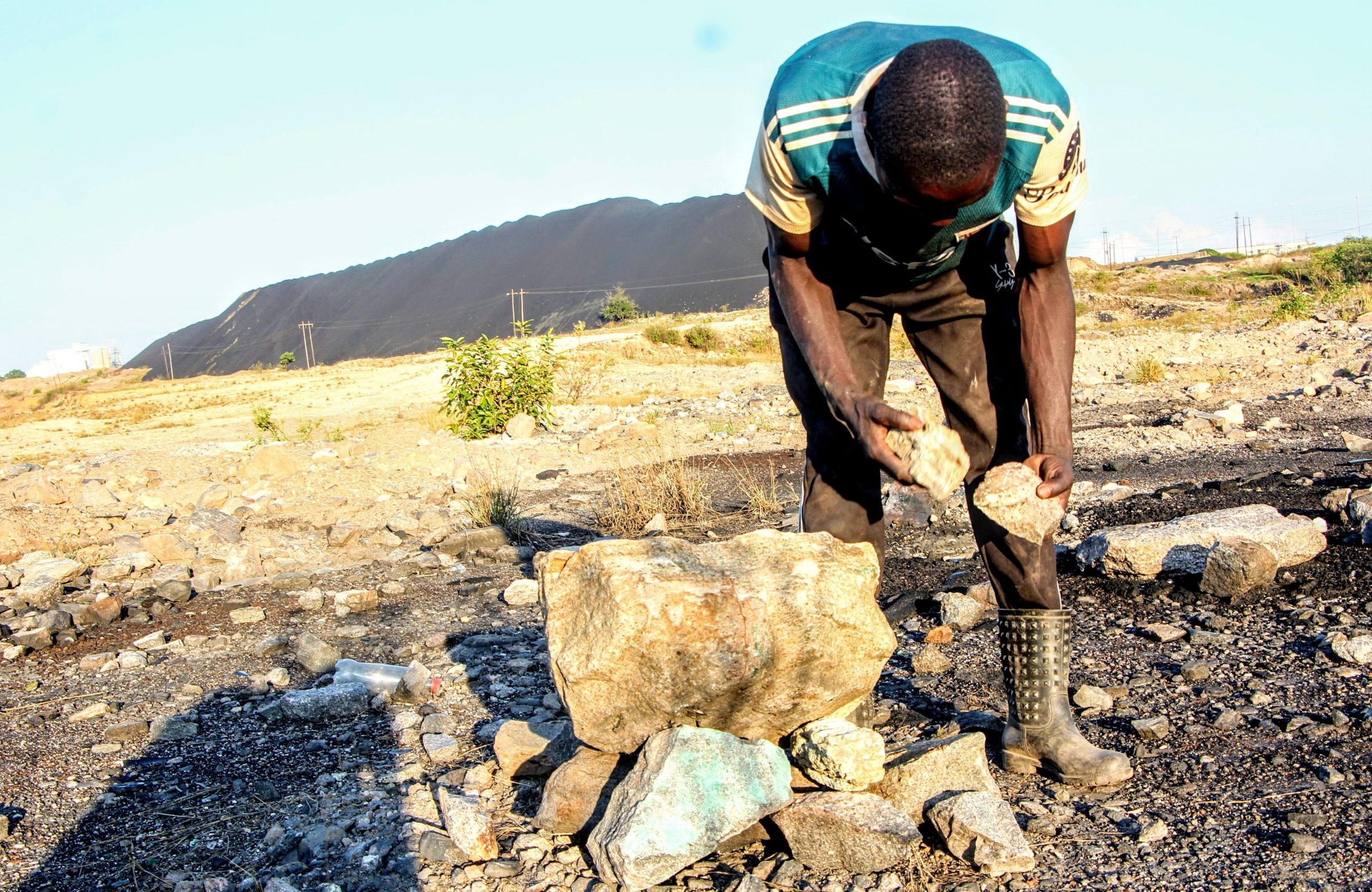
Ben Mweemba examines the copper ore he found

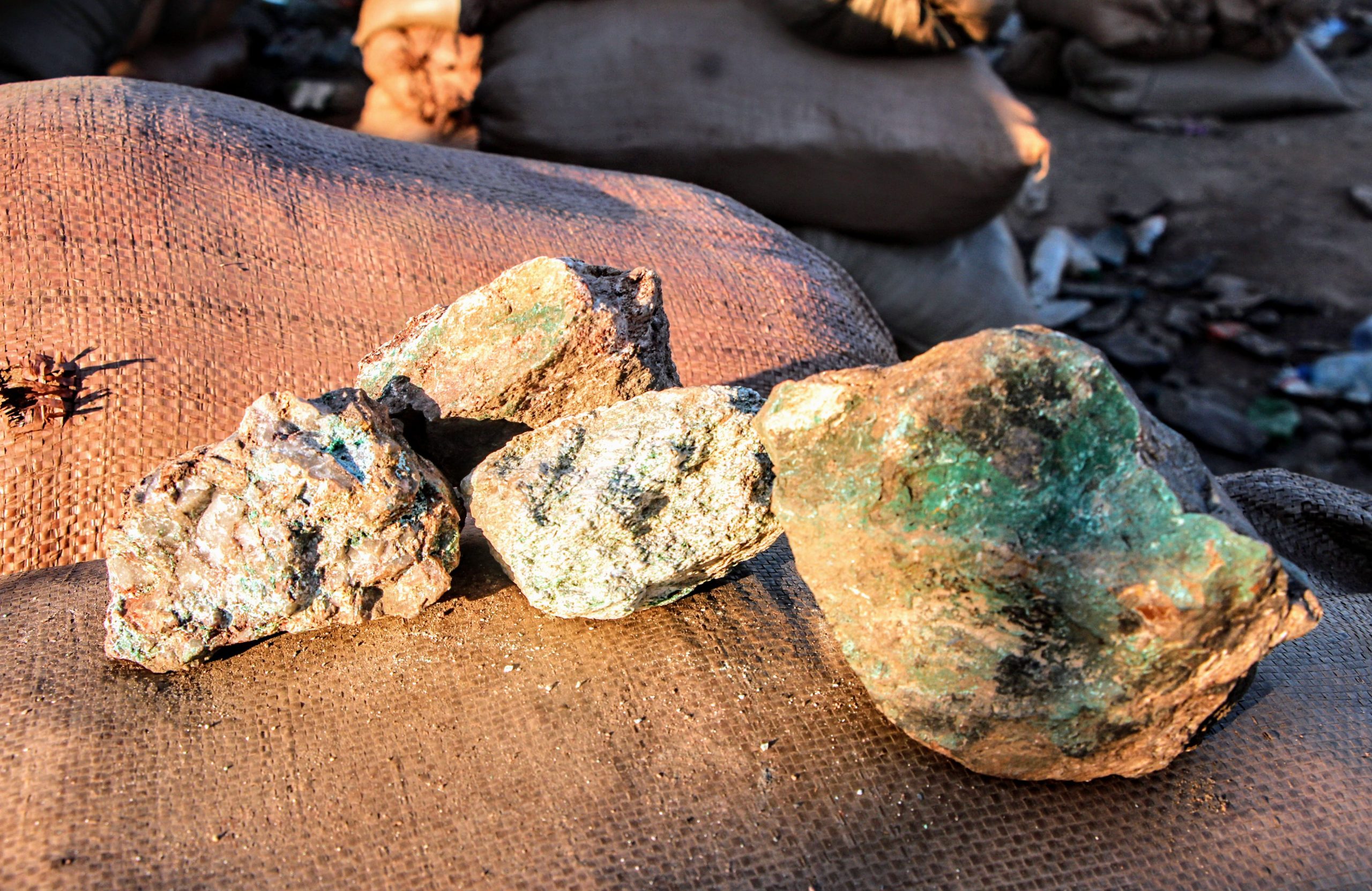
Copper ore

Ben Mweemba examines the copper ore he found

Copper ore

To tap into this vast workforce, the government wants to formalise the work of thousands of young illegal miners.

“We are working towards giving artisan licences to the youths so that they can legally mine and contribute to the tax base,” Raphael Chimupi, Chingola’s district commissioner, told Climate Home.

The increasing presence of mini processing plants, often run by Chinese companies, which purchase copper ore from unlicensed miners, indirectly encourages illegal mining activities, he added.
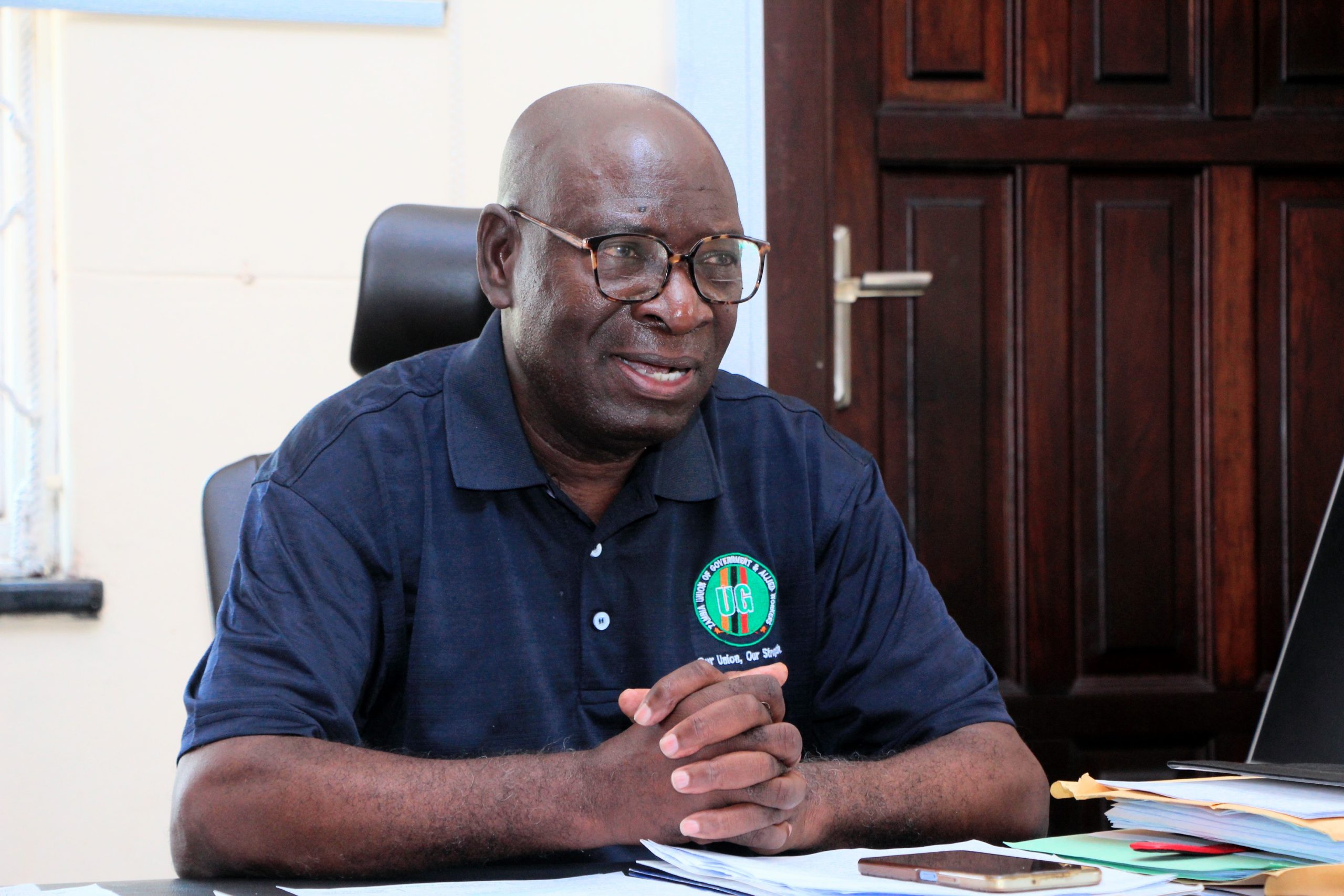
Chingola District Commissioner Raphael Chimupi

Chingola District Commissioner Raphael Chimupi

In response, the government is advancing legislation to prohibit the purchase of illegally mined copper through a licensing system which will help establish a more regulated and transparent supply chain, Chimupi said.

But campaigners at Transparency International have raised concerns the government’s dual approach of reforming the informal sector while turbocharging production could undermine governance reforms.

A node in the EV battery supply chain

To better capitalise on its resources, the mineral-rich but debt-laden nation has set out plans to shift away from exporting raw copper and to refine minerals domestically.

The move is part of Zambia’s plans to process its copper into high-value battery-grade metals, becoming a vital node in the continent’s aspiring EV supply chain.
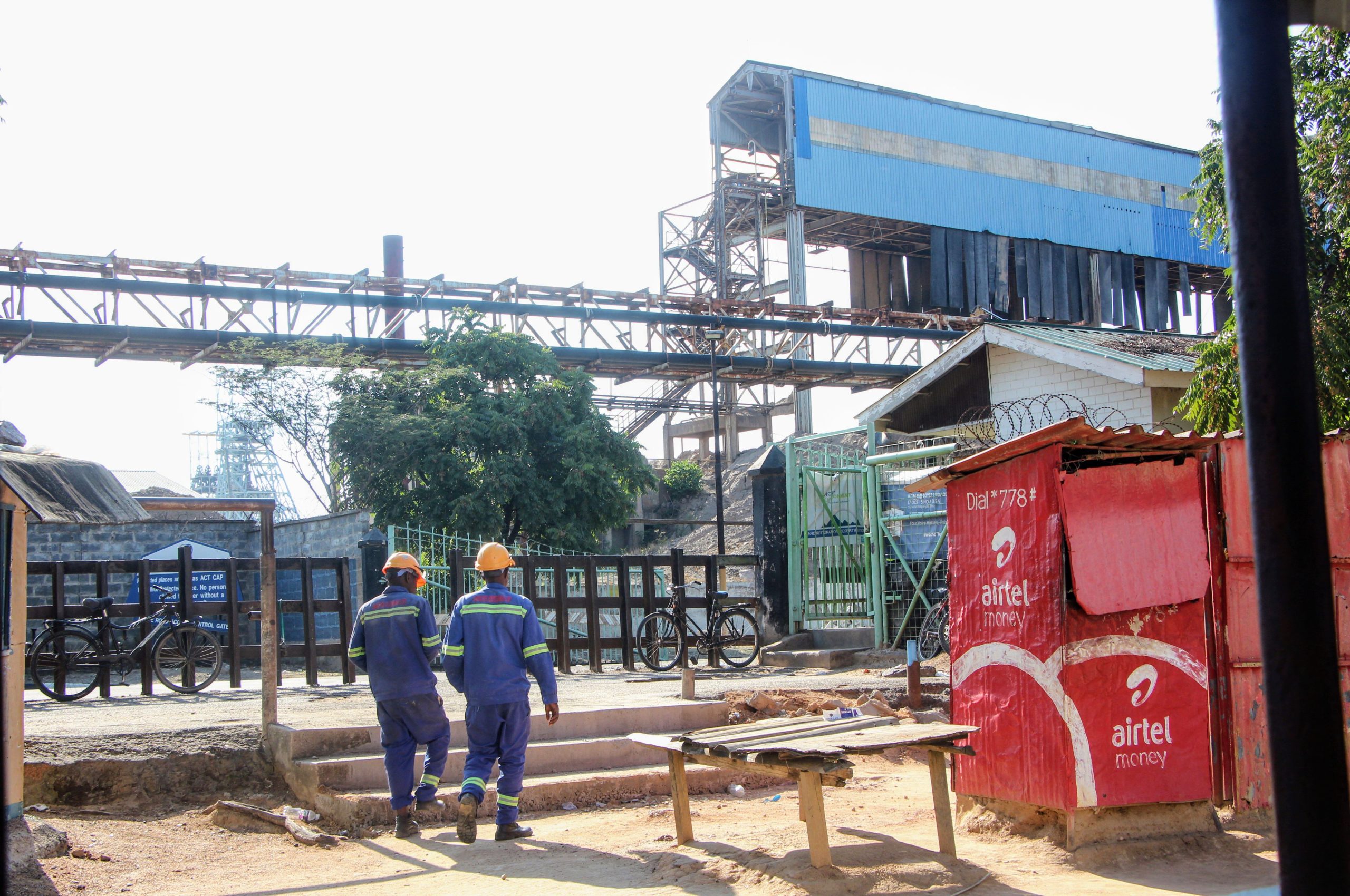
KCM workers go to work at the mine near Chingola

KCM workers go to work at the mine near Chingola

In late 2022, the US, Zambia and the DRC agreed to support the development of a joint EV battery supply chain across the two African nations that would cover mining, processing, manufacturing and assembly, sparking hope for further value addition on their soil.

The DRC holds abundant reserves of copper and 70% of the world’s reserves of cobalt, another pivotal battery material.

While US President Donald Trump’s support for the initiative agreed under his predecessor is uncertain, Kabuswe told the mining summit that Zambia and the DRC are working to develop a battery manufacturing supply chain. “This transition would create jobs and bring substantial economic benefits to our communities,” he said, calling for the negotiations with the DRC to move forward.

Chingola is earmarked as a potential site for an EV battery production plant and the plans have brought hope to the mining town.

Mulenga Pascal Bwalya

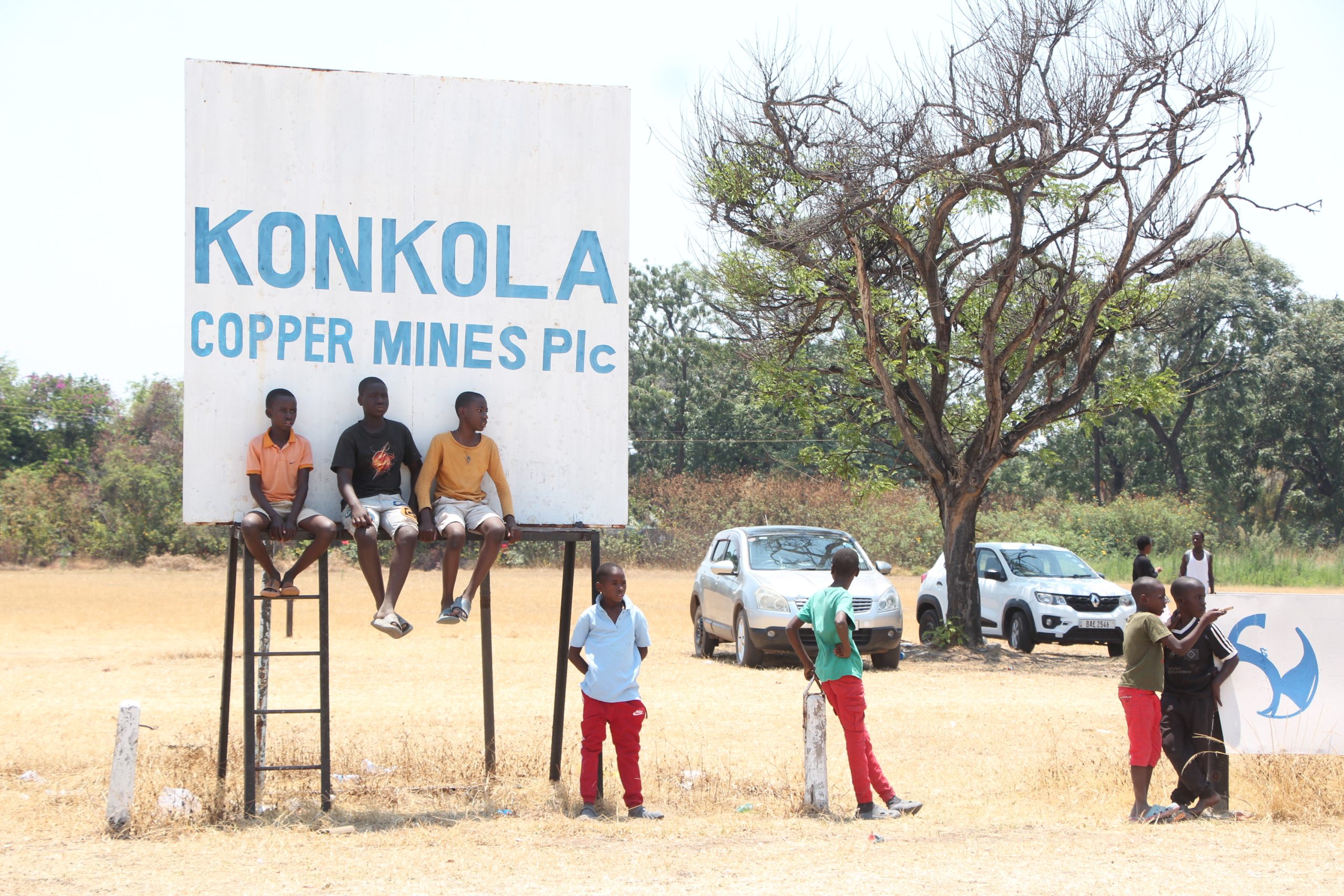
Children sit in front of a KCM sign

Mulenga Pascal Bwalya

Children sit in front of a KCM sign

Mulenga Pascal Bwalya arrived in Chingola in 1965 a young and ambitious man with a job in the copper mining industry. Decades later and now retired, Bwalya said the rise of EVs could mark a U-turn in Zambia’s struggle to add value to its resources.

“Copper is one of the valuable components of electric vehicles. I pray that those will be assembled here one day, ensuring technology transfer, creating employment for our people and fostering a prosperous Zambia,” he said.

From raw resources to processed wealth

Anticipating a jump in production, the US and China are reviving two major railway projects to join the landlocked nation to the sea and get Zambia’s mineral resources to their own markets.

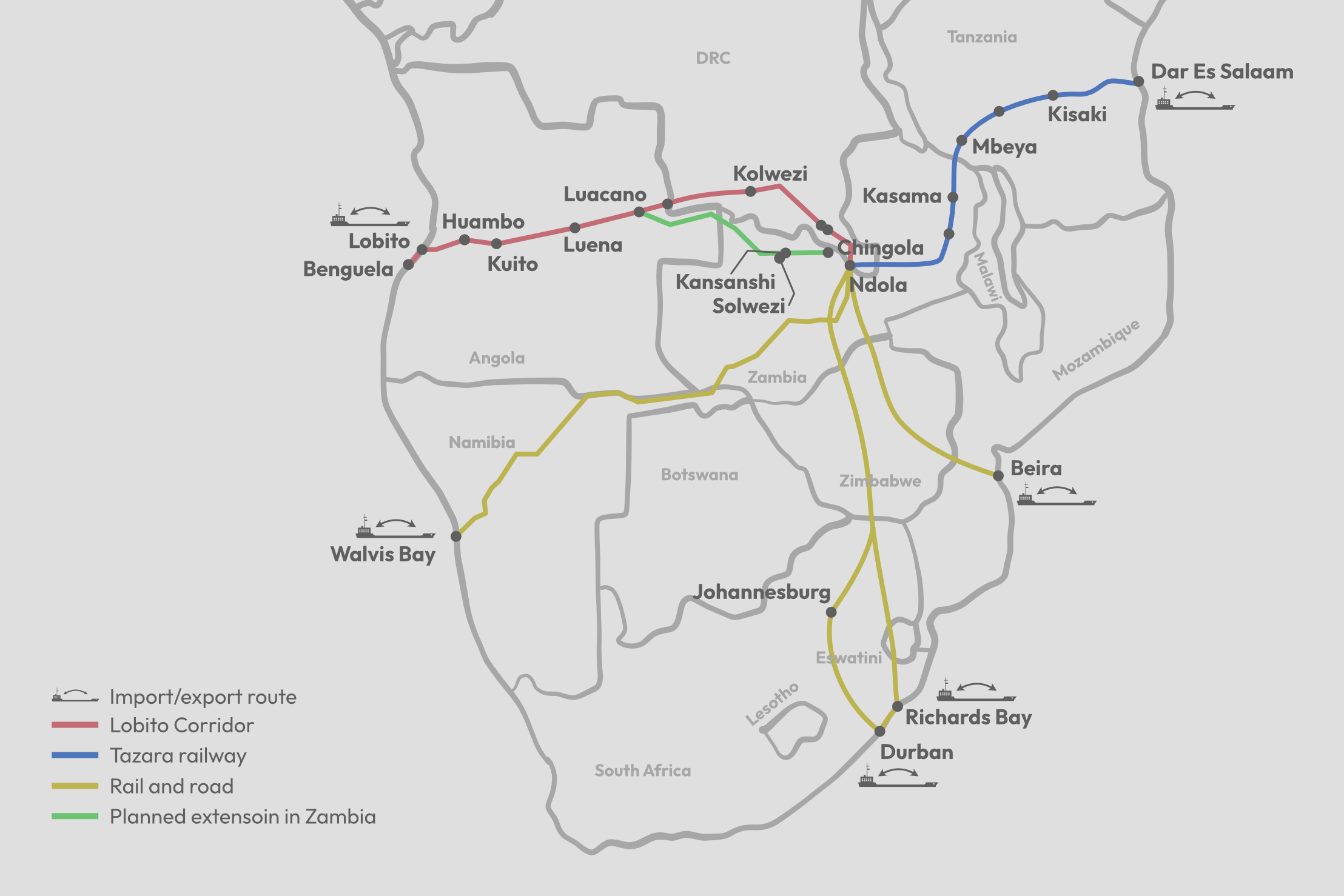
To the west, the US is supporting the Lobito Corridor, a massive railway project linking the DRC to the Angolan port of Lobito, which previously received Chinese investment. A new 830-kilometre section would extend the railway to Chingola in Zambia’s Copperbelt.

The railway, which has received financing exceeding $1 billion, has been designed to create a faster route to export DRC and Zambia’s minerals. It will reduce the journey time from 45 days using the existing road corridor to the South African port of Durban to just seven days, lowering export costs and cutting emissions, according to the project’s developers.


The Biden administration backed the rehabilitation of the Angolan section of the railway with a $553-million loan but it is unclear to what extent Trump will support the project. Yet, KoBold Metals has already committed to use the railway to export 300,000 tons of copper and related freight annually.

To the east, China is revamping the Tazara railway, which links Zambia’s Copperbelt to the Tanzanian port of Dar es Salaam. Plans to link the two rail projects would create a huge network of infrastructure to facilitate trade across the continent.

Both projects have the potential to massively boost Zambia’s copper exports. But experts caution they could serve as fast lanes for exporting raw minerals if the resources are not processed domestically before they are shipped.
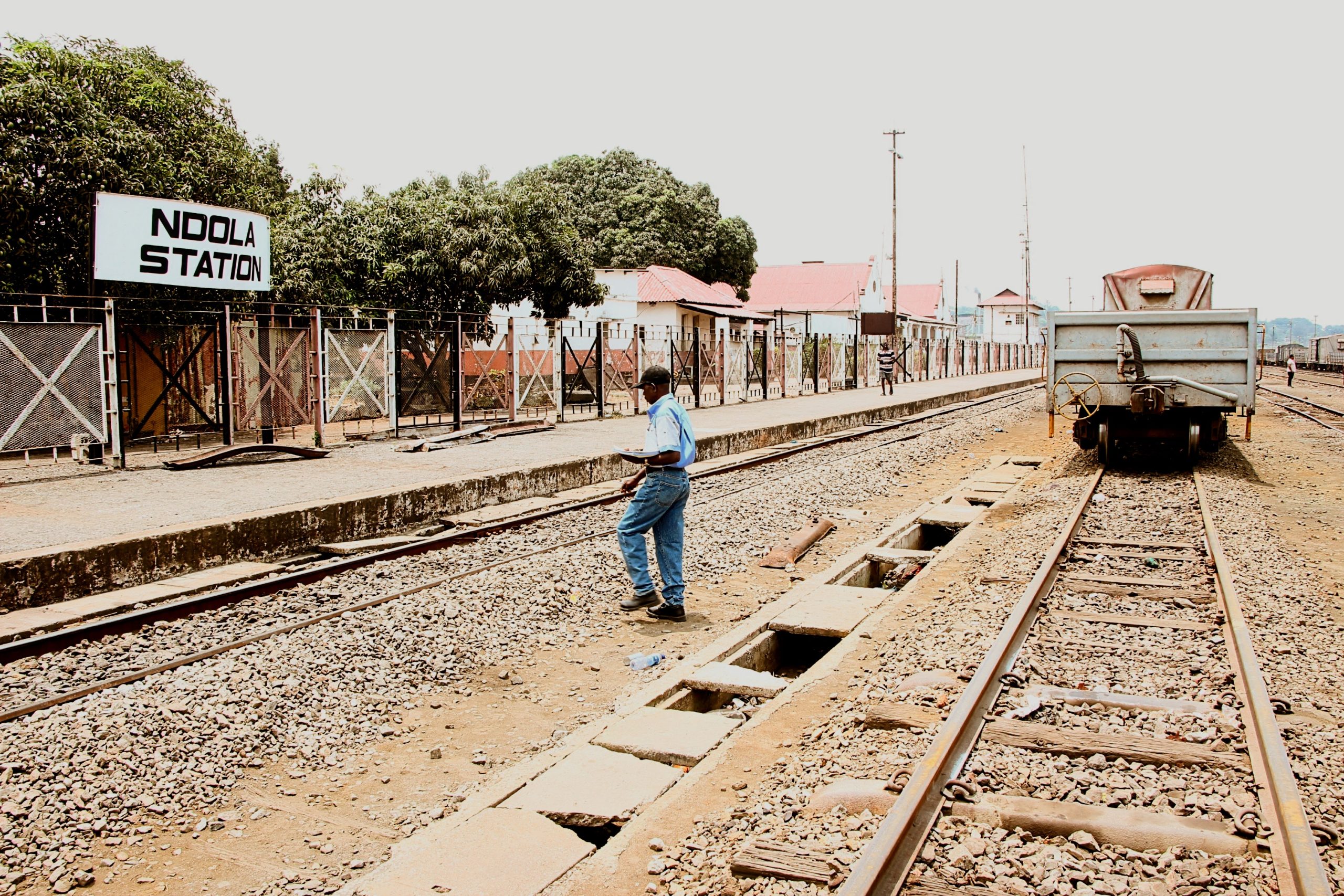
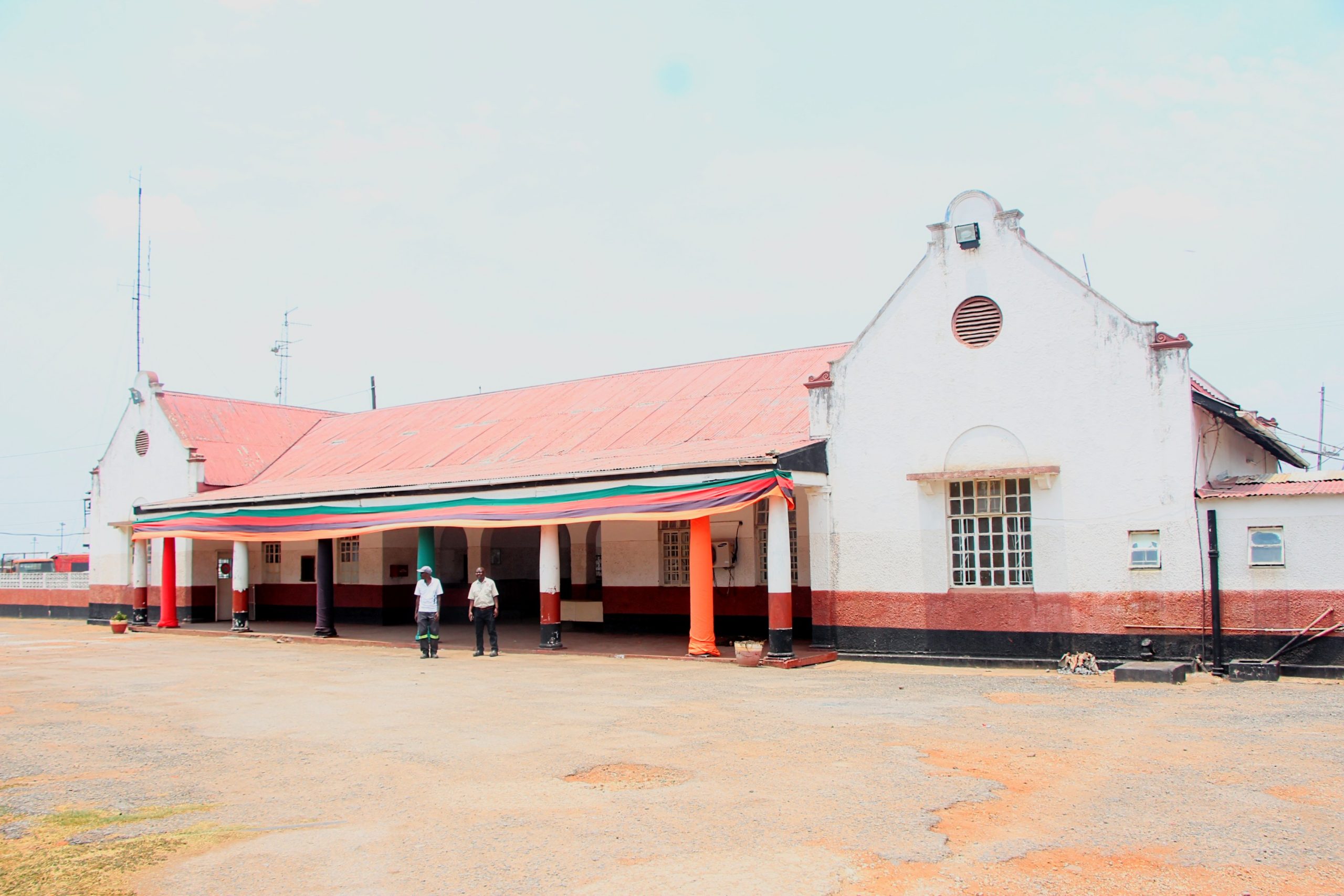
Ndola rail Station was built in 1924 to export copper from the Copperbelt

The station could get a makeover as part of plans to revamp the Tazara railway

Ndola rail Station was built in 1924 to export copper from the Copperbelt

The station could get a makeover as part of plans to revamp the Tazara railway

“The development of the Lobito Corridor and the modernisation of Tazara are important for Zambia’s mining sector. But we must ensure that these projects focus on refining and value addition,” Ashu Sagar, president of the Zambia Association of Manufacturers, told the mining conference.

“If these transport corridors are used solely to export raw copper, we risk losing out on the full economic potential that comes with value-added products,” he said.

KoBold didn’t answer Climate Home’s questions about whether it plans to process the copper it is set to start commercially mining in 2026 in the country.

An estimated 20% of Zambia’s copper is processed domestically, according to Zamefa, the nation’s sole copper processor. Raw copper is exported for processing, mostly to China, which refines the majority of the world’s minerals for producing clean energy technologies.

But some plans are afoot to process minerals in Zambia, including Africa’s first cobalt sulphate refinery to supply battery grade cobalt for EVs.

For the many, not the few

Civil society groups in Zambia have long demanded more accountability in the country’s mining sector so it maximises revenues, benefits local communities and helps finance local development.

OpenNet For All Zambia, a local NGO, has pointed to secretive mining contracts and an opaque tax regime with loopholes allowing companies to underreport earnings as part of the problem that keeps wealth from communities.

“Mining must contribute to the social fabric, not just corporate profits,” Sipho Mwanza, the NGO’s executive director, told Climate Home.

“These opaque systems make it difficult for the government to monitor and collect the fair share of revenues from the sector, often resulting in substantial revenue losses for the country,” he warned.
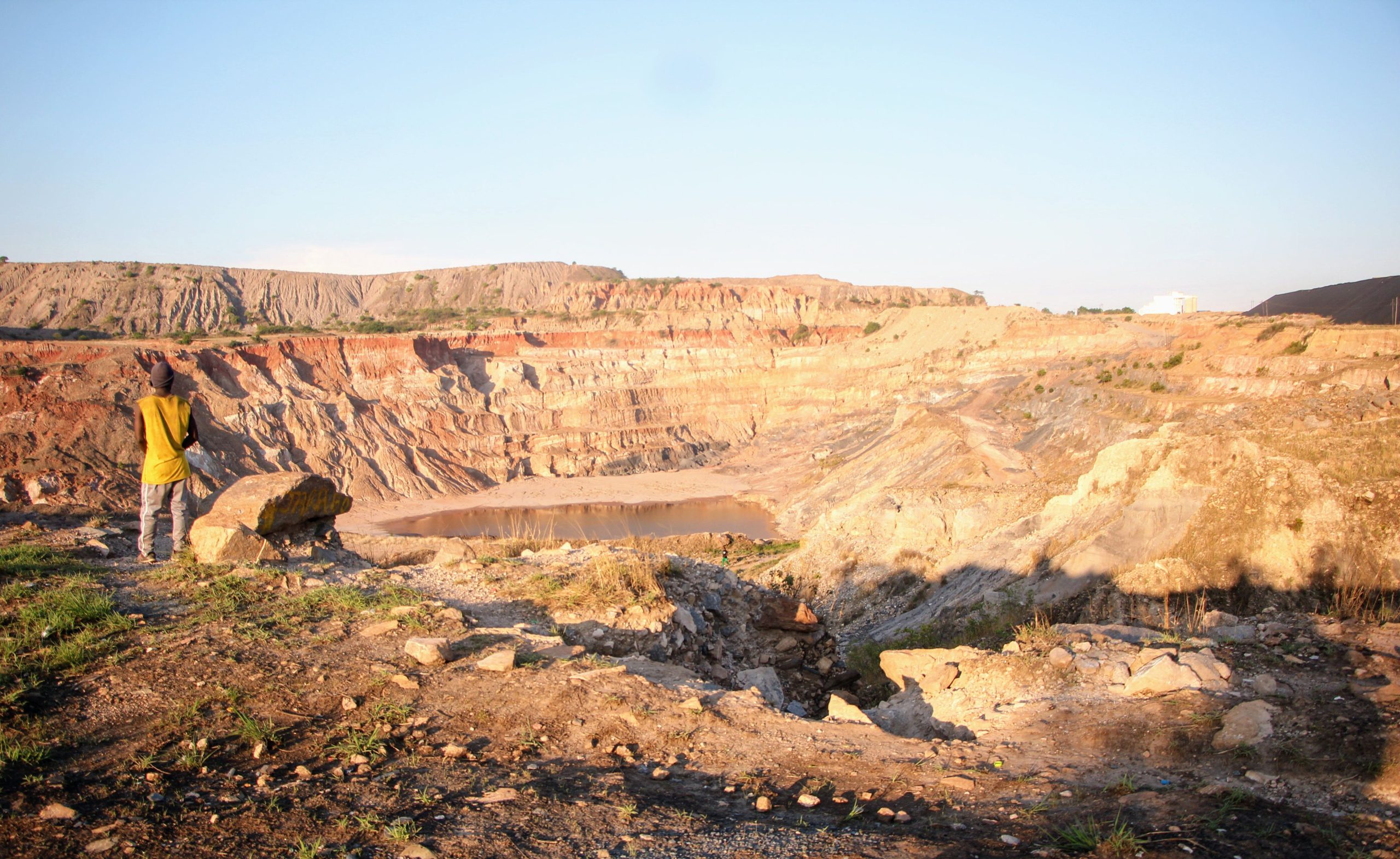
A disused open pit which is mined by artisanal miners mine

A disused open pit which is mined by artisanal miners mine

“Zambia’s mining sector needs to be accountable,” agreed Edward Lange, of the Southern Africa Resource Watch, which monitors resource extraction in the region. He told Climate Home that fair taxation policies, stricter corporate social responsibility laws and local value addition are essential to retain more mining wealth in the country.

Lange welcomed the government’s legislative push to create a more transparent and better regulated mining sector.

This includes plans to reduce foreign dominance, increase Zambian ownership through a local content requirement, and ensure the country benefits more from its vast mineral resources by establishing a public investment company that will control at least 30% of mineral production from future mines.

“By focusing on these fair and equitable policies, Zambia has the potential to improve its national economy, increase job creation, and ensure that its resources benefit the local population while still attracting foreign investment,” said Lange.

“Our resources should not be a curse,” he added, “but uplift our communities.”


Main image: Artisanal miners look for copper in mining waste

The post Ending poverty and gangs: How Zambia seeks to cash in on the global drive for EVs appeared first on Climate Home News.

Ending poverty and gangs: How Zambia seeks to cash in on the global drive for EVs

Continue Reading

Climate Change

The 2026 budget test: Will Australia break free from fossil fuels?

Published

on

In 2026, the dangers of fossil fuel dependence have been laid bare like never before. The illegal invasion of Iran has brought pain and destruction to millions across the Middle East and triggered a global energy crisis impacting us all. Communities in the Pacific have been hit especially hard by rising fuel prices, and Australians have seen their cost-of-living woes deepen.

Such moments of crisis and upheaval can lead to positive transformation. But only when leaders act with courage and foresight.

There is no clearer statement of a government’s plans and priorities for the nation than its budget — how it plans to raise money, and what services, communities, and industries it will invest in.

As we count down the days to the 2026-27 Federal Budget, will the Albanese Government deliver a budget for our times? One that starts breaking the shackles of fossil fuels, accelerates the shift to clean energy, protects nature, and sees us work together with other countries towards a safer future for all? Or one that doubles down on coal and gas, locks in more climate chaos, and keeps us beholden to the whims of tyrants and billionaires.

Here’s what we think the moment demands, and what we’ll be looking out for when Treasurer Jim Chalmers steps up to the dispatch box on 12 May.

1. Stop fuelling the fire
2. Make big polluters pay
3. Support everyone to be part of the solution
4. Build the industries of the future
5. Build community resilience
6. Be a better neighbour
7. Protect nature

1. Stop fuelling the fire

Action Calls for a Transition Away From Fossil Fuels in Vanuatu. © Greenpeace
The community in Mele, Vanuatu sent a positive message ahead of the First Conference on Transitioning Away from Fossil Fuels. © Greenpeace

In mid-April, Pacific governments and civil society met to redouble their efforts towards a Fossil Fuel Free Pacific. Moving beyond coal, oil and gas is fundamental to limiting warming to 1.5°C — a survival line for vulnerable communities and ecosystems. And as our Head of Pacific, Shiva Gounden, explained, it is “also a path of liberation that frees us from expensive, extractive and polluting fossil fuel imports and uplifts our communities”.

Pacific countries are at the forefront of growing global momentum towards a just transition away from fossil fuels, and it is way past time for Australia to get with the program. It is no longer a question of whether fossil fuel extraction will end, but whether that end will be appropriately managed and see communities supported through the transition, or whether it will be chaotic and disruptive.

So will this budget support the transition away from fossil fuels, or will it continue to prop up coal and gas?

When it comes to sensible moves the government can make right now, one stands out as a genuine low hanging fruit. Mining companies get a full rebate of the excise (or tax) that the rest of us pay on diesel fuel. This lowers their operating costs and acts as a large, ongoing subsidy on fossil fuel production — to the tune of $11 billion a year!

Greenpeace has long called for coal and gas companies to be removed from this outdated scheme, and for the billions in savings to be used to support the clean energy transition and to assist communities with adapting to the impacts of climate change. Will we see the government finally make this long overdue change, or will it once again cave to the fossil fuel lobby?

2. Make big polluters pay

Activists Disrupt Major Gas Conference in Sydney. © Greenpeace
Greenpeace Australia Pacific activists disrupted the Australian Domestic Gas Outlook conference in Sydney with the message ‘Gas execs profit, we pay the price’. © Greenpeace

While our communities continue to suffer the escalating costs of climate-fuelled disasters, our Government continues to support a massive expansion of Australia’s export gas industry. Gas is a dangerous fossil fuel, with every tonne of Australian gas adding to the global heating that endangers us all.

Moreover, companies like Santos and Woodside pay very little tax for the privilege of digging up and selling Australians’ natural endowment of fossil gas. Remarkably, the Government currently raises more tax from beer than from the Petroleum Resource Rent Tax (PRRT) — the main tax on gas profits.

Momentum has been building to replace or supplement the PRRT with a 25% tax on gas exports. This could raise up to $17 billion a year — funds that, like savings from removing the diesel tax rebate for coal and gas companies, could be spent on supporting the clean energy transition and assisting communities with adapting to worsening fires, floods, heatwaves and other impacts of climate change.

As politicians arrive in Canberra for budget week, they will be confronted by billboards calling for a fair tax on gas exports. The push now has the support of dozens of organisations and a growing number of politicians. Let’s hope the Treasurer seizes this rare window for reform.

3. Support everyone to be part of the solution

As the price of petrol and diesel rises, electric vehicles (EVs) are helping people cut fuel use and save money. However, while EV sales have jumped since the invasion of Iran sent fuel prices rising, they still only make up a fraction of total new car sales. This budget should help more Australians switch to electric vehicles and, even more importantly, enable more Australians to get around by bike, on foot, and on public transport. This means maintaining the EV discount, investing in public and active transport, and removing tax breaks for fuel-hungry utes and vans.

Millions of Australians already enjoy the cost-saving benefits of rooftop solar, batteries, and getting off gas. This budget should enable more households, and in particular those on lower incomes, to access these benefits. This means maintaining the Cheaper Home Batteries Program, and building on the Household Energy Upgrades Fund.

4. Build the industries of the future

Protest of Woodside and Drill Rig Valaris at Scarborough Gas Field in Western Australia. © Greenpeace / Jimmy Emms
Crew aboard Greenpeace Australia Pacific’s campaigning vessel the Oceania conducted a peaceful banner protest at the site of the Valaris DPS-1, the drill rig commissioned to build Woodside’s destructive Burrup Hub. © Greenpeace / Jimmy Emms

If we’re to transition away from fossil fuels, we need to be building the clean industries of the future.

No state is more pivotal to Australia’s energy and industrial transformation than Western Australia. The state has unrivaled potential for renewable energy development and for replacing fossil fuel exports with clean exports like green iron. Such industries offer Western Australia the promise of a vibrant economic future, and for Australia to play an outsized positive role in the world’s efforts to reduce emissions.

However, realising this potential will require focussed support from the Federal Government. Among other measures, Greenpeace has recommended establishing the Australasian Green Iron Corporation as a joint venture between the Australian and Western Australian governments, a key trading partner, a major iron ore miner and steel makers. This would unite these central players around the complex task of building a large-scale green iron industry, and unleash Western Australia’s potential as a green industrial powerhouse.

5. Build community resilience

Believe it or not, our Government continues to spend far more on subsidising fossil fuel production — and on clearing up after climate-fuelled disasters — than it does on helping communities and industries reduce disaster costs through practical, proven methods for building their resilience.

Last year, the Government estimated that the cost of recovery from disasters like the devastating 2022 east coast floods on 2019-20 fires will rise to $13.5 billion. For contrast, the Government’s Disaster Ready Fund – the main national source of funding for disaster resilience – invests just $200 million a year in grants to support disaster preparedness and resilience building. This is despite the Government’s own National Emergency Management Agency (NEMA) estimating that for every dollar spent on disaster risk reduction, there is a $9.60 return on investment.

By redirecting funds currently spent on subsidising fossil fuel production, the Government can both stop incentivising climate destruction in the first place, and ensure that Australian communities and industries are better protected from worsening climate extremes.

No communities have more to lose from climate damage, or carry more knowledge of practical solutions, than Aboriginal and Torres Strait Islander peoples. The budget should include a dedicated First Nations climate adaptation fund, ensuring First Nations communities can develop solutions on their own terms, and access the support they need with adapting to extreme heat, coastal erosion and other escalating challenges.

6. Be a better neighbour

The global response to climate change depends on the adequate flow of support from developed economies like Australia to lower income nations with shifting to clean energy, adapting to the impacts of climate change, and addressing loss and damage.

Such support is vital to building trust and cooperation, reducing global emissions, and supporting regional and global security by enabling countries to transition away from fossil fuels and build greater resilience.

Despite its central leadership role in this year’s global climate negotiations, our Government is yet to announce its contribution to international climate finance for 2025-2030. Greenpeace recommends a commitment of $11 billion for this five year period, which is aligned with the global goal under the Paris Agreement to triple international climate finance from current levels.
This new commitment should include additional funding to address loss and damage from climate change and a substantial contribution to the Pacific Resilience Facility, ensuring support is accessible to countries and communities that need it most. It should also see Australia get firmly behind the vision of a Fossil Fuel Free Pacific.

7. Protect nature

Rainforest in Tasmania. © Markus Mauthe / Greenpeace
Rainforest of north west Tasmania in the Takayna (Tarkine) region. © Markus Mauthe / Greenpeace

There is no safe planet without protection of the ecosystems and biodiversity that sustain us and regulate our climate.

Last year the Parliament passed important and long overdue reforms to our national environment laws to ensure better protection for our forests and other critical ecosystems. However, the Government will need to provide sufficient funding to ensure the effective implementation of these reforms.

Greenpeace has recommended $500 million over four years to establish the National Environment Agency — the body responsible for enforcing and monitoring the new laws — and a further $50 million to Environment Information Australia for providing critical information and tools.

Further resourcing will also be required to fulfil the crucial goal of fully protecting 30% of Australian land and seas by 2030. This should include $1 billion towards ending deforestation by enabling farmers and loggers to retool away from destructive practices, $2 billion a year for restoring degraded lands, $5 billion for purchasing and creating new protected areas, and $200 million for expanding domestic and international marine protected areas.

Conclusion

This is not the first time that conflict overseas has triggered an energy crisis, or that a budget has been preceded by a summer of extreme weather disasters, highlighting the urgent need to phase out fossil fuels. What’s different in 2026 is the availability of solutions. Renewable energy is now cheaper and more accessible than ever before. Global momentum is firmly behind the transition away from fossil fuels. The Albanese Government, with its overwhelming majority, has the chance to set our nation up for the future, or keep us stranded in the past. Let’s hope it makes some smart choices.

The 2026 budget test: Will Australia break free from fossil fuels?

Continue Reading

Climate Change

What fossil fuels really cost us in a world at war

Published

on

Anne Jellema is Executive Director of 350.org.

The war on Iran and Lebanon is a deeply unjust and devastating conflict, killing civilians at home, destroying lives, and at the same time sending shockwaves through the global economy. We, at 350.org, have calculated, drawing on price forecasts from the International Monetary Fund (IMF) and Goldman Sachs, just how much that volatility is costing us. 

Even under the IMF’s baseline scenario – a de facto “best case” scenario with a near-term end to the war and related supply chain disruptions – oil and gas price spikes are projected to cost households and businesses globally more than $600 billion by the end of the year. Under the IMF’s “adverse scenario”, with prolonged conflict and sustained price pressures, we estimate those additional costs could exceed $1 trillion, even after accounting for reduced demand.

Which is why we urgently need a power shift. Governments are under growing pressure to respond to rising fuel and food costs and deepening energy poverty. And it’s becoming clearer to both voters and elected officials that fossil dependence is not only expensive and risky, but unnecessary. 

People who can are voting with their wallets: sales of solar panels and electric vehicles are increasing sharply in many countries. But the working people who have nothing to spare, ironically, are the ones stuck with using oil and gas that is either exorbitantly expensive or simply impossible to get.

Drain on households and economies

In India, street food vendors can’t get cooking gas and in the Philippines, fishermen can’t afford to take their boats to sea. A quarter of British people say that rising energy tariffs will leave them completely unable to pay their bills. This is the moment for a global push to bring abundant and affordable clean energy to all.

In April, we released Out of Pocket, our new research report on how fossil fuels are draining households and economies. We were surprised by the scale of what we found. For decades, governments have reassured people that energy price spikes are unfortunate but unavoidable – the result of distant conflicts, market forces or geopolitical shocks beyond anyone’s control. But the numbers tell a different story. 

    What we are living through today is not an energy crisis. It is a fossil fuel crisis. In just the first 50 days of the Middle East conflict, soaring oil and gas prices have siphoned an estimated $158 billion–$166 billion from households and businesses worldwide. That is money extracted directly from people’s pockets and transferred, almost instantly, into fossil fuel company balance sheets. And this figure only captures the immediate impact of price spikes, not the permanent economic drain of fossil dependence. Fossil fuels don’t just cost us once, they cost us over and over again.

    First, through our bills. Every time there is a war, an embargo or a supply disruption, fossil fuel prices surge. For ordinary people, this means higher costs for energy, transport and food. Many Global South countries have little or no fiscal space to buffer the shock; instead, workers and families pay the price.

    Second, through our taxes. Governments around the world continue to pour vast sums of public money into fossil fuel subsidies. These are often justified as a way to protect the most vulnerable at the petrol pump or in their homes. But in reality, the benefits are overwhelmingly captured by wealthier households and corporations. The poorest 20% receive just a fraction of this support, while public finances are drained.

    Third, through climate impacts. New research across more than 24,000 global locations gives a granular account of the true costs of extreme heat, sea level rise and falling agricultural yields. Using this data to update IMF modelling of the social cost of carbon, we found that fossil fuel impacts on health and livelihoods amount to over $9 trillion a year. This is the biggest subsidy of all, because these massive and mounting costs are not charged to Big Oil – they are paid for by governments and households, with the poorest shouldering the lion’s share. 

    Massive transfer of wealth to fossil fuel industry

    Adding up direct subsidies, tax breaks and the unpaid bill for climate damages, the total transfer of wealth from the public to the fossil fuel industry amounts to $12 trillion even in a “normal” year without a global oil shock. That’s more than 50% higher than the IMF has previously estimated, and equivalent to a staggering $23 million a minute.

    The fossil fuel industry has become extraordinarily adept at profiting from instability. When conflict drives up prices, companies do not lose, they gain. In the current crisis, oil producers and commodity traders are on track to secure tens of billions of dollars in additional windfall profits, even as households face rising bills and governments struggle to manage the fallout.

    Fossil fuel crisis offers chance to speed up energy transition, ministers say

    This growing disconnect is impossible to ignore. Investors are advised to buy into fossil fuel firms precisely because of their ability to generate profits in times of crisis. Meanwhile, ordinary people are told to tighten their belts.

    In 2026, unlike during the oil shocks of the 1970s, clean energy is no longer a distant alternative. Now, even more than when gas prices spiked due to Russia’s invasion of Ukraine in 2022, renewables are often the cheapest option available. Solar and wind can be deployed quickly, at scale, and without the volatility that defines fossil fuel markets.

    How to transition from dirty to clean energy

    The solutions are clear. Governments must implement permanent windfall taxes on fossil fuel companies to ensure that extraordinary profits generated during crises are redirected to support households. These revenues can be used to reduce energy bills, invest in public services, and accelerate the rollout of clean energy.

    Second, we must shift subsidies away from fossil fuels and towards renewable solutions, particularly those that can be deployed quickly and equitably, such as rooftop and community solar. This is not just about cutting emissions. It is about building a more stable, fair and resilient energy system.

    Finally, we need binding plans to phase out fossil fuels altogether, replacing them with homegrown renewable energy that can shield economies from future shocks. Because what the current crisis has made clear is this: as long as we remain dependent on fossil fuels, we remain vulnerable – to conflict, to price volatility and to the escalating impacts of climate change.

    The true price of fossil fuels is no longer hidden. It is visible in rising bills, strained public finances and communities pushed to the brink. And it is being paid, every day, by ordinary people around the world.

    It’s time for the great power shift

    Full details on the methodology used for this report are available here.

    The Great Power Shift is a new campaign by 350.org global campaign to pressure governments to bring down energy bills for good by ending fossil fuel dependence and investing in clean, affordable energy for all

    Logo of 350.org campaign on “The Great Power Shift”

    Logo of 350.org campaign on “The Great Power Shift”

    The post What fossil fuels really cost us in a world at war appeared first on Climate Home News.

    What fossil fuels really cost us in a world at war

    Continue Reading

    Climate Change

    Traditional models still ‘outperform AI’ for extreme weather forecasts

    Published

    on

    Computer models that use artificial intelligence (AI) cannot forecast record-breaking weather as well as traditional climate models, according to a new study.

    It is well established that AI climate models have surpassed traditional, physics-based climate models for some aspects of weather forecasting.

    However, new research published in Science Advances finds that AI models still “underperform” in forecasting record-breaking extreme weather events.

    The authors tested how well both AI and traditional weather models could simulate thousands of record-breaking hot, cold and windy events that were recorded in 2018 and 2020.

    They find that AI models underestimate both the frequency and intensity of record-breaking events.

    A study author tells Carbon Brief that the analysis is a “warning shot” against replacing traditional models with AI models for weather forecasting “too quickly”.

    AI weather forecasts

    Extreme weather events, such as floods, heatwaves and storms, drive hundreds of billions of dollars in damages every year through the destruction of cropland, impacts on infrastructure and the loss of human life.

    Many governments have developed early warning systems to prepare the general public and mobilise disaster response teams for imminent extreme weather events. These systems have been shown to minimise damages and save lives.

    For decades, scientists have used numerical weather prediction models to simulate the weather days, or weeks, in advance.

    These models rely on a series of complex equations that reproduce processes in the atmosphere and ocean. The equations are rooted in fundamental laws of physics, based on decades of research by climate scientists. As a result, these models are referred to as “physics-based” models.

    However, AI-based climate models are gaining popularity as an alternative for weather forecasting.

    Instead of using physics, these models use a statistical approach. Scientists present AI models with a large batch of historical weather data, known as training data, which teaches the model to recognise patterns and make predictions.

    To produce a new forecast, the AI model draws on this bank of knowledge and follows the patterns that it knows.

    There are many advantages to AI weather forecasts. For example, they use less computing power than physics-based models, because they do not have to run thousands of mathematical equations.

    Furthermore, many AI models have been found to perform better than traditional physics-based models at weather forecasts.

    However, these models also have drawbacks.

    Study author Prof Sebastian Engelke, a professor at the research institute for statistics and information science at the University of Geneva, tells Carbon Brief that AI models “depend strongly on the training data” and are “relatively constrained to the range of this dataset”.

    In other words, AI models struggle to simulate brand new weather patterns, instead tending forecast events of a similar strength to those seen before. As a result, it is unclear whether AI models can simulate unprecedented, record-breaking extreme events that, by definition, have never been seen before.

    Record-breaking extremes

    Extreme weather events are becoming more intense and frequent as the climate warms. Record-shattering extremes – those that break existing records by large margins – are also becoming more regular.

    For example, during a 2021 heatwave in north-western US and Canada, local temperature records were broken by up to 5C. According to one study, the heatwave would have been “impossible” without human-caused climate change.

    The new study explores how accurately AI and physics-based models can forecast such record-breaking extremes.

    First, the authors identified every heat, cold and wind event in 2018 and 2020 that broke a record previously set between 1979 and 2017. (They chose these years due to data availability.) The authors use ERA5 reanalysis data to identify these records.

    This produced a large sample size of record-breaking events. For the year 2020, the authors identified around 160,000 heat, 33,000 cold and 53,000 wind records, spread across different seasons and world regions.

    For their traditional, physics-based model, the authors selected the High RESolution forecast model from the Integrated Forecasting System of the European Centre for Medium-­Range Weather Forecasts. This is “widely considered as the leading physics-­based numerical weather prediction model”, according to the paper.

    They also selected three “leading” AI weather models – the GraphCast model from Google Deepmind, Pangu-­Weather developed by Huawei Cloud and the Fuxi model, developed by a team from Shanghai.

    The authors then assessed how accurately each model could forecast the extremes observed in the year 2020.

    Dr Zhongwei Zhang is the lead author on the study and a researcher at Karlsruhe Institute of Technology. He tells Carbon Brief that many AI weather forecast models were built for “general weather conditions”, as they use all historical weather data to train the models. Meanwhile, forecasting extremes is considered a “secondary task” by the models.

    The authors explored a range of different “lead times” – in other words, how far into the future the model is forecasting. For example, a lead time of two days could mean the model uses the weather conditions at midnight on 1 January to simulate weather conditions at midnight on 3 January.

    The plot below shows how accurately the models forecasted all extreme events (left) and heat extremes (right) under different lead times. This is measured using “root mean square error” – a metric of how accurate a model is, where a lower value indicates lower error and higher accuracy.

    The chart on the left shows how two of the AI models (blue and green) performed better than the physics-based model (black) when forecasting all weather across the year 2020.

    However, the chart on the right illustrates how the physics-based model (black) performed better than all three AI models (blue, red and green) when it came to forecasting heat extremes.

    Accuracy of the AI models
    Accuracy of the AI models (blue, red and green) and the physics-based model (black) at forecasting all weather over 2020 (left) and heat extremes (right) over a range of lead times. This is measured using “root mean square error” (RMSE) – a metric of how accurate a model is, where a lower value indicates lower error and higher accuracy. Source: Zhang et al (2026).

    The authors note that the performance gap between AI and physics-based models is widest for lower lead times, indicating that AI models have greater difficulty making predictions in the near future.

    They find similar results for cold and wind records.

    In addition, the authors find that AI models generally “underpredict” temperature during heat records and “overpredict” during cold records.

    The study finds that the larger the margin that the record is broken by, the less well the AI model predicts the intensity of the event.

    ‘Warning shot’

    Study author Prof Erich Fischer is a climate scientist at ETH Zurich and a Carbon Brief contributing editor. He tells Carbon Brief that the result is “not unexpected”.

    He adds that the analysis is a “warning shot” against replacing traditional models with AI models for weather forecasting “too quickly”.

    The analysis, he continues, is a “warning shot” against replacing traditional models with AI models for weather forecasting “too quickly”.

    AI models are likely to continue to improve, but scientists should “not yet” fully replace traditional forecasting models with AI ones, according to Fischer.

    He explains that accurate forecasts are “most needed” in the runup to potential record-breaking extremes, because they are the trigger for early warning systems that help minimise damages caused by extreme weather.

    Leonardo Olivetti is a PhD student at Uppsala University, who has published work on AI weather forecasting and was not involved in the study.

    He tells Carbon Brief that “many other studies” have identified issues with using AI models for “extremes”, but this paper is novel for its specific focus on extremes.

    Olivetti notes that AI models are already used alongside physics-based models at “some of the major weather forecasting centres around the world”. However, the study results suggest “caution against relying too heavily on these [AI] models”, he says.

    Prof Martin Schultz, a professor in computational earth system science at the University of Cologne who was not involved in the study, tells Carbon Brief that the results of the analysis are “very interesting, but not too surprising”.

    He adds that the study “justifies the continued use of classical numerical weather models in operational forecasts, in spite of their tremendous computational costs”.

    Advances in forecasting

    The field of AI weather forecasting is evolving rapidly.

    Olivetti notes that the three AI models tested in the study are an “older generation” of AI models. In the last two years, newer “probabilistic” forecast models have emerged that “claim to better capture extremes”, he explains.

    The three AI models used in the analysis are “deterministic”, meaning that they only simulate one possible future outcome.

    In contrast, study author Engelke tells Carbon Brief that probabilistic models “create several possible future states of the weather” and are therefore more likely to capture record-breaking extremes.

    Engelke says it is “important” to evaluate the newer generation of models for their ability to forecast weather extremes.

    He adds that this paper has set out a “protocol” for testing the ability of AI models to predict unprecedented extreme events, which he hopes other researchers will go on to use.

    The study says that another “promising direction” for future research is to develop models that combine aspects of traditional, physics-based weather forecasts with AI models.

    Engelke says this approach would be “best of both worlds”, as it would combine the ability of physics-based models to simulate record-breaking weather with the computational efficiency of AI models.

    Dr Kyle Hilburn, a research scientist at Colorado State University, notes that the study does not address extreme rainfall, which he says “presents challenges for both modelling and observing”. This, he says, is an “important” area for future research.

    The post Traditional models still ‘outperform AI’ for extreme weather forecasts appeared first on Carbon Brief.

    Traditional models still ‘outperform AI’ for extreme weather forecasts

    Continue Reading

    Trending

    Copyright © 2022 BreakingClimateChange.com