
Connect with us

Published

on

In recent years, businesses worldwide, including Australia, have increasingly adopted sustainable energy solutions such as commercial solar power and LED lighting.    

With the costs of solar technology dropping and environmental concerns on the rise, solar energy is not just a sustainable choice, but also a financially appealing one for Australian businesses, offering significant cost savings.   

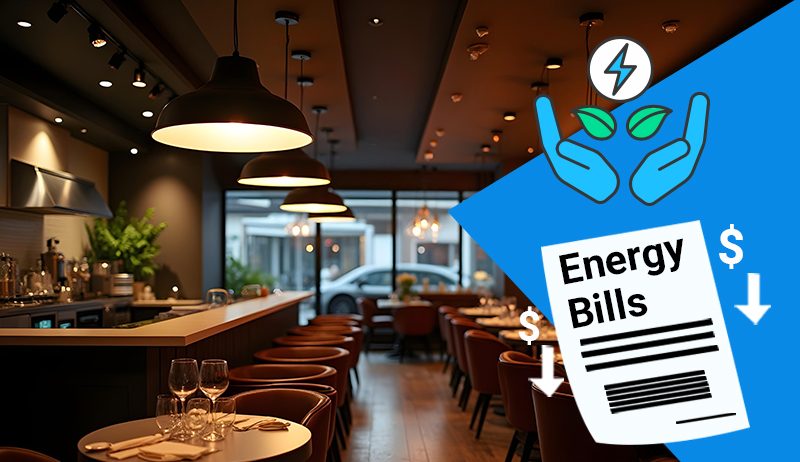
Integrating and comparing solar and LED lighting for your business not only lowers electricity costs but also significantly reduces your environmental impact, empowering you to contribute to a more sustainable future while saving money.   

With sustainability taking centre stage and numerous financial incentives available, you are well-informed that now is an ideal time to consider incorporating commercial solar panels and LED lights into your business operations. 

By incorporating solar and LED lights into your business, you benefit from government incentives and tax breaks and enhance your brand’s reputation as a forward-thinking, eco-friendly leader, aligning with the growing trend of corporate social responsibility. 

Unlocking Solar Savings for Businesses in Australia

More businesses in Australia are switching to solar energy to save money and help the environment. With the cost of solar panels dropping and energy prices rising, solar power is now a smart investment for businesses of all sizes.   

By installing solar panels, companies can cut electricity bills, enjoy government rebates and tax benefits, and reduce their carbon footprint. Adding battery storage allows businesses to store extra power for later use, making solar even more cost-effective.   

Switching to solar isn’t just about savings—it also helps businesses build a greener, more sustainable image. With so many financial and environmental benefits, now is the perfect time for Australian businesses to go solar! 

How LED Lights Work And Benefits Australian Business| Switching to LED Lights

LED lighting

LED lights work differently from old-fashioned bulbs. To understand this, let’s first look at how regular bulbs make light.   

Traditional bulbs, like incandescent ones, use a thin wire called a filament. When electricity passes through it, the filament gets hot and starts to glow, producing light. However, most energy is lost as heat, making these bulbs inefficient.   

LEDs (Light-Emitting Diodes) work differently. Instead of heating a wire, LEDs use a process called electroluminescence.  

Inside each LED is a tiny semiconductor, a unique material that controls how electricity flows. When electricity passes through it, the atoms inside get excited and release energy as light, without wasting much energy as heat.   

This makes LEDs much more energy-efficient than traditional bulbs. Since they don’t have a filament that can burn out, they also last much longer, often for tens of thousands of hours. Instead of suddenly stopping, LEDs slowly become dimmer over time.   

LEDs, however, use different semiconductor materials to create colours naturally. That’s why LED lights come in many colours and can even change colours in some cases.   

Because they use less power, last longer, and offer different lighting options, LEDs are now used everywhere—in homes, offices, cars, streetlights, and even electronic screens like smartphones and TVs.   

LED technology has changed how we light our world, providing a smarter, longer-lasting, and more energy-efficient solution than older lighting methods. 

Solar vs LED lighting| Comparing Solar and LED Lighting for Businesses in Australia

Businesses in Australia are constantly looking for energy-efficient lighting solutions that save money while being environmentally friendly.  

Both solar lighting and LED lighting offer great benefits, but they serve different purposes. Choosing the right one depends on cost, efficiency, maintenance, and usage.  

Let’s have a closer look at these two options.   

Cost Considerations

Solar lighting requires a higher initial investment, including solar panels, batteries, and installation costs. However, once installed, solar lighting can eliminate electricity bills.  

Over time, the savings on energy costs can outweigh the initial expense. Additionally, businesses may qualify for government rebates or incentives, which can reduce the upfront cost.  

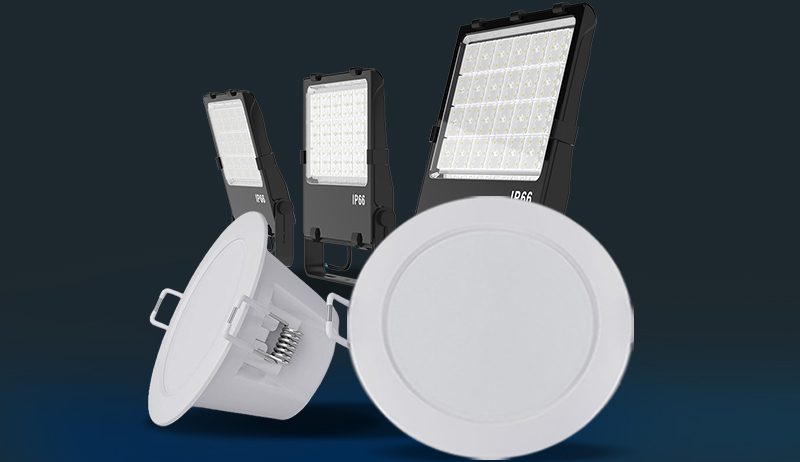
LED lighting, on the other hand, has a lower upfront cost compared to solar lighting. It is one of the most cost-effective ways to upgrade a business’s lighting system.  

While LED lights still rely on electricity from the grid, they use much less energy than traditional bulbs, which results in lower power bills. This makes LED lighting an affordable and energy-efficient option, especially for indoor spaces.   

Energy Efficiency

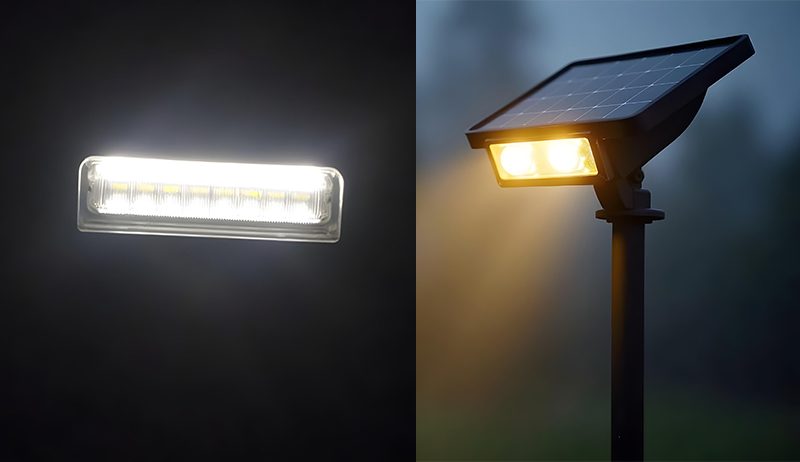
Solar lighting is powered entirely by the sun, making it a 100% renewable and off-grid energy source.  

Solar lights do not require electricity from the grid once installed. They are instrumental in outdoor areas such as parking lots, walkways, and remote locations where electrical wiring might be expensive or impractical.   

LED lighting is one of the most energy-efficient lighting options available. Compared to traditional incandescent bulbs, LEDs use up to 80% less energy to produce the same brightness level.  

However, LED lights still require electricity from the grid unless they are paired with solar panels. Even though they are highly efficient, businesses looking for a completely independent energy source may find solar lighting a better choice.   

Maintenance & Longevity

Solar requires some maintenance over time. The batteries need to be replaced every 5–10 years, and the solar panels may need occasional cleaning to ensure they receive maximum sunlight.  

However, since solar panels do not rely on electrical wiring, fewer parts can fail, making them a relatively low-maintenance solution.   

LED lighting is known for its long lifespan and minimal maintenance. A high-quality LED light can last over 50,000 hours, much longer than traditional bulbs.  

This means businesses can be confident in their investment, knowing that they do not need to replace them frequently, reducing maintenance costs. However, since LED lights are connected to the power grid, they may still be affected by electrical failures or outages.   

solar panels

Environmental Impact

Solar lighting is one of the most environmentally friendly lighting solutions. Since it runs on renewable solar energy, it does not produce carbon emissions once installed.  

Solar lighting can significantly benefit businesses that want to reduce their carbon footprint and support sustainability efforts.   

LED lighting is also more eco-friendly than traditional lighting because it uses less electricity, which helps reduce overall energy consumption.  

However, since LED lights still rely on power from the grid, they may indirectly contribute to carbon emissions if the electricity source is not renewable. That said, switching to LED lighting is still a significant step toward sustainability.   

Reliability & Performance

Solar energy works best in sunny regions, as it depends on sunlight to charge its batteries. Solar lighting may be less reliable in places with frequent cloudy or rainy days.  

However, most modern solar lighting systems include batteries that store extra power, allowing the lights to work even at night or during cloudy periods.   

LED lighting provides consistent brightness regardless of the weather, as long as there is a stable power supply.  

Unlike solar lights, LED lights are unaffected by cloudy or rainy days. This makes them an excellent choice for indoor spaces or areas where constant, reliable lighting is needed.   

Best Use Cases for Businesses

Solar lighting and solar panels are ideal for outdoor use, where access to electrical wiring is limited or expensive. It is commonly used for:   

  • Parking lots, pathways, and street lighting   
  • Remote locations that do not have access to the grid   
  • Businesses that prioritise sustainability and want to reduce electricity costs   

LED lighting is best suited for indoor areas where businesses need bright, efficient lighting. It is commonly used for:   

  • Office spaces, warehouses, and retail stores   
  • Businesses that want an affordable, energy-saving lighting upgrade   
  • Any area that requires consistent, reliable lighting   

Which One Should You Choose?

Solar is better if your business wants to reduce long-term energy costs, promote sustainability, and operate off-grid. It benefits outdoor spaces and remote locations where electrical wiring is complicated to install.   

LED lighting is ideal if you require cost-effective, bright, and reliable lighting for indoor spaces. It offers excellent energy savings while ensuring consistent lighting in offices, retail stores, and other commercial areas.   

For the best results, businesses can combine both solutions—using solar lighting for outdoor areas and LED lighting for indoor spaces. This way, they can enjoy maximum energy efficiency, lower electricity costs, and a greener business operation. 

Why Choose Cyanergy as Your Solar and LED Light Partner?

Cyanergy is a trusted name in solar and LED lighting, offering businesses in Australia cost-saving, energy-efficient solutions. With years of experience, we provide customised systems that help reduce electricity bills while ensuring bright, reliable lighting.   

By choosing Cyanergy, businesses can access government rebates and incentives, making installation more affordable.   

Cyanergy also focuses on eco-friendly solutions, helping businesses lower their carbon footprint and meet sustainability goals. Our expert team ensures hassle-free installation and ongoing support. Talk to an expert!    

With a strong industry reputation, Cyanergy is the perfect partner for businesses looking for affordable, high-performance solar and LED lighting. Get a free quote today!  

Your Solution Is Just a Click Away

The post Comparing Solar and LED Lighting for Businesses in Australia appeared first on Cyanergy.

Comparing Solar and LED Lighting for Businesses in Australia

Continue Reading

Renewable Energy

The Catastrophic Shift in America’s Impact on the World

Published

on

It’s not as if the United States has held the moral high ground throughout its history, with its slavery, the butchering of the Indians, Jim Crow, the support of tyrannical dictatorships around the globe, and the corrupt suppression of the working class in favor of Trump’s billionaire donors.

Yet, it was very recently that the entire nation became a force for the destruction of civil society.

The Catastrophic Shift in America’s Impact on the World

Continue Reading

Renewable Energy

We’re Running Out of Time

Published

on

There really are threats to human civilization that seem to be mounting in intensity:

• World fascism.  (If it can happen in the U.S., it could conceivably happen anywhere.)

• Environmental collapse.

• Malicious use of AI.

• Pandemics, as misinformation on vaccinations spread and the frozen tundra melts, releasing pathogens never seen by humans.

• Nuclear war.

Addressing the point made at left, is there any scenario in which world governments agree to cooperate so as to stave off the end of an organized society here on Earth?  One supposes so, though it sounds far-fetched in today’s world in which the leaders of most of the 200+ sovereign nations are trying so desperately to cling to power.

We’re Running Out of Time

Continue Reading

Renewable Energy

When Trump Will Leave

Published

on

Obviously, James Carville has been wrong before, but it appears that he’s onto something here.

An ever-increasing number of Americans are realizing that Trump is criminally insane, and is leading this nation to destruction.

When Trump Will Leave

Continue Reading

Trending

Copyright © 2022 BreakingClimateChange.com