LED lights work differently from old-fashioned bulbs. To understand this, let’s first look at how regular bulbs make light.
Traditional bulbs, like incandescent ones, use a thin wire called a filament. When electricity passes through it, the filament gets hot and starts to glow, producing light. However, most energy is lost as heat, making these bulbs inefficient.
LEDs (Light-Emitting Diodes) work differently. Instead of heating a wire, LEDs use a process called electroluminescence.
Inside each LED is a tiny semiconductor, a unique material that controls how electricity flows. When electricity passes through it, the atoms inside get excited and release energy as light, without wasting much energy as heat.
This makes LEDs much more energy-efficient than traditional bulbs. Since they don’t have a filament that can burn out, they also last much longer, often for tens of thousands of hours. Instead of suddenly stopping, LEDs slowly become dimmer over time.
LEDs, however, use different semiconductor materials to create colours naturally. That’s why LED lights come in many colours and can even change colours in some cases.
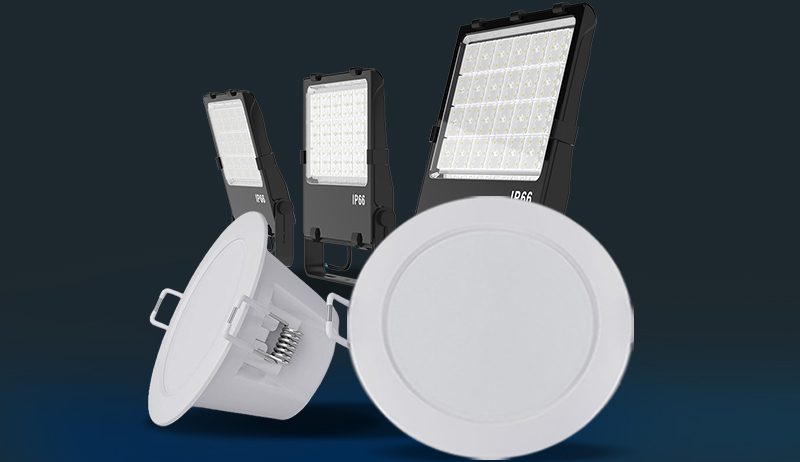
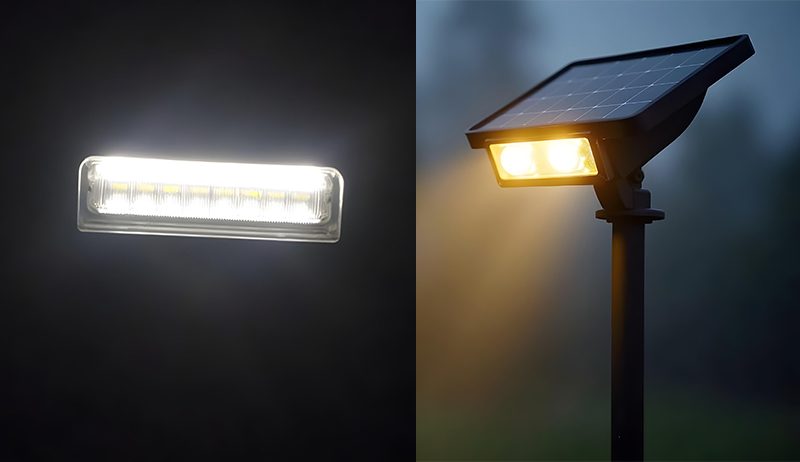
Because they use less power, last longer, and offer different lighting options, LEDs are now used everywhere—in homes, offices, cars, streetlights, and even electronic screens like smartphones and TVs.
LED technology has changed how we light our world, providing a smarter, longer-lasting, and more energy-efficient solution than older lighting methods.