

Weather Guard Lightning Tech

Business Development in Wind with Joel Saxum
Weather Guard Lightning Tech’s Chief Commercial Officer, Joel Saxum, gives his view of the state of the wind energy business from the perspective of a business development executive. The IRA bill is changing the way businesses are planning, working, and being acquired in the United States. Will that trend continue? And with the current lack of technicians, how do wind energy companies grow their businesses? This is an enlightening discussion sure to sparks conversations at the water cooler (or wind turbine).
Sign up now for Uptime Tech News, our weekly email update on all things wind technology. This episode is sponsored by Weather Guard Lightning Tech. Learn more about Weather Guard’s StrikeTape Wind Turbine LPS retrofit. Follow the show on Facebook, YouTube, Twitter, Linkedin and visit Weather Guard on the web. And subscribe to Rosemary Barnes’ YouTube channel here. Have a question we can answer on the show? Email us!
Pardalote Consulting – https://www.pardaloteconsulting.com
Weather Guard Lightning Tech – www.weatherguardwind.com
Intelstor – https://www.intelstor.com
Joel Saxum Interview
Allen Hall: I’m Allen Hall, and I’m here with my good friend, JoelSaxum, and on this special edition of the Uptime Wind Energy Podcast, we’re here to talk with Joel, who has recently joined Weather Guard Lightning Tech as our Chief Commercial Officer. And Joel has tremendous knowledge in the wind industry and what has happened over the last couple of years.
And today we get to pick Joel’s brain. And get a sense of where we have gone, where we are at, and where we are likely headed in the next year or two. So Joel, welcome to the program.
Joel Saxum: Welcome, I suppose, for the, I don’t know, the hundredth time or so, maybe? It’s, it’s close to that at this point. Yeah, so Allen and I were talking in the background off air, talking about, you know, what, what is actually happening out there right now.
It’d be nice to kind of drop a little bit of knowledge of. Of what, of course, I’m hearing in the, in the BD circles everybody seems to be connected somehow in this industry. And then also the general trends, all right? And we will touch on a couple of things here.
Allen Hall: So if we go back two years ago to ACP in San Antonio, which is really kind of the first real kickoff.
I know we had O& M previous to that. I think, I think that’s right, right? So we had O& M in San Diego. And, and at that point in the industry, everybody was just coming out of COVID. Those were really some of the first events, right? We had, if we all remember in San Antonio, we had COVID tests before we could walk into the building.
And what fun that was. And at that point in the, in the industry, it was like, everybody was just trying to come awake again. There was a little bit of discontinuity between organizations. You could feel that everybody’s just trying to feel the way around. And technician wise, it seemed, it did seem like there was a huge competition for technicians, like, like we have seen now.
And then as we progressed over the last year or two, it’s really, I think, changed dramatically in terms of the number of players in the marketplace. Even if you look at the number of drone companies that we saw a couple of years ago versus today, dramatically different. In, in terms of just sort of the knowledge base is still see the same key people around in terms of like the, the business development side, it has been a little bit of a rough road, right?
Even with the IRA bill has been a little bit of a rough road.
Joel Saxum: Yeah, absolutely. So, I mean, the IRA bill was designed to spur on projects, right? They say that we’ll, we’re going to get PTC back funds back the case, basically credits back basically back the same way they were. Before the IRA bill was passed, so, you know, every 10 years put X amount of dollars into your wind farms, get them up and running again, and you’ll re qualify for these credits, which I think are like 2.
8 cents per kilowatt hour or something right now. And then on the heels of that was also the ITC which is investment tax credits, which was a 30 percent tax break on things that qualify for it that are in the renewables industry, but built here in the U. S. So it was designed to spur these things on.
Now, to get the economic machine moving, it doesn’t happen overnight. That bill was passed last August, I think, Allen, if I’m correct. So we’re 14 months past it now. And if you look at some of the charts and graphs that the DOE’s put out, you’ll see a lot of little dots and pins put in maps all over the place in the U. S. based on who is taking advantage of it, right? Like who’s, who’s making products and, and starting manufacturing facilities. So we’ve even seen, I guess, like here up in my, my, my home state of Wisconsin the ship builder now, so that even that in it, it’s an offshore As fact, in Crowley building a vessel up here for offshore east coast us.
So that ITC idea in the bill, there has spurred on some, some movement. We’ve talked about some others on the podcast about, you know, a tower factory down in I think it was New Mexico. And some others taking advantage of it as well. You’re finally in the BD world, you’re finally starting to see that happen.
You’re starting to see things where people are going, Oh, well, this person’s now doing a repower because they weren’t quite sure before. I know of one operator where they have Ooh, I think eight or ten repowers that they plan on doing in the next three to four years that weren’t on the docket before the PTC.
Or before the IRA bill and the PTC, new PTC funds were there and these fund farms aren’t the 10 year old ones. They’re 17, 18, 19 year old wind farms that they may even put all new technology on, right? Take the whole nacelle off and put a new nacelle on. So with that will come a ton of work, right? So from cranes to.
It go all the way down to the people that support on the ground getting mats and cribbing and bearings major corrective exchange smart people that do that new gearboxes you know, unfortunately, some of those components will have to come from overseas. But we’ll be all, you know, U. S.
labor installing all of those here and, and hopefully as the ITC credits kick off and we build more things here in country more and more of those components get built here as well.
Allen Hall: Does that, shift in the industry in terms of hardware translate this year, next year? I, I, cause I, I feel like we’re still three, four, five years out.
On the effects of it, just because of the time it takes to build a factory, to build a ship, to… Make a tower factory it it’s slow.
Joel Saxum: I think full swing to feel the real economic impact of it Will be we will be so far removed from the bill passing that you’ll just feel like it’s normal again, right? Like you say like two three years down the road It could be things kicking off and that were really actually tied to the the IRA bill But at that point in time you won’t even really feel it because it’ll just be this is how we do business now because that’s The IRA bills in place for it’ll be in place for a long time So the, the smaller components, the lighter things are happening now, but it’ll take it, but it’ll take a little bit for the major components stuff.
Yeah.
Allen Hall: Right. Even though there’s a lot of talk about offshore wind, because that’s where a lot of the, the auction money obviously is big numbers, make headlines and some of the contracts and the PPAs that are bouncing around there make the news. But the vast majority of, of wind in America is, is onshore and that’s where the action is at the moment.
Right?
Joel Saxum: Yeah, absolutely. That’s actually when I was taking notes for, to, to chat with you today, that was one of the things I put on there. It’s like my second bullet point and focus. The focus in news is offshore wind in the U S it’s this pretty shiny new glittery thing that’s in everybody’s face, but don’t forget onshore, right?
We’ve got 70, 000 plus turbines in the U S. And that is where 99. 99 percent of the action is happening commercially in the, in the United States. That’s where all the, all the companies are working, all the service companies, all the ISPs most all of the parts. Like I said, there is, there is some stuff happening offshore, but the bulk of the economic wind engines here in the States is still securely in the onshore world.
Allen Hall: And that drives all the way down to companies that do crane work and the heavy lift, replacing generators and all those companies you don’t really hear about. I know we put out a recent post asking the industry, Hey, identify these key players in the U. S. industry, U. S. wind industry that are actually based in the United States.
And that list got really short, right? The number of feed, the feedback on that was extremely limited and I know better. I know there’s a lot more players in it, but they don’t. Interact like sort of we do, and they don’t say, Hey, we’re doing this project in Colorado. You just don’t hear anything about it, which is.
Very odd, I think, especially in light of the IRA bill, that you would want to make a little more noise.
Joel Saxum: I think the existing, the existing people in the market, right? Your, you know, your, your Barnharts, your IEAs, DWT, Blattner, all these big companies, the Pearce and, and, and TAKKION. They’re so flush with work right now that they really don’t have to be out chasing stuff, right?
While I don’t want to take this away from this, the, from other people as well, it seems to me that We almost have a little bit of a problem in this industry, and it’s not specific to the wind industry. It is specific to any… industry. If you watch innovation cycles, say in the in the late nineties, early two thousands, it seemed like everybody was starting up a, if you were out in California, right?
Everybody’s starting up this dot com boom. Everybody’s got a little company doing something on the internet. Well, there’s a few of them that rose to the top and a lot of them that got either acquired or just passed by because either their product was not good, didn’t have customer support or whatever.
Innovation cycle happens in all industries. Right, that innovation cycle happened in the auto industry in 1920, 30, 40. How many auto manufacturers were there that just aren’t around anymore and they’ve all either consolidated or, you know, the products went off and that happens in, in, in almost every industry that grows right now, we’re in that in the U S where you see a lot of places you see, you know, every Tom, Nick and Harry starting up a company that, Oh, we do this.
Oh, we do that. On the, at the same time, if you start a company and you don’t have the, you know, the HSE stuff in place and the quality things in place, like you’re going to run into a lot of teething pains, you’re going to hurt, you’re going to feel a lot of pain for a long time. And you can start to see some of these people doing that at the same time of this wicked shortage of labor and even greater shortage of good and trained educated labor that knows what they’re doing, where you don’t have to go and teach everybody everything all the time.
So you have companies that are starting up that might have one or two good smart people in them, and then they brought along a bunch of friends to try to start this thing, and they’re either… And getting in, getting contracts, screwing them up. Other people have to come in and kind of rescue them or there’s quality issues or HSE issues.
And, and so the, the large companies, the OEMs, the big asset owners that are, you know, need all these, these services are getting, Quite bent out of shape about the quality that they’re getting. So while we’re sitting here going, there’s so much work, so much work, so much work, which is true. And everybody’s like, well, I’m sorry to company I’ll do this.
I’ll do that. But then you go to the, the, the people that are using the services and they’re not happy with the results. So you have a kind of a. A weird thing going on there where now, even though there’s all kinds of work to be had, these smaller companies are going like, where is it at? Whereas the big companies are just flush with it.
They’re soaking it in and they’re looking at high need people. So you’re starting to see, I think you’ll see more consolidation of companies. I think you’ll see Tachyon and Pierce and these big guys buying up some of the smaller ones or some of the smaller ones joining together. Just simply because the people that are hiring them are looking for…
strategic suppliers, because they don’t want to deal with this rash of massive issues in the field. They want to deal with one person that can take care of all their problems. So they want to deal with one person, whether it’s, Hey, I got a blade issue, or I need an inspection done, or I have a main bearing that’s, you know, gone, or I have an oil leak or whatever.
They don’t want to have to, I got to call this contractor, got to call this one. I got to call that one and figure this out. It’s that, that’s getting dialed back. You’re starting to see it in RFQs too. I just looked at one the other day that was like, Yeah. You can have sub suppliers, but we don’t want to manage them and we’d rather you not like there was points for not using sub suppliers in it.
And, and, and to me that makes, it makes sense. But that will drive some consolidation because people need resources. If you’re. A, I don’t know, Allen Energy, and you need all of a sudden your biggest client comes you says, Hey, I need someone to change out pitch rams. Well, you don’t have that capability.
Well, I don’t know. Let’s go look for a company that does and scoop them up.
Allen Hall: Yeah. It does seem like that in the United States at the moment, there is a lot of moving and shaking that is below the radar. That you hear about it at conferences, you run into people and say, Hey, did you know that this company is going to maybe acquired by that company that they’re looking to, to, to join up in Europe.
It seems like most of those transactions have already happened that unless you bring something really unique to the marketplace that has not been seen before, that it just doesn’t seem to, to move anybody. And maybe that’s just a different sort of business environment. U. S. versus Europe, but it does seem like the Europeans have shaken this whole system down a little bit and have found the companies are going to be around a while and then focused.
And I agree with you. In the United States, we’re still in that shakedown period. We’re trying to figure out who’s here for the long term and who’s just testing the water a little bit. And does that then force like the operators to be a little more leery of what’s happening? Of, do they, do they do a lot more vetting of these companies?
Are they looking for insurance products to come along with it? Are they monitoring the sites closely when repair work is going on? What are they doing?
Joel Saxum: Well, I think you’re a hundred percent correct on this, the, the acquisition portion, Europe versus America. American, right, America right now is… Grow, grow, grow as fast as you can.
We’re grabbing companies because you need resources. Well, whereas in Europe, it’s more We’ll grab a, we’ll grab a country, company strategically. Strategically being like maybe we’re looking to sell our group and we need to add in some capabilities or something like that. Whereas in the U S it’s just a revenue chase, right?
Everybody like this work is going to be here. I have a shot at it. If I don’t go grab people, I’m not going to get it. So we’re, we’re just not as we’re not as mature. The industry isn’t as mature here as it is there. But back to your, your question about what are the asset owners, the OEMs doing from what I’ve seen, the tender processes are getting more difficult.
They’re asking for again, more references, more, more track record. Like if you don’t have a track record, you might as well not even, I mean, it’s tough to get in on some of these because you’re competing against some good competition, right? If you’re looking for a major OEM or a major asset owner, and you’re a drone company, like XYZ Drone Company isn’t going to get it.
It’s going to be a Zeitview, a SkySpecs, a Thread, like someone, someone that’s there and, and is established now because that industry is there. If you’re a a blade repair company but you’ve only been around a year, unless you know someone in high places, good luck because they, these large companies have been burned so bad so many times that people just aren’t willing to stick their neck out.
Because what ends up happening there, and I’ll go, let me, let me shift gears a little bit, what ends up happening within that, that large company, that asset owner, that OEM, is when they bring on a subcontractor that doesn’t fulfill their needs. It creates strain within their own organization, let alone not getting their product done.
So the blade repairs may not get done, may not get done to quality, but you’re also putting a lot of stress on your internal people. So if you’ve got a site manager that has to manage one person on site or one or two subcontractors, that’s not too bad. But when that one guy on site has to, or guy or gal on site has to manage five different subcontractors and he’s got to be in their operations because they’re not that good at what they’re doing.
And. helping them rig up their platforms or whatever. And he’s just like, why am I paying for you guys to be out here when I have to tell you how to do your job? That happens way more than it should in the wind industry. So what happens is, is these site managers and site supervisors and things, they start getting overloaded.
They start quitting. They start looking because they’re, they’re, then they’re yelling up the chain. Hey, I don’t have enough resources here to manage all these people. And then the people up there, the upper guys that are given the contracts like, Oh, well, you shouldn’t be any problem. You got 30 guys out there that are doing your blade repairs.
Yeah. And I got to manage all of them, you know, so you’re, you’re starting to see, like, I, I, I’ve talked with people, I’ve seen resumes come across from, from OEMs. Hey, like I’m, I’ve just had enough, like I’m done here, you know, like look at what GE just did not too long ago, taking it from all site people to go into hubs.
The, how their job, how all of those people’s jobs changed immediately. And they may have said, well, you were in charge of this wind farm or you were on this one. Now you’re on these four. Man, it’s overloaded. A lot of a lot of people in the field talking about how the managers are struggling a bit with having to deal with just too much.
Allen Hall: Yeah. And that, I guess sort of gets into the next question, which is about technicians, right? So everybody’s getting strained. There seems to be a real lack of technicians, particularly technicians with experience, and we know how tough the industry can be. It’s sort of a young person’s game at the minute, because if you’re fixing blades or out in the middle of West Texas working on stuff, it’s not particularly easy to do, and the industry, I think because it has Doesn’t have a lot of exposure.
That’s a hard time recruiting new talent. And from a business development standpoint, that that’s a real limiting factor on your rate of growth.
Joel Saxum: Yeah, absolutely. I mean, you’re, you’re, you, you, you run businesses two ways usually, right? Demand. On the business side drives demand on the operation side or demand on the operation side drives demand on the business side and you can go either way, right?
You, you pick your poison, however, signing contracts where you don’t have people in them is or don’t have people for them at that point in time. is almost always going to have quality issues, whether it’s quality, whether it’s HSE in the field, whether it’s quality of the work, the repair, the whatever, the communication, like so many times I’ve heard of, Oh yeah, well we got, I just, I need 20 people and you’re just grabbing them.
Here’s a truck head to Saskatchewan. You’re a commissioner now on a, on this project and they’re like, okay. They don’t know how to communicate within the organization, or even have their fuel card work while they’re traveling. That happens all the time. And it’s a black eye on the industry. So, again, this is a conversation I had with Chris this morning, Chris Gagnon.
You know, we’ve talked about on the podcast before about how do we get more people trained? How do we get, you know, there’s, and there’s people opening training facilities. You had Rob Renewables open up their facility in Chicago and, and a bunch of, you know, I know blade repair companies opening GWO training sites and stuff.
And that stuff is great. However, that gets the safety check boxes that doesn’t give people the technical skills they need. Technical skills they need, need to be taught at community colleges or in, you know, internal programs of that sort. And they’re having a hard time getting people just into those programs.
Those schools are. So when we’re sitting there going like we have a shortage of labor an even greater shortage of good trained labor that knows what they’re doing, retaining the techs is even harder once you have them in your company. So once we have a good tech in your company. This is from, from, from us or from me to the industry, treat them well, pay them on time.
Don’t make them hunt money. We see that stuff on LinkedIn. Oh, such and such. We’re hunting money from them. They won’t pay my invoices, you know? So get, that would be to me, if you’re going to scale and grow a company in the wind industry, specifically in the U. S., figure out the HR portion of your company as, and have a plan and have stuff in place before you start trying to scale up.
Because. You, you’ll, you’ll, you’ll be paying or stealing from Peter to pay Paul the whole time going why do we have this attrition rate? Why are these people leaving? Well, if you don’t have a good setup for them and you’re not treating them right it’s just not going to happen for you.
Allen Hall: Explain to me a little bit of valuations while we’re sort of talking topic of people and people turn it to valuations of companies.
And I do think there’s going to be a lot of mergers and acquisitions over the next 12 months based upon the noise we’re hearing. How does, how does that work? Because it does seem like the number of technicians you have in your stable is a part of the valuation process. So I take a technician times, you know, I have a hundred technicians are each valued at X.
I have a 10 engineers are each valued at Y that sort of, plus all the equipment I own, I guess, that in turns into a valuation, but there’s just, that doesn’t always align with what I’m seeing in some of these numbers on acquisitions.
Joel Saxum: Yeah, the tough thing here is, okay, so diving back and this is the base of the technician problem.
Every company operates, not technician problem, the technician conundrum, I’ll call it. Every company operates differently, right? So since wind is, especially, especially blade, blade repair. is such a seasonal market. Unless you’re a big company and you can send people to Brazil or Australia or whatever in the wintertime, you’re up here, you have a shoulder season.
You go up, you get busy as hell and then you kind of slack off. So what ends up happening is, instead of hiring employees, a lot of these companies hire contractors. Well, no intelligent contractor is going to sign an exclusive contract as a contractor unless they’re getting paid the whole year. And no company really wants to do that.
So the majority of these people are free agents month after month after month. So if I’m a blade technician, I might be working for, you know, company Y this week and company A next week. And I might have jumped because a dollar, I may have jumped because I didn’t like the guy I was working with. But either way, you can’t really count on that valuation wise, right?
Unless it was a stable of employees. What I’ve seen valuation wise in the wind industry. Is because there’s so many moving parts like that in different companies and to, to levelize it, to equalize it, you’re of course taking in the standard stuff or your debt, your, your your, your debt ratios, the team you have, those things don’t really turn into, or the team doesn’t really turn into dollars until you get to the end, but I’m seeing a Test.
Depending on who you are, a nine to 14 or a 10 to 15 times EBITDA as a valuation and good faith valuations or good faith additions in the wind industry, I’m starting to see go away when I talk to people. And the reason being is because the market is so volatile. You never know who’s going to get these contracts.
People are jumping around here, jumping around there. That your good faith, good faith being like, Oh, we did 5 million EBITDA this year. Next year we plan on doing seven. So we want to be valued at seven. That’s starting to raise people’s eyebrows a little bit. Still getting good multipliers for EBITDA.
You know, some industries it’s can be two and three ebitda, two ti two or three times ebitda. Tech industries I’ve seen 20 times ebitda, but the renewables and wind is still trading really well. So those that, that, you know, 10 to 15, 12 probably average multiplier for EBITDA is what people are shooting at ebitda, being earnings before income tax and depreciation and amortization.
So basically what’s your revenue minus your operating expenses?
Allen Hall: No. Does that then drive those EBITDA multipliers having looked at that at other industries anything above 10 is sort of a sweet number if you’re selling. If you’re, if you’re getting a multiple of 10 plus on your EBITDA, does that change the way you do business today?
Or should it change the way you do business today? To have that possible merger or acquisition occur so that you can make the magic happen.
Joel Saxum: Yeah. If you’re, if you’re above 10, you’re looking at a company that has on staff engineers. You’re looking at a company that has a good, good support all around, right?
So if you’re. Two guys running a company and you got six blade techs out there. Like you’re not at 10 multiple even a company, but if you are a company that has a dedicated back office person for travel, a dedicated fleet manager an actual engineering group, engineering staff that can support you through operations, if you have processes in place, if you’re ISO approved, if you have, you know, you’re, you’re in an HSE system, that’s been, if you’ve been vetted by, if you have an MSA with Siemens and Vestas, like those kinds of companies are in that 10 to 12.
EBITDA range, but that’s a company that can, that someone looks at and goes, well, they did 10 million in revenue or 20 million in revenue this year, and we believe we can get more and more and more. Well, then that’s someone that’s going to get a high EBITDA. But if someone’s just grabbing you to grab people, it’s not going to be that high.
Allen Hall: Do service agreements. Influence that eat about the service agreements, increase the multiplier. So if you have an agreement with G. E. or Siemens to do work for the next two years, does that really then help propel you into a more stable bracket than maybe a company that’s sort of looking for work month to month?
Joel Saxum: Absolutely. 100%. And, and. It’s not something that you can put a metric to. It’s not like, Oh, you have an at one MSA, you get one time X multiplier extra it. That’s a valuation thing. That’s where you have these big companies, these, you know, Boston consulting group and stuff like that, that you’ll hire. If you’re trying to sell, come on and say, and do a valuation.
And they’ll be able to tell the market, this is why we’re at a 12 or this is why we’re at an 11. And we have. And MSA good through 2026 with GE to do all of their, I don’t know, foundations or whatever your company does. Those, those MS, those master service agreements or ongoing agreements definitely play into the EBITDA multiplier sale.
Allen Hall: So looking at the existing landscape in terms of the business development side, what are real three key areas over the next six to 12 months that companies should be focused on?
Joel Saxum: I think your big one right now, okay, it’s fall. We know that tenders are coming out soon. It’s the beginning of October. So tenders will be out in the next two months for people who are on the ball.
If you’re a company that once worked on this spring, please don’t wait until January or February to put your tender out. But you’ll see tenders for everything, right? For whether it’s major correctives, whether it’s blade work, whatnot. Everybody’s getting their ducks in a row to start off next spring. And the spring season in the U. S., depending on where you are, Texas to… Montana starts in either end of February or May, somewhere in there, right? So everybody’s getting their ducks in a row right now to do tenders. So everybody that’s in the BD world is sharpening pencils, getting a proposal, templates ready, ready to rock to, to receive all these things.
And there’ll be anything from inspections to full blade repairs and, and whatnot. BD people busy with tenders in the next few months. So that’s the big one right now on the docket. You will also. Everybody else that’s chasing work is going, is going to be chasing people doing repowers because no matter what sector you fit into in the wind industry in the US, somehow your product or service more than likely is impacted by repowers.
Whether it’s bolt tensioning or cable sales or our buddies at 3S Lift selling lifts or, or ourselves. The selling strike tape, you know, I mean, it’s, it’s the, the, when those things are coming down, it’s some of the best opportunity to, to upgrade retrofit, get everything ready to, to go for the next 10 years for that wind farm.
So, you know, the, you’re starting to also see, here’s another one that’s kind of popping up, general contractor rep representatives for repowers. That’s the person to, to talk to if you know who those people are at, at these companies and you’re trying to speak with someone doing a repower, that’s a good one to chase.
So tender season is upon us. Also people that are chasing things are chasing getting ready for repower season and repowers can start earlier, right? Because if you’re, you can do crane work, you can start plucking stuff as long as, as long as things are ready to go. You’re not, usually not waiting for resins and epoxies to dry in certain temperatures or anything like that, so.
They’ll, they’re cycling all the time, but again the wind industry is kind of used to a slow winter fuel operation wise. So repowers tend to follow that same path.
Allen Hall: Okay. That’s really interesting. If I was going to choose number three, it’s getting yourself some technicians. Right now.
Joel Saxum: Yeah, yeah, absolutely the tough thing with that is okay, so I’m gonna give you here’s a theory for you Allen This is one of the theories I like or it’s not theory an idea. So when I was an oil and gas we used to operate this way.
I hired Allen Hall as a technician I would pay Allen Hall. I don’t know 70, 000 a year You would get, you’d get, you’d get, so you’d get 70, 000 a year. Okay. And you get that salary year round. So every two weeks you’d get your paycheck deposited. However, for that 70, 000, you owe me 200 days. So 200 days, because because we work in the field remote, it’s, you know, six, seven days a week on site, 200 days during the busy season or 180 days, or however you want to structure the contract.
You may, you may eat, you may eat through real, real fast in the summer, like between April and, and September, man, you might be at 180 days already. Well, that’s good for you. You made your salary. Now, every day that you work extra after that, then I give you, or every hour you work extra after that, then I give you what your hourly rate would be.
So there’s a possibility of a technician that’s working into Christmas. Or November making a really good year. But what that also does is that gives the, that maintains that employee. So you’re, you’re keeping him or her and you’re keeping them happy. They’ve got to, they’re not having to struggle to go, where am I going to go next?
Where am I going to go next? Cause you’re getting a paycheck every two weeks. So they work for you. They’re going to be more loyal to you. They have the possibility of making a bunch of money. And then the other side, the backside. Upside to the company is if you have a group of good people that you do this for and say you are slow, well, then you guys got to come into the office and you got to do training and or, and, or you’ve got to get kit ready.
You’ve got to test PPE. You’ve got to training is the big one. I always, I always like to do. But that’s how we used to do things in the oil and gas world because you’d have people because the jobs were cyclical and you might be out for three months at a crack and then home for a month. Well, you didn’t lose that person.
All the efforts you put into training them and, and getting them up to speed on your processes and how your company works. You didn’t lose that person. They’re there for you when, when you’re ready to go back out to the field. So it keeps them happy and it keeps you able to grow. So that’s, that’s a theory.
That’s how I, that’s, that’s how I used to pay people.
Allen Hall: That’s innovative for wind right now. I think a lot of it is just the hours you work, we’ll pay you and what you’re not working, we don’t pay you and we’ll see you next season, maybe. And I think that really hurts the industry more than you think.
Joel Saxum: Yeah.
Absolutely. So if it was me and I had a company and say, I say, I’m going to go blade repair company. If I had 10 blade teams, that means I’ve got 30 people, 25 people, the 10 leads on the teams. I would set this up. I’d say, Hey, the last three years you made an ad, you made 70 grand, 80 grand, 90 grand, whatever.
So I’m going to give you an average of this much, and that’s going to be your salary. And if you can do that for those key people, keep them around. Then it tends to actually trickle down to because the next guy in line likes working with this guy and he’s like, Hey man, if I do good, I can get that as well.
I can get a steady salary in the wind industry. That’s the kind of stuff we need because right now, like you said, You shouldn’t be going and finding technicians. That’s a BD job as well. Like everybody is a, everybody’s a recruiter in the wind industry, whether you’re client facing or not. So like, so you, you’ve got to be out there pounding the ground and what, and what it is is it’s, it’s attrition.
Like right now there’s no, you know, everybody’s left or getting close to, right, it’s October. So you, you don’t know, you may think you’ve got, you know, Joe and Jessica and Sarah and John for next spring, but you don’t know. Unless you secure them somehow.
Allen Hall: Yeah, it’s the industry. It’s such a fluctuation. I know we like to think of ourselves as being fully established and running full steam.
There are some weak spots and there’s some really good really good growth spots that I’ve seen over the last couple of months where I’m really have been impressed by the companies and the people. That they have assembled, and it’s, it’s sort of an inflection point, I think, in the U. S. industry, and it, Joel, it’s been really good to pick your brain on this, because we don’t get to talk a lot about business development and actually what’s actually happening on the street like this, and I think there’s a lot of, of interested listeners to this, and I’m really glad we had the time to spend together, so everybody this is gonna conclude this episode of the Uptime Wind Energy Podcast.
Check us out on all the major platforms, and If you like what Joel had to say today, leave him a comment or leave a five star rating for us on your podcast platform.

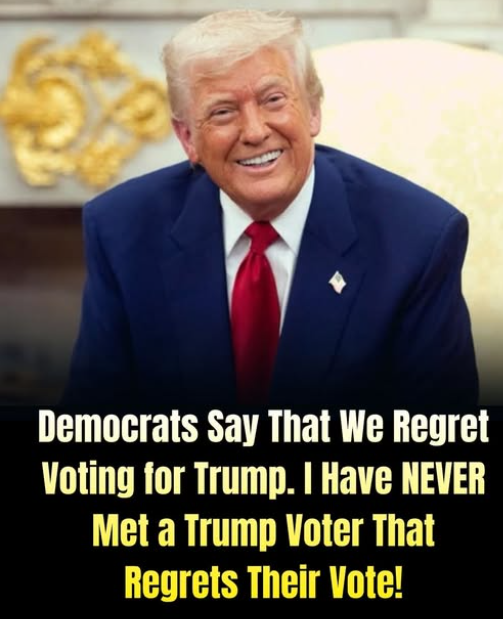 For those who struggle with elementary school arithmetic, Trump won the election (50%+ approval) out of more than 150 million votes cast, and now his approval rating is in the low 30s.
That’s ~30 million voters who regret their choices, out of the common American.
Add in the Tucker Carlsons of the world.
Absolutely.
It must be done, because our country is home to some hateful morons who want to see honest, hardworking, taxpaying people with brown skin deported, and their families torn apart.
It wasn’t the American way until recently, but it sure is now.
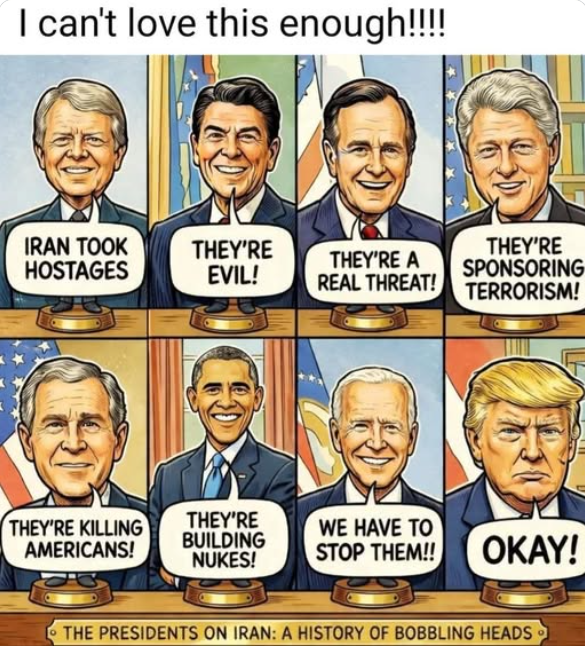 As shown at left, the United States is loaded with people who twist the facts to their liking.



-
Climate Change8 months ago
Guest post: Why China is still building new coal – and when it might stop
-
Greenhouse Gases8 months ago
Guest post: Why China is still building new coal – and when it might stop
-

 Greenhouse Gases2 years ago
嘉宾来稿:满足中国增长的用电需求 光伏加储能“比新建煤电更实惠”
-
Climate Change2 years ago
Bill Discounting Climate Change in Florida’s Energy Policy Awaits DeSantis’ Approval
-

 Climate Change2 years ago
嘉宾来稿:满足中国增长的用电需求 光伏加储能“比新建煤电更实惠”
-
Climate Change Videos2 years ago
The toxic gas flares fuelling Nigeria’s climate change – BBC News
-

 Renewable Energy6 months ago
Sending Progressive Philanthropist George Soros to Prison?
-

 Carbon Footprint2 years ago
US SEC’s Climate Disclosure Rules Spur Renewed Interest in Carbon Credits