

 Here’s a piece from Fossbytes, the same people who claim that the costs of maintaining EVs is greater than that of gas- and diesel-powered vehicles.


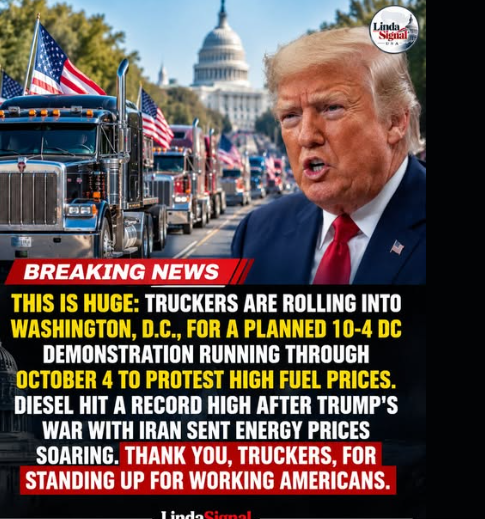 Truck drivers are spending large amounts of their own money to drive into traffic-ridden Washington D.C., flying American flags, the banner that has been usurped by the MAGA right, to protest Trump’s nonsensical war in Iran that has pushed diesel prices through the roof.
Hmmm. I’m suspicious.
 At left we see yet one more reminder of the disaster taking place in the United States.
Our Founding Fathers made huge sacrifices for us, and we’ve seen fit to elect an insane dictator to run roughshod over our beloved Constitution.
We hear that democracies do not descend into authoritarian regimes overnight. That’s true, but what’s happened here has been quite rapid indeed.
As shown at left, American voters have to make a decision, one that is based the credibility of various people, including the president of the United States.
This country finds itself in a terrible position, all based on its citizens’ inability to make even the most basic assessment of Trump’s character.



-
Climate Change1 year ago
Guest post: Why China is still building new coal – and when it might stop
-

 Greenhouse Gases2 years ago
嘉宾来稿:满足中国增长的用电需求 光伏加储能“比新建煤电更实惠”
-
Greenhouse Gases1 year ago
Guest post: Why China is still building new coal – and when it might stop
-

 Climate Change2 years ago
嘉宾来稿:满足中国增长的用电需求 光伏加储能“比新建煤电更实惠”
-

 Renewable Energy11 months ago
Sending Progressive Philanthropist George Soros to Prison?
-
Climate Change2 years ago
Bill Discounting Climate Change in Florida’s Energy Policy Awaits DeSantis’ Approval
-
Greenhouse Gases1 year ago
嘉宾来稿:探究火山喷发如何影响气候预测
-

 Climate Change2 years ago
Analysis: China’s CO2 falls 1% in Q2 2024 in first quarterly drop since Covid-19