


▶️ Surfing the Danes: A Look at Denmark’s High Internet Penetration
Denmark stands as a leader in global internet accessibility, boasting an impressive internet penetration rate that continues to climb.
This widespread connectivity fuels innovation, empowers individuals, and shapes the overall landscape of Danish society. Let’s delve into the data and explore the current state of internet penetration in Denmark.
Current Statistics:
- Internet Users: As of 2023, approximately 98% of Denmark’s population uses the internet, according to World Bank data. This translates to nearly 5.7 million individuals connected to the online world.
- Growth Trajectory: Internet penetration in Denmark has steadily increased over the past decade, with a projected rise of 2.5 percentage points by 2029, reaching an estimated 99.5% user base. (Source: Statista)
- Mobile Dominance: Danes prioritize mobile internet access, with mobile broadband subscriptions exceeding 151 per 100 inhabitants. (Source: World Bank)
- Fixed Broadband: Despite strong mobile adoption, fixed broadband penetration remains high, accounting for over 112 subscriptions per 100 people. (Source: World Bank)
Factors Driving High Penetration:
- Government Initiatives: Denmark actively promotes digitalization through initiatives like nationwide infrastructure development and affordable internet access programs.
- Tech-Savvy Population: Danes embrace technology, with high literacy rates and a strong digital culture contributing to widespread internet adoption.
- Investment in Infrastructure: Continuous investment in fiber optic networks and mobile coverage ensures fast and reliable internet access across the country.
Impact and Implications:
- Socio-Economic Development: The high internet penetration rate facilitates e-commerce, online services, and remote work opportunities, contributing to economic growth and social progress.
- Education and Information Access: Individuals across all demographics benefit from increased access to educational resources, government services, and information online.
- Social Connectivity: The internet fosters communication and collaboration, bridging geographical distances and strengthening social bonds within and beyond Denmark.
Challenges and Considerations:
- Digital Divide: While overall penetration is high, gaps still exist, particularly among older adults and individuals in rural areas. Bridging this gap remains a crucial challenge.
- Cybersecurity Threats: Increased connectivity exposes individuals and businesses to cybersecurity risks, requiring ongoing efforts to enhance online security awareness and protection.
- Mental Health and Wellbeing: Responsible internet use and digital wellness are important considerations in mitigating potential negative impacts on mental health, especially among young people.
Denmark’s impressive internet penetration serves as a model for other nations striving towards digital inclusion. As internet use continues to rise, addressing remaining challenges and ensuring responsible use will be crucial to harnessing the full potential of the digital age for Denmark and its citizens.

▶️ Internet User Patterns in Denmark
Denmark’s internet penetration rate may be impressive, but it’s the user patterns that truly paint a vibrant picture. Let’s embark on a journey through data and statistics to uncover how Danes navigate the digital world.
Device Preferences: Mobile Reigns Supreme
Smartphones rule the Danish digital landscape, with a whopping 95% of users accessing the internet via their mobile devices (We Are Social & Hootsuite Digital 2023). Laptops/PCs (78%) and tablets (52%) follow closely, highlighting a multi-device culture where users seamlessly switch between screens throughout the day.
Activity Hub: Navigating the Digital Seas
What keeps Danes glued to their screens? Social media takes the crown, with users spending an average of 13.7 hours per week scrolling through feeds, commenting, and sharing (GlobalWebIndex Digital 2023). Messaging (13.3 hours) comes in a close second, followed by video streaming (12.1 hours) and email (10.8 hours). Local content reigns supreme, with Danes preferring websites and platforms in their native language.
Social Media Playground: Where Communities Connect
Facebook, YouTube, and Instagram occupy the top three spots in the social media arena, closely followed by WhatsApp and Messenger. This vibrant landscape sees Danes actively engaging with content, fostering online communities, and staying connected with loved ones.
E-commerce Boom: Shopping at Your Fingertips
Denmark boasts a thriving e-commerce market, with over 80% of the population regularly making online purchases. Fashion, electronics, and travel top the most popular categories, further fueled by the over 60% who shop from their mobile devices.
Beyond the Surface: A Look Underneath
It’s important to remember that these patterns are dynamic and can vary across regions and demographics. Younger generations generally exhibit higher online activity compared to older adults. Additionally, Danes are privacy-conscious individuals, opting to share personal data cautiously.
Unveiling the Future: A World of Possibilities
The digital landscape in Denmark is constantly evolving. By closely monitoring data and emerging trends, we can gain valuable insights into how Danes interact with the online world. This knowledge empowers businesses, policymakers, and individuals to make informed decisions that shape the future of Denmark’s digital society.

▶️ Danish Internet User Patterns: Data Highlights
| Category | Statistic | Source |
|---|---|---|
| Device Usage | ||
| Smartphone Users | 95% | We Are Social & Hootsuite Digital 2023 |
| Laptop/PC Users | 78% | We Are Social & Hootsuite Digital 2023 |
| Tablet Users | 52% | We Are Social & Hootsuite Digital 2023 |
| Activity and Content | ||
| Top Activity (Hours/Week) | GlobalWebIndex Digital 2023 | |
| – Social Media | 13.7 | |
| – Messaging | 13.3 | |
| – Video Streaming | 12.1 | |
| 10.8 | ||
| – Online News | 8.5 | |
| Social Media Landscape | ||
| Dominant Platforms | Facebook, YouTube, Instagram | – |
| Average Time Spent (Weekly) | 13.7 hours | GlobalWebIndex Digital 2023 |
| E-commerce | ||
| Online Shoppers | 80%+ | Various sources |
| Top Purchase Categories | Fashion, Electronics, Travel | Various sources |
| Mobile Shoppers | 60%+ | Various sources |
Additional Notes:
- This table includes key statistics but is not exhaustive.
- Data may vary slightly depending on the source and methodology used.
- Regional variations and demographic differences exist.
- Internet user patterns are dynamic and constantly evolving.

▶️ Denmark’s Internet Techology Landscape
Denmark stands out as a global leader in internet technology, boasting impressive penetration rates and vibrant user patterns. Let’s explore this landscape through key statistics and draw some informative conclusions:
Penetration and Speed:
- Internet Users: 98% of the population enjoys internet access (World Bank, 2023).
- Mobile Subscriptions: Over 151 per 100 inhabitants, showcasing mobile dominance (World Bank, 2023).
- Fixed Broadband: Subscriptions exceed 112 per 100 inhabitants, indicating strong wired infrastructure (World Bank, 2023).
- Average Download Speed: 307.68 Mbps, ranking among the fastest globally (Speedtest Global Index, 2023).
User Patterns and Preferences:
- Top Activities: Social media reigns supreme (13.7 hours/week), followed by messaging, video streaming, and email (GlobalWebIndex Digital, 2023).
- Device Usage: Smartphones lead the pack (95%), with laptops/PCs and tablets holding significant roles (We Are Social & Hootsuite Digital, 2023).
- Mobile Shopping: Over 60% of purchases happen on mobile devices, signifying widespread e-commerce adoption (Various sources).
- Social Media: Facebook, YouTube, and Instagram lead the platform preferences.
Key Drivers and Impacts:
- Government Initiatives: Proactive investment in infrastructure and affordability programs fuel growth.
- Tech-Savvy Population: High literacy rates and a digital culture contribute to widespread adoption.
- Economic Benefits: E-commerce thrives, remote work opportunities increase, and access to information empowers individuals.
- Social Impact: Online communication bridges distances, fosters communities, and expands information access.
Challenges and Considerations:
- Digital Divide: Gaps persist among older adults and rural areas, requiring attention.
- Cybersecurity Threats: Increased connectivity necessitates enhanced online security awareness and protection.
- Mental Health and Wellbeing: Responsible internet use and digital wellness remain crucial, especially for young people.
Conclusion:
Denmark’s internet technology landscape thrives with high penetration, robust infrastructure, and diverse user patterns. Continued efforts to bridge the digital divide, address cybersecurity concerns, and promote responsible online behavior will be crucial for maintaining this leadership position and ensuring equitable access for all.
Remember: This information provides a snapshot based on current data. Trends and user behaviors constantly evolve, requiring ongoing monitoring and research.
https://www.exaputra.com/2024/02/a-look-at-denmarks-high-internet.html


At left see we what it’s like when a formerly great country is being led be a moron.
Will “they better stop now!” lay this issue, the precursor to World War III, to rest?
A World Superpower Pays Heavy Costs to Be Led by a Spoiled Child
 At left see we what it’s like when a formerly great country is being led be a moron.
Will “they better stop now!” lay this issue, the precursor to World War III, to rest?
https://www.2greenenergy.com/2026/04/10/there-are-costs-for-a-world-superpower-to-be-led-by-a-spoiled-child/
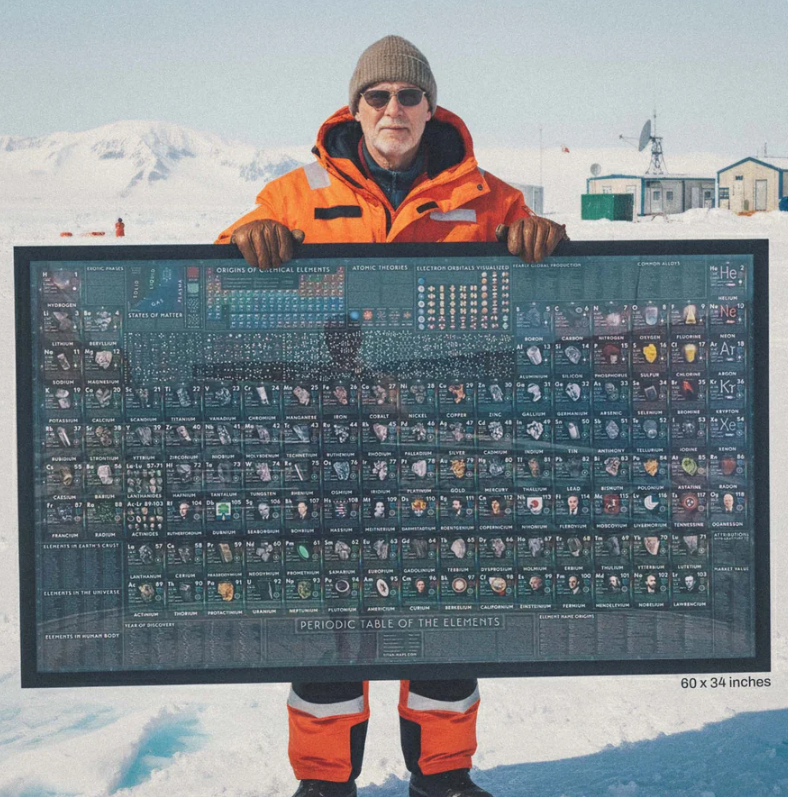
 In their ad, the folks offering “The Most Complete Periodic Table Ever” claim that, if your kid is struggling with chemistry, she can improve with this product, which is essentially tons of useless information.
Who discovered molybdenum? In what year? What is its market value?
We are a society in which our facility with science is now in free-fall. If you think that blunting whatever may remain of your child’s natural curiosity with crap like this a good idea, here’s where to shop.



-
Climate Change8 months ago
Guest post: Why China is still building new coal – and when it might stop
-
Greenhouse Gases8 months ago
Guest post: Why China is still building new coal – and when it might stop
-

 Greenhouse Gases2 years ago
嘉宾来稿:满足中国增长的用电需求 光伏加储能“比新建煤电更实惠”
-
Climate Change2 years ago
Bill Discounting Climate Change in Florida’s Energy Policy Awaits DeSantis’ Approval
-

 Climate Change2 years ago
嘉宾来稿:满足中国增长的用电需求 光伏加储能“比新建煤电更实惠”
-
Climate Change Videos2 years ago
The toxic gas flares fuelling Nigeria’s climate change – BBC News
-

 Renewable Energy6 months ago
Sending Progressive Philanthropist George Soros to Prison?
-

 Carbon Footprint2 years ago
US SEC’s Climate Disclosure Rules Spur Renewed Interest in Carbon Credits