


Curitiba, A Sustainable Urban Oasis
A sustainable city. Curitiba, located in Brazil, stands as a remarkable example of a sustainable urban oasis. Renowned for its innovative urban planning and commitment to environmental preservation, the city has successfully transformed itself into a model of sustainable development.
Curitiba’s integrated and efficient public transportation system is one of its most notable achievements. The city’s Bus Rapid Transit (BRT) system, known as the Rede Integrada de Transporte (RIT), provides affordable and convenient transportation options for residents. With dedicated bus lanes, pre-paid boarding, and strategically designed routes, the RIT has significantly reduced traffic congestion and air pollution, while promoting the use of public transport.
Another key aspect of Curitiba’s sustainability efforts lies in its dedication to preserving green spaces and promoting biodiversity. The city boasts an impressive number of parks, including the expansive Parque Barigui and the beautifully landscaped Jardim Botânico. These green areas not only provide recreational spaces for residents but also serve as natural filters, improving air quality and reducing the urban heat island effect.
Curitiba’s waste management system is also worth highlighting. The city implemented an innovative recycling program in the 1980s, which incentivizes residents to separate and recycle their waste. The program has achieved impressive results, with Curitiba boasting one of the highest recycling rates in Brazil. Additionally, the city promotes composting and operates recycling centers where residents can exchange recyclables for fresh produce or bus tickets, fostering a culture of sustainability and resource conservation.
Furthermore, Curitiba places a strong emphasis on urban planning that prioritizes pedestrians and cyclists. The city’s extensive network of pedestrian-friendly streets, bike lanes, and parks encourages active transportation and reduces reliance on cars. By providing safe and accessible infrastructure for pedestrians and cyclists, Curitiba promotes healthier lifestyles and reduces carbon emissions.
The sustainable achievements of Curitiba are a testament to the city’s visionary leadership and the active participation of its residents. Through innovative transportation systems, green spaces, waste management initiatives, and pedestrian-friendly planning, Curitiba has become an inspiring example of sustainable urban living. As other cities face similar challenges, they can look to Curitiba as a source of inspiration and guidance in their own pursuit of a greener and more livable future.
Outlook Curitiba: A Sustainable Urban Oasis
Public Transportation and Integrated Systems
Curitiba, the capital city of the Brazilian state of Paraná, has gained international recognition for its innovative and sustainable public transportation system. The city’s integrated bus system, known as the Rede Integrada de Transporte (RIT), efficiently connects different parts of the city through a network of dedicated bus lanes. This system reduces traffic congestion, promotes public transportation usage, and decreases carbon emissions. Curitiba’s pioneering Bus Rapid Transit (BRT) model has inspired similar systems in cities around the world.
Green Spaces and Urban Planning
Curitiba’s urban planning places a strong emphasis on preserving green spaces and creating a high quality of life for its residents. The city boasts an impressive number of parks, squares, and botanical gardens, providing ample recreational areas and contributing to improved air quality. Notably, the iconic Parque Barigui serves as a green oasis within the urban landscape, attracting residents and tourists alike. Curitiba’s commitment to green spaces demonstrates its dedication to creating a sustainable and livable city.
Waste Management and Recycling Programs
Curitiba has implemented innovative waste management and recycling programs, setting an example for other cities in Brazil. The city operates a successful waste separation and collection system, where residents separate their waste into different categories. Curitiba’s recycling initiatives have significantly reduced the amount of waste going to landfills and have contributed to the city’s overall sustainability goals. Moreover, the city has integrated recycling centers into public spaces, making it convenient for residents to participate in recycling efforts.
Cycling Infrastructure and Sustainable Mobility
Curitiba has prioritized sustainable mobility options, including the promotion of cycling as a mode of transportation. The city has developed an extensive network of cycling paths and lanes, encouraging residents to choose bicycles for short trips. To support this initiative, Curitiba offers a bike-sharing system, providing easy access to bicycles throughout the city. By promoting cycling infrastructure, Curitiba reduces traffic congestion, improves air quality, and enhances the overall well-being of its residents.
Environmental Education and Awareness
Curitiba places a strong emphasis on environmental education and raising awareness about sustainability among its residents. The city has established environmental education programs in schools and universities, promoting sustainable practices and encouraging students to become stewards of the environment. Additionally, Curitiba organizes community events and campaigns to engage citizens in sustainable actions, such as tree planting drives and recycling awareness campaigns. By fostering environmental education and awareness, Curitiba is building a sustainable mindset within its population.
Green Building and Urban Renewal
Curitiba has embraced green building practices and urban renewal initiatives to promote sustainable development. The city encourages the construction of energy-efficient buildings, utilizing renewable energy sources and incorporating green design principles. Curitiba’s urban renewal projects focus on revitalizing old neighborhoods, promoting mixed land-use development, and creating vibrant public spaces. These efforts contribute to the city’s sustainability goals while preserving its cultural heritage.
Conclusion Curitiba: A Sustainable Urban Oasis
Curitiba stands as a remarkable example of a sustainable city in Brazil, showcasing innovative approaches to public transportation, urban planning, waste management, cycling infrastructure, environmental education, and green building practices.
The city’s commitment to sustainability has resulted in improved quality of life, reduced environmental impact, and a strong sense of community. As other cities in Brazil and beyond face the challenges of rapid urbanization and climate change, Curitiba’s sustainable practices offer valuable lessons and inspiration for creating livable, eco-friendly, and resilient urban environments.
https://www.exaputra.com/2023/06/curitiba-sustainable-urban-oasis-in.html

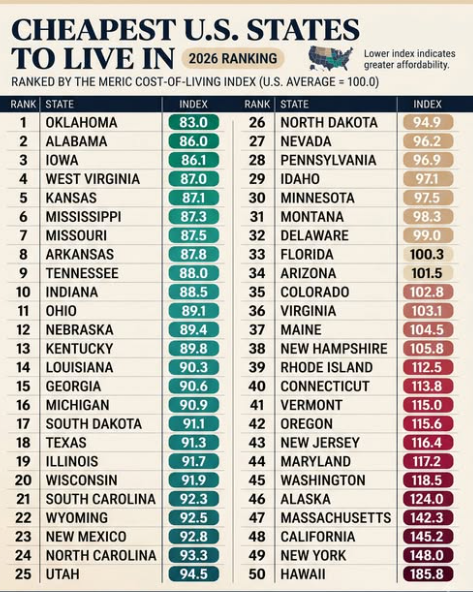 About 40 years ago, I used to lie in bed on Sunday mornings with my coffee and Los Angeles Times opened to the real estate section: “Homes in Other States.” I recall voicing some level of buyer’s remorse, having just paid more for a who-cares house in Southern California, where I could have bought half a county in Oklahoma or Mississippi.
My girlfriend at the time, now my wife, would ask me, “But do you think you’d be happy living in West Virginia, with some of the most poorly-educated people in the country? Do you think that would forward your career and your overall life satisfaction?” She had a point, to be sure.
Today’s MAGA conspiracy theorists will tell you that people are leaving California in droves, because of things like environmental regulations. Yet that doesn’t explain why the Golden State, if it were a country, would have the fourth largest economy on the planet, and a house here identical to one in Alabama whose value there may be $200K would fetch about $1.2 million here.
People don’t come here for the wide-open freeways. We’re here for the beauty, the sophistication of so many people, highly educated people, and unparalleled business opportunities.
There’s a reason that Google, Oracle, Apple, Nvidia, Adobe, Salesforce, Facebook, Visa, Wells Fargo, Disney, etc. aren’t located in Arkansas or Louisiana.
 At left we have John Fetterman talking to people so stupid they’ll believe that it would have been wrong for the British colonists to oppose King George III in the late 18th Century, or for the people of Germany and Italy in the 1930s to stand up against Hitler and Mussolini. What about the people in today’s dictatorships, i.e., the people in Russia, China, North Korea, or any of the other 50+ authoritarian regimes around the world?
Morons tend to agree with the loudest, most aggressive voice of nationalism, regardless of how little sense it makes.
It’s a great moment of opportunity for Fetterman.
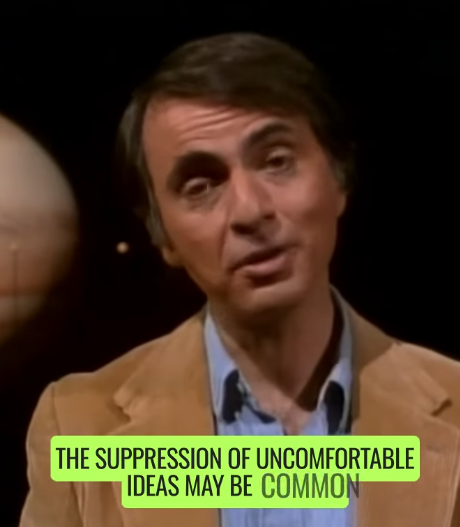 Seminal astrophysicist Carl Sagan explains why uncomfortable ideas may be banned in religion, they must not be shunned in science.
This is an important concept in American life today, as conspiracy theorists are convinced that climate change denial cannot be considered in scientific circles.
I happened to bring this up in my interview with Dr. V. Ramanathan of the Scripps Institution, who has been amassing data on global warming since the 1970s. He laughed, and explained, “If I could prove that human activity was not causing temperatures to rise, I’d be be one of the wealthiest and most famous scientists in world history.”



-
Climate Change1 year ago
Guest post: Why China is still building new coal – and when it might stop
-

 Greenhouse Gases2 years ago
嘉宾来稿:满足中国增长的用电需求 光伏加储能“比新建煤电更实惠”
-
Greenhouse Gases1 year ago
Guest post: Why China is still building new coal – and when it might stop
-

 Climate Change2 years ago
嘉宾来稿:满足中国增长的用电需求 光伏加储能“比新建煤电更实惠”
-

 Renewable Energy1 year ago
Sending Progressive Philanthropist George Soros to Prison?
-
Greenhouse Gases1 year ago
嘉宾来稿:探究火山喷发如何影响气候预测
-

 Climate Change2 years ago
Analysis: China’s CO2 falls 1% in Q2 2024 in first quarterly drop since Covid-19
-

 Climate Change1 year ago
嘉宾来稿:探究火山喷发如何影响气候预测