

Weather Guard Lightning Tech

Leveraging Military Experience for a Successful Wind Energy Career
Allen and Joel sat down with Will Friedl, CEO of Prometheus Wind, and Kevin Doffing with the Veterans Advanced Energy Project, both veterans working in wind, to discuss how military skills transfer to the renewables industry and tips for veterans and companies to connect.
Check out Prometheus Wind: https://www.linkedin.com/company/prometheus-wind/
Reach out to Kevin: https://www.linkedin.com/in/kevindoffing/
Sign up now for Uptime Tech News, our weekly email update on all things wind technology. This episode is sponsored by Weather Guard Lightning Tech. Learn more about Weather Guard’s StrikeTape Wind Turbine LPS retrofit. Follow the show on Facebook, YouTube, Twitter, Linkedin and visit Weather Guard on the web. And subscribe to Rosemary Barnes’ YouTube channel here. Have a question we can answer on the show? Email us!
Pardalote Consulting – https://www.pardaloteconsulting.com
Weather Guard Lightning Tech – www.weatherguardwind.com
Intelstor – https://www.intelstor.com
Allen Hall: Welcome to the Uptime Wind Energy Podcast. I’m your host, Allen Hall, and I’m here with my co host, Joel Saxun. We’re in San Diego at ACP OMS, and it’s a really big show, and we’ve run across a number of people that we recognize this week. And I thought we ought to sit down and talk to Everyone to get them on the podcast.
So we have two guests today. We have Will Friedl who is CEO of Prometheus Wind is based in Colorado. And we also have Kevin Doffing. He’s with the veterans advanced energy project, which is also part of the Atlantic council, global energy center. Got it. Got it. Got it. That was one take.
So welcome to the podcast. Thanks. So we’re here because we’re talking veterans, and getting veterans into the wind industry, which is an initiative of American Clean Power, obviously. But we feel like we need to get more veterans involved. And Will, obviously, being an Air Force veteran out of the Air Force Academy, and now running his own successful wind business He’s the case study.
He is exactly the case study. We wanted to highlight this because we want to make sure that everybody that is a veteran knows that there’s resources out there to get into WIND. And Kevin, do you want to talk about what’s out there right now and the resources that are there and what your organization does?
Kevin Doffing: Sure. So our organization, the Veterans Advanced Energy Project, falls under the Atlanta Council. Which is a nonpartisan think tank based out of DC. So if you’re inside the loop of DC you know what that is. It’s a, one of the most respected think tanks inside of DC producing a lot of really great thought leadership that influences policy and decision making.
If you’re not inside the beltway, which I am not, I’m from Texas. I had no idea what that meant. So I was like, this sounds cool. You have veterans. It sounds like renewables. I think I’m in your wheelhouse. So the program was really started to build up the leadership within the industry.
It was started through a gentleman named Dan Mish, who was at the time at Argonne National Labs and moved over to Invenergy. So Invenergy has been a long time core sponsor of the program, has hosted multiple summits and we host an annual fellowship bringing these leaders together like Will, who’s in our current cohort.
And we have an annual summit. So it’s all about building up the thought leadership around veterans in this space.
Joel Saxum: And I think one of the things to touch on here, if you’re not familiar, you don’t have any family members, friends, or anything in the military is a big fraternity, right? So if you have people that Will, I’m sure you have tons of friends from the military and contacts.
Will Friedl: Yeah, absolutely. It was one of the first things that I started out in this company, I came directly from the military into the CEO position for my company. And so I had zero contacts, zero knowledge, zero anything. And it’s really hard to break in. Hey, I’m Joe Shmo trying to start a company, but as soon as I started reaching out to veterans saying, Hey, all across the space, what’s important to you for my company, what do you recommend?
What’s the, I just need some advice and it was overwhelming, almost every contact that I got. For anybody who’s consistently on LinkedIn, we’d get back to you and be like, Hey, I’ll help out where I can. It was really incredible, like, how quick that resource was to, to the show for us.
Joel Saxum: I, I know Kevin through some initiatives in Houston, Energy Underground and some other things, Clean Techs, and when you’re at any of his events, every time there’s veterans.
Kevin Doffing: It is a very unfortunate byproduct of getting to know me. There’s a lot of vets. mostly are okay. The fraternity comments spot on.
It feels a lot, smells a lot like that. But yeah, no, I think that veterans off this huge opportunity in this space. I actually got to know will because of this podcast. Oh good. Yeah. I listened to it and I heard it. I’m like Whoa. Is that a vet business owner in the wind space? I got to know this guy.
Joel Saxum: Yeah. Awesome. Because if we break it down and this is why we’re here to talk about this. The wealth of knowledge that you guys bring, that veterans bring to the space, right? These are people that have been, that understand hierarchy, that understand training, that are used to working in tough conditions.
With sometimes even tougher management right? So the the idea of the embrace the suck sometimes that crosses right over from the military to win.
Kevin Doffing: Yeah. Yeah. And it’s not, monolithic. You’ve got a bunch of different military services, will comes out of the air force, which is like.
The really good people. If Will came to an We like to think so. Are you not? If Will gets stationed at an army base, they pay him more money because they’re like, I’m sorry you had to be here.
Will Friedl: That’s a real thing. There’s a cost of living adjustment.
Joel Saxum: Okay, now we’re dishing the dirt on the DOD.
Kevin Doffing: Oh no, everybody knows this. Everybody knows this. Yeah, this is the cost of living. Oh, my dad was in the army. He talked so many people into joining the Air Force. And I talk as many people out of being crayon eaters. Marines.
Joel Saxum: So talking to this, like Will and I were talking off air a little bit about Okay.
So in his company they run it much like it’s a military operation, right? Because Will’s background is in processes and systems train that way from the Air Force Academy and give us a little bit of the history you told me the story yesterday about. How you got into Prometheus, when, why it became a thing?
Will Friedl: Yeah Yeah great point. I started off at the Air Force Academy, went into Special Operations, a Special Operations career field called Combat Rescue within the Air Force. I had a weird Kind of journey where every place I went, I was building some sort of entity within the unit that I was in first was small, two teams and actually it was like eight teams.
And then I went back to the Air Force Academy design training and that was the, and basically it was standing up an operation for, with 600 people and a thousand students, a pretty massive operation. Yeah. And so with that and. My, my experience was special in that that was all I did, but, or not all I did, but I did that a lot.
But everybody who’s in the military, it’s the biggest bureaucracy in the world. There’s so many systems, everything’s systemized. There’s so much ambiguity in combat and in that environment and and risk that you have to mitigate. So there’s so many systems that are built. to effectively do that.
And when you get a guy from the military, like I was, and you put them into an ambiguous environment, they can easily identify, okay, hey, this company, or this environment, in order for me to solve this problem, I can just take this tool off the shelf that I’ve seen before, and I’m going to, implement it into whatever environment I’m in, and use it to solve whatever problem I have.
And I think that’s, we had the We had a panel yesterday about, veterans in the energy sector yesterday and we talked about this and it was just multiple times people would bring up, Hey, I got into my position and then I was able to rise every, like incrementally and very quickly because I knew how to solve the problems that nobody else
knew how to solve.
Joel Saxum: I think that’s being around the wind O& M space, we talk to operations and maintenance companies, ISPs all over the globe. The good ones, that’s what they have. They have structures, they have processes, they have systems. The ones that are like, there, but not there. You know what I mean?
Or the ones that go, yeah, they’re winging it. Or they have this, they have cost of poor quality problems and these other things. Or, at the worst level, HSE and safety issues. It’s when they don’t have systems and processes and or their people don’t abide by them because they’re not designed well.
And in the wind industries we have right now, we know we have issues in the field with serial defects and other things. And that can be, a fix can be done for that. But there’s something to be said for how that day goes, and how that company runs, and how those service people go about doing their project, or go about doing their day to accomplish these tasks.
Will Friedl: Yeah, 100%. And, One thing I’ll say is we were by no means perfect along the whole way, right? We made some pretty big mistakes, but the big thing that you’re saying is, you, in order to learn from those mistakes, not just because I know better now, and I’m not gonna do it I’m not going to do that same thing.
Yeah, that doesn’t fly. That’s not scalable. For the institution to learn, you have to change your systems, and because we have so many systems, and because we’re so based off of the military in that way. Then all we have to do is tweak the system, and it’s not just one person learning that lesson, it’s the entire organization learning that lesson.
And being able to mitigate that risk, even after the person who learned it leaves their position, which is, I think, very important.
Joel Saxum: So that’s one of the focuses for me, is when we’re talking veterans in the workforce, yes, they would make a fantastic technician base. However, management, CEO there’s, the lessons learned from that can directly apply.
When I was in the oil and gas world exploration. Exploration is the tip of the sword for oil and gas. You’re the first ones out in the field. It’s, like you said, I love the way you worded that. Ambiguous when you get out there sometimes. And if it’s not controlled, you’re in a pretty rough spot.
And we had some military vets in our teams, and they were always the best. They were always the ones you could count on. I did some stuff on the Five winters on the North Slope of Alaska. And when you’re up there, you’re in a vehicle if everybody’s ever heard of a Haglund or a Tucker you’re out there 30 40 miles from camp, by yourself, if there’s an issue, you have to be able to solve it and get home.
Yep. And I’ve had, I had a military vet one time come limp a Tucker back in, and he was radioing like, hey, I got this problem, blah blah blah blah, went radio silent for a little while, and then all of a sudden Hey, T 18, I see you moving on the screen, we’re I’m making it back in. He had blown a U joint and fixed it with a hammer.
He blew a U joint in a frickin 15, 000 pound tucker, figured out how to get a hammer in through the U joint, and then wire it up with baling twine and wire and duct tape, and limp this vehicle back. I was like, man. This guy, he’s in, he’s good. He’s one of mine forever now.
Will Friedl: And I’d like to talk like a little bit about what the military does to produce that in people.
Cause it’s not something of chance. It’s not oh they went to the military so they, by chance they have that skill set, like People who go through the military, you talked about leadership at every stage of their military development, they get leadership training, basic training is to teach you how to have the discipline to take care of yourself.
Once you go into the military pretty quickly, you’re taking care of other people. And then there’s another school that you go back for leadership training, and then you go back to the line units and you keep going. And at every stage of leader at where your responsibility shifts, you get more leadership training.
When you get out, most of these guys, especially if they’ve been in for any length of time, have way more, formal leadership training than it’s found almost in any other industry. It’s really incredible. And then within special operations, when I was running training, my job was always To try to take what people, what I knew people knew, and create, ambiguous situations where they had to use that in ways that they weren’t thinking of in order to solve whatever problem they ran into.
And so when I built training, it was just like that, like we had, it was always, what’s the most creative way to solve this problem?
Joel Saxum: And this, that’s the thing, like that incident, that story I told there, it’s not that he was like, oh, I can’t wait to figure out how to fix this. He was like, I need to get back to camp.
I’m going to figure out how to do that. That’s my goal right now. It wasn’t like, oh, I’m MacGyver and I know how to work with hammers.
Will Friedl: Here’s a problem. I think I can find a solution. I’m going to noodle on that solution for longer than anybody else because I’ve got practice, trying to figure out ambiguous situations.
Kevin Doffing: When I came out of the military, I went through one of these headhunters that placed junior military officers into corporate America. One of the things they talk about is that at What was I, 24, 25, I had a level of responsibility that most people in corporate America have in their 30s.
Because not only are they investing in us to have this great training and everything else, but as a junior officer, as a second lieutenant, which is the greatest job in the world because you’re the biggest idiot and everyone around you is smarter than you. If you’re smarter. It’s the hardest job in the world.
You get a lot of responsibility and if you let it go to your head, you’re now the worst leader in the world. But if you’re smart. You’re paired with these people that are way smarter than you there. You’re surrounded by, they’ll help if you listen, build you up. And that’s a huge investment to make in somebody that could be leading this better than I can.
But they’re making this investment to me for the long haul. And what they showed was like if you’re looking at like somebody in their mid twenties. In the military coming out, they’ve managed teams, they’ve done things, and in corporate America, they’re waiting for you to, be trustworthy and accidentally have proven yourself before you’re allowed to have that responsibility.
And so there’s just a better method of developing leadership through execution in the military.
Will Friedl: They have to, they have to have that because people get out so quick,
Joel Saxum: but it’s part of the process, right? It’s a great process. It’s planned that way. This is how we’re going to operate
Kevin Doffing: this thing.
And that’s one of the things I think about our industry. There is not a clear pipeline of talent on road from the military into this. We’re talking about yesterday and big thanks to Josh Rogers, who’s a naval vet. And what runs the workforce group over at ACP. But he set up the panel and we had really great guys, but there’s almost a quarter of a million vets coming out of the military every year.
And we do not have a steady state pipeline of that talent coming in. Ninety percent is enlisted, which means more than likely they don’t have a college education. They fit that technician to senior league. But we also have really great white collar professionals that can manage projects and lead in the office and, do asset management, project development, all these different things.
From
Joel Saxum: the military, there’s people that’s their job, asset management. That’s
Kevin Doffing: perfect. Logistics, finance, all these things. And I have probably three calls a week. If anybody’s curious, how do I get into this? If they’re listening to it, just reach out on LinkedIn anytime.
I set up calls all the time to coach people how to get into this industry. And it’s usually just meeting other vets.
Joel Saxum: So that’s, so let’s switch gears and talk about this a little bit, how we develop that pipeline. So what you’re doing, great, grassroots outreach, people are contacting you.
That’s not scalable. No. Kevin only has so much time during the day. Will has so much time during the day. If we were to put, because if there isn’t, and I don’t know of anything that is a maybe you guys are working on it at the Atlantic Council or something there. But I don’t know a function where it could be a website, a list a contact, a something to do where military people can come out and
Kevin Doffing: So it’s difficult because there’s an intentional air gap between DOD and Department of Labor.
And sometimes, unfortunately, when the Transition force goes up or down with the unemployment rate that the military has, right? And so when unemployment, veteran unemployment’s up, then you’ll see a lot more people deployed in that. It’s like how in oil and gas, the focus on energy transition correlates really heavily with the price of a barrel.
Just saying. Yeah. Real conversations here. So one of the things that has to happen is you have groups like oh gosh, they do a lot of hiring our heroes is a great one. So they, they’ve got a virtual solar hiring fair going on in the next week or so. You have Airstreams, which is working on bases to do training and then push people out.
You have a lot of really great opportunities in the space, but there’s not a real clear pathway when you’re leaving the military. If you don’t see people Living these careers and knowing that’s an option for you to get into it. And for the younger vets that are getting out, those E3 to E5s that, need to pay for things.
A traveling technician role is a hell of a job. It is a great paying job. And they don’t know that. But they know that about oil and gas. That’s true. We’ve helped a lot of people. And there have been some great military recruiters from Baker, Hughes, Exxon, a lot of, mostly the service companies. That’s where the jobs are.
Just like in this industry. Yeah. The developers are great, but it’s the service companies that carry most of the W2 employees. And that’s where we need to really emphasize the employment and the opportunities in the blue collar workforce.
Joel Saxum: So let me think about it this way. Is there, cause I don’t know, I’m not, I wasn’t in the military, but is there a, Transitionary office or like help.
So like when you’re ready to what is it? D DD, what’s the form? DD 214. DD 214. So you get, when you’re ready to hang on to that DD 214, is there someone that contacts you and says, Hey, you’re going to civilian life. Let’s help you out. Here’s some options. Does that exist? No. Okay. No, and if you
Will Friedl: request No, actually because they have the transition assistance programs, right?
So that’s like a two week program. It’s very it’s pretty quick. And actually we had the, we had a couple of questions yesterday about different service providers who are, because the service providers are
Joel Saxum: looking for people who are, Yeah, they need to be connected with
Will Friedl: tabs or whatever that is.
It’s not that there’s not a desire, it’s just that there’s not a mechanism. Yeah. So that’s one of the things that you can do there’s but I think there needs to be a more formalized program to to aid in that transition, at least
Kevin Doffing: specifically for them. So there are groups like Combined Arms, which is working in multiple states now, and they work through state agencies to help military transitions, both from the individual veteran and their family.
So you have men and women getting out, but you also have military spouses coming out that have gaps in their resumes, which, unfortunately can be an impediment when it goes through an AI search of Oh throw that resume on. It’s this is an amazing individual that you have no idea what they can really do.
And you just completely overlooked him because of a. Resume Gap. Because of something silly. And there’s tons of stuff like that. Combined Arms works in the back end, white labeling their stuff through Texas, I think South Carolina, like a few other states. Yeah. And so the funding model is the states pay for that because it aggregates and assimilates all the different resources and so you have one point of connectivity there and then you get access to everything.
And then there’s a no air gap situation where, they will, measure and assess to make sure that those agencies do follow up. Okay, right So those are really great things in the Gulf Coast. There’s a great organization called Nextop They do a lot of great opportunities inside of energy and they’re trying to get through some of the DOL Funding that came out of the IRA bill some of the increased programming they’re a great team there.
Joel Saxum: the IRA bill. Texas is a great market. Someone told me one time, this is a weird, that’s a weird saying I guess, great market, be a great market to find these veterans because I think, someone told me one time that it’s like 17 19 percent of our military comes from the state of Texas. Yeah, it’s huge. It’s overwhelmingly a large percent compared to the rest of it.
Kevin Doffing: If you don’t pay stat, state tax, that’s one of the big
Joel Saxum: things. So
Kevin Doffing: Texas, Florida, yeah, you’d be surprised. And also you have great benefits if you enlist in Texas, when you come out after you utilize all of your GI bills, you can get a full four year education for free under the Hazelwood Act.
That’s great. So I mean like tons of opportunities that don’t exist in, in other states. Okay. But really build this up what companies need to do is they need to find the veterans that are already working for them because it’s such a fragmented market and it’s so much on word of mouth and trust that if you don’t have veterans inside your company, it’s really hard to get those first placements because you come at it from like a charity perspective and you should not, the bar goes up, not down.
I’ve seen companies refuse to do a military hiring because they tried to do charity hires and then they were very disappointed. These are like hush, closed door. Hey Kevin, we tried this, but like it didn’t work out. I’m like, what did you do? Or you’re hiring welders. Okay. So we hired 12 guys.
Okay. Like where this is going. And then we put them to work. I’m like, okay, what was the training? What do you mean? You said they, were they welders in the military? No. So you just grab some sad puppies and you like expect them to pull a cart. What are we talking here? Yeah. And so like it didn’t work out for them and they’re like, We give up, right?
So there’s great organizations that can help coach them through that process. But the best thing is if you have military veterans in your staff, like talk to them first. If you’re at a big company, look at starting or enhancing your veteran employee resource group.
Joel Saxum: So let’s do this action items. If we were to list off.
3, 4, 5 action items that the wind industry, the solar industry for that matter, the renewables industry can do right now. Number one we’re talking, if you’re already an ISP or you’re an asset owner or whatever that needs a workforce. Go internally. Talk to the vets that you already have about what, the work means to them and what their networks look like, because you can find
Kevin Doffing: people that way.
Yeah, because they’re going to tell you why is being a veteran meaningful to this company? Yeah. I’m already here. I know what it is. Yeah. I know how to find the right culture fit. They’ll also be able
Will Friedl: to tell you what military career fields fit well with the company. Yeah. Say, hey, these kind of, this kind of position fits well with this kind of, MDS,
Joel Saxum: so then if you’re one of these same people looking And you’re a recruiter, or you’re responsible for their HR or their workforce, connecting with something like the TAPS program, or Next Stop, or one of these other opportunities that are out there. If you’re looking for people, go connect with them.
I know that if you talk to any ISP walking around this show floor, there’s a thousand, fifteen hundred people here. Yeah. Probably a thousand of them, they’re all saying the same thing. They’re all internally in every one of their board meetings or management meetings saying, everybody’s a recruiter, we need people.
Everybody in this room is saying that. They should, they need to come up with a plan to tell their recruitment staff, go and engage. Yeah. Don’t sit and wait. Go be proactive because these people are out here and we need
Kevin Doffing: them. They need to tell those stories, not just on Veterans Day or Memorial Day or on 9 11.
That’s great. But like just highlight the fact of what these employees that you have already on staff are contributing to your company and how that has a relevant tie from the military. So don’t just highlight what they used to do. Talk about what they’re doing today and in the future based on their past.
And
Will Friedl: recognize, like, when they’re doing well and when they’re advancing, it’s not just because they’re good people. It’s because they’re good people who have good, solid training and a great foundation before they got
Joel Saxum: in that position. Yeah, you’re getting a pre groomed
Kevin Doffing: employee. Yeah. Yeah. And Oh, go ahead.
The other
Will Friedl: thing I would say is, you want to approach the problem from the ground up as well. If you’re a veteran trying to get into this industry, the thing to know, just like me, there are veterans everywhere at every level and every type of organization across the entire industry.
And you can, and they’re a fantastic resource because everybody who’s a veteran wants to help other veterans out, especially if you’re in the same service, so that can provide you with a lot of things. You can ask people, what’s this job like? What are the good things?
What are the bad things? And we’re going to be frank. Hey, this is what I like. This is what I don’t like. Know about this. That’ll help you narrow down what you’re looking for specifically. This would be a good fit for me. And then once you find that, then you do some more networking to figure out, okay, hey, how do I communicate value for that position?
So when I go to that interview, it’s not I’m just talking about my past. It’s hey, I’m talking about my past and I’m going to talk about how I can apply it to the, this specific situation. You know what I mean? And you’re not going to get that without a certain level of industry knowledge and the networking is how you get that when you’re making that transition
Kevin Doffing: and they should be listening to this podcast.
Like you got to hear the industry. Yeah. Like that’s, I listened to podcasts for a couple of years before I moved to the industry, just so I knew. Just the jargon, how people talk, the cadence, how people saw things, having some situational awareness, you have some talking points.
If you meet someone from industry to be like, Oh, did you hear that Siemens is recruiting military veterans with their training center in Orlando? No way. That’s cool. Like just little things, which is a real thing, but to Will’s point, like the thing I always have to talk about with veterans is you’re enough.
I always get, because we’re such training heavy Hey, you got to go back training, get your next duty station. Whatever is, they’re always like, how do I get my PMP? How do I go get this certification? I’m like, you don’t need Jack, you are enough to get in this industry. What you do need though, is to sell yourself better.
So a lot of times they just will rattle off everything that they’ve done and stop. Instead of like cherry picking that. You’re telling a story, and it’s I did these things and that’s why I’m going to be a great technician. I did these things, that’s how I’m going to be an amazing, project developer.
Will Friedl: Yeah. And understand that the civilian world is not combat, you can sign up and say, Hey, I can do these things, and I can accomplish these things, without knowing 100 percent of what you’re doing. If you sign up and overcommit yourself in a combat environment, you can get somebody killed, and they’re like, Hey, I’m trained on this thing, I’m just going to use it.
Then you don’t know how to use it, in the, I’m not saying don’t do things you’re not trained on for safety wise but like leverage the fact that Hey, you may not have the industry knowledge. You can do that position. You’re not going to go there and you’re not going to know everything about it, but you will be able to adapt very quickly and very well, yeah.
Joel Saxum: I want to make sure that we touch on the Atlantic Council and what you guys are doing as well. Yeah. I know that you got, you’re planning on a big summit next
Kevin Doffing: fall. Yeah. We’ll have our next Veterans Advanced Energy Summit in October that fall. first week of October. So that will be in D.
C. We’ll have a full day of panels. One of the panels that we’ll be doing will be talking about base security and energy. So we’ll have some folks from one of the D. O. D. Groups talking about how they’re securing and micro gooding islanding and also supporting the supply chains coming in a lot of different stuff with some of the policy makers.
Because our motto is national energy security is national security. And so this stuff matters, especially a lot of us that were deployed to Iraq and other places. We’re there for some very obvious reasons. And now, once we secure these things, then we’ll be fighting over water or whatever.
But in the intermediary we should be able to secure our energy future. And a military perspective on that is clutch. One of the other projects we’re doing outside of The Atlantic Council with Project Vanguard is to really mobilize military veterans inside of these local community engagement campaigns for grassroots advocacy.
Joel Saxum: That’s a problem in the wind industry right now.
Kevin Doffing: Right. You have all these counties shutting down the, even the opportunity to build. Which brings jobs, which increases the tax basis, right? Which is telling other people how to manage their land use, right? Which is un American, in my opinion.
Are opportunities that I’m talking with developers on how do we get this? Not a red, not a blue, not a coastal thing like, listen, it’s a pragmatic American first message that military veterans are best provided to deliver, right?
Kevin Doffing: If you don’t think that I give a crap about like America, then like I’ve sacrificed some things for it. Listen, like I’m not a selfless guy, so I’m still in business. But if that’s something that, folks listening to this on the military and veteran side are interested in, again, reach out on LinkedIn.
We’re pre qualifying people across the country to go get engaged in this. And it’s something that, whether it’s just some side time or it’s a way for you to get exposure and see if you like project development, it’s a great way to build a talent funnel into this industry because too many times.
I had a hard time getting in being told I was overqualified and inexperienced because I’d owned an oilfield distribution company and I tried to get like associate jobs at some of these IPPs and they’re like, I’m sorry You’re 38. Isn’t it a little too late to change your job and you know change your career and I’m like oh buddy Here you are at 26 thing.
You got it all figured out. I just want to give you a hug and a hot cocoa
Life’s got some swings
Joel Saxum: for you.
Yeah, fantastic. This is a message for anybody listening to Uptime. If you want to get engaged bringing military vets in, or if you have an idea, or if you’re looking for some guidance, Will, Kevin here, find him on LinkedIn. Will give a shout out to the company. W where can they find Prometheus?
How can they get ahold of you?
Will Friedl: Yeah. Our website is www.prometheuswind.com and then you can always link link up with me on LinkedIn and yeah, and chat about that way as well.
Kevin Doffing: What kind of services do you provide there?
Will Friedl: Great question. . Appreciate the plug. , I’m here for you. So yeah, we, so we do blade repair and then we also do like end of warranty inspections, gearbox inspections, internal walk downs.
MCC’s for construction and repower that kind of thing.
Kevin Doffing: Awesome.
Joel Saxum: And Kevin, so Kevin, on, in what you’re working on, I know you’re helping a lot of different organizations, but what’s the best way to get a
hold of you? Yeah, just reach out on LinkedIn. That, that’s probably the best way.
For the Veterans Advanced Energy Project, go to VetsEnergyProject. org and you can sign on, you can see what we have going on there. We’re trying to do more hybrid events. groups at these companies. So we’re just talking to next era, invest us about that, getting them to host some local events that.
Texts and other people in this distributed workforce can go to, but also you can dial in remotely. We did some influence back in October like that. We’re setting up something in Houston in the next couple of months. And then if you’re interested in the project Vanguard stuff again, just reach out on LinkedIn, for vets.
energy project. We will have a fellowship application opening up in May. We have a current job opening as for an assistant director. So this has been something I’ve been volunteering to do. And we’re now hiring someone full time to help me. Cause I do have a job to pay my mortgage outside of all this.
Yeah. So I’m really excited about having somebody on the AC staff to help. I can you just say something real quick about the fellowship, what that’s been like for you? Yeah,
Will Friedl: the fellowship has been incredible. I, and I think anybody who’s in the, a veteran in the industry and you’re really looking to have an ambitious career it’s a really good pathway or a mechanism for that.
So basically It’s, it involves, professional development, networking, you have to write a policy paper, which means you have to know enough to write a policy paper, which, I definitely did.
Kevin Doffing: We’ll get you there.
Will Friedl: Yeah yeah I’m working that way, but in, in that process, you talk to a lot of people, we’ve talked about network effect and all those things.
You, you meet so many different people, you get so many different perspectives and it’s really game changing going through that experience. It’s only a one year experience. And then after that, you’ve got the ability to pull people up, you’ve got the ability to solve problems that were way outside your scope before because you can talk to people who know way more than you do, because that’s, that is the thing, for veterans coming into a career field you don’t have that depth of technical experience, so you have to rely on other people and we’re really good at that.
We’re really good at, coordinating, communicating, overcoming but this is just one of those mechanisms that, that takes you even to the next step.
Kevin Doffing: Wow. Kevin. Will. It’s been great to have you here. I’ve learned a tremendous amount and if you’re a veteran listening to this podcast, reach out to Kevin.
Reach out to Will. We’re here to help. So there’s a lot of resources out there. Make sure you contact them. Reach out on LinkedIn. And thanks for being on the podcast. Guys, thanks for having us.
Joel Saxum: Yeah. Great.
Kevin Doffing: Thanks.
Leveraging Military Experience for a Successful Wind Energy Career

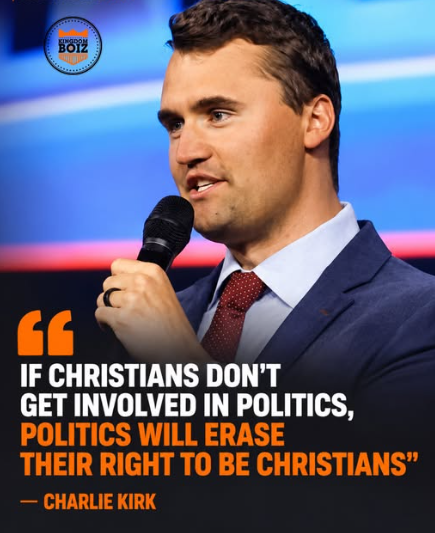 I suppose there are people who believe that the radical left is on a path to make Christianity illegal, and perhaps to install Islam as the official religion of the United States. This is remarkable for two reasons:
a) Every schoolchild in America learns about the First Amendment’s guarantee of freedom of religion at a very young age, and
b) This country made it successfully though 250 years with no one being ignorant enough to bring up this ridiculous concern.
One would hope that this figure of near 60% would indirectly translate into Trump’s ouster before he can take full control of the U.S. government.
We vote Trump’s stooges out of office in November and replace them people of honor. Trump is impeached, convicted and removed. From there, justice takes its course.
Nordex Q3 Orders Jump 30%, Vestas Bets on Australia
Nordex Q3 orders jump 30% and Vestas lands about a gigawatt in Australia. Plus why turbine factories skip Australia, high project costs, and whether batteries can replace coal.
The Uptime Wind Energy Podcast is brought to you by Weather Guard Lightning Tech, creators of the StrikeTape Ultra LPS retrofit. Subscribe to Uptime’s Substack newsletter. And check out Rosemary’s “Engineering with Rosie” Youtube channel. Have a question we can answer on the show? Email us!