Connect with us

Published

on

As energy prices keep rising in Australia, businesses struggle with higher costs. Whether you run a small shop or a big factory, energy bills can significantly affect your profits.  

The good news is that you can take simple steps to cut these costs without hurting your business operations.   

This guide will provide the best energy-saving tips for commercial properties in 2025 and beyond. There are many ways to use less energy in your business, such as choosing the right equipment and using it wisely.   

Once you understand how much energy your business uses, you can make smart upgrades and changes to lower costs.   

By following these energy-saving tips, you can avoid expensive fines for breaking regulations and stop unnecessary energy waste. But before getting into the tips, we will get to some basics that will help you save energy 

What Causes Energy Waste in Commercial Buildings?

If you want to save energy in a commercial building, follow a straightforward process.   

Start by checking for problem areas, as energy loss often happens when appliances are old or damaged.   

But that’s not the only issue—before tackling big problems, take care of the smaller ones first, such as:  

Unnecessary Power Use

Many leave chargers or lights on for convenience, wasting energy.   

Outdated Light Bulbs

Incandescent bulbs use a lot of electricity. Since better options are available, switching to energy-efficient lights can help cut costs.   

Poor Building Design

If a building isn’t designed for energy efficiency, energy gets wasted. For example, heat rises, so having proper roof insulation can help reduce energy loss. 

How to Reduce Energy Use in Commercial Buildings| Understanding Energy Usage Patterns 

You might not even have the right tools to track where most of your energy is going. To improve energy efficiency, you must take short-term and long-term steps.   

And it all starts with a plan.

Step 1: Track Your Energy Use

If you rent an office or share a space, it can be challenging to determine precisely how much energy your business uses.   

Since energy bills are often averaged over the year, researching can help you save money in the long run.   

Energy Management Software can give you a clear picture of your electricity and gas usage.   

Step 2: Find Energy-Wasting Appliances

Understanding which appliances use the most energy is key to saving costs.   

Old or damaged equipment can use more power than necessary and may fail soon, leading to more significant expenses later. Replacing it early can help avoid these costs. 

solar energy

Step 3: Make an Energy-Saving Plan

Once you know where energy is being wasted, it’s time to make changes. Here are some ideas:   

  • Switch to LED bulbs: They use much less energy and can last up to 25,000 hours.   
  • Use lighting sensors and timers: Lights will turn on only when needed and switch off automatically.   
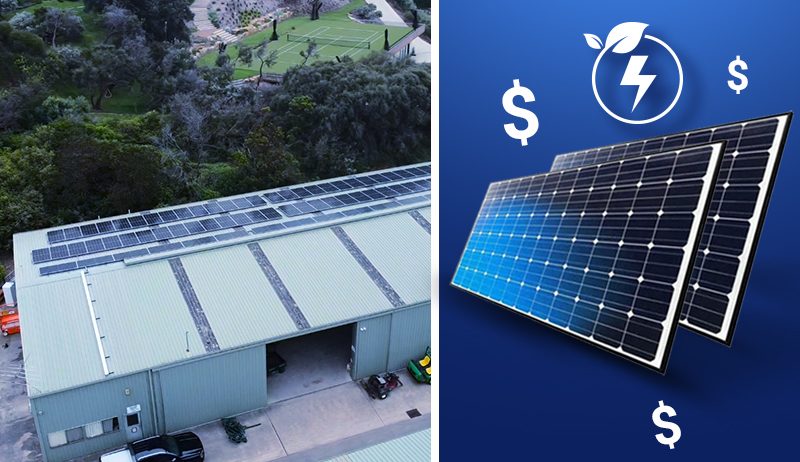
  • Install solar panels: They provide a free and renewable energy source, reducing dependence on the power grid.   

Step 4: Control Energy Usage

For maximum efficiency, energy should only be used when neededSetting energy goals (KPIs) can help track usage and encourage employees or tenants to switch off unused devices. Even appliances left on standby mode can waste a surprising amount of electricity

Step 5: Keep Monitoring Your Equipment

Energy savings will not last without regular maintenance. Once you’ve made improvements, track repairs and energy use over time.   

Space management strategies and energy tracking systems will help ensure all new and old appliances run efficiently.  

Best Energy-Saving Tips for Commercial Properties in 2025

Once you start upgrading appliances, improving energy efficiency becomes much more manageable. But there’s still more you can do!   

Change Energy Habits

To make the most of your energy-saving efforts, encourage everyone in the building to do their part.   

This means reminding tenants, employees, and visitors to turn off lights and devices when unnecessary. You can do this through signs, meetings, or even small incentives.    

Use More Natural Light

Did you know lighting is one of commercial buildings’ most significant energy expenses?   

A simple way to reduce costs is to use more sunlight. Consider adding bigger windows or removing dark curtains to let in more natural light. This will reduce the need for artificial lighting during the day. 

Install Smart Meters

Technology can make energy savings easier. LED lights, smart thermostats, and energy monitors will help monitor and control power usage. These tools reduce waste and lower electricity bills for you and your tenants.    

Switch to a Better Energy Source

While this tip is more about cost savings, it’s also about making eco-friendly choices.   

If you manage a property, find sustainable energy sources, such as green energy providers or solar panels. These options reduce environmental impact and can lead to long-term savings.  

Lighting the Way to Savings

One of the easiest ways to reduce energy consumption is to upgrade your lighting. Replacing old incandescent and fluorescent bulbs with LED lights can significantly reduce energy use by up to 75%.  

LEDs also last much longer, which means lower maintenance costs in the long run. If windows haven’t been installed already, upgrading them to double or triple-glazing is another effective step.  

This helps with insulation, stabilising indoor temperatures and reducing heating and cooling costs. Maximising natural light can also make a big difference.  

Strategic window placement, skylight addition, and reflective material use can brighten spaces without relying on artificial lighting.  

Heating and Cooling

Heating and cooling systems are major energy consumers, but simple adjustments can improve efficiency.  

Dividing a building into different zones and adjusting temperatures based on how often each area is used can prevent unnecessary energy waste. For example, rarely occupied spaces don’t need to be heated or cooled as frequently as high-traffic areas.  

Air leaks around windows, doors, and ducts should be sealed to prevent drafts and heat loss. This helps maintain a comfortable indoor temperature without overworking heating and cooling systems.  

Adding insulation and using simple draught excluders can also improve temperature control. Installing smart thermostats is another excellent way to manage energy use efficiently.    

Plug It In, then Power Down

Electricity is often wasted without people’s knowledge, mainly when electronic devices use power, even when switched off.  

One way to prevent this is to use power strips with on/off switches, which can completely cut energy use when devices aren’t in use. Replacing outdated equipment with newer, more energy-efficient models also helps lower electricity consumption.  

Many modern appliances have energy-saving features, like to-sleep modes and adjustable speed settings. Encouraging employees to activate sleep functions on computers and monitors when inactive can reduce waste.  

Switching to cloud-based solutions instead of relying on local servers can reduce unnecessary energy use.  

Solar Energy Systems: A Smart and Sustainable Choice

Commercial Solar energy is a cost-effective and eco-friendly way to power commercial properties. By harnessing sunlight, businesses can reduce dependence on grid electricity, lower utility bills, and minimise their carbon footprint.   

Once installed, solar panels generate electricity at no extra cost, leading to long-term savings. Many governments offer incentives, tax credits, and rebates to reduce installation expenses, making solar a wise investment for businesses looking to cut costs.   

Commercial Solar systems are scalable, allowing businesses to start small and expand as needed. Battery storage technology also enables energy use at night or during cloudy periods, improving efficiency and independence.   

Beyond savings, adopting solar energy enhances a company’s sustainability efforts and reputation. Consumers increasingly support eco-conscious businesses, making solar power a valuable step toward corporate responsibility.    

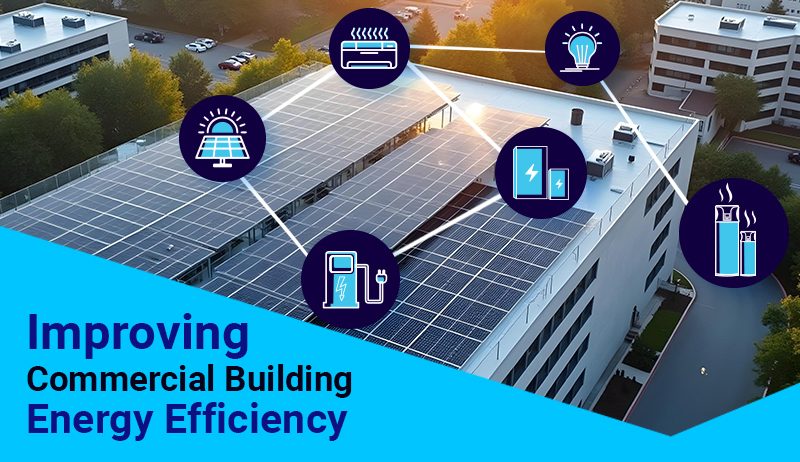
Tips for Improving Commercial Building Energy Efficiency

Keeping Your HVAC System Efficient

Regular HVAC system maintenance is key to keeping it running smoothly and efficiently. Like any machine, HVAC units wear down over time, and if they are not checked regularly by a professional, certain parts may stop working correctly.  

Components such as coils, fans, and belts must be in top condition to prevent the system from overworking, which can waste energy.  

A technician’s routine system inspection is the best way to ensure everything functions correctly and catch any issues, such as leaks.   

Improving Energy Efficiency by Sealing Your Building

A well-sealed and insulated building helps HVAC systems work more efficiently by preventing air leaks and stabilising indoor temperatures.  

Simple steps, such as closing windows and doors while the HVAC runs, can prevent unnecessary energy loss. Installing tinted windows can also reduce direct sunlight, keeping the space naturally cooler.  

Improving insulation in walls, ceilings, and floors can minimise heat transfer, making it easier to maintain comfortable indoor temperatures without overusing the HVAC system.  

Properly sealing air ducts is also essential, as leaks in the ductwork can cause significant energy waste. Adding door sweeps or seals to exterior doors can further prevent drafts and air leaks, helping to maintain indoor comfort with less energy use.  

energy efficiency

Using Smart HVAC Controls for Better Efficiency

Smart HVAC controls help reduce energy consumption by automatically adjusting heating, cooling, and ventilation based on real-time conditions.  

These advanced systems use sensors and intelligent programming to regulate temperatures based on occupancy, weather, and time of day.  

This prevents HVAC units from running unnecessarily in empty rooms or during off-peak hours. They can also create a more efficient energy plan with other building management systems.   

By analysing usage patterns, smart controls help identify areas where energy can be saved, ensuring the HVAC system operates only when needed. This not only lowers electricity costs but also extends the lifespan of HVAC equipment by reducing unnecessary wear and tear.  

Contact Cyanergy for any assistance. Talk to an expert for more tips and get a free quote 

Your Solution Is Just a Click Away

The post Best Energy-Saving Tips for Commercial Properties in 2025 appeared first on Cyanergy.

Best Energy-Saving Tips for Commercial Properties in 2025

Continue Reading

Renewable Energy

Explore Commercial Heat Pump Warranties: What Cyanergy Offers? 

Published

on

Heat pumps are an excellent investment for any Australian Business, whether you run restaurants, hotels, nursing homes, laundries, or manufacturing facilities.

They save money, reduce emissions, and, most importantly, modernise operations by prioritising energy efficiency and environmental sustainability.

But when you’re spending your hard-earned dollars on a commercial heat pump, you are not only purchasing a product, you’re also investing in long-term performance. And one factor that separates smart purchases from regrets is warranty protection.

Besides satisfactory performance, a solid warranty on your heat pump can offer you peace of mind and protect you from unexpected repair costs.

Still, with so many options in the market, how can you understand which companies actually back up their promises with real protection?

Let’s put your concerns to rest! In this blog, we’ll unveil what commercial heat pump warranties usually cover, what to watch out for, and exactly how Cyanergy’s warranty stacks up, doing things differently.

Understanding Warranties for Heat Pumps: Why It Matters?

So, what is a hot water heat pump system warranty?

A commercial hot water heat pump warranty is a
manufacturer’s or supplier’s promise that the product will perform as expected for a specified period.
Warranties typically cover repairs or replacements if something goes wrong due to faulty materials.

Types of Heat Pump Warranties: What’s Typically Covered?

When purchasing a heat pump, understanding the different types of warranties is crucial to protecting your investment
and minimising repair costs. In Australia, warranties may include manufacturer coverage, labour warranties, and
even full system replacement.

So, here’s a breakdown of the most common types of heat pump warranties available throughout
Australia:

1. Manufacturer’s Warranty

This is the most common type of warranty included with most of the new heat pumps installed in Australian commercial
properties.

Warranty Coverage:

  • Major components are covered under this warranty, including the compressor, condenser, air handler, fan,
    heat exchanger, electronic controls, and, sometimes, refrigerant components such as the evaporator.
  • Some units also include a separate warranty for the refrigeration system.

Warranty Duration:

The manufacturer’s warranty is typically 5 to 10 years, but can be extended to 12 years for premium models.

However, remember that to qualify for warranty, installation must be performed by a certified professional, such as
Cyanergy. Also, some manufacturers offer extended parts warranties
if the unit is registered shortly after installation.

2. Labour Warranty

This covers the labour costs for diagnosing, repairing, or replacing defective parts. In most cases, manufacturer
warranties cover parts, but not always labour.

Since labour can be costly, especially for complex systems, it’s worth checking for better financial protection.

Covers:

  • This provides the technician’s labour and service fees.

Duration:

The warranty lasts from 1 to 3 years from the installation date. This entirely depends on your service provider and
the size of the installations.

3. Installation Warranty

An installation warranty is usually offered by the HVAC company that installs
your heat pump system
with professional help.

Covers:

  • Any issues caused by improper installation.
  • Workmanship defects.

Duration:

This is applicable for typically 1 to 2 years, depending on the contractor. Also, always try to get this warranty in
writing, as some contractors may only offer a verbal assurance, which may not hold up if issues arise.

4. Extended Warranty

Some manufacturers offer extended coverage for their models at an additional cost. These provide more extended
coverage periods and broader protection for parts and repairs beyond the standard warranty limits, giving you
added peace of mind.

Covers:

  • It can include both parts and labour.
  • Some manufacturers even offer full system coverage for a long time.

Duration:

Ensure that this extended warranty coverage lasts 10 to 12 years. However, regular servicing may be required to keep
it valid.

Also, check for exclusions, maintenance requirements, and whether the manufacturer or a third party backs it.

5. Unit Replacement Warranty

Offered by some manufacturers as part of their premium product warranties.

Covers:

  • It provides a complete system replacement if a major failure occurs within the warranty period.

Duration:

Replacement warranty lasts for 1 to 5 years, depending on your chosen heat pump brand and model number.

6. Tank Warranty

In Australia, if your heat pump includes a hot water storage tank, this may have a separate warranty.

Covers:

  • This warranty covers any leaks, corrosion, or manufacturing defects in the tank.

Duration:

Even though the warranty claims often last 5 to 10 years, it’s better to check that specifically with the tank
manufacturer.

Why Warranties Matter for Businesses in Australia?

Warranties on heat pumps can be beneficial for businesses. Thinking why?

With warranty coverage, minimum risk of expensive equipment breakdowns, and protection against unexpected repair costs, businesses can operate with greater confidence.

They minimise downtime and maintenance disruptions for your system, keeping your system running for a long time.

Additionally, having a valid warranty may be a requirement for participation in certain government energy programs, such as the Victorian Energy Efficiency Certificates (VEECs) scheme.

Cyanergy’s Warranty Offer: What You Get, What Sets Us Apart!

Hot water heat pumps, like the popular Smart Lifestyle
Australia (SLA) model
, offer significant advantages for your business. For example:

  • They use up to 75% less energy than traditional electric systems.
  • Offer cost savings that are 3.5 times cheaper to run and ideal for high-usage commercial settings like
    office buildings and hospitals.
  • Traditional heating systems use burning fossil fuels, whereas installing heat pumps can reduce your
    dependency on fossil fuels.
  • Heat pumps reduce gas emissions, lowering your carbon
    footprint
    .
  • Perform longer with less regular maintenance over time.

Also, SLA units are available in 200 L and 300 L capacities, making them a versatile choice across
industries. Moreover, our heat pump is 4X more energy efficient than electric systems.

Now, let’s see what Cyanergy’s warranty offers.

Here’s how Cyanergy Australia stacks up. When you buy a commercial hot water heat pump through Cyanergy

Warranty Component Cyanergy Offers
Compressor 5-year warranty support
Cylinder or Tank  7-year warranty support
Whole Unit 5-year warranty support for the whole system

Some Scenarios That Prove Warranties Pay Off

Here we’ve added a few example scenarios so you can see how warranties play out in “real life” with Cyanergy.

Case 1: Compressor failure in year 3

Imagine enjoying years of energy savings, then suddenly, your compressor fails in year three. In such cases with many companies, you’d be stuck paying for costly parts.

But with Cyanergy, your compressor is covered for up to 5 years, offering peace of mind at the same time, ensuring savings. Isn’t it a win-win?

Case 2: Tank develops a leak in year 6

Most standard warranties on hot water system tanks expire around the 5-year mark, leaving you unprotected just when things start to wear down.

However, Cyanergy’s 7-year cylinder warranty, a leaking tank in year six, isn’t a problem. This saves thousands of dollars, and customers do not need to struggle for emergency replacements.

Case 3: Control board fails in year 2

Electronics are unpredictable, and control boards are no exception. They’re essential for system operation, so if one fails, your system could shut down completely.

Many manufacturers offer limited warranties on these parts, often just 1 year. But Cyanergy’s 5-year whole-unit warranty means you’re covered for unexpected component failures like this for a long time.

Case 4: Environmental or any external damage

These are often excluded from many warranties everywhere. You’ll need to check if the damage falls under “defective component” or external factors.

Make sure your C&I properties have ground fault protection, surge protection, and water drainage that are up to spec.

Make the Most of Your Heat Pump Warranty: 5 Expert Tips!

If you’re living in Australia, then getting a heat pump installed is undoubtedly a smart move, but if you’re not careful, you could miss out on the full benefits of your warranty.

Don’t let simple oversights cost you down the track! 

So, here are the five expert tips that help you make the most of your system:

  1. Keep all paperwork, including receipts, installation date, installer name & certificates.
  2. Register the product if required.
  3. Follow installation specs to know about the provided services like correct plumbing, proper electrical setup, clearance & environmental standard compliance.
  4. Maintain regularly clean filters, flush the tank if needed, check valves and sensors, and follow manual guidelines.
  5. Document everything if something seems wrong, as proper documentation helps in claiming a warranty.

Cyanergy’s Service Response and Installer Quality

At Cyanergy, we offer exceptional customer service. For any warranty-related concerns, our team responds within 24 hours to ensure quick and efficient resolution.

As a CEC-approved installer in Australia, we have successfully completed hundreds of commercial solar projects across Victoria (VIC) and New South Wales (NSW). You can count on our expertise and commitment to quality from installation through to after-sales support.

Takeaway Thoughts

In the end, you deserve more than just a shiny product in a box. You deserve lasting value and genuine support with a commitment to reliable hardware, strong service, and support designed for commercial users.

So, if you’re considering a heat pump upgrade or part of a business that depends on reliable hot water, let us walk you through exactly what coverage you’ll get and ensure you get the best match for your needs.

For more information, call us today and talk with our experts without any further delay!

Your Solution Is Just a Click Away

The post Explore Commercial Heat Pump Warranties: What Cyanergy Offers?  appeared first on Cyanergy.

Explore Commercial Heat Pump Warranties: What Cyanergy Offers? 

Continue Reading

Renewable Energy

Handing the Keys to the Kingdom over to the Chinese

Published

on

When I argue for environmental responsibility and the decarbonization of the grid, I often say:

I know there are people who believe, perhaps because this is what they’re told by Donald Trump, that climate change is a hoax. But are there people who don’t believe in cancer? In the importance of our country’s investing in the industry that is destined the dominate the 21st Century?

Trump will be gone soon.  Maybe you and I will be gone (in a different sense) before the effects of this administration’s folly in the EV and cleantech industry are fully felt.

But it’s inevitable, unless we turn this around, and soon.

Handing the Keys to the Kingdom over to the Chinese

Continue Reading

Renewable Energy

Small, Vertical-Axis Wind Turbines (VAWTs)

Published

on

In preparation for my first book, “Renewable Energy – Facts and Fantasies,” I interviewed Ray Lane, then managing partner of Kleiner Perkins, one of the world’s great venture capital firms, who told me about his stance with his prospects, “You build the first one. I’ll invest in the next 20. Then we’ll take the thing public and use that cash to build the next 5000.”

I’m 99+% sure that the “first one” of these will never be built, i,e., installing these VAWTs at the base of functioning wind farms. The concept is asinine, as it defies the laws of fluid dynamics.

.

Small, Vertical-Axis Wind Turbines (VAWTs)

Continue Reading

Trending

Copyright © 2022 BreakingClimateChange.com