


Green Energy Dawns on Africa: A Continent Poised for Sustainable Power
Africa, a land of immense potential, has long grappled with the challenge of energy access and security.
Yet, amidst the complexities lies a burgeoning opportunity: the transition to green energy. This shift promises not only to illuminate lives but also to empower communities, drive economic growth, and combat climate change.
A Continent Blessed with Renewables:
Africa boasts a wealth of renewable energy resources, dwarfing its current energy consumption. Here’s a glimpse:
- Solar Power: The continent receives an average of 3000 sunshine hours annually, with the Sahara Desert holding the world’s highest solar potential. The International Renewable Energy Agency (IRENA) estimates Africa’s solar capacity at 11 TW, enough to meet global electricity demand several times over.
- Wind Power: From the blustery coastlines of South Africa to the Horn of Africa’s high plateaus, Africa’s wind potential is significant. IRENA estimates a technical potential of 10 TW, with onshore resources exceeding 5 TW.
- Hydropower: With mighty rivers like the Nile, Congo, and Zambezi, Africa’s hydropower potential is substantial. Currently, it contributes around 60% of the continent’s renewable energy generation, with an installed capacity of over 30 GW.
- Geothermal Power: The Great Rift Valley, stretching from Ethiopia to Mozambique, harbors immense geothermal potential. Kenya is a leading example, with an installed capacity of 883 MW, and several other countries are exploring this clean and reliable source.
Progress and Challenges:
Despite vast potential, Africa’s green energy journey faces hurdles. Here’s a snapshot:
- Investment Gap: The continent requires significant investments in renewable energy infrastructure, estimated at $130 billion annually by 2030. While investments are increasing, the gap remains substantial.
- Grid Infrastructure: Many African countries lack robust grids, hindering the integration of large-scale renewable energy projects. Strengthening and expanding transmission lines is crucial.
- Policy and Regulation: Enabling policies and regulations are essential to attract investments, incentivize renewable energy development, and ensure fair competition.
- Capacity Building: Local expertise in technology, project management, and financing needs to be strengthened for sustainable development and maintenance of green energy projects.
Statistics Speak Volumes:
- Renewable Energy Share: Despite challenges, Africa has seen a remarkable rise in renewable energy. As of 2022, renewables account for 21% of the continent’s installed power generation capacity, compared to just 7% in 2010.
- Solar Power Boom: Solar photovoltaic (PV) is the fastest-growing renewable energy source in Africa. The continent’s installed solar PV capacity reached 18.8 GW in 2022, a tenfold increase in a decade.
- Leading the Way: South Africa, Kenya, Ethiopia, Morocco, and Egypt are leading the charge in renewable energy development, accounting for over 70% of the continent’s installed renewable capacity.
The Ripple Effect:
The transition to green energy in Africa holds immense potential beyond just electricity generation. Here’s how:
- Economic Growth: Renewable energy projects create jobs, boost local economies, and attract investments, fostering sustainable development.
- Climate Action: By reducing reliance on fossil fuels, Africa can contribute significantly to global climate change mitigation efforts.
- Energy Security: Green energy sources are less susceptible to price fluctuations and geopolitical disruptions, enhancing energy security for African nations.
- Improved Health: Transitioning away from fossil fuels leads to cleaner air, reducing respiratory illnesses and improving public health.

Green Energy Potential in Africa: A Statistical Snapshot
| Resource | Potential | Current Installed Capacity (2022) |
|---|---|---|
| Solar Power | 11 TW | 18.8 GW |
| Wind Power | 10 TW (Onshore: 5+ TW) | 6.1 GW |
| Hydropower | 300 GW | 34.1 GW |
| Geothermal Power | 15 GW | 0.88 GW (Kenya) |
Renewable Energy Share:
| Year | Share of Installed Power Generation Capacity |
|---|---|
| 2010 | 7% |
| 2022 | 21% |
Leading Countries in Renewable Energy Development:
| Country | Installed Renewable Capacity (2022) | Share of Africa’s Total Renewable Capacity |
|---|---|---|
| South Africa | 13.4 GW | 39% |
| Kenya | 3.2 GW | 9% |
| Ethiopia | 2.9 GW | 8% |
| Morocco | 2.1 GW | 6% |
| Egypt | 1.8 GW | 5% |
Additional Notes:
- The table presents estimated potential and installed capacity in gigawatts (GW).
- Hydropower currently makes up the largest share of renewable energy generation in Africa, but solar PV is growing rapidly.
- The leading countries listed represent over 70% of Africa’s total installed renewable capacity.
A Brighter Future Beckons:
Africa’s green energy transition is not just a possibility but a necessity. With its abundant resources, increasing investments, and growing commitment, the continent is poised to unlock the potential of renewables. This shift holds the key to a brighter future – one powered by clean, sustainable energy that illuminates lives, empowers communities, and paves the way for a more prosperous and resilient Africa.bv
https://www.exaputra.com/2024/02/green-energy-dawns-on-africa-continent.html


 Today, I met a professional driver for the film-making industry whose principal focus is stunt-work.
Somehow, we got to talking about the many movie stars for whom he’s worked over the years, and how pleasant most of them are to be around.
He started by mentioning Kevin Costner.
“I really like him,” I said. Please tell me he’s not an asshole.”
“Oh no; he’s a prince,” my new friend replied. “I also do the driving for Jay Leno’s show about his massive garage full of vintage cars. He’s even kinder. When we’re having lunch between shootings, he’ll often come up our table and ask if we need another Coke or two. Maybe desserts?”
We eventually got around to the stars who are, in fact, assholes.
“I drive in Lethal Weapon 4,” he began.
“Let me make a stab. Mel Gibson?”
Yes. One of the most hateful, most miserable people you could meet in 100 lifetimes.”
“That’s the rumor everyone’s heard,” I responded. “It’s weird how people who have more money that God feel the need to be such terrible people.”
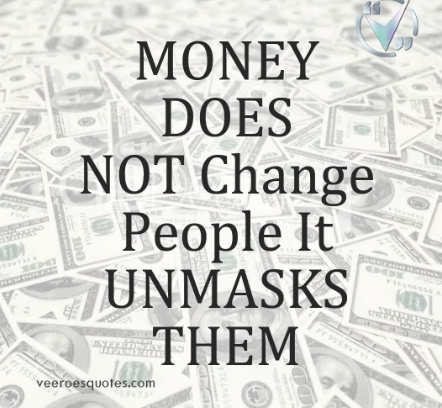
“Well, my theory is that money doesn’t change people; it only amplifies them.”
I remind him of Henry Ford’s observation above.
Great conversation.
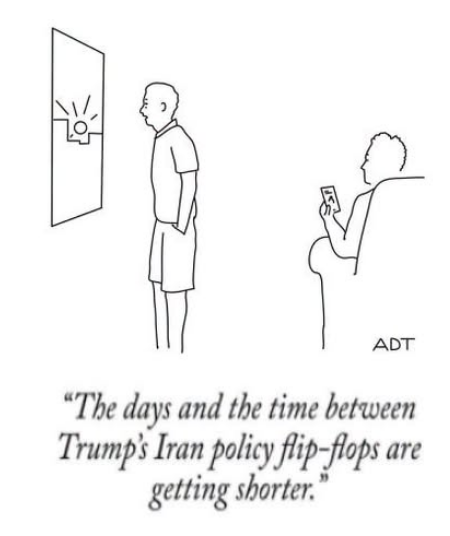 How Trump has any credibility with Americans–or the other citizens of planet–is a mystery that is impossible to unravel.
At This Point, No One Should Believe a Word that Comes Out of Trump’s Mouth
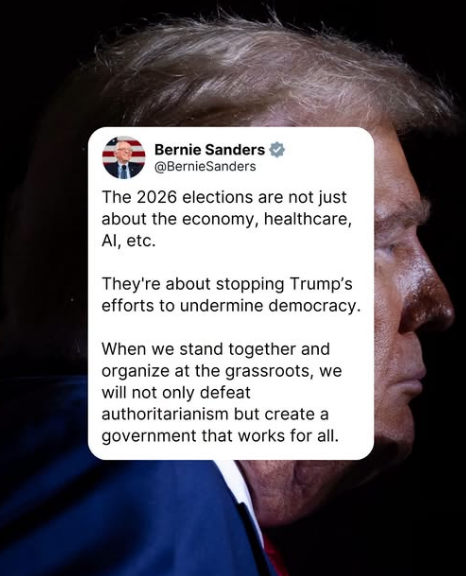 It’s good to hear Bernie Sanders say what he did here, but it’s sad that it needs to be said at all.
Are we really interested in lower grocery prices if we’re living in a dictatorship?



-
Climate Change1 year ago
Guest post: Why China is still building new coal – and when it might stop
-
Greenhouse Gases1 year ago
Guest post: Why China is still building new coal – and when it might stop
-

 Greenhouse Gases2 years ago
嘉宾来稿:满足中国增长的用电需求 光伏加储能“比新建煤电更实惠”
-

 Climate Change2 years ago
嘉宾来稿:满足中国增长的用电需求 光伏加储能“比新建煤电更实惠”
-
Climate Change2 years ago
Bill Discounting Climate Change in Florida’s Energy Policy Awaits DeSantis’ Approval
-

 Renewable Energy10 months ago
Sending Progressive Philanthropist George Soros to Prison?
-
Greenhouse Gases1 year ago
嘉宾来稿:探究火山喷发如何影响气候预测
-

 Carbon Footprint2 years ago
US SEC’s Climate Disclosure Rules Spur Renewed Interest in Carbon Credits