What is Reneweble Energy Meaning?
Renewable energy refers to any form of energy that is derived from natural sources and can be replenished over time.
This includes sources such as sunlight, wind, water, geothermal heat, and organic matter. Unlike non-renewable energy sources, such as fossil fuels, renewable energy sources are constantly available and can be replenished with the right technology and infrastructure.
Renewable energy is an essential component of the transition to a sustainable future, as it reduces reliance on finite resources and mitigates the negative impacts of climate change. While renewable energy technologies are still developing, they offer promising solutions for a cleaner and more resilient energy future.
Renewable energy benefits
Renewable energy offers numerous benefits that make it a key component of a sustainable future. One of the primary benefits of renewable energy is that it is clean and emits little to no greenhouse gases, reducing the negative impact of energy production on the environment. It also reduces reliance on finite resources, providing a more resilient energy system. Additionally, renewable energy can be harnessed locally, reducing dependence on long-distance energy transmission and strengthening energy security.
Renewable energy sources can also provide economic benefits, such as creating jobs in the renewable energy industry and stimulating local economies. Another advantage of renewable energy is that it can increase energy access in remote and underserved areas, providing a more equitable distribution of energy resources.
Furthermore, renewable energy sources can offer cost savings over time, as the technology becomes more efficient and the infrastructure is developed. Overall, renewable energy provides a range of benefits that can improve energy security, protect the environment, and foster economic growth.
What does net zero carbon mean
Net zero carbon refers to the state in which the amount of carbon dioxide and other greenhouse gas emissions released into the atmosphere is balanced by the amount removed from the atmosphere. This can be achieved through a combination of reducing greenhouse gas emissions and implementing carbon removal techniques, such as reforestation or carbon capture and storage.
The goal of net zero carbon is to achieve a balance between emissions and removal, so that the overall impact on the climate is neutral. This is a critical target in the fight against climate change, as it reduces the amount of greenhouse gases in the atmosphere and mitigates the negative impacts of climate change.
Achieving net zero carbon requires a concerted effort from individuals, businesses, and governments to reduce emissions, invest in renewable energy and carbon removal technologies, and transition to more sustainable practices.
The term “Net Zero Carbon” has gained popularity in recent years, reflecting the growing urgency of addressing climate change and reducing greenhouse gas emissions.
While the concept of achieving carbon neutrality has been discussed for several decades, the specific term “Net Zero Carbon” gained traction in the 2010s. The term was popularized by the Paris Agreement, a landmark international agreement on climate change signed in 2015, which set a goal of limiting global temperature increase to well below 2°C above pre-industrial levels and pursuing efforts to limit the temperature increase to 1.5°C.
The Paris Agreement called for global greenhouse gas emissions to reach net zero in the second half of the 21st century, and the term “Net Zero Carbon” has since become a widely recognized and used term in public discourse, policy discussions, and the energy sector.
When did the term renewable energy begin to be used?
The term renewable energy has been in use for several decades, with its origins dating back to the early 1970s. The term was popularized during the oil crisis of the 1970s, when there was a global push to find alternative energy sources due to concerns about energy security and dependence on finite resources. As a result, renewable energy became a key focus for governments, research institutions, and the energy industry.
The concept of renewable energy has evolved over time, with advances in technology and changes in policy and public awareness contributing to the development of the field. Today, renewable energy is a vital component of the transition to a more sustainable future, and the term is widely recognized and used across the energy sector and in public discourse.
Who popularized the term of renewable energy
The term “renewable energy” was not popularized by any one individual, but rather emerged as a result of the growing awareness and concern over finite resources and energy security in the 1970s. The oil crisis of the early 1970s led to a global push for alternative energy sources, and renewable energy emerged as a key focus for governments, research institutions, and the energy industry.
As the importance of renewable energy sources became more widely recognized, the term “renewable energy” gained popularity and became more widely used in public discourse. Today, the term is widely recognized and used across the energy sector and in public discourse, reflecting the growing importance of renewable energy in the transition to a more sustainable future.

What are the benefits of renewable energy against climate change?
Renewable energy can have a significant positive impact on climate change. This is because renewable energy sources, such as wind, solar, hydro, geothermal, and biomass, emit little to no greenhouse gas emissions during operation. As a result, increasing the use of renewable energy can help to reduce the amount of greenhouse gases being emitted into the atmosphere, which are the primary cause of climate change.
In addition to reducing greenhouse gas emissions, renewable energy can also help to reduce air pollution and improve public health, as many fossil fuel sources of energy are also significant sources of air pollutants such as particulate matter and nitrogen oxides.
However, it is important to note that the production and installation of renewable energy systems, such as solar panels and wind turbines, can have some environmental impacts, including land use changes and the use of certain materials in production. It is important to minimize these impacts and ensure that renewable energy development is done in a sustainable and responsible manner.
Who regulates the Renewable Energy Program around the world
There is no single world organization that regulates renewable energy, but there are several international organizations and initiatives that promote renewable energy and provide guidance and support for its development.
One of the most important is the International Renewable Energy Agency (IRENA), which is an intergovernmental organization that promotes the widespread adoption and sustainable use of renewable energy worldwide. IRENA supports the development of policies, frameworks, and initiatives to promote renewable energy, and provides technical assistance, capacity building, and knowledge sharing to member countries.
What is IRENA
The International Renewable Energy Agency (IRENA) is an intergovernmental organization that was founded in 2009 with the goal of promoting the widespread adoption and sustainable use of renewable energy worldwide.
The organization is headquartered in Abu Dhabi, United Arab Emirates, and has 165 member countries as of 2023. IRENA supports the development of policies, frameworks, and initiatives to promote renewable energy, and provides technical assistance, capacity building, and knowledge sharing to member countries.
The agency conducts research, analysis, and provides advice on renewable energy technologies, and works to build partnerships and collaborations to advance renewable energy globally. IRENA has played a leading role in the international effort to transition to a more sustainable energy future and has been instrumental in driving the growth and development of renewable energy technologies and markets worldwide.
Other organizations that promote renewable energy include the United Nations Framework Convention on Climate Change (UNFCCC), the International Energy Agency (IEA), and the Global Wind Energy Council (GWEC). Additionally, many countries have their own regulatory bodies and policies to promote renewable energy, such as the US Department of Energy and the European Union’s Renewable Energy Directive.
What is UNFCCC
The United Nations Framework Convention on Climate Change (UNFCCC) is an international treaty that was established in 1992 with the goal of addressing the problem of global climate change.
The treaty was developed in response to growing concerns about the impacts of rising greenhouse gas emissions on the environment, and the potential consequences for human health, economies, and ecosystems.
The UNFCCC sets out a framework for global cooperation to address climate change, and aims to stabilize greenhouse gas concentrations in the atmosphere at a level that would prevent dangerous anthropogenic interference with the climate system. The UNFCCC has been instrumental in the development of international climate agreements, such as the Paris Agreement, which set the goal of limiting global temperature increase to well below 2°C above pre-industrial levels and pursuing efforts to limit the temperature increase to 1.5°C.
The UNFCCC also hosts annual Conferences of the Parties (COPs), which bring together representatives from countries, civil society, and the private sector to discuss and advance efforts to address climate change.
What is IEA
The International Energy Agency (IEA) is an intergovernmental organization that was established in 1974 with the aim of promoting energy security and sustainable energy policies.
The IEA is headquartered in Paris, France and has 30 member countries as of 2023. The organization conducts research, analysis, and provides advice on energy policy, including renewable energy, energy efficiency, and energy security.
The IEA also plays a key role in providing energy data and statistics, and tracking global trends in energy consumption and production. In addition, the IEA provides technical assistance, capacity building, and knowledge sharing to member countries to support the development and implementation of sustainable energy policies.
The IEA has been influential in shaping international energy policy, and has been a strong advocate for the development and deployment of renewable energy technologies as a key strategy to reduce greenhouse gas emissions and address climate change. is
What is UNFCCC
The United Nations Framework Convention on Climate Change (UNFCCC) is an international treaty that was established in 1992 with the goal of addressing the problem of global climate change.
The treaty was developed in response to growing concerns about the impacts of rising greenhouse gas emissions on the environment, and the potential consequences for human health, economies, and ecosystems. The UNFCCC sets out a framework for global cooperation to address climate change, and aims to stabilize greenhouse gas concentrations in the atmosphere at a level that would prevent dangerous anthropogenic interference with the climate system.
The UNFCCC has been instrumental in the development of international climate agreements, such as the Paris Agreement, which set the goal of limiting global temperature increase to well below 2°C above pre-industrial levels and pursuing efforts to limit the temperature increase to 1.5°C. The UNFCCC also hosts annual Conferences of the Parties (COPs), which bring together representatives from countries, civil society, and the private sector to discuss and advance efforts to address climate change.
Types Of Renewable Energy
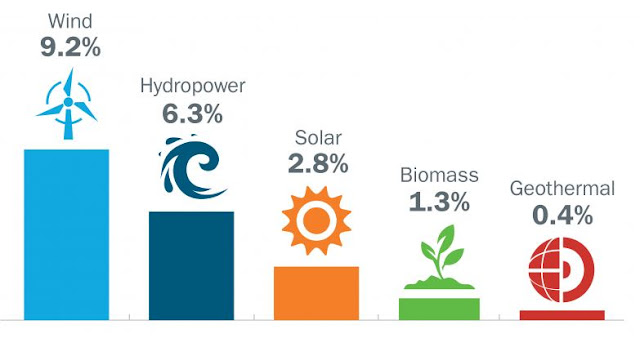
Renewable energy is a crucial aspect of the transition to a sustainable future. There are several types of renewable energy sources, including solar, wind, hydro, geothermal, and biomass.
Percentage of renewable energy users in the world
The percentage of renewable energy users in the world has been steadily increasing in recent years, but the exact figure varies depending on how it is measured. According to the International Energy Agency (IEA), renewable energy sources accounted for approximately 29% of the world’s electricity generation in 2020. This includes sources such as hydropower, wind, solar, bioenergy, and geothermal power.
In terms of total final energy consumption, which includes not just electricity but also transportation and heating, the share of renewable energy is lower. According to the Renewables 2021 Global Status Report, published by the Renewable Energy Policy Network for the 21st Century (REN21), renewables accounted for around 11.2% of global final energy consumption in 2019.
It’s worth noting that the percentage of renewable energy use varies widely by country and region. Some countries, such as Iceland and Norway, are already largely powered by renewable energy, while others are just beginning to scale up their use of clean energy sources. In addition, the percentage of renewable energy use is expected to continue to grow in the coming years, as more countries set ambitious renewable energy targets and investments in clean energy continue to increase.
Solar energy
Solar energy is a form of renewable energy that harnesses the power of the sun to generate electricity. This is done through the use of photovoltaic cells, which convert sunlight into electrical energy. It is a popular form of renewable energy due to its widespread availability and the ability to install solar panels on rooftops and other locations.
The World’s Largest Solar Energy Project
The world’s largest solar energy project is currently the Noor Abu Dhabi Solar Plant, which is located in the United Arab Emirates. The plant has a total capacity of 1.177 GW and covers an area of 8 square kilometers, making it the largest single-site solar project in the world. The Noor Abu Dhabi Solar Plant consists of more than 3.2 million solar panels, which are arranged in long rows and capture the sun’s energy to produce electricity.
The plant began operations in April 2019 and is expected to produce enough clean energy to power 90,000 households in the UAE. The project is a joint venture between the Abu Dhabi Power Corporation and a consortium of companies, including China’s JinkoSolar and France’s EDF Renewables. The Noor Abu Dhabi Solar Plant is a significant milestone in the development of solar energy, and demonstrates the potential of renewable energy sources to meet growing energy demand while reducing greenhouse gas emissions.
Wind energy
Wind energy is another type of renewable energy that utilizes the power of wind to generate electricity. This is achieved through the use of wind turbines, which capture the energy of the wind and convert it into electrical energy. It is a particularly useful form of renewable energy in areas with high wind speeds.
The World’s Largest Wind Energy Project
The world’s largest wind energy project is currently the Gansu Wind Farm, which is located in China. The wind farm has a total installed capacity of over 20 GW and covers an area of more than 70,000 hectares. The project consists of multiple wind farms located across the Gansu province in northwestern China, and includes both onshore and offshore wind turbines. The Gansu Wind Farm was developed over several phases, with the first phase beginning in 2008, and was completed in 2019.
The project is part of China’s efforts to transition to a low-carbon economy and reduce its dependence on fossil fuels. The Gansu Wind Farm has the potential to generate clean energy to power millions of homes, and is a significant step towards achieving China’s goal of reaching peak carbon emissions by 2030 and achieving carbon neutrality by 2060. The success of the Gansu Wind Farm has also led to the development of other large-scale wind energy projects in China and other countries around the world.
Hydro energy
Hydro energy, also known as hydropower, is a type of renewable energy that harnesses the power of moving water to generate electricity. This is done through the use of dams and turbines, which convert the energy of falling water into electrical energy.
The world’s largest hydro energy
The world’s largest hydro energy project is currently the Three Gorges Dam, which is located in China. The dam spans the Yangtze River and has a total installed capacity of 22.5 GW, making it the largest power station in the world. Construction of the dam began in 1994 and was completed in 2012.
The Three Gorges Dam is a major source of clean energy for China, producing about 100 billion kilowatt-hours of electricity each year, which is equivalent to burning 40 million tonnes of coal. In addition to providing clean energy, the dam also serves to regulate the flow of the Yangtze River, control floods, and improve navigation in the area. However, the construction of the dam has also been controversial due to its impact on the local environment and displacement of thousands of people living in the area.
Despite these challenges, the Three Gorges Dam remains a significant example of large-scale hydroelectric power, and has inspired the development of other large hydro projects around the world.
Geothermal energy
Geothermal energy is a form of renewable energy that utilizes the heat from within the earth to generate electricity. This is achieved through the use of geothermal power plants, which tap into natural geothermal reservoirs to generate electricity.
The World’s Largest Geothermal energy Energy Project
The world’s largest geothermal energy project is currently the Geysers, which is located in California, USA. The Geysers is a complex of 22 geothermal power plants with a total installed capacity of 1.5 GW, making it the largest geothermal power installation in the world. The project utilizes the natural geothermal resources in the area to generate electricity by tapping into the steam and hot water found beneath the earth’s surface.
The Geysers began operations in the 1960s, and has been in continuous use since then. It is estimated that the project generates enough electricity to power about 725,000 homes, and provides about 60% of the renewable energy produced in California. The Geysers has also been instrumental in the development of geothermal energy around the world, and has served as a model for other geothermal projects in countries such as Iceland, Indonesia, and Kenya.
The use of geothermal energy is a promising solution for the transition to a low-carbon economy, as it is a reliable and sustainable source of clean energy that can be harnessed without producing greenhouse gas emissions.
Biomass energy
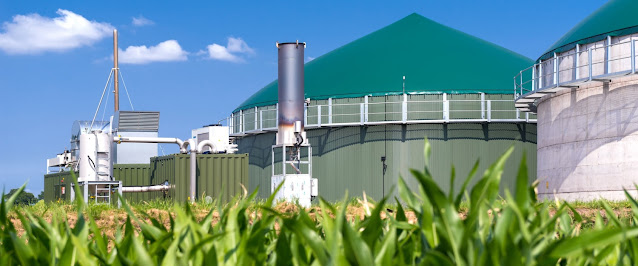
Biomass energy is a type of renewable energy that is produced from organic matter, such as wood chips, crop residues, and animal waste. This organic matter is burned to generate heat, which is then used to produce electricity. It is a particularly useful form of renewable energy in areas with a lot of agricultural waste.
The World’s Largest Biomass Energy Project
The world’s largest biomass energy project is currently the Drax Power Station, which is located in North Yorkshire, England. The power station has a total installed capacity of 3.9 GW, and generates about 12% of the UK’s renewable energy. The project utilizes biomass fuel, primarily wood pellets, to generate electricity. The wood pellets are sourced from sustainably managed forests in the United States, Canada, and Europe, and are transported to the Drax Power Station by ship.
The biomass is then burned in specially designed boilers to produce steam, which drives turbines to generate electricity. The project has been successful in reducing the carbon footprint of the UK’s energy sector, as the use of biomass is considered to be carbon-neutral, since the carbon emissions from burning the wood pellets are offset by the carbon absorbed during the growth of the trees.
The Drax Power Station is a significant example of the potential of biomass as a renewable energy source, and has inspired the development of other biomass projects around the world. However, the sustainability of biomass as a renewable energy source remains a subject of debate, as the sourcing and transportation of biomass can have a significant impact on the environment.
Is Nuclear Fusion energy categorized as renewable energy?
Nuclear fusion energy is often considered as a potential source of renewable energy, but it is not currently considered a mature renewable energy technology. Unlike nuclear fission, which is used in most nuclear power plants today, nuclear fusion does not produce nuclear waste or greenhouse gas emissions, and it relies on abundant fuel sources, such as hydrogen.
However, nuclear fusion is still a developing technology, and the practical implementation of nuclear fusion for energy generation remains a significant technical challenge. There are currently several research programs and projects around the world working on developing nuclear fusion as a viable source of energy, and if successful, it has the potential to play a significant role in meeting the world’s energy demands in a sustainable way.
So while nuclear fusion energy is not yet considered a mature renewable energy technology, it holds promise as a potentially renewable and clean energy source in the future.
Overall, each of these renewable energy sources has unique benefits and challenges, and they are all important in the transition to a more sustainable future.
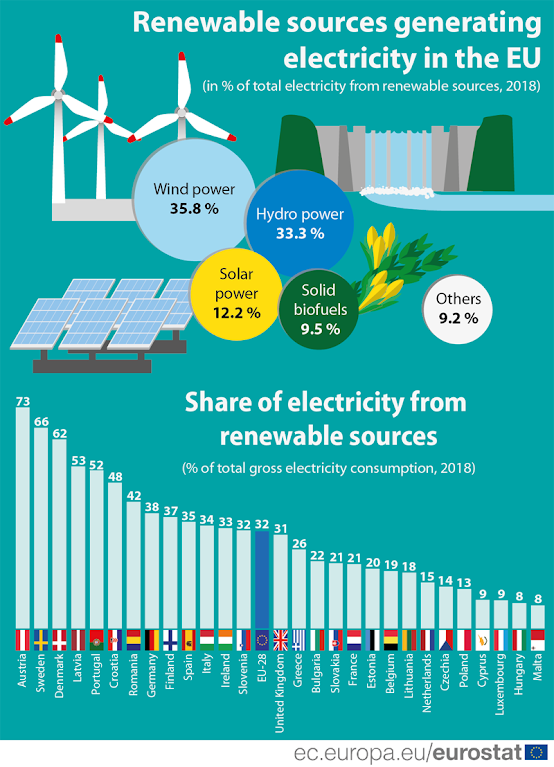
Leading countries in implementing Renewable Energy
There are several countries around the world that have made significant progress in implementing renewable energy.
Here are a few examples:
China – China is the world’s largest investor in renewable energy, and has made significant investments in wind and solar power in recent years. It has also set ambitious targets for increasing the share of renewable energy in its energy mix.
Germany – Germany has made significant investments in renewable energy, particularly in solar power. It has also implemented policies to encourage the deployment of renewable energy technologies, such as feed-in tariffs and net metering.
United States – The United States has made significant progress in deploying renewable energy, particularly in wind and solar power. It has also implemented policies to encourage the adoption of renewable energy technologies, such as tax incentives and renewable portfolio standards.
India – India is rapidly increasing its use of renewable energy, particularly in solar power. It has set ambitious targets for increasing the share of renewable energy in its energy mix, and has implemented policies to encourage the deployment of renewable energy technologies.
Denmark – Denmark has long been a leader in renewable energy, particularly in wind power. It has set ambitious targets for increasing the share of renewable energy in its energy mix, and has implemented policies to encourage the deployment of renewable energy technologies.
These are just a few examples of the leading countries in implementing renewable energy. Other countries that have made significant progress in this area include Spain, Italy, France, and Brazil, among others.
The leading company in the application of Renewable Energy
There are several companies around the world that are leaders in the application of renewable energy technologies.
Here are a few examples:
Tesla – Tesla is a US-based company that specializes in electric vehicles and renewable energy solutions. The company is a leading manufacturer of electric cars and energy storage systems, and also offers solar panels and solar roofs for residential and commercial customers.
Vestas – Vestas is a Danish company that is one of the world’s leading manufacturers of wind turbines. The company has installed more than 117 GW of wind power capacity in over 80 countries, and is known for its innovative wind turbine designs.
Enel – Enel is an Italian multinational energy company that is one of the world’s largest operators of renewable energy plants. The company has a significant presence in wind and solar power, and has set ambitious targets for increasing its renewable energy capacity in the coming years.
Siemens Gamesa – Siemens Gamesa is a Spanish-German wind turbine manufacturer that is one of the world’s largest suppliers of wind turbines. The company has installed more than 100 GW of wind power capacity in over 90 countries, and is known for its high-performance wind turbine designs.
Canadian Solar – Canadian Solar is a Canadian company that is one of the world’s leading manufacturers of solar panels. The company has a significant presence in the global solar market, and offers a range of solar solutions for residential, commercial, and utility-scale customers.
These are just a few examples of the leading companies in the application of renewable energy technologies. Other companies that have made significant contributions to the renewable energy sector include First Solar, General Electric, and SunPower, among others.
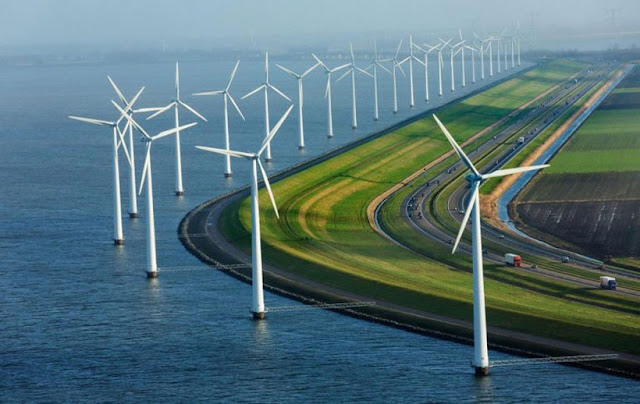
A leading city in the application of renewable energy
There are several cities around the world that are leading the way in the application of renewable energy technologies.
Here are a few examples:
Copenhagen, Denmark – Copenhagen has set ambitious goals to become carbon neutral by 2025, and has made significant investments in wind power and district heating systems. The city also has a large number of bike lanes and pedestrian-friendly areas, which helps reduce carbon emissions from transportation.
Reykjavik, Iceland – Reykjavik is a leader in geothermal energy, with almost 100% of its heating needs supplied by geothermal sources. The city has also invested in a network of electric vehicle charging stations and is working towards becoming carbon neutral by 2040.
San Francisco, USA – San Francisco has set a goal to become 100% reliant on renewable energy by 2030, and has made significant investments in solar and wind power. The city has also implemented policies to encourage the adoption of electric vehicles and energy-efficient buildings.
Munich, Germany – Munich is a leader in solar power, with a significant number of rooftop solar installations and solar-powered public transportation. The city has also implemented policies to encourage the adoption of energy-efficient buildings and has set ambitious goals to reduce its carbon emissions.
Masdar City, UAE – Masdar City is a planned sustainable city located in Abu Dhabi, UAE. The city is powered entirely by renewable energy, and is home to a number of innovative renewable energy projects, including the world’s largest concentrated solar power plant.
These are just a few examples of cities that are leading the way in the application of renewable energy technologies. Other cities that have made significant progress in this area include Vancouver, Canada; Barcelona, Spain; and Adelaide, Australia, among others.

Can the net zero carbon target be achieved?
Yes, achieving net zero carbon emissions is technically feasible, but it will require a significant and sustained effort from governments, businesses, and individuals around the world.
The technologies to reduce greenhouse gas emissions already exist, and further advancements in renewable energy, energy efficiency, and carbon capture and storage could help accelerate progress towards achieving net zero emissions.
However, achieving net zero carbon will also require significant changes in our societal and economic systems, including transitioning away from fossil fuels and scaling up renewable energy sources, improving energy efficiency in buildings and transportation, and making changes to land use and agriculture practices. It will also require political will and policy support, including carbon pricing mechanisms, incentives for clean energy investment, and regulations to phase out the use of fossil fuels.
Overall, achieving net zero carbon emissions will be a significant challenge, but with collective effort and commitment, it is possible to achieve and could help prevent the worst impacts of climate change.
Conclusion Outlook of Renewable Energy
Renewable energy is a rapidly growing and vital part of our world’s energy mix. With its many benefits, including reducing carbon emissions and improving energy security, governments, businesses, and individuals around the world are increasingly turning to renewable energy as a way to power our world sustainably.
From wind and solar power to geothermal and hydropower, there are a variety of renewable energy sources that are being harnessed in innovative and exciting ways. As we move forward, it is clear that renewable energy will continue to play a critical role in meeting our energy needs while helping to protect our planet for generations to come.
As the world increasingly recognizes the urgent need to transition to cleaner energy sources, renewable energy is emerging as a key solution for addressing our energy needs while reducing greenhouse gas emissions and other environmental impacts.
With ongoing technological advancements and increased investments, renewable energy is poised to play an ever-growing role in powering our world, creating jobs, and driving economic growth, while also helping to mitigate the impacts of climate change. As we continue to make progress towards a more sustainable energy future, it is clear that renewable energy will play a critical role in shaping the future of our plan
https://www.exaputra.com/2023/04/a-global-look-at-renewable-energy.html
Renewable Energy
She’s “Low IQ”
One has to wonder how much more gas Trump has in the tank when he calls those who disapprove of him (especially blacks and women) “low IQ.”
Aren’t we approaching a point when this type of stupidity will cease to be effective?
There must be a bottom of the pit we’ve fallen into.
Renewable Energy
PowerCurve’s Innovative Vortex Generators and Serrations
Weather Guard Lightning Tech
![]()
PowerCurve’s Innovative Vortex Generators and Serrations
Nicholas Gaudern from PowerCurve joins to discuss SilentEdge serrations with up to 5 dB noise reduction, Dragon Scale VGs for AEP recovery, and their approach to products that actually perform in the field. Contact PowerCurve on LinkedIn for more information.
Sign up now for Uptime Tech News, our weekly newsletter on all things wind technology. This episode is sponsored by Weather Guard Lightning Tech. Learn more about Weather Guard’s StrikeTape Wind Turbine LPS retrofit. Follow the show on YouTube, Linkedin and visit Weather Guard on the web. And subscribe to Rosemary’s “Engineering with Rosie” YouTube channel here. Have a question we can answer on the show? Email us!

Welcome to Uptime Spotlight, shining Light on Wind. Energy’s brightest innovators. This is the Progress Powering tomorrow.
Allen Hall: Nicholas, welcome back to the show.
Nicholas Gaudern: Thanks, Allen. Always a pleasure.
Allen Hall: Well, there’s a lot of new products coming outta PowerCurve. And PowerCurve is the aerodynamic leader in add-ons and making your turbines perform at higher efficiency with less loss. Uh, so basically taking that standard OEM blade and making it work the way it was intended to work.
Nicholas Gaudern: Yes. We
Allen Hall: like to
Nicholas Gaudern: think so. Yeah.
Allen Hall: And there’s a, there’s a lot of new technology that you’ve been working on in the lab that you haven’t been able to explore to the, introduce to the world, so to speak. Yeah. And we’ve seen some of it from the inside of, you know, you’re working behind the scenes or working really hard to get this done, but now that technology has been released to the world, and we’re gonna introduce it today, some new trailing edge.
[00:01:00] Components. Yeah. That really, really reduce the noise. But they, they look a little bit odd. Yes. There’s a lot of ADON dams going on with
Nicholas Gaudern: Yeah.
Allen Hall: With these. So what, what do you call these new trailing edge parts?
Nicholas Gaudern: So, so what you have in your hand here? This is the Silence edge, uh, serration. So this is our new trailing Edge Serration products.
Now, most people, when they think of training restorations, they are thinking of triangles.
Allen Hall: Exactly.
Nicholas Gaudern: These Dino tails. Dino Tails, that’s the Siemens, Siemens name for them. Pretty, pretty standard. You see ’em on a lot of turbines now. Sure. And they work, you know, they do do a job. They do a job. They reduce noise.
But like with lots of things in, in aerodynamics, there’s lots of different ways that you can solve a problem and some are better than others. So we’ve worked for a long, long time in the wind tunnel, uh, in the CFD simulations, and we’ve come up with this pretty unique shape. We think,
Allen Hall: well, the, the, the shape is unique and if you, if you look at it, there’s actually different heights to the, the triangle, so to speak.
To mix the air from the pressure and the [00:02:00] suction side to reduce the, the level of noise coming off the blade
Nicholas Gaudern: e Exactly. So we have, uh, we have an asymmetry to the part. We have these different tooth lengths. We have, uh, a lot of changes in thickness going on across the part. So it may be a little bit difficult to see on the camera, but these are quite sculpted 3D components.
They’re not, they’re not flat stock white triangles. No, no. There’s a lot of thickness detail going on here. We’ve paid a lot of attention to the edges. We’ve paid a lot of attention to these gaps between the teeth as well. So all of this is about trying to figure out what is the best way to reduce noise.
And something that not a lot of people will, will admit, but it’s true, is that as an industry we don’t really understand the fundamentals of how serrations work.
Allen Hall: It’s a complicated
Nicholas Gaudern: problem. It’s a really complicated thing. Problem, yeah. Yes. So trying to simulate it in CFD is an absolute nightmare. The, the mesh sizes required, the physics models required are really, really difficult.
So what we found is that you’re probably better off spending [00:03:00] most of your time and money in the wind tunnel. Yes. So, so we go to DTU, they have this wonderful, uh, air acoustic wind tunnel, the pool of core tunnel. It’s one the best tunnels in the industry for doing this kind of work. It
Allen Hall: is
Nicholas Gaudern: because you can measure acoustics and aerodynamics at the same time.
So this allows us to do a lot of very cost effective iteration for this kind of design work. So we know what’s important. You know, we’ve, we’ve studied all the different parameters of serrations lengths, aspect ratios, angles, thicknesses, all this kind of stuff. And it’s about bringing them together into a, into a coherent product.
So this is, this is a result of a lot of design of experiments, a lot of iteration, and combining wind tunnel and CFD to kind of get the best of both of those tools. So,
Allen Hall: so what’s the. Noise reduction compared to those standard triangular trailing aerations. Yeah.
Nicholas Gaudern: So there’s lots of different ways of, of thinking about noise reduction, but I think probably the most useful is the O-A-S-P-L.
So this is the overall sound pressure level. Right. Is kind of what [00:04:00]typically you’ll be measuring in an IEC test.
Allen Hall: Right.
Nicholas Gaudern: And that’s measured in decibels, but a way to decibels because it’s important that we’re waiting to what the human ear can actually hear. Right. Perceive. Exactly. So that’s the numbers we report.
For the field test we’ve recently completed with Silent Edge, we’re seeing up to five decibels of O-A-S-P-L noise reduction.
Allen Hall: Okay. So what’s that mean in terms of what I hear on the ground?
Nicholas Gaudern: So that is an absolutely huge reduction. It’s multiple times of reduction because you know, decibels on a log scale,
Allen Hall: right?
Nicholas Gaudern: So five DB is is enormous. It’s
Allen Hall: a lot. Yeah.
Nicholas Gaudern: And what’s really interesting is that if you have a turbine that’s running in a noise mode, just one decibel reduction. Of power, sound, sound, power level might be three or 4% P loss. I mean, that, that’s, that’s huge. Think about that loss. So if you need to reduce noise by five decibels to get within a regulation, imagine how much a EP you have to throw away by basically turning down the [00:05:00] turbine to do that.
Allen Hall: That’s right.
Nicholas Gaudern: So that’s really what the, the business case for these kind of products is. It means you can escape noise modes because as soon as you use a noise mode. You are throwing away energy.
Allen Hall: You’re throwing well you’re throwing away profits.
Nicholas Gaudern: Exactly.
Allen Hall: So you’re just losing money to reduce the noise.
Now you can operate at peak.
Nicholas Gaudern: Yep.
Allen Hall: Power output without the creating the noise where you have that risk. Right. So, and particularly in a lot of countries now, there are noise regulations. Yes. And they are very well monitored.
Nicholas Gaudern: Yep.
Allen Hall: We’re seeing it more and more where, uh, government agencies are coming out and checking.
Yes. ’cause they have a complaint and so you get a complaint. Oh, that’s fine. Or someone can complain. Yeah. You know, you need to be making your numbers.
Nicholas Gaudern: Yep. And, and the industry needs to be good neighbors, you know? It
Allen Hall: certainly does.
Nicholas Gaudern: Uh, we have to make sure that people are, you know, approving and comfortable with having wind turbines in their backyard.
Sure. And noise is a big part of that.
Allen Hall: It is.
Nicholas Gaudern: So yeah. Ap sure. That’s really important. Being a good [00:06:00] neighbor also important.
Allen Hall: Right.
Nicholas Gaudern: Meeting the regulations. Obviously you have to meet the regulations. So this product, um, has been through a really long development cycle, and we’re now putting the final touches to the, to the tooling.
So this is available now.
Allen Hall: Oh, wow.
Nicholas Gaudern: Okay. Great. Um, and we’re hoping that in the next uh, few months we’ll be getting even more turbines equipped out in the field with, with the technology.
Allen Hall: So, oh, sure. There’s a, you think about the number of turbines that are in service, hundreds of thousands total worldwide.
A lot of them have no noise reduction at all.
Nicholas Gaudern: No. No.
Allen Hall: And they have a lot of complaints from the neighbors.
Nicholas Gaudern: Exactly.
Allen Hall: Trying to expand wind into new areas, uh, is hard because the, the experience of the previous Yes. Neighbor
Nicholas Gaudern: Yep.
Allen Hall: Grows into future neighbors. So fixing the turbines you have out in sight today helps you get the next site.
I know we don’t always think about that, but that’s exactly how it works. Yeah, of course. Uh, we need to be conscientious of the people of the turbines we have in service right now. So that we can continue to grow wind [00:07:00] globally and more regulations on noise are gonna come unless we start taking care of the problem ourselves.
Nicholas Gaudern: Yep. And another really important thing with Serrations is that you have to design them so that they don’t impact the loads on the rest of the turbine.
Allen Hall: Right. And people forget about that.
Nicholas Gaudern: Yes.
Allen Hall: Can you just, can’t just throw up any device up there. And think, well, my blade’s gonna be happy with it. It may not be happy with that device.
Nicholas Gaudern: You have to really carefully understand what the existing blade aerodynamic signature is.
Allen Hall: Sure.
Nicholas Gaudern: How is that blade performing? What is the lift distribution across the span? Yeah.
Allen Hall: Right. Yeah.
Nicholas Gaudern: So what we do, and we, we’ve talked about it before we go and laser scan blades. We build CAD models, we build CFD models so we can actually understand how much lift a blade can take and what’s the benefit or the penalty of doing so.
So these serrations are designed by default to be load neutral. They won’t increase lift. They won’t reduce lift. That’s what
Allen Hall: it should
Nicholas Gaudern: be. That’s where you should start,
Allen Hall: right?
Nicholas Gaudern: And maybe there’s some scope to do something else [00:08:00] on certain turbines, but you shouldn’t, you shouldn’t guess. You, you need to calculate, you need to simulate, you need to think very carefully about that.
So that’s what we do with these, uh, with these serrations, we go through this very careful aerodynamic design process to make sure that they reduce noise and that’s it. They don’t increase loads, they don’t reduce AP by killing lift. And that’s, that’s an important aspect.
Allen Hall: Well, that’s the goal.
Nicholas Gaudern: Yes,
Allen Hall: exactly.
I don’t necessarily want to increase power. I don’t wanna put more load in my blade, but people do that. I’ve seen that happen and man, they regret it.
Nicholas Gaudern: Yeah, regret it. There’s, there’s some pretty wild claims out there as well about observations can and can’t do. And uh, like with lots of things, it’s important to just do the simulations, speak to some experts and, um.
Yeah, maybe take the, the less exciting path, you know, sometimes,
Allen Hall: well, no. Yeah. Well, less exciting path where I don’t have a broken blade.
Nicholas Gaudern: Yeah, exactly.
Allen Hall: Yeah. That’s a lot less exciting. It’s, it’s definitely more profitable. Now, the Dragon Scale Vortex generator has been [00:09:00] around about a year or so.
Nicholas Gaudern: Yep, yep.
Allen Hall: And the thing about these devices, and they’re so unique, interesting to think about because you typically think of a vortex generator as this being this little bit of a fence.
Where you are tripping the air and making it fall back down onto the blade.
Nicholas Gaudern: Yep.
Allen Hall: A really, it works.
Nicholas Gaudern: It works.
Allen Hall: But it’s it’s
Nicholas Gaudern: been around a long time.
Allen Hall: Yeah. Yeah. It, it does, it does do this thing. And they, they were, they came outta the aviation business. We use ’em on airplanes to keep air flow over the control surfaces so we can continue to fly even in close to stall conditions.
All that makes sense. And airplanes are not a wind turbine.
Nicholas Gaudern: Yes.
Allen Hall: So there’s different things happening there. So although they work great on on aircraft, they’re not necessarily the most efficient thing for a wind turbine where you’re trying to generate power and revenue from the rotation of the blades.
Nicholas Gaudern: Exactly.
Allen Hall: So this is a completely different way of thinking about getting the airflow back onto the blade where it produces [00:10:00] revenue.
Nicholas Gaudern: And what’s really nice is to actually see this together with silent edge, because historically, and maybe not even historically. Serrations VGs, they’re triangles. They work, they do a job.
But that doesn’t mean you can’t do it in a different way. In a better way.
Allen Hall: Right.
Nicholas Gaudern: And that’s the same principles from applying with Silence Edge and Dragon Scale. We want to work the flow in the most efficient way possible.
Allen Hall: Right. You’re trying to get to an
outcome.
Nicholas Gaudern: Yeah, exactly.
Allen Hall: Efficiently.
Nicholas Gaudern: We want to, we want to target very specific things on the blade, and that’s where you can see there’s a few different styles of Dragon Scale that we have on the table here.
We have some that are two fins. We have some that are three fins. We have different sizes, and this is because they’re tailored to different parts of the blade. So these three Fin Dragon scales, their focus is ultimate lift. We are creating a really powerful vortex through this combination of three air foils, if you imagine, um, the inside of a Turbo fan.
You have these cascading air force. [00:11:00] You look at the leading edge slacks on an aircraft. You look at the front wing of a Formula one car. It’s that kind of concept.
Allen Hall: It’s like that,
Nicholas Gaudern: and it’s these air force that are cooperating with each other.
Allen Hall: Right.
Nicholas Gaudern: To end up with a more beneficial result. ‘
Allen Hall: cause an air force by itself does a function, but when you combine airflows together in the right way
Nicholas Gaudern: Exactly.
Allen Hall: You can really control airflow efficiently, less losses. More of what you want out the backside. Yeah, exactly. It’s, it’s the backside you’re trying to work on, on a VG or, or dragon scales. You’re trying to create this flow which gets the airflow back onto the blade to create power. We,
Nicholas Gaudern: we want as much attached flow as possible and down exactly down in the roots of a blade.
We have to have really thick aerofoils, you know, blades about round. They’re basically cylinders.
Allen Hall: Yeah.
Nicholas Gaudern: And that, that’s essential, right? We have to have the blade take a lot of load into the root aerodynamically. They’re horrible.
Allen Hall: Yeah.
Nicholas Gaudern: So this is where these, uh, these powerful Dragon Scale VGs come into play because what they do is they’re [00:12:00] reenergizing the flow over the aerofoils, and they’re ensuring that that flow remains attached for much, much longer than if those bgs weren’t there.
So down in the root, you’ll get significant boosts to the lift that those sections can generate. And what’s more lift? It goes to more torque, it goes to more power, goes to more a EP. So these dragon scale VGs in the root are there to boost, lift, and boost EP out on the tip of the blade. Things are actually a little bit different because it’s way different.
You shouldn’t really have stall there to begin with if your blade’s been designed well.
Allen Hall: But if you have leading edge erosion exactly. Or some other things that are happening, you can have real aerodynamic problems.
Nicholas Gaudern: So yeah, as soon as you have erosion, uh, maybe your stall margin is not as big as you thought it was.
You’re starting to get some significant losses of lift Yes out towards the tip of the blade. So that’s where these, uh, TwoFin uh, variants come in. So it’s still a dragon scale vg, it’s still the same concept of these cascading error foils. Yeah, but these are [00:13:00] designed for basically ultimate lift to drag ratio.
Mm-hmm. So we don’t really want more maximum lift outta the tip. We kind of have enough, but what we do want is to keep stable attached flow and we want to do it for the less, uh, least drag penalty possible. So basically we want to get rid of as much parasitic drag as we can. These two fin dragon scales, we are seeing 25 plus percent improvements in lift to drag ratio.
Compared to a standard triangle vg. I mean that’s huge.
Allen Hall: That that is really
Nicholas Gaudern: huge.
Allen Hall: That’s huge, right? Because people have seen these, uh, triangular VGs in a lot of places. And one thing I’m noticing more recently is that those VGs, because they’re so draggy, they tend to flutter and they tend to break in just off.
Nicholas Gaudern: Interesting.
Allen Hall: So you’re having this failure mode because this thing is just blocking the air, getting the air to trip.
Nicholas Gaudern: Yeah.
Allen Hall: It’s not efficient. It does have its downsides ’cause it is. D definitely drag. Just face it, it’s it, is it a draggy [00:14:00] 1940s technology? That’s what it is. Where with the dragon scales, now we’re doing things a lot more efficiently and thinking about how do I get the airflow that the blade designer originally wanted?
Nicholas Gaudern: Yes,
Allen Hall: because the blade designer, they’re really intelligent people. They’re, they’re sitting designing blades. But the reality is what you design is on an ideal airflow, and what you have out in service are totally different things. As, as it turns out, the shape of the airflow is not what you think it is because it comes out of the tool and there’s a lot of touching with by humans that are grinding on the leading edges and doing the things that have to be done to manufacture it.
So you don’t really have an ideal blade when it comes out of the
Nicholas Gaudern: No. You
Allen Hall: never do factory. No, you never do.
Nicholas Gaudern: And it’s not polished either.
Allen Hall: It’s not polished. Right. So
Nicholas Gaudern: when you go to the wind tunnel, you have a perfect profile. Yes. And it’s polished. And it works basically. It
Allen Hall: works great. It
Nicholas Gaudern: works great.
Allen Hall: The theoretical and the actual match.
Yeah. In reality they do. I think a lot of operators are not [00:15:00] connected with that reality of, Hey, that Blade should be producing this amount of revenue for me, and it’s not. And you hear that discussion all the time, particularly in the us. It should be producing this amount of power. I’m doing all the calculations.
We are not producing that power. Why? The blade length’s saying, but the power’s not coming out of it. Well take a look at your leading edge, take a look at your yard full of shape and realize you’re going to have to do something like dragon scales to get that E energy. Exactly. Revenue back.
Nicholas Gaudern: You need to do a full aerodynamic health check.
Basically you do. And see what are all the possibilities to improve my blade performance. And some of it is down to the fundamental shape of the blade,
Allen Hall: right?
Nicholas Gaudern: But some of it is down to blade condition. Yes. Blade Blade manufacturing quality.
Allen Hall: Yes.
Nicholas Gaudern: Uh, what kind of paint did they put on it? What day of the week was it made?
And all these things can be compensated for by VGs and you’ll get more revenue out at the end.
Allen Hall: You say? ’cause what happens? The, the, the scenario which is hard to visualize unless [00:16:00] you’re an A and emesis, is that there comes on the suction side, and it should be, in a ideal sense, rolling all the way to the back edge of the blade and coming off.
What happens is though, is that. When you get leading edge erosion is that the air flow actually separates. Yeah.
Nicholas Gaudern: It
Allen Hall: doesn’t
Nicholas Gaudern: always make it, yeah.
Allen Hall: Doesn’t make it to the back edge. Yeah. And so you can see that, especially if, if there’s dirt in the air, you can look on dirty blades, you can see where that separation line is, and a lot of operators have sky specs, images or Zeit view images, and then go back and look at the blades.
It takes two minutes to go. I have
Nicholas Gaudern: particularly down in the root, you’ll see it.
Allen Hall: Oh, in the root all the time. You, you
Nicholas Gaudern: see it really clearly that that separation line
Allen Hall: all the time, you really see that separation line. I’m seeing it more and more up towards the tip. Interesting. That’s where the lightning protection, yeah.
Systems sit.
Nicholas Gaudern: Yeah.
Allen Hall: I see a lot of airflow that is not front to back on the suc. Well, you
Nicholas Gaudern: have a lot of three dimensional flow out there.
Allen Hall: You do towards the tip you do. And you realize how much power you’re losing there. And I think operators are just throwing away money.
Nicholas Gaudern: Yeah, exactly.
Allen Hall: So you could [00:17:00] put dragon skills on it very efficiently, very quickly.
Get that revenue back into your system and it’s gonna stay. So even if leading edge erosion happens, the dragon scales are gonna compensate for it. It’s gonna get the airflow back where it should be.
Nicholas Gaudern: Exactly. And the nice thing about this is, you know, we are building on well over a decade of upgrading turbines with aerodynamic components.
Oh yes. So this technology stands on the foundations of all of that work. In terms of the materials, the work instructions. Um, the fatigue calculate, you know, everything
Allen Hall: Yes.
Nicholas Gaudern: Is built on thousands of installations that we’ve done. Yes. So, although it’s a new technology aerodynamically, it’s not really new in lots of sensors.
Allen Hall: Well, I look at it this way. If you turn on Formula One today and look at what the new generation of cars running around as you look at the, that front. Yes. Uh. Fin. Yeah. What do I call it? Air foil shape in the front. It’s super complicated.
Nicholas Gaudern: The sculpting of the [00:18:00] surfaces is really impressive,
Allen Hall: right? There’s a lot of thought going into those surfaces versus you turn on a Formula One race or go on YouTube and look at a Formula One race from the 1980s.
Yeah, it’s basically a piece.
Nicholas Gaudern: Yeah.
Allen Hall: To provide down downforce. That’s it. The aerodynamics wasn’t really there, so we come a long way and a lot of that technology that happens in Formula One that happens in aviation eventually rolls down into. Yeah. Wind.
Nicholas Gaudern: Exactly
Allen Hall: right. So we, we, although we are not designing Formula One style blaze today, we’re taking that same knowledge and information and we’re applying that back in.
Nicholas Gaudern: Yeah. We’re
Allen Hall: secondarily we,
Nicholas Gaudern: which is a right thing to do. We’re taking, taking inspiration from all these different aerodynamic fields and, you know, picking the best
Allen Hall: Yes.
Nicholas Gaudern: From what’s available and just allowing ourselves to be a little bit more creative.
Allen Hall: Yes.
Nicholas Gaudern: And thinking outside the box a bit. There’s so many ways to do this as we’ve been saying.
And the import. And the
Allen Hall: data’s there.
Nicholas Gaudern: The data’s there. Exactly.
Allen Hall: The data’s there because you’ve been at the DTU Yep. Uh, wind Tunnel, which also has the acoustic piece to it. Yeah. So you have measured data from a reliable source. [00:19:00] You have field data, and you know, you put all these together, you’re gonna get that improvement back.
You’re gonna get your invest back, you’ll be more profitable.
Nicholas Gaudern: So Dragon Scale, focus on the AP. And that a EP will, uh, vary depending on the turbine.
Allen Hall: Sure.
Nicholas Gaudern: But we’ll assess the turbine and, and decide the best configuration, and then say silent edge. That’s the focus on the noise reduction. And we’re seeing up to five decibels OASP on the field.
It’s, which
Allen Hall: is crazy.
Nicholas Gaudern: It’s even more That’s really good that we were hoping for, you know?
Allen Hall: Yeah.
Nicholas Gaudern: So we, we know this is gonna be a, a great product.
Allen Hall: It looks very interesting.
Nicholas Gaudern: It does.
Allen Hall: It does it. It looks complicated and you think air airflow is complicated. It’s a compressible fluid. It’s not easy to, to just assume it’s gonna do what you think it is.
Yeah. You need to get into the tunnel. You need to replicate, you need to do all that work, which is expensive in time consuming. That’s why you go to someone like Power. Curver knows what they’re doing in the wind tunnel, knows how to measure those things and know when they’re getting nonsense. Out of their computer.
I
Nicholas Gaudern: mean, you, you’ll pay thousands and thousands of [00:20:00] Euros dollars a day to run a wind tunnel.
Allen Hall: You will.
Nicholas Gaudern: You’ve gotta Absolutely. You’ve gotta turn up with your plan in hand, that’s for sure.
Allen Hall: Oh, oh yeah, yeah, yeah. And I think there’s a lot of assumptions because it, aerodynamics is hard. You know, you watch these blade spin around, you don’t realize how complicated these devices are.
They are complicated. Those air force shapes we are running today have been through a lot of history, a lot of history to get to where we are now. Now we’re just gonna take him into the next generation. This, we’re bringing ’em into the two thousands. In sort of a
Nicholas Gaudern: sense, what I’m hoping to see is, you know, with the OEMs, some OEMs do it already, but it’s important to think about these components when you’re designing new blades as well, you should because then that will allow you a much bigger design space to work in.
And
Allen Hall: a lot less customer complaints.
Nicholas Gaudern: Yes.
Allen Hall: Where’s my power?
Nicholas Gaudern: Exactly. You know, these products, particularly the VGs, are really important tools for PowerCurve robustness. And some OEMs have known this for a long, long time.
Allen Hall: Yep.
Nicholas Gaudern: And you’ll see VGs on most of their blades. Mm-hmm. Others not so much. And that’s a design choice.
It’s a design philosophy. Um, and I think it may not [00:21:00] be the right one, you know?
Allen Hall: Well, I think the operators are asking to get the most out of their turbines. Yeah. Why shouldn’t they? They should be asking for that.
Nicholas Gaudern: I think for a, for a long time, and it’s not just in wind devices, like these have been considered, you know, band-aids fixes when you’ve, you’ve messed something up.
But I feel that’s a really negative way to think about products like this. They’re doing something that the kind of raw air fall shape on its own cannot achieve. Sure. Oh no. Right. You know, you might be able to mold some interesting stuff. Uh, as part of the blade, it’s very difficult to, to recreate the kind of aerodynamic effects that these products, uh, have.
Allen Hall: Right.
Nicholas Gaudern: So they shouldn’t be considered bandaids or fixes. No. They should be considered opportunities. And ways that you can maximize performance and unlock areas of the design space that previously weren’t accessible to.
Allen Hall: Sure. Every possible component that deals with fluid air is moving this way.
Nicholas Gaudern: Yes.
Allen Hall: Jet engines, you look at jet engine, how much more is going into those jet engines today in terms of this kind of [00:22:00] technology?
Yeah. All the race colors, doesn’t matter what class, where it is, is all looking at this anything to do with aircraft, it’s all over this.
Nicholas Gaudern: Yeah,
Allen Hall: exactly. Or, or doing this today. It’s just wind that’s behind
Nicholas Gaudern: wind. Wind is
Allen Hall: significantly
Nicholas Gaudern: behind. No,
Allen Hall: it’s not magic. It’s proven technology. It’s
Nicholas Gaudern: just good engineering.
Allen Hall: Well, it’s good engineering and if you call PowerCurve, they’re gonna help you under to to, to understand what you have today and what you could have tomorrow.
Nicholas Gaudern: Yes.
Allen Hall: And how this, these devices will improve your revenue stream.
Nicholas Gaudern: Exactly. You know, we will look at your blades, we’ll give you some good advice and maybe that advice will be that.
You know, a certain product isn’t right for your blade. Right. That’s fine.
Allen Hall: That’s an answer.
Nicholas Gaudern: That’s an answer.
Allen Hall: Yeah, it is.
Nicholas Gaudern: But let’s, let’s look at the blade. Let’s see what’s possible, and let’s just have a, have a proper conversation about it over some real data, some real
Allen Hall: facts. Right. I think that’s the key, and a lot of operators are afraid to talk about aerodynamics is it’s, it’s a difficult area to, to start the conversation on, right?
Yeah. But I think at the end of the day, when I work with PowerCurve, and I’ve worked with you guys for a [00:23:00] number of years, the answers I get back are intelligent and they’re not. Super complicated. This is what you’re gonna see. This is the improvement. And then we can, this is how we’re going to show you can get that improvement.
It’s not magic,
Nicholas Gaudern: no
Allen Hall: power crews backing up with data, which I think is the key, right? Because you’re the, you do hear a lot of noise in this industry about magical products that’ll do all these things. Particularly aerodynamic ones. Yes. PowerCurves, the ones really bringing the data.
Nicholas Gaudern: Yeah. And we have, we have the track record now.
We have like we do 17, 1800 turbines. Should be over 2000 very soon with our products on. Yeah. So we have a lot, we have a lot of data to draw on to know that we’re doing a good thing.
Allen Hall: Well, and speaking of that, because one of the questions that always pops up is, well, we have put these new VGs or trailing edges on, are they gonna stay on?
How durable are they?
Nicholas Gaudern: Yeah. And that’s a, that’s a really important question to ask was it doesn’t matter how fancy aerodynamic product is, if it falls off the blade.
Allen Hall: Right.
Nicholas Gaudern: So, you know, we’ve spent a lot of, uh, time and effort looking at how we should be fixing these products on. [00:24:00] So we use a, uh, a wet adhesive.
We specify a plexus adhesive to put our products in place. Really good adhesive. It’s a great adhesive and it means that they are not going anywhere. Basically. It’s a very, uh, forgiving adhesive. Uh, and it’s a very high spec. So we, we don’t use, uh, sided tape. We might have some of our products for some initial tack to help, you know, get the clear, the clear outta the line exactly.
But in terms of the bond itself, that is with a, a proper structural adhesive. So one thing that we are really proud of is that we haven’t got any, uh, reported failures of our panels over all the installations we’ve made. And that’s a combination of materials, but also geometry, work, instructions, adhesive.
It’s, it’s the full package. So it’s something that, um, yes, say we’re very proud of. And I think it’s, it’s a big part of what we do at PowerCurve, making sure the product is the right shape. Sure. But also making sure it stays on the blade.
Allen Hall: Well, you see it [00:25:00] from OEMs who have all kinds of aerodynamic treatments on there, and they’ll double set a tape to the blade, and then those parts are on the ground.
Nicholas Gaudern: Yeah. And double-sided tape. You can get some really nice spec tape. Sure.
Allen Hall: You,
Nicholas Gaudern: yeah. But it’s not
a
Allen Hall: 20 year device.
Nicholas Gaudern: No. And the installation tolerance required on surface prep is really, really high. So it’s possible. It’s just harder. I think it’s riskier,
Allen Hall: it’s risky.
Nicholas Gaudern: So, you know, I think for us, the adhesive is, is the way to go.
And, and it’s been proven out by the, by the track record.
Allen Hall: And some of the things we’ve seen over in Australia is when trailing ulcerations have come off, it’s been a safety concern. So now you got
Nicholas Gaudern: absolutely
Allen Hall: government officials involved in safety because parts are coming up. Turbine.
Nicholas Gaudern: Yeah.
Allen Hall: You
Nicholas Gaudern: can’t have these components flying, flying through the air.
That’s, that’s not safe.
Allen Hall: That’s because PowerCurve has done the homework.
Nicholas Gaudern: Yes.
Allen Hall: And has the track record. That’s why you wanna choose PowerCurve. So how do people get a hold of PowerCurve? How do they get a hold of you, Nicholas, to start the process?
Nicholas Gaudern: So, um, you’re welcome to reach out to us in lots of different ways.
We’re on LinkedIn. Uh, we have our website, [00:26:00] PowerCurve, dk, um, so yeah, LinkedIn websites. There’ll probably some links on this podcast as well to get in touch. But, um, yeah, whatever way works best for you.
Allen Hall: Yeah, it’s gonna be a busy season. So if you’re interested in doing anything with PowerCurve this year, you need to get on the website, get ahold of Nicholas.
And get started, uh, because now’s the time to maximize your revenue.
Nicholas Gaudern: Thanks a lot and great to talk to you,
Allen Hall: Nicholas. Thanks so much for being back on the podcast.
Renewable Energy
Sharia Law
Does Sharia Law pose an actual threat to Americans? Are we on a path to chopping off the hands of shoplifters? Passing laws that concern what people can and cannot eat? Polygamy? Forcing women to wear the hijab?
Maybe.
Or maybe this congressman is a loudmouth asshole whose constituents are morons.
-
Climate Change8 months ago
Guest post: Why China is still building new coal – and when it might stop
-
Greenhouse Gases8 months ago
Guest post: Why China is still building new coal – and when it might stop
-
Greenhouse Gases2 years ago嘉宾来稿:满足中国增长的用电需求 光伏加储能“比新建煤电更实惠”
-
Climate Change2 years ago
Bill Discounting Climate Change in Florida’s Energy Policy Awaits DeSantis’ Approval
-
Climate Change2 years ago嘉宾来稿:满足中国增长的用电需求 光伏加储能“比新建煤电更实惠”
-
Climate Change Videos2 years ago
The toxic gas flares fuelling Nigeria’s climate change – BBC News
-
Renewable Energy6 months agoSending Progressive Philanthropist George Soros to Prison?
-
Carbon Footprint2 years agoUS SEC’s Climate Disclosure Rules Spur Renewed Interest in Carbon Credits