

The 2024 updated Electrify the South Electric Transportation Toolkit is an improved, go-to resource for decision-makers in identifying cost-effective, sustainable, and equitable solutions to accelerate transportation electrification.

This past year marked tremendous increases in opportunities for electric transportation. Light-duty electric vehicle sales in North America continue to rise, reaching a record high during the second quarter of 2024, and recording an 11.3% increase year-over-year.
Billions of dollars in federal funding are now flowing to support the transition to electric transportation systems through dozens of new programs. However, amidst this opportunity is the risk of information overload and inaction. Many local governments are wrangling with how to plan, fund and implement the transition. There is a need to cut through the noise and provide organized, digestible information, in clear terms. In recognition of these complexities, the 2024 ETS ET Toolkit update reflects the need to:
- Meet the unique funding opportunity moment with urgency.
- Provide multiple pathways to meet individual needs.
- Prioritize equity and understand the economic development opportunities with ET.
- Identify new tools, best practices and programs.
Format Changes Make it Easier to Digest the Information
The document has evolved to a PDF format making it easier for the reader to jump to chapters of most interest.
- The Toolkit is now a single PDF with hyper-linked chapters instead of separate web pages like previous versions.
- Each of the 11 chapters is divided by “topics” which are in all caps and blue font. Within the topics are distinct “objectives and actions” which are bolded. Most “objectives and actions” have bulleted “sub-action” items below them and some have links to “resources and examples.”

Design Changes Make it Easier to Meet Your Needs
The arrangement has been modified to identify chronologically the steps a local government might take to accelerate transportation electrification. It culminates in Chapter VII “Comprehensive Transportation Electrification Planning”, which is a comprehensive approach that incorporates all the previous components in the Toolkit. This was done with intentionality because a comprehensive implementation approach may not be a viable option for every local government.
- The toolkit provides information arranged by topic areas as well as stand-alone actionable items, which can be taken piecemeal or in combination.
- If you’re seeking a comprehensive approach there are a number of examples provided in the Comprehensive TE planning section.
Highlight Equity and Economic Development
Woven into the entire document are the principles of equity (identified in yellow) and economic development (identified in green). These fundamentals are integral to successful transportation electrification and shouldn’t be considered a stand alone category. In a shift from business as usual, the Justice 40 Initiative now requires many federally funded programs to intentionally incorporate historically underinvested communities in every step of the process from planning, implementation and evaluation. Equitable transportation policy also delivers the economic development benefits of electrifying transportation to the local economy, benefiting local businesses and consumers alike. We’re just beginning to see how economic development opportunities are transforming the southeast region.

New Tools, Resources, Funding Streams and Programs
With this revision of the Toolkit we’ve also provided new and updated content. Some specific examples include:
- EPRI Verified Product List of Charging Infrastructure
- A comprehensive and consolidated resource of vetted products and equipment for the deployment of electric vehicle charging and hardware systems.
- Found in chapter V: Fleets
- Clean Bus Planning Awards
- Renewable Energy Laboratory provides school and transit bus fleets with free technical assistance to develop comprehensive and customized fleet electrification transition plans.
- Found in chapter II: Funding
- Workplace Charging Programs
- There are three new Department of Energy funded programs to support workplace charging.
- Found in chapter IV: Charging Infrastructure
- Raleigh Suitability Analysis
- A GIS tool developed to visualize suitable EV charging station locations.
- Found in chapter III: Planning, Zoning, EV Ready, and Permitting
- IRA Tax Credit Direct Payment Final Regulations
- The new “Direct Pay” funding mechanism allows a direct pay credit of up to 30 percent when local governments purchase a qualifying commercial vehicle.
- Found in chapter II: Funding
Interested in Diving Deeper?
Local government staff that are interested in maximizing the Toolkit to meet their ET goals can schedule a one-on-one consultation with Dory Larsen from SACE. Additionally, local governments are invited to participate in the Electrify the South Collaborative. The ETS Collaborative convenes municipalities across the Southeast to better position themselves to receive federal funding and incentives. Click here to learn more about the ETS Collaborative.
The Southern Alliance for Clean Energy’s Electrify the South program leverages research, advocacy, and outreach to accelerate the equitable transition to electric transportation across the Southeast. Visit ElectrifytheSouth.org to learn more and connect with us.
The post Electrify the South Electric Transportation Toolkit 2024 Update appeared first on SACE | Southern Alliance for Clean Energy.
Electrify the South Electric Transportation Toolkit 2024 Update

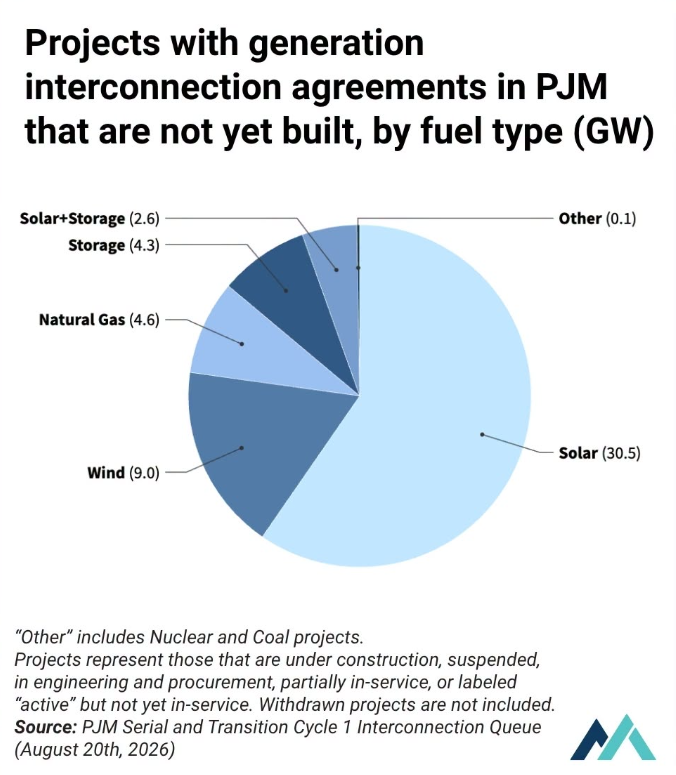
 As shown below, there are tons of large clean energy projects slated for construction in the PJM (midAtlantic) region.
Once the Republicans’ war on renewables comes to a close, things could get interesting.
They are both the results of the human need to make sense of the world around us and to unravel life’s great mysteries.
 The idea of a calm presentation of the news may have a certain surface-level appeal, and, at most points in history, that may have been completely appropriate.
But what about 1933 when Hitler was coming to power in Germany?
What about 2026 while Trump is destroying American democracy?
If you’re an American and you’re not infuriated, there is something profoundly defective in you.



-
Climate Change1 year ago
Guest post: Why China is still building new coal – and when it might stop
-

 Greenhouse Gases2 years ago
嘉宾来稿:满足中国增长的用电需求 光伏加储能“比新建煤电更实惠”
-
Greenhouse Gases1 year ago
Guest post: Why China is still building new coal – and when it might stop
-

 Climate Change2 years ago
嘉宾来稿:满足中国增长的用电需求 光伏加储能“比新建煤电更实惠”
-

 Renewable Energy11 months ago
Sending Progressive Philanthropist George Soros to Prison?
-
Climate Change2 years ago
Bill Discounting Climate Change in Florida’s Energy Policy Awaits DeSantis’ Approval
-
Greenhouse Gases1 year ago
嘉宾来稿:探究火山喷发如何影响气候预测
-

 Carbon Footprint2 years ago
US SEC’s Climate Disclosure Rules Spur Renewed Interest in Carbon Credits