


Wellington, situated in the heart of New Zealand, stands as a prime example of a sustainable haven. With its stunning natural landscapes, progressive policies, and community-driven initiatives, the city has established itself as a leader in sustainable living and environmental stewardship.
Wellington’s commitment to sustainable transportation is evident through its efficient public transit system and promotion of active modes of travel. The city encourages residents to walk, cycle, and use public transport through well-designed pedestrian infrastructure, dedicated cycling lanes, and an extensive network of buses. By prioritizing sustainable transportation options, Wellington reduces congestion, lowers carbon emissions, and fosters a healthier and more connected community.
Renewable energy plays a pivotal role in Wellington’s sustainability efforts. The city embraces a clean energy future by harnessing its abundant wind resources. Wind turbines strategically positioned throughout the region generate a significant portion of the city’s electricity, minimizing reliance on fossil fuels and mitigating climate change impacts. Wellington’s commitment to renewable energy sets an inspiring example for other cities striving to achieve sustainable energy solutions.
Wellington is also renowned for its environmental conservation and preservation initiatives. The city boasts numerous parks, reserves, and green spaces that provide havens for native flora and fauna. Zealandia, an internationally acclaimed wildlife sanctuary, showcases Wellington’s dedication to protecting biodiversity and restoring native habitats. Through conservation programs and community engagement, Wellington ensures the preservation of its unique natural environment for future generations.
Waste management and recycling are high priorities in Wellington’s sustainability agenda. The city has implemented comprehensive recycling programs, encouraging residents and businesses to minimize waste generation, recycle, and adopt sustainable waste practices. Wellington actively promotes composting, reducing organic waste sent to landfills and creating nutrient-rich soil for community gardens and urban agriculture projects.
Furthermore, Wellington’s sustainable ethos extends to its urban planning and design. The city embraces principles of compact, mixed-use development that prioritize walkability, access to amenities, and the preservation of green spaces. By fostering vibrant neighborhoods and reducing urban sprawl, Wellington promotes social cohesion, enhances quality of life, and reduces the ecological footprint associated with urban expansion.
Wellington’s remarkable sustainability achievements are a testament to the collaborative efforts of its residents, businesses, and local government. The city’s forward-thinking approach, combined with its strong sense of community engagement, has created a thriving and resilient urban environment. Wellington serves as a shining example for cities worldwide, demonstrating that sustainability can be achieved through a holistic and inclusive approach, while preserving the natural beauty that makes it a true haven in the heart of New Zealand.
Outlook Wellington: A Sustainable Haven
Public Transportation and Active Mobility
Wellington, the capital city of New Zealand, has embraced sustainable transportation options to reduce congestion and carbon emissions. The city boasts an extensive public transportation network, including buses and trains, which provide convenient and eco-friendly alternatives to private cars. Wellington also encourages active mobility by promoting cycling and walking infrastructure. The city’s commitment to pedestrian-friendly streets, dedicated cycling lanes, and bike-sharing programs has made it easier for residents and visitors to choose sustainable modes of transportation.
Renewable Energy and Energy Efficiency
Wellington is committed to transitioning to renewable energy sources and reducing energy consumption. The city has made significant investments in wind energy, harnessing the strong winds of its coastal location. The iconic wind turbines on the Miramar Peninsula symbolize Wellington’s commitment to clean energy. Additionally, the city promotes energy efficiency measures in buildings, including green building certifications and incentives for energy-saving initiatives. By prioritizing renewable energy and energy efficiency, Wellington is taking significant steps towards a greener and more sustainable future.
Natural Environment Preservation
Wellington is renowned for its breathtaking natural environment, and the city is dedicated to preserving its ecological treasures. The Zealandia wildlife sanctuary, located within Wellington’s city limits, serves as a haven for native plants and animals, including endangered species. The city actively supports conservation efforts, including pest control programs and native tree planting initiatives. Wellington’s commitment to protecting its natural environment ensures the preservation of biodiversity and enhances the city’s resilience in the face of climate change.
Waste Management and Recycling
Wellington places a strong emphasis on waste management and recycling. The city has implemented comprehensive recycling programs, including curbside collection for different types of recyclables and organic waste. Wellington residents are encouraged to sort their waste and participate in recycling initiatives. The city also promotes waste reduction and resource recovery through education campaigns and community initiatives. By prioritizing waste management and recycling, Wellington is minimizing landfill waste and promoting a circular economy.
Sustainable Urban Design and Architecture
Wellington’s urban design and architecture incorporate sustainability principles. The city promotes green building practices, including energy-efficient designs, use of sustainable materials, and integration of green spaces. Wellington’s urban planning also focuses on creating walkable neighborhoods, mixed land-use developments, and vibrant public spaces. The city’s commitment to sustainable urban design enhances the livability and resilience of its communities.
Climate Change Adaptation and Resilience
Wellington recognizes the need to address the impacts of climate change and is taking proactive measures to enhance its resilience. The city has developed strategies to manage sea-level rise, including coastal protection measures and stormwater management systems. Wellington also actively engages with the community to raise awareness about climate change and encourage sustainable practices. By prioritizing climate change adaptation and resilience, Wellington is safeguarding its future and ensuring the well-being of its residents.
Conclusion Wellington: A Sustainable Haven
Wellington stands as a shining example of a sustainable city in New Zealand, showcasing a holistic approach to transportation, renewable energy, environmental preservation, waste management, urban design, and climate resilience.
The city’s commitment to sustainability has created a vibrant and livable urban environment while minimizing its environmental impact. As other cities face similar challenges, Wellington’s sustainable practices provide valuable inspiration and lessons for creating resilient and eco-friendly urban communities.
https://www.exaputra.com/2023/06/wellington-sustainable-haven-in-heart.html

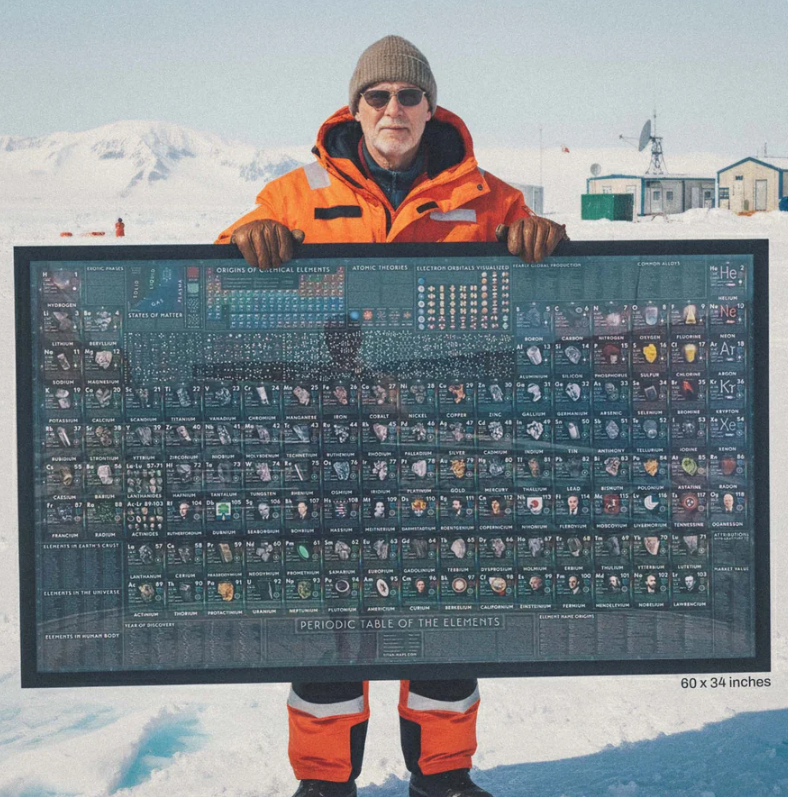
 In their ad, the folks offering “The Most Complete Periodic Table Ever” claim that, if your kid is struggling with chemistry, she can improve with this product, which is essentially tons of useless information.
Who discovered molybdenum? In what year? What is its market value?
We are a society in which our facility with science is now in free-fall. If you think that blunting whatever may remain of your child’s natural curiosity with crap like this a good idea, here’s where to shop.
 Poor and working-class Americans are struggling with the current economy.
The MAGA base must be going insane. Trump’s telling them that the economy is great while they’re paying $6/gallon of gas and $12.99 for a pound of hamburger.
Re: what comedian Bill Maher says at left: bullcrap.
The “left” would like to see the United States a) evolve into a social democracy like the countries in Northern Europe, and b) expel its authoritarian president.
Not much new here, and certainly, nothing “goofy.”

-
Climate Change8 months ago
Guest post: Why China is still building new coal – and when it might stop
-
Greenhouse Gases8 months ago
Guest post: Why China is still building new coal – and when it might stop
-

 Greenhouse Gases2 years ago
嘉宾来稿:满足中国增长的用电需求 光伏加储能“比新建煤电更实惠”
-
Climate Change2 years ago
Bill Discounting Climate Change in Florida’s Energy Policy Awaits DeSantis’ Approval
-

 Climate Change2 years ago
嘉宾来稿:满足中国增长的用电需求 光伏加储能“比新建煤电更实惠”
-
Climate Change Videos2 years ago
The toxic gas flares fuelling Nigeria’s climate change – BBC News
-

 Renewable Energy6 months ago
Sending Progressive Philanthropist George Soros to Prison?
-

 Carbon Footprint2 years ago
US SEC’s Climate Disclosure Rules Spur Renewed Interest in Carbon Credits