


Vienna, A Sustainable City of Culture
Vienna, the capital of Austria, stands as a shining example of a sustainable city that seamlessly blends culture, innovation, and environmental consciousness.
With its rich history, vibrant arts scene, and progressive sustainability initiatives, Vienna has positioned itself as a global leader in sustainable urban development.
Vienna’s commitment to sustainable transportation is evident in its efficient public transit system and promotion of active mobility.
The city boasts an extensive network of trams, buses, and metros that provide convenient and environmentally friendly transportation options for residents and visitors. Vienna’s well-designed cycling infrastructure, including bike lanes and bike-sharing programs, encourages cycling as a sustainable mode of transportation, reducing congestion and improving air quality.
Renewable energy plays a significant role in Vienna’s sustainable energy transition. The city actively supports the use of solar power through incentives and subsidies, leading to a significant increase in the number of solar installations on rooftops. Vienna also utilizes innovative technologies, such as geothermal energy, to reduce its reliance on fossil fuels and lower carbon emissions.
Vienna’s architectural landscape reflects a harmonious blend of tradition and innovative sustainable design. The city promotes energy-efficient building practices, including passive house standards, green roofs, and sustainable materials. Vienna’s commitment to sustainable architecture extends to the preservation and renovation of historic buildings, combining cultural heritage with sustainable living.
Waste management and recycling are key components of Vienna’s sustainability efforts. The city has implemented comprehensive waste separation programs, ensuring that recyclable materials are properly sorted and processed. Vienna actively promotes composting and supports initiatives to reduce food waste. Furthermore, the city encourages a circular economy approach, minimizing waste generation and maximizing resource efficiency.
Vienna’s green spaces, including its famous parks and gardens, contribute to the city’s sustainability and enhance the quality of life for its residents. These green areas provide recreational spaces, promote biodiversity, and improve air quality. Vienna’s commitment to preserving and expanding its green spaces reflects its dedication to creating a sustainable and livable environment for its citizens.
Vienna’s vibrant cultural scene and innovation-driven economy contribute to its sustainable development. The city supports creative industries and fosters a culture of innovation, promoting sustainable entrepreneurship and technological advancements. Vienna’s cultural heritage and innovative spirit go hand in hand, creating a thriving environment where sustainability and creativity flourish.
Community involvement and social cohesion are at the heart of Vienna’s sustainability efforts. The city actively engages residents through educational programs, participatory initiatives, and sustainability campaigns. Vienna’s strong sense of community and shared responsibility plays a crucial role in driving sustainable practices and fostering a sense of ownership over the city’s environmental future.
Vienna’s success as a sustainable city of culture and innovation serves as an inspiration for cities worldwide. Through its sustainable transportation, renewable energy adoption, architectural practices, waste management, and community engagement, Vienna demonstrates that a city can embrace culture, innovation, and sustainability in harmony. As cities strive to create a more sustainable future, they can draw valuable lessons from Vienna’s holistic approach, creating vibrant and environmentally conscious urban environments for generations to come.
Public Transportation and Active Mobility in Vienna
Vienna, the capital city of Austria, has established itself as a leader in sustainable transportation and active mobility. The city boasts an extensive and efficient public transportation system, including trams, buses, and an extensive metro network.
Vienna’s commitment to public transportation has resulted in high usage rates, reducing traffic congestion and carbon emissions. The city also encourages active mobility by promoting cycling infrastructure, pedestrian-friendly streets, and bike-sharing programs.
Vienna’s comprehensive network of cycling lanes and paths encourages residents and visitors to choose eco-friendly modes of transportation, contributing to a greener and healthier urban environment.
Renewable Energy and Energy Efficiency in Vienna
Vienna is dedicated to the use of renewable energy sources and energy efficiency measures to reduce its carbon footprint. The city has invested in renewable energy projects, including solar panels on public buildings, wind turbines, and district heating systems powered by biomass and geothermal sources.
Vienna also promotes energy efficiency through initiatives such as energy-saving building standards, smart grid technologies, and public awareness campaigns. By prioritizing renewable energy and energy efficiency, Vienna demonstrates its commitment to mitigating climate change and creating a sustainable energy future.
Green Spaces and Urban Biodiversity in Vienna
Vienna is renowned for its abundant green spaces, parks, and gardens, which enhance the quality of life for its residents and promote urban biodiversity.
The city’s numerous parks, such as the iconic Stadtpark and the expansive Prater, provide recreational areas, promote nature conservation, and improve air quality. Vienna actively engages in urban greening initiatives, including tree planting programs, rooftop gardens, and the preservation of green corridors.
The city’s commitment to green spaces and urban biodiversity creates a harmonious balance between nature and the built environment, fostering a sustainable and livable city.
Waste Management and Recycling Programs
Vienna has implemented effective waste management and recycling programs, aiming to minimize landfill waste and promote a circular economy.
The city prioritizes waste separation and provides residents with separate collection systems for various waste categories, including paper, plastic, glass, and organic waste. Vienna also encourages composting initiatives and promotes awareness of waste reduction and recycling through educational campaigns.
By embracing sustainable waste management practices, Vienna aims to minimize waste generation, conserve resources, and promote a more sustainable approach to consumption.
Sustainable Urban Planning and Architecture In Vienna
Vienna’s urban planning and architecture integrate sustainability principles to create a vibrant and environmentally friendly city. The city promotes compact urban development, reducing sprawl and preserving green spaces.
Vienna prioritizes energy-efficient building designs, with many structures meeting high green building standards. The city’s commitment to sustainable urban planning includes mixed-use developments, pedestrian zones, and the revitalization of historic buildings. Vienna’s emphasis on sustainable urban design ensures a livable and climate-friendly cityscape.
Culture of Innovation and Collaboration in Vienna
Vienna fosters a culture of innovation and collaboration to address sustainability challenges. The city actively engages with residents, businesses, and organizations to promote sustainable practices and initiatives.
Vienna hosts numerous events, conferences, and exhibitions that encourage dialogue and knowledge sharing on sustainability topics. The city also supports research and innovation projects, including collaborations with universities and research institutions. Vienna’s commitment to fostering innovation and collaboration contributes to its continuous growth as a sustainable and forward-thinking city.
Conclusion Vienna: A Sustainable City
Vienna stands as a remarkable example of a sustainable city, prioritizing public transportation, renewable energy, green spaces, waste management, sustainable urban planning, and fostering a culture of innovation.
The city’s commitment to sustainability has created a vibrant and livable urban environment while minimizing its environmental impact. As other cities face similar challenges, Vienna’s sustainable practices provide valuable inspiration and lessons for creating resilient and eco-friendly urban communities.
https://www.exaputra.com/2023/06/vienna-sustainable-city-of-culture-and.html


 Have you ever wondered why every dictator in human history follows the exact same playbook? Check this out
Plato nailed this 2400 years ago, and it’s been on “rinse/repeat” ever since.
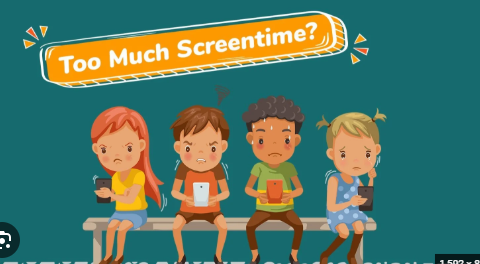 On average, I meet perhaps 50 K-12 teachers each year, and I often ask them: What is the biggest challenge you face that impacts your ability to connect with and educate your students?
Here’s a rough tabulation:
Screen time, how it robs kids of their ability to pay attention, impedes social interaction, and makes parenting more difficult: 80%
Everything else combined: 20%
Maybe this is a cynical viewpoint, but it seems like that world of today revolves around the mega-corporations profiting by punishing their customers.
In this case, we have the tech giants ruining the lives of our children. Elsewhere, we have healthcare industry driving people into bankruptcy, Big Oil ruining our planet, the gun lobby murdering our kids, and, of course, an ultra-corrupt government looting our treasury to pay off billionaire donors.
Note that this wasn’t the case when we boomers were growing up 60 years ago. This is a distinctive shift from the 1960s when corporate America was focused on things like color TVs and the Ford Mustang.
Renewable Energy
Is a Team of Is a Bunch of MAGA Thugs Beating the Snot Out of a Woman a New Low, or Is it What We Now Need to Expect?
 Just when we think there is a bottom, the United States sinks just a bit lower. It’s our brand nowadays.
That’s quite a left cross this thug delivered to this helpless female protestor.
It wasn’t too long ago that beating up women was taboo in America. My 11-year-old, sixth-grade son saw a male classmate of his badly bruise a girl by pushing her hard down to the ground–and proceeded to punch him in the mouth. A fellow father witnessed the scene and told me, “Your son’s fist was in that kid’s teeth within a fraction of a second.”
I had brought him up to avoid violence and achieve peaceful resolutions to conflicts, but I couldn’t fault him here.
What a disgusting bunch of turds we’ve become.

Greenpeace delivers 47 metre-long petition with half a million signatures to Woodside HQ following major gas protest

Dictators
Greenpeace Australia Pacific activists in police custody after two-day protest against Woodside’s Browse gas project at Scott Reef
-
Climate Change1 year ago
Guest post: Why China is still building new coal – and when it might stop
-

 Greenhouse Gases2 years ago
嘉宾来稿:满足中国增长的用电需求 光伏加储能“比新建煤电更实惠”
-
Greenhouse Gases1 year ago
Guest post: Why China is still building new coal – and when it might stop
-

 Climate Change2 years ago
嘉宾来稿:满足中国增长的用电需求 光伏加储能“比新建煤电更实惠”
-

 Renewable Energy12 months ago
Sending Progressive Philanthropist George Soros to Prison?
-
Climate Change2 years ago
Bill Discounting Climate Change in Florida’s Energy Policy Awaits DeSantis’ Approval
-
Greenhouse Gases1 year ago
嘉宾来稿:探究火山喷发如何影响气候预测
-

 Climate Change2 years ago
Analysis: China’s CO2 falls 1% in Q2 2024 in first quarterly drop since Covid-19