

Weather Guard Lightning Tech

US Pushes LNG, Denmark Offshore Permits
This week we discuss the Danish government’s permit extensions for two offshore wind farms, the U.S. Senate’s new renewable energy bill, the Belgian government’s halted wind farm tender, and the complexities of laying seabed cables for wind farms.
Sign up now for Uptime Tech News, our weekly email update on all things wind technology. This episode is sponsored by Weather Guard Lightning Tech. Learn more about Weather Guard’s StrikeTape Wind Turbine LPS retrofit. Follow the show on Facebook, YouTube, Twitter, Linkedin and visit Weather Guard on the web. And subscribe to Rosemary Barnes’ YouTube channel here. Have a question we can answer on the show? Email us!
You are listening to the Uptime Wind Energy Podcast brought to you by build turbines.com. Learn, train, and be a part of the Clean Energy Revolution. Visit build turbines.com today. Now here’s your hosts, Alan Hall, Joel Saxon, Phil Totaro, and Rosemary Barnes.
Allen Hall 2025: Well welcome back to Uptime Wind Energy Podcast.
I have Rosemary Barnes down in Canberra Australia. Phil’s in California, and evidently he lives next door to Prince Harry and Meghan Markle and I, I had no idea, Phil, like you’re that close to royalty.
Phil Totaro: I’m not. You’re
Allen Hall 2025: making that up. Joel’s up in Wisconsin somewhere in the northern wilds of Wisconsin. Next to a cheese factory, and here I sit in Charlotte, North Carolina.
If we’ve been paying attention or if you’ve been paying attention to the news over the last, uh, 48 hours in America has been complete chaos as we are recording this and the US Senate has [00:01:00] passed a bill regarding renewable energy and it’s back to the house. Supposedly this is all gonna get signed off by the 4th of July.
So we’re recording it. Today is July 2nd. Um. So by the time you hear this, something may or may not have happened, and we’re trying to keep abreast of the latest, but I think there’s some other news going on around the world. And, uh, one of the stories we found interesting was the Danish Offshore, uh, agency Energy Agency has approved permit extensions for two of Denmark’s oldest offshore wind farms, which marks a major milestone for.
Wind energy longevity. The middle Gruden and Newstead offshore wind farms have received permission to operate for an additional 25 years and 10 years respectively. That is massive extension. Uh, the middle Gruden facility, which is built in 2001, has about 20 turbines and about 40 megawatts of capacity, and it’s owned by a community cooperative.
[00:02:00] And the Danes being on top of all these things, uh, allowed the extension after doing an engineering analysis showing that the infrastructure has more life. This is unusual. Is this just a artifact of early designs being overly conservative? And these wind farms can practically live forever? I think so. I, uh,
Joel Saxum: I like it.
Alright. I wish that all these wind turbines are built this way because it’s then you can get more longevity of, I think now of course when everybody has a repower now or tries to extend life, they’re trying to really do it. So they’re trying to, if we’re gonna put money, we’ll try to, you know, up the kilowatt, we’ll try to up the capacity, well then the foundations don’t hold and these kind of things.
So it’s kind of like if you look at, um. I’m up here in northern Wisconsin, not too far from my house. There’s a bridge that was built by the CCC, uh, the civilian Conservation Corps in like the, um, at the Great Depression. So like in the 1930s, late, [00:03:00] late 1920s. And that bridge is fine. Like it’s golden. It’s still good, right?
But it was overbuilt, super built to be heavy duty construction. And there’s another bridge just down the road from that same one over the same river that was done in the seventies that needs a complete replacement. Because it was done, it was done with like, you know, di different design functions, not as robust.
And, and it’s kind of like, oh, some of this first generation of older stuff is overbuilt, is toughly built. It’s the same thing. We talk about shorter blades, like a, you know, a V 47 or a GE one X, like those blades just last and, but you don’t see it as much anymore. So I, I, I’m happy to see this. I think it’s cool, uh, to see these things getting basically refurbished and.
Gonna have a life extension.
Allen Hall 2025: I don’t even know what the refurbishment process or the extension process looks like. Rosemary on something that is that old that’s made out of fiberglass and resin. How do you even evaluate something like that?
Rosemary Barnes: Well, what they [00:04:00] do is they, um, if, if you wanna do it properly, then you go back to the original, um, blade design files, um, and you basically, you rerun it, you can, and so you get a different result for two reasons.
Or two possible reasons. One could be that it didn’t see as hard of a life as what they designed for. So, um, you know, you can rerun with the actual loads that it saw if you have those available. And then the second thing is that, you know, these wind farms came on around the turn of the millennium, right?
Um, and so we’ve learned a lot, especially about, um, um, like how strong materials actually are. There are still gonna be some, some, you know, defects in some blades. That will see them fail before others. So you, you know, the blades are getting older. I would expect they will see more, more failures, but, um, there’s a lot better ways that you can monitor that sort of thing.
Now, you don’t just have to wait for a, a blade to break in half and fly off. Um, anymore. You can, uh, you know, install monitoring [00:05:00] stuff and, uh. Inspect them more frequently. You know, drone inspections are so much faster than, uh, if you would’ve had to get up on ropes and have a look at every, you know, square centimeter of blade surface.
So I think that there’s just, you know, that so many technologies have come so far since these, um, blades were designed, that there is a lot of scope to keep them going, if that makes sense. You know, a lot of times a turbine that was installed 25 years ago is gonna be tiny compared to today. So a lot of times people might not want to, um, they might wanna.
You put in new, new, bigger turbines instead.
Joel Saxum: Do you see, because, okay, so we talked about blades here for a second, right? But we have all kinds of rotating mechanical equipment, foundations, bolting all this. Do you see in my mind, in my mind, for something this old and wanting to extend that one, I see a massive NDT campaign.
I see checking bond lines on blades, looking at some metallurgical things, looking at some connection points offshore, looking at the foundations. I mean, of course you’re gonna do some seabed stuff, but that’s usually done in maintenance too. That’s a weird one there, because. [00:06:00] When you talk about maintenance, inspection, repair, and maintenance campaigns for offshore wind farms, there’s things that you don’t do onshore that you do complete offshore regularly, like scour inspections and some of the characterization site surveys, that stuff goes on regularly.
So that’s not something that you need to, oh, we gotta take this big campaign on. Should have regular every year bi-yearly data on that. So that’s cool, but I would see a big NNDT campaign in my mind. Um. I dunno. Maybe that’s Jeremy Hanks question.
Allen Hall 2025: Well, is this useful data that would help the industry just to know how these are performing?
Rosemary Barnes: I think it would be quite specific to the individual components. ’cause you, you know, if the wind farm had an initial life of what, 25 years, um, everything would’ve been designed to last 25 years. You don’t like, good engineering isn’t just making something as strong as you can because it’s gonna be much more expensive than it needed to be.
And what’s the point in having a. I don’t know, a tower that lasts for a a thousand years, but the blades only last for 30 years. There’s no, there’s no [00:07:00] point. Right. So, um, it would just be a matter of how, how excessively conservative the designers were in each case. It won’t be exactly the same for all of them.
I’m sure they’ll be exchanging many components probably. Um. Some components will just be preemptively, like we know that most of these are gonna fail, so we’re gonna do a site-wide, um, campaign to replace, you know, all these bearings or all these, you know, whatever component and then some other ones. It would be a matter of yeah, like waiting and seeing when they fail.
And I think that you’re right, Joel, that I. There’s so many good NDT technologies around now. Um, and, you know, predictive maintenance can, there’s a lot of sensors you can put in that will give you an early warning sign that things, you know, bearings don’t have a lot of life left in them or, or something like that.
And so then you can get really smart about your campaigns to, you know, keep it going.
Allen Hall 2025: Don’t let blade damage catch you off guard. eLog Ping sensors detect issues before they become expensive. Time consuming [00:08:00] problems from ice buildup and lightning strikes to pitch misalignment in internal blade cracks.
OG Ping has you covered The cutting edge sensors are easy to install, giving you the power to stop damage before it’s too late. Visit eLog ping.com and take control of your turbine’s health today. Belgium’s Federal government has unexpectedly halted the long plan tender for the Princess Elizabeth Offshore wind zone.
Just two months before bids were scheduled and the two gigawatt auction was set to launch in November, 2025. After four years of prep work and industry groups are calling the decision a violation of the coalition agreements and warn. It undermines investment certainty in Belgian offshore wind development.
Now, the, the Belgian government is saying that there’s a concern about the onshore grid readiness, uh, although there’s some dispute about that and that all they needed to do was wait a couple of months and it would’ve been fine. [00:09:00] What I’m wondering is there’s a lot of, uh, cancel projects happening. Over in Europe and the UK and this Belgium one, which has been going on for quite a while and has been sort of a point of pride for the last couple of years, all of a sudden seems to be on hold.
What is driving that?
Phil Totaro: Well, it’s, I mean, my, my best understanding of this is that they, there’s kind of a discussion as to what the function of these energy islands is gonna be and how much they’re really needing to invest in it. How much, uh. Are these going to be capable of serving as both service hubs and um, HVDC, uh, kind of collection points.
So there’s a camp in Europe that wants to do a significant amount to build out near term, uh, to be able to, you know, have the [00:10:00] capacity that we all talk about, both onshore and offshore. You know, if we have more transmission capacity, then we can add more. Um. You know, renewable energy, power generation, capacity whenever we want, uh, and, and need it to be able to meet demand.
Um, but they’re, I think, concerned at this point because of, you know, persistent high interest rates and inflation and things like that, which, you know, are gonna basically explode the project budget. So they wanna try to break it up into smaller phases that can be built in a more economically feasible way.
Allen Hall 2025: If the European Union has fines for not meeting commitments, they would get fined if they don’t. Get this project moving
Phil Totaro: theoretically, although that’s also always just a kind of an open thing. They, they can, you know, the, the current law says we’re gonna fine you, but if everyone kind of mutually agrees to forego the fine, then it’s just [00:11:00] kicking the can down the road.
Allen Hall 2025: Did you all see the wind Europe, uh, video today discussing the 20 30, 20 40, 20 50, uh, reaching. Essentially zero emissions are going back to 1990 emissions. And what is all involved with that? We’re mostly talking about heavy industry that is going to use a lot of electricity, it’s gonna switch off of gas, move to electricity, and it’s gonna take a little while to do that.
But it didn’t seem like there was any hesitation, at least from wind Europe, that it wasn’t going to happen. Obviously they’re a advocate for wind energy, uh, but it did. Seem in contrast to what we’ve been hearing in the United States. So it does seem like things are happening, at least at the top level politically in Europe, whereas in the United States, there seem to be somewhat on hold.
Why? I don’t think that’s an energy thing. I think
Joel Saxum: it’s a cultural
Allen Hall 2025: thing.
Joel Saxum: And if you look, if you look into [00:12:00] the E EU in general, they have more of a propensity to do things that are better for the whole and the group. Whereas in the US it’s more. Capitalism based, how can we make as much money as we can?
And capitalism based right now, natural gas is still cheap. If you can get a plant, if you can get electricity that way, you can get it. Whereas the EU will take more of a stance of doing things better for the long run. That’s my take on it.
Phil Totaro: They’ve been, you know, for the last three years, trying to put policies and mechanisms in place to be able to.
Have more domestic generation, um, for electricity and energy in general. Um, so, uh, this is part of why they’re trying to, um, you know, all motivate themselves collectively to move forward. But you’ve still got. Debates in some of the EU member countries like Germany right now with their offshore policy making, uh, France with onshore wind is still having an ongoing debate that’s holding up about $350 billion [00:13:00] worth of investment.
Uh, so. You know, it’s everybody’s moving as quickly as they can, but I think what’s also happening is everybody’s starting to recognize that, you know, if companies like RWE are pulling out of investing in the US at the moment, I. There’s money to be had and, you know, RW eor, um, you know, other companies that had originally intended to go build, you know, particularly offshore, but also some onshore and solar, uh, in the us if, if some of that money’s gonna be freed up, they wanna be able to capture it.
Allen Hall 2025: In the latest issue of PES Wind, which you can find online, just search for PES Wind using your Google engine. Uh, there’s a number of great articles and you, you need to go there and you need to download. This quarter’s, uh, magazine and, and Joel, there’s a, a really interesting article from, uh, go Be consultants about Seabeds and the cabling that happens on the seabeds and [00:14:00] all the difficulty of putting cables on the sea floor.
You always think I do as an electrical engineer. I’m like, it’s a cable. Just drop it on the sea floor and maybe put a couple of rocks on it to keep it from floating away. And you should be good. But it’s
Joel Saxum: a lot more difficult than that. There’s multiple phases of it too, right? So you have to do complete CED site characterization.
So you have to understand what the surface layout is. But then, okay, that surface layout, what is it composed of? Because some of this cable’s gonna sink into the silt, into the mud. Is there rocks down there? Is there rocks underneath the silt that when you lay it down, it could, could cut it? Is there currents where it’s gonna move it around?
Is that a problem? When people think, ah, it’s cable, they’ll just lay it on the sea floor. It’s not. It’s not simple. Um, and you with, I’m just, we’re just talking about site characterization. We haven’t talked about the actual operation of laying it or even loading it onshore and loading it offshore, because even at that level, a lot of damage to cables happens just during the manufacturing and loadout process.
Because it is so [00:15:00] difficult, uh, specialized vessels, specialized technicians, and people doing it, you pull on it too hard, it breaks, you push on it too hard, it breaks, you let it bend too much. It’s junk. It’s very, very, very difficult to lay cables correctly. And if you remember Alan, I think it was man, 2021, there was a, like a $1 billion, like a nine figure.
Insurance case about cable lay in the North Sea on the big wind farm.
Allen Hall 2025: Well, the article does say that 75% of cable problems are manmade phishing. Anchors and as we had seen was, was it late last year, a couple of anchor drops where their anchors were drug on purpose. There’s gonna be a lot more concern about that now and how those, uh, power cables are covered or buried.
I, I guess pretty much, uh, wasn’t the EU pushing to bury all the cables, particularly around the uk?
Joel Saxum: Yeah, there’s, there’s, I mean, there’s. It’s difficult in the UK too because there’s trenching [00:16:00] machines, right? So you have trenching machines that can trench things really easily into silt mud and that on those kind of loose sediments.
However, if you’ve ever been in some of these landing spots, like say like the Scottish Coast, like it’s all rock, right? So now you have a landing problem. You know, so you can, you can bury, you can cover with concrete mattresses, you can do rock bags, you can do all kinds of great stuff. You can also bury it a couple meters down with a trenching machine.
But then there’s the approaches and the, the current offshore that will unbury them and things. It’s very difficult to get it correct.
Allen Hall 2025: Yeah, it it, you need to go check out this article, but it, it lays out all the issues with protecting cables and you can see this and PES win to just go on to Google and look up ps win.com and read the article.
Very good and, and nice job by Goby by the way, uh, I didn’t know some of the things I’ve, I’ve learned a lot from Joel over the last year or two as he explains this to me very slowly. But this article was full of great details. As Wind Energy professionals staying informed is crucial, [00:17:00] and let’s face it difficult.
That’s why the Uptime podcast recommends PES Wind Magazine. PES Wind offers a diverse range of in-depth articles and expert insights that dive into the most pressing issues facing our energy future. Whether you’re an industry veteran or new to wind, PES Wind has the high quality content you need. Don’t miss out.
Visit PS wind.com today. So as we discussed at the beginning of the show, the US Senate has introduced legislation that could provide some, uh, support to the wind industry. So when the latest. Big Bill, what are we calling it? Joel? Big beautiful Bill. Uh, there’s a new provision which basically says if you get roughly 5% of the project cost, uh, started with in the ground or done some work, then the project qualifies for production tax credits that will create, I think, a demand for turbines to be delivered [00:18:00] soon.
And, uh, the, the folks at Sid Bank put out an article, it was late last week or over the weekend that basically said, Hey, Vestus may get a lot of orders from this, uh, because they, they’ll have a lot of demand to get projects in the ground in the United States. Does that make sense? You think Vestas is gonna be the big winner there?
Well, Sid Bank is a vest, is a Danish
Joel Saxum: bank, so that makes, that makes sense. But they have the pulse, they’re there. I I, I don’t know if Vestas is a big winner. I think that there’s gonna be, if this is by 2027, you gotta have a certain amount of thing done. No matter what part of the value chain that you show in the United States for new, new development construction, you’re gonna be busy.
Till 2027 if this, if this thing passes everything the way it should, because simply it’s, it’s like the old oil and gas leases where, uh, if we’re doing work, we still get to extend the lease. So they go, come and park a dozer on your property and all of a sudden your lease gets extended. Definitely. It’s the same concept, right?
If you go out there and you gotta, [00:19:00] if it’s gonna spend 5% of the project, well, let’s go build roads and pads, um, and, you know, deliver a turbine or two. And now we’ve paid for 5% and now that stuff may. Sit there for a little while, while they catch back up. And I think that you’re gonna have an accelerated timeline of things getting done here in the next few years.
Uh, if this passes in its current form, um, I, I would expect the house to change some of these things, but. I’m not a part of the House of Representatives, so,
Allen Hall 2025: well, they’re gonna have to come to agreement pretty quick. And I’m curious as to where this all ends up. I listening to all the discussions over the weekend and reading a number of articles and trying to figure out like, what’s this deal?
Just broaden the scope here for a moment. What’s the deal with all the tariff talks? What’s the deal with all the l and g petroleum push in America? What is happening with the national debt, which is a big discussion in the United States at the [00:20:00] minute, and the Federal deficit, which is what, 34 $5 trillion, where the GDP of the US is about 27 20 $8 trillion.
So the, the debt’s bigger than the national GDP. There does seem to be be a play going on in, I was listening to a podcast this morning from oil and gas. I tried to keep track of these things and they were just really upset with what happened in the Senate. Oh my gosh. We haven’t penalized solar and wind enough.
We need to put more taxation on them to, and it was crazy. It sounded crazy. The oil and gas folks that are pro oil and gas, yeah, they’re gonna do what they’re gonna do. But it does seem like there is a maybe some method to this madness in terms of. What is the United States trying to accomplish here with all the oil and gas talk?
Because it does seem like the tariff talks turn into why are you not buying American LNG? [00:21:00] That’s where it seems to be headed. Do you see that quite often, like the national debt and is the the way to get the economy rolling where there’s more revenue coming into the federal government is to just pump, pump, pump.
This is the Joel. This is also the discussion about Alaska opening up all the. Uh, oil and gas exploration in Alaska, all of a sudden you have to have a customer for this product. And how are they gonna do that? Unless they’re gonna force it through tariff. The tariff talks and all the economic exchanges are gonna happen over the next, supposedly the next couple of weeks.
Joel Saxum: There’s a lot of, like, there’s some facts and numbers here too. Like, uh, the last one I saw was since we started putting. Heavier tariffs, uh, on trading partners. That $121 billion in tariff revenues rolled into the states in the last two, four months. So that’s, that’s, that’s one number. Um, the gas thing is the idea that we can turn it on right now and we can make money on it.
Right [00:22:00] now, I understand that, uh, there’s a big project in Alaska being pitched to get LNG off the North slope because right now only crude pumps off the North Slope. Um, so there’s a big LNG project in the works to get to build a new basically taps line, which is like a, it’ll be a $10 billion project to build a pipeline again across Alaska these days.
Um, and, but another thing that I think that people don’t realize, and this is the, the I’m, you know, I’m an ex oil and gas cot. I still play in that world every once in a while, but when, when people start to fight about the. The tariffs back and forth. We haven’t penalized this and the subsidies and these kind of things.
It’s really quite silly to me because what we really need right now is an all of the above energy strategy. We need as much as, as much as we can that’ll help us fuel the ai, AI, arms, race, data center race, all of these things. We need power and, and when you talk subsidies and people get mad about PTC credits or the IRA credits, they fail to realize sometimes, and I’m not saying they as a person, just people in general [00:23:00] like.
Drilling for oil and gas has been subsidized in the United States since 1913, right? The, the intangible drilling costs deduction for drilling companies. Like we’ve been doing this same thing. That’s the, that is the equivalent of an ITC credit. You’re gonna investment, you’re gonna, you’re gonna, you’re gonna invest to get power, or you’re gonna invest to get hydrocarbons.
We’re gonna give you a tax break on it. Same thing. Um, so these, you know, you’ve had clean coal tax credits for the last 20 years. We, these things are. Out there, right? Modified accelerated cost recovery systems, the macros tax, that’s been since 1986. And that’s for any advanced gas play like, uh, that actually subsidizes fracking.
So these, the, the, the idea that you have different parts of the, basically energy supply chain attacking each other is. It’s silly to me.
Allen Hall 2025: I think it goes beyond that too, Joel, because the US uh, trade talks with the UK and with Australia, it sounds like, uh, the [00:24:00] US administration is telling, uh, countries that could be LNG offtake.
I. Countries to stop building wind. Why are you building wind? Have you, have you seen those articles, Joel? Like why is the US telling the uk, why are you building wind? You should stop building wind. Well, the reason you would want them to stop building wind is so they can buy l and g. That’s why you would do that.
So they become dependent. Dependent on us. Exactly. So you can sell this product because otherwise you don’t have a marketplace for it. So if. If the goal is to raise cash United States relatively quickly by pumping LNG and oil and whatever else, something you can export, that’s why you’d have to do it.
And you need to bring more money into the country than goes out Selling petroleum is a way to do that. You have to cut off all the renewables. You can’t have Australia run on solar if you wanna sell ‘
Joel Saxum: em some l and g. It’s a power play, right? Because I’ll take some words from my, my buddy Kevin Doffing over at Project Vanguard.
Energy Independence is national security, [00:25:00] right? So if we, if we start talking to the UK, to Australia and say, oh, don’t do wind, just buy gas from us. Well, if they did that, then they become dependent on us for their energy needs and therefore their national security needs. I, if I was there, my BI was there, I’d say, get outta my office.
I don’t wanna talk to
Allen Hall 2025: you. That’s the higher level discussion, which I don’t hear in the press at all. I mean, ’cause they’re not thinking at that level. They’re all arguing about what Elon Musk says, and we’re missing the bigger picture that I think the United States is really pushing LNG really pushing petroleum to try to bring more revenue to the United States to help the economy in the United States.
And it’s a quick bandage on what’s been happening over the last 15, 20 years. That’s where it’s headed and that all the trade discussions that are happening seem to be revolving around oil. ’cause that’s the fastest way you’re gonna be able to generate revenue from the United States perspective. Because you can turn it on like that.
You can turn it on. Right. So the drill, baby drill mantra, that’s been. [00:26:00]talked about for the last really two years, it’s gonna come into action. But the problem with that approach is that China’s gonna build more solar panels. China’s gonna build more wind turbines. The Europeans are gonna build more wind turbines, and they’re gonna use a lot more solar panels, and there may not be a market for that petroleum product.
So the administration of the United States has to, has to cut that off.
Joel Saxum: I’m going down a rabbit hole here. Spin up the US petroleum production capabilities, which you, we already have. We can do, we got drill, drill and rigs sitting by it’s turn taps on. Like you can make it move, but you’re gonna make it move based on price.
What is the thing that makes the price? What is the thing that makes the price go up if, if people aren’t buying or if
Allen Hall 2025: even if they are, I think what’s we’re gonna find out over the next probably six weeks, I think what’s gonna happen in some of these trade negotiations that that’s gonna be a pivotable element.
Of the discussions is gonna be the purchase of petroleum from the United [00:27:00] States. That’s why I think a lot of these negotiations have been so drawn out because the thing that a, that the administration wants to sell today is a product that Australia and a lot of countries don’t need, but they’re still going to buy some of it.
I, I guarantee you, Australia can get cheaper l and g from Qatar than they can can gain from us. Exactly. Isn’t that how you’re going to tell if that is the American play? If a country like Australia who should not be buying LNG from the United States starts buying LNG from the United States, that I think is the instantaneous tell that that is where the US is trying to go to help offset all the deficit and everything else that’s going on.
I don’t. I’m not in agreement with the plague, as I think that’s a play you could have made in 1980. I don’t think you can do it in 2025. I think it’s gonna be a much [00:28:00] harder to do because countries are more electrically independent than ever before.
Rosemary Barnes: Yeah. I mean, this, Australia’s got similar decisions to make and I’ve been beating my head against the wall for 20 years.
I’m like, you can’t just force the rest of the world to keep on buying our coal, that the energy transition is happening, or at least it will happen or not based on. Things that are well beyond our control. So, you know, for us to dig our heels in and be like, no, coal’s amazing forever. Like, that’s great. If you’re only using your own coal, you can make that decision.
But when most of the value of Australian coal is by, you know, comes from selling it, uh, to other countries, that’s, you know, they, we can’t force them to keep on buying it. Um, I think Australia is, uh, may maybe does understand that now. Um, I, I don’t see as much, um. Yeah, burying the head in the sand kind of business as usual is even a possibility.
I don’t see that so much anymore, but yeah, I do feel like this latest, um, yeah, play from the US is [00:29:00] maybe a bit like, like you said, from the, it’s from the 1980s. It’s,
Allen Hall 2025: it’s part of is happening, which it helps explain it. I think the problem I, I have is no one’s explaining what’s happening. So when you see these moves, you’re like, why?
Why are we talking to the UK about l and g? Why are we talking to other countries about l and g? Why are we telling them not to put wind in? Why are we trying to crush wind in the United States? Why are the oil and gas folks in the United States so insistent that we tear down the existing wind farms? I don’t disagree with
Phil Totaro: what you’re saying about a lot of this, the, the.
But this goes back to what I keep saying and everybody thinks that I’m some kind of China apologist because of it. And it’s like the whole reason that they’re able to gain prominence is exactly because of the fact that they’re going out there, they are filling the void, that the US is left with foreign aid, they’re going out there and filling the void that we’re leaving by, you know, trying to.[00:30:00]
The harder of a time we give all these other foreign countries, the more they’re gonna look to whatever alternative seems more viable. And if we keep running around, pissing everybody off, then they’re just gonna stop and, and start doing something that is more independent from us than it ever has been before.
Which ties back to what you just said about, uh, you know, every, if you look at everybody’s energy independence, it is increasing. Because they’re doing more to deploy, whether it’s renewable energy technologies or just more domestic consumption of, of resources, there is less and less of an energy trade imbalance than there ever has been in the history of the world.
And that’s only gonna continue. And at the end of the day, you’re, eh. You know, everybody’s going to have energy and electricity, self-sufficiency and independence, and if we don’t continue to do what we have done [00:31:00] as, as a country, then China is gonna dominate the, the, the world. So. You know, this is why I keep saying it’s a choice.
Like their government makes a choice to support their industry because they see this as the wave of the future, and they’ve made a choice. We are making a different choice, and I think it’s the wrong one.
Allen Hall 2025: I think this is only like for gonna last for a year or two. Like it. The economics will not play out in the way that the United States wants it.
Well, that’s gonna do for this week’s Uptime Wind Energy Podcast. Uh. Prince Harry and and Phil are gonna have a good time over the 4th of July, and we’ll see you here next week on the Uptime Wind Energy Podcast.
https://weatherguardwind.com/us-lng-denmark-offshore/

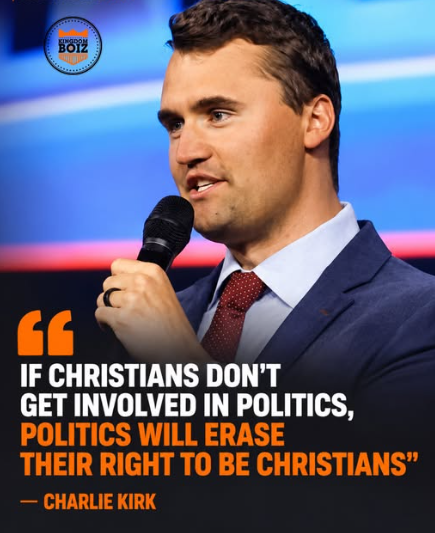 I suppose there are people who believe that the radical left is on a path to make Christianity illegal, and perhaps to install Islam as the official religion of the United States. This is remarkable for two reasons:
a) Every schoolchild in America learns about the First Amendment’s guarantee of freedom of religion at a very young age, and
b) This country made it successfully though 250 years with no one being ignorant enough to bring up this ridiculous concern.
One would hope that this figure of near 60% would indirectly translate into Trump’s ouster before he can take full control of the U.S. government.
We vote Trump’s stooges out of office in November and replace them people of honor. Trump is impeached, convicted and removed. From there, justice takes its course.
Nordex Q3 Orders Jump 30%, Vestas Bets on Australia
Nordex Q3 orders jump 30% and Vestas lands about a gigawatt in Australia. Plus why turbine factories skip Australia, high project costs, and whether batteries can replace coal.
The Uptime Wind Energy Podcast is brought to you by Weather Guard Lightning Tech, creators of the StrikeTape Ultra LPS retrofit. Subscribe to Uptime’s Substack newsletter. And check out Rosemary’s “Engineering with Rosie” Youtube channel. Have a question we can answer on the show? Email us!



