


▶️ Diving into the Digital Divide: Unveiling the Top Players in Internet Penetration
In today’s increasingly interconnected world, internet access has become crucial for individuals and societies alike. From education and communication to economic development and healthcare, the internet plays a pivotal role in shaping our lives.
However, access to this digital world remains unevenly distributed across the globe. So, which countries are leading the charge in internet penetration, and what factors contribute to their success?
This article delves into the data to reveal the top contenders for the title of “best internet penetration country,” taking into account various metrics and highlighting key statistics. Buckle up as we navigate the digital landscape and explore the frontrunners:
Global Internet Users: Growth and Statistics
As of today, February 15, 2024, here are some key statistics about the number of internet users globally and its growth:
Total Users:
- 5.44 billion: This is the estimated number of active internet users worldwide according to Statista.
- 66.2%: This represents the percentage of the global population with internet access.
Growth:
- 19.4%: This is the estimated growth in internet users since 2020.
- 350 million: This is the approximate number of new internet users added in the past year.
- 8.5%: This is the predicted annual growth rate for internet users over the next few years.
Additional Statistics:
| Region | Number of Users (2024) | Growth since 2020 | Penetration Rate (%) |
|---|---|---|---|
| Asia | 3.26 billion | 12.5% | 59.6% |
| Europe | 749 million | 9.2% | 84.2% |
| North America | 349 million | 4.5% | 90.0% |
| Latin America & Caribbean | 691 million | 21.3% | 74.1% |
| Africa | 382 million | 37.4% | 40.8% |
Sources:
- Statista: https://www.statista.com/statistics/273018/number-of-internet-users-worldwide/
- Internet World Stats: https://www.internetworldstats.com/
- We Are Social: https://wearesocial.com/uk/blog/2024/01/digital-2024/
Please note: These figures are constantly evolving, and different sources may report slightly different numbers. However, they provide a good general overview of the current state of internet penetration and growth globally.

⏩ The Top Players in Internet Penetration
Internet Penetration Powerhouses
South Korea: The undisputed champion, South Korea boasts a remarkable 99.2% internet penetration rate (2023). This remarkable achievement stems from several factors, including robust infrastructure, government initiatives promoting digitalization, and a tech-savvy culture.
Iceland: Following closely behind with 98.8% penetration, Iceland prioritizes digitalization and has invested heavily in its infrastructure, fostering widespread internet access.
Denmark: Completing the podium with 98.5%, Denmark shines with its strong technological infrastructure and high levels of digital literacy among its citizens.
Numbers Game:
China: While not boasting the highest penetration rate, China reigns supreme in sheer user numbers, exceeding 1.05 billion internet users as of 2024. This translates to an impressive 74% of its population connected, driven by factors like increasing smartphone affordability and government push.
India: Not far behind, India boasts over 850 million internet users, representing roughly 60% of its population. This massive and rapidly growing user base is fueled by similar factors as China.
United States: With approximately 333 million users (80% of its population), the US holds its own. A well-developed internet infrastructure and high digital adoption rate contribute to its strong position.
Speed Demons:
Singapore: When it comes to internet speed, Singapore zooms ahead with a blistering 336.4 Mbps average download speed (January 2024). This exceptional performance is attributed to the country’s advanced fiber optic network.
Taiwan: Clocking in at 316.5 Mbps, Taiwan showcases its investment in internet infrastructure, resulting in widespread access to high-speed connections.
Hong Kong: Rounding out the top three with 270.4 Mbps, Hong Kong benefits from a well-developed telecommunications sector and a high concentration of internet users, leading to its impressive speed.
Beyond the Numbers:
It’s important to remember that internet penetration is not the sole indicator of success. We must consider factors like affordability, accessibility, and digital literacy to paint a more nuanced picture. Additionally, ethical considerations like government censorship and net neutrality play a crucial role in shaping the quality of internet access.
This exploration should spark further discussion and analysis. Let’s strive for a world where internet access is not a privilege but a right, ensuring everyone has the opportunity to participate in the digital revolution.

▶️ Top Internet Penetration Contenders: A Look at the Data
| Metric | Country | Rank | Data (2024) | Note |
|---|---|---|---|---|
| Penetration Rate | South Korea | 1 | 99.2% | |
| Iceland | 2 | 98.8% | ||
| Denmark | 3 | 98.5% | ||
| Number of Users | China | 1 | 1.05+ Billion | 74% of population |
| India | 2 | 850+ Million | 60% of population | |
| United States | 3 | 333 Million | 80% of population | |
| Average Download Speed | Singapore | 1 | 336.4 Mbps | |
| Taiwan | 2 | 316.5 Mbps | ||
| Hong Kong | 3 | 270.4 Mbps |
Additional Notes:
- Data based on publicly available sources and may vary slightly based on methodology and timing.
- Ranking based on individual metrics, not a combined score.
- Other factors like affordability, accessibility, and digital literacy are not reflected in the table.

▶️ Key Factors Behind Internet Penetration
While there’s no single silver bullet, several key factors intertwine to determine internet penetration:
1. Infrastructure – The Digital Highway:
Imagine roads and bridges carrying information; that’s internet infrastructure. Fiber optic cables, cell towers, and satellites serve as the bedrock, enabling physical connections. Without them, accessing the internet remains a distant dream.
2. Affordability – Bridging the Divide:
Even with robust infrastructure, exorbitant costs create a barrier. This is a significant challenge in developing nations, where income levels are often low. Making internet access affordable allows wider participation and unlocks its potential.
3. Digital Literacy – Navigating the Information Ocean:
Knowing how to use the internet is crucial. Imagine someone thrown into a vast ocean without knowing how to swim. Basic computer skills, information literacy (finding and evaluating online sources), and online safety awareness equip individuals to navigate the digital world effectively.
4. Language Barriers – Breaking Down Walls, Not Building Them:
While English dominates online content, it shouldn’t restrict access. Multilingualism is key. Increasing the availability of local language content and services empowers individuals, fosters inclusion, and bridges the digital divide.
5. Government Policy – A Helping Hand or Roadblock?
Governments can be catalysts for progress. They can invest in infrastructure, subsidize costs, and promote digital literacy. However, restrictive policies that limit access can stifle internet penetration, hindering progress.
6. Cultural Considerations – A Delicate Dance:
Cultural norms and traditions can sometimes create resistance to internet use. Understanding these factors and approaching them with sensitivity are crucial for developing culturally relevant strategies to foster broader adoption.
Interconnected Web:
Remember, these factors are not isolated islands. They influence each other. Poor infrastructure leads to higher costs, making affordability a bigger challenge. Lack of digital literacy might dampen perceived value, even if access is affordable. Each factor needs to be addressed in a holistic manner.
By working on these key areas, we can unlock the transformative power of the internet for all, creating a more inclusive and equitable digital world.
https://www.exaputra.com/2024/02/unveiling-top-players-in-internet.html


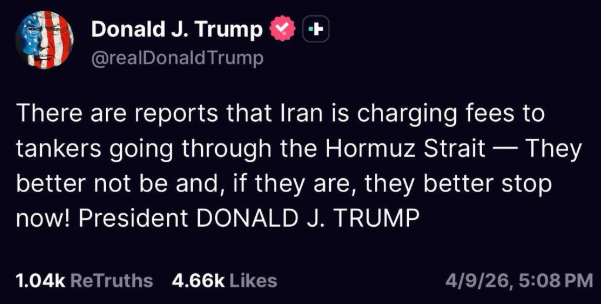 At left see we what it’s like when a formerly great country is being led be a moron.
Will “they better stop now!” lay this issue, the precursor to World War III, to rest?
https://www.2greenenergy.com/2026/04/10/there-are-costs-for-a-world-superpower-to-be-led-by-a-spoiled-child/
 In their ad, the folks offering “The Most Complete Periodic Table Ever” claim that, if your kid is struggling with chemistry, she can improve with this product, which is essentially tons of useless information.
Who discovered molybdenum? In what year? What is its market value?
We are a society in which our facility with science is now in free-fall. If you think that blunting whatever may remain of your child’s natural curiosity with crap like this a good idea, here’s where to shop.

 Poor and working-class Americans are struggling with the current economy.
The MAGA base must be going insane. Trump’s telling them that the economy is great while they’re paying $6/gallon of gas and $12.99 for a pound of hamburger.



-
Climate Change8 months ago
Guest post: Why China is still building new coal – and when it might stop
-
Greenhouse Gases8 months ago
Guest post: Why China is still building new coal – and when it might stop
-

 Greenhouse Gases2 years ago
嘉宾来稿:满足中国增长的用电需求 光伏加储能“比新建煤电更实惠”
-
Climate Change2 years ago
Bill Discounting Climate Change in Florida’s Energy Policy Awaits DeSantis’ Approval
-

 Climate Change2 years ago
嘉宾来稿:满足中国增长的用电需求 光伏加储能“比新建煤电更实惠”
-
Climate Change Videos2 years ago
The toxic gas flares fuelling Nigeria’s climate change – BBC News
-

 Renewable Energy6 months ago
Sending Progressive Philanthropist George Soros to Prison?
-

 Carbon Footprint2 years ago
US SEC’s Climate Disclosure Rules Spur Renewed Interest in Carbon Credits