

by Isabell Schlangen
Welcome back to our Ocean Science Blog! Today, we’re delving into the fascinating world of carbon and nitrogen cycling in the Bay of Bengal, and how these processes are intimately connected in shaping the biogeochemistry of this region, particularly within the oxygen minimum zone.
Almost two weeks after leaving Colombo, we’ve become familiar with the ship, the crew, and the sampling procedures. The team has already amassed several boxes of samples and conducted two significant incubation experiments. While this isn’t Lubrinas, Victors, Mats and Isabells’ first time on a research vessel, each journey brings its unique challenges and adjustments. One part of our mission is to gather samples for molecular analysis, mapping a high-resolution profile across the Bay of Bengal. As the CTD plunges into the depths, it captures a snapshot of the ocean’s chemical composition, measuring parameters like temperature, salinity, fluorescence, and oxygen levels. This profile guides our sampling strategy, indicating depths with interesting features, such as the size and depth of the oxygen minimum zone.


Once the samples are collected, they require immediate processing. Water filtration and shock freezing with liquid nitrogen preserve the integrity of the samples for further analysis. Additionally, we conduct large-scale incubation experiments at various depths, requiring substantial amounts of water. Typically, we empty an entire CTD cast (approximately 200 liters) for these experiments, which involve different treatments and the addition of labeled nitrogen and carbon isotope substrates. These isotopes act as tracers, allowing us to track the fate of nitrogen and carbon molecules as they traverse the oceanic ecosystem.
During the incubation phase, surface water samples are incubated on the ship’s deck within specially designed tanks that simulate in-situ conditions. Here, under the sun’s warmth and the rhythmic motion of the waves, microbial communities commence the vital task of fixing carbon and nitrogen from the surrounding seawater. Meanwhile, samples from deeper depths are carefully transported to the laboratory, where they undergo incubation under controlled conditions. This way it allows us to study how carbon and nitrogen cycling varies with depth and environmental parameters. From particulate organic matter to greenhouse gases such as nitrous oxide (N2O).
But why the emphasis on carbon and nitrogen cycling? These processes are fundamental to understanding the intricate web of life in the Bay of Bengal. Carbon fixation by phytoplankton forms the foundation of the marine food chain, while nitrogen fuels the growth of primary producers and influences nutrient dynamics and N2O acts as a strong greenhouse gas.
In the oxygen minimum zone, where oxygen levels are depleted, carbon and nitrogen cycling takes on added complexity. Microbial communities adapt to low-oxygen conditions, driving unique biogeochemical processes with far-reaching implications for marine ecosystems and global nutrient cycles.


By studying carbon and nitrogen cycling through incubations, we gain invaluable insights into the ocean’s inner workings – from surface waters, to the mysterious depths below. This exploration reveals the intricate relationships between carbon and nitrogen, providing insight into the essential molecular processes that support life in the Bay of Bengal and beyond.
As the ocean faces the threat of deoxygenation due to climate change, understanding these processes is critical. The Bay of Bengal, on the cusp of anoxia, serves as an ideal natural laboratory for exploring how marine life adapts to dwindling oxygen levels.
The goal of our project is to provide the first high-resolution dataset on the biogeochemical processes and biodiversity of the region. This isn’t just data for data’s sake; it will serve as a foundation for enhancing our predictive abilities concerning the future of oceanic well-being and guiding strategies to mitigate the detrimental impacts of climate change.
With a primary goal of safeguarding marine biodiversity and ecosystem resilience, the knowledge gained from our team’s research will play a pivotal role in advancing the objectives outlined by worldwide ocean science initiatives.
So next time you gaze out over the vast expanse of the ocean, remember the tiny microbes and their mighty role in shaping the seascape above and below the surface. And stay tuned for more oceanic adventures right here on our Ocean Science Blog!


Unraveling the Mysteries of Carbon and Nitrogen in the Bay of Bengal


Despite their dramatic name, false killer whales aren’t an orca species. These animals are dolphins—members of the same extended family as the iconic “killer whale” (Orcinus orca). Compared to their namesake counterparts, these marine mammals are far less well-known than our ocean’s iconic orcas.
Let’s dive in and take a closer look at false killer whales—one of the ocean’s most social, yet lesser-known dolphin species.
Appearance and anatomy
False killer whales (Pseudorca crassidens) are among the largest members of the dolphin family (Delphinidae). Adults can grow up to 20 feet long and weigh between 1,500 and 3,000 pounds, though some individuals have been recorded weighing even more. For comparison, that’s roughly double the size of a bottlenose dolphin—and slightly larger than a typical sedan.
These animals are incredibly powerful swimmers with long, torpedo-shaped bodies that help them move efficiently through the open ocean in search of prey. Their skull structure is what earned them their name, as their head shape closely resembles that of orcas. With broad, rounded heads, muscular jaws and large cone-shaped teeth, early scientists were fascinated by the similarities between these two marine mammal species.
Although their heads may look somewhat like those of orcas, there are several ways to distinguish false killer whales from their larger namesake counterparts.
One of the most noticeable differences has to do with their coloration. While orcas are known for their iconic black-and-white pattern with paler underbellies, alternatively, false killer whales are typically a uniform dark gray to black in color—almost as if a small orca decided to roll around in the dirt. If you’ve ever seen the animated Disney classic 101 Dalmatians, the difference is a bit like when the puppies roll in soot to disguise themselves as labradors instead of showing their usual black-and-white spots.
Their teeth also present a differentiator. The scientific name Pseudorca crassidens translates almost literally to “thick-toothed false orca,” a nod to their sturdy, cone-shaped teeth that help these animals capture prey. Orcas tend to have more robust, bulbous heads, while false killer whales appear slightly narrower and more streamlined.
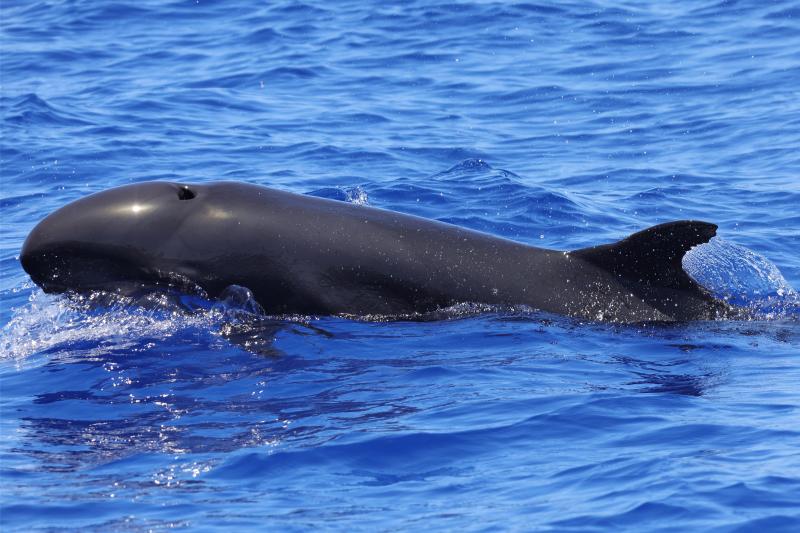
Behavior and diet
False killer whales are both highly efficient hunters and deeply social animals. It’s not unusual to see them hunting together both in small pods and larger groups as they pursue prey like fish and squid.
Scientists have even observed false killer whales sharing food with each other, a behavior that is very unusual for marine mammals. While some dolphin and whale species work together to pursue prey, they rarely actively share food. The sharing of food among false killer whales spotlights the strong social bonds within their pods. Researchers believe these tight-knit social connections help false killer whales thrive in offshore environments where they’re always on the move.
Maintaining these close bonds and coordinating successful hunts requires constant effective communication, and this is where false killer whales excel. Like other dolphins, they produce a variety of sounds like whistles and clicks to stay connected with their pod and locate prey using echolocation. In the deep offshore waters where they live, sound often becomes more important than sight, since sound travels much farther underwater than light.
Where they live
False killer whales are highly migratory and travel long distances throughout tropical and subtropical waters around the world. They prefer deeper waters far offshore, and this pelagic lifestyle can make them more difficult for scientists to study than many coastal dolphin species.
However, there are a few places where researchers have been able to learn more about them—including the waters surrounding the Hawaiian Islands.
Scientists have identified three distinct groups of false killer whales in and around Hawaii, but one well-studied group stays close to the main Hawaiian Islands year-round. Unfortunately, researchers estimate that only about 140 individuals remained in 2022, with populations expected to decline without action to protect them. This is exactly why this group is listed as endangered under the U.S. Endangered Species Act and is considered one of the most vulnerable marine mammal populations in U.S. waters.
Never Miss An Update
Sign up for Ocean Conservancy text messages today.
Current threats to survival
False killer whales are currently listed as Near Threatened on the IUCN Red List. From climate change-induced ocean acidification and harmful algal blooms to marine debris and fishing bycatch, false killer whales face the same mounting pressures that are impacting marine ecosystems around the world. As their prey becomes scarce due to increasing threats, populations of top predators like these decline, serving as a powerful signal that the ocean’s overall health is in critical need of protection.
Here at Ocean Conservancy, we’re working daily to confront these threats head-on and protect the ecosystems and wildlife we all cherish so dearly. But we can’t do it without you. Support from ocean lovers is what powers our work to protect our ocean, and right now, our planet needs all the help it can get. Visit Ocean Conservancy’s Action Center today and join our movement to create a better future for our ocean, forever and for everyone.
The post All About False Killer Whales appeared first on Ocean Conservancy.
https://oceanconservancy.org/blog/2026/03/31/false-killer-whales/
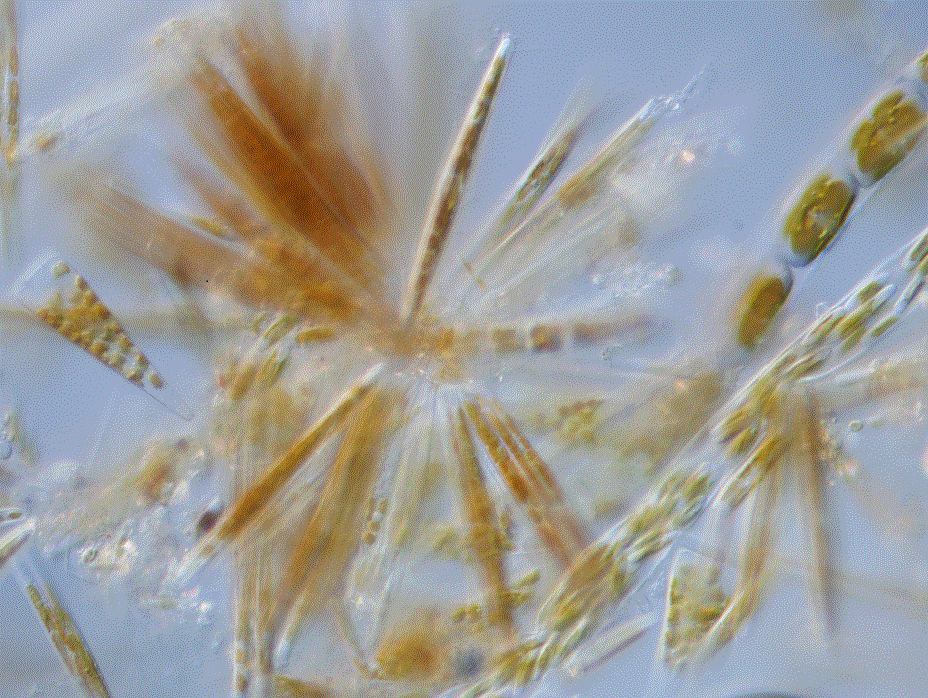
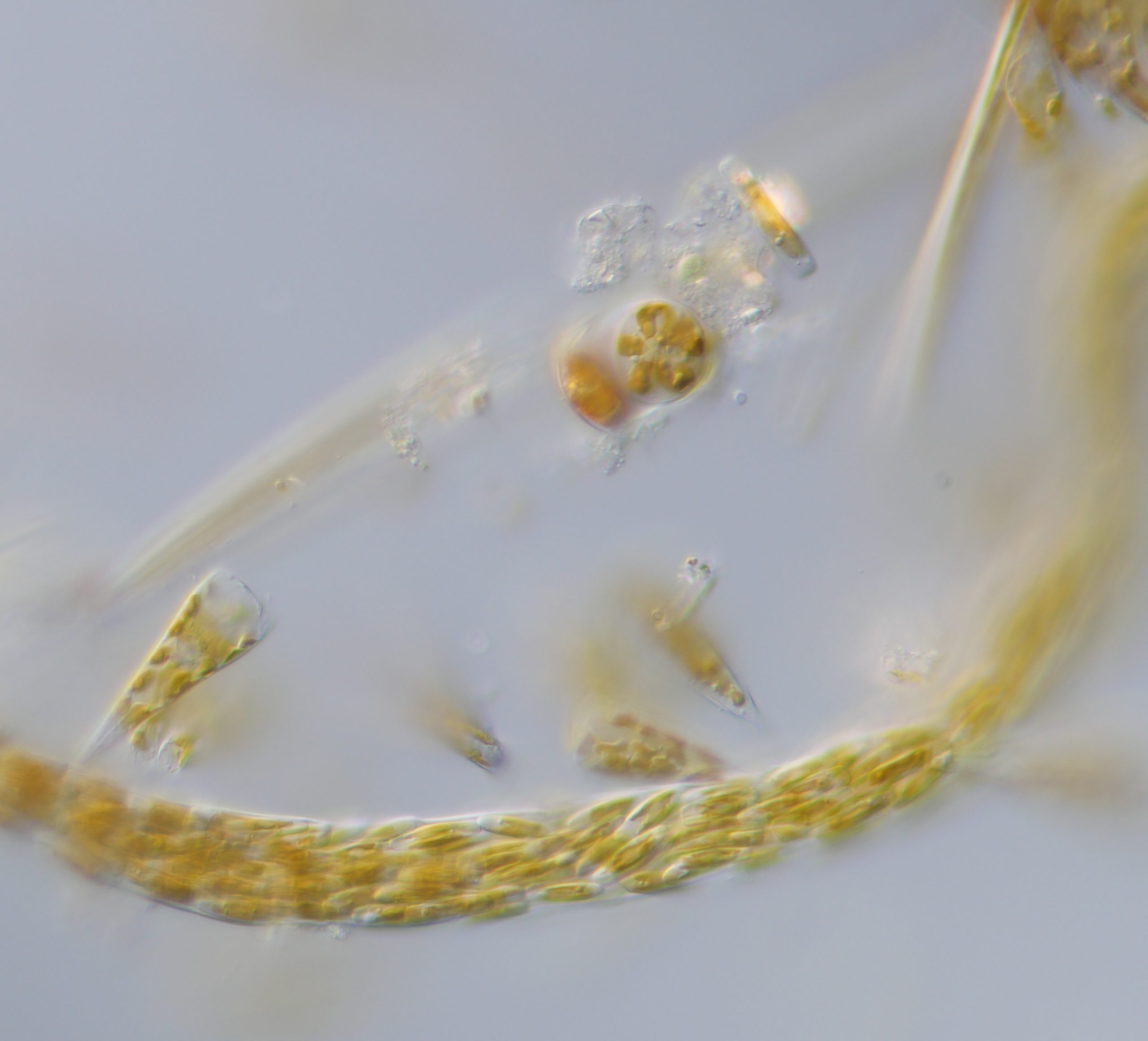
A lot has happened in the meantime: I became an Associate Professor at the University of Southern Denmark, we all lived through the Corona period, then slowly adjusted to the post‑pandemic stability, only to find ourselves again in turbulent political times. I am now affiliated with the Marine Research Center in Kerteminde, a beautiful coastal town on the island of Fyn. My plan is to share small updates on my research and activities every now and then. So let’s start with yesterday’s sampling trip for benthic phytoplankton, carried out by my colleague, Prof. Kazumasa Oguri. The sampling will help prepare for the first‑semester bachelor students who will join his small but fascinating project. This project is all about the benthic diatoms that form dense, photosynthetic communities on tidal‑flat sediments. Their daytime oxygen production enriches the sediment surface and allows oxygen to penetrate deeper, supporting diverse organisms that rely on aerobic respiration. The project will explore how oxygen distribution and oxygen production/consumption in sediments change under different light conditions (day, night, sunrise/sunset). The team will incubate benthic diatom communities in jars and measure oxygen profiles using an oxygen imaging system under controlled light regimes.
Yesterday, we visited several potential sampling sites where students can carry out their fieldwork. I encourage all PIs in our group to define at least one small project related to Kerteminde Fjord, where our laboratories are located. Over time, I hope we can build a more integrated dataset describing the marine and coastal ecosystems of the area.
Another activity currently in preparation is a project on marine invasive species in Kerteminde, which will feed into a course I will run in July and a master’s thesis project. More will come later.
Let’s hope for a more continuous blog from here on, keeping track of our activities, with or without jellyfish!
You may have seen headlines recently about a new global treaty that went into effect just as news broke that the United States would be withdrawing from a number of other international agreements. It’s a confusing time in the world of environmental policy, and Ocean Conservancy is here to help make it clearer while, of course, continuing to protect our ocean.
What is the High Seas Treaty?
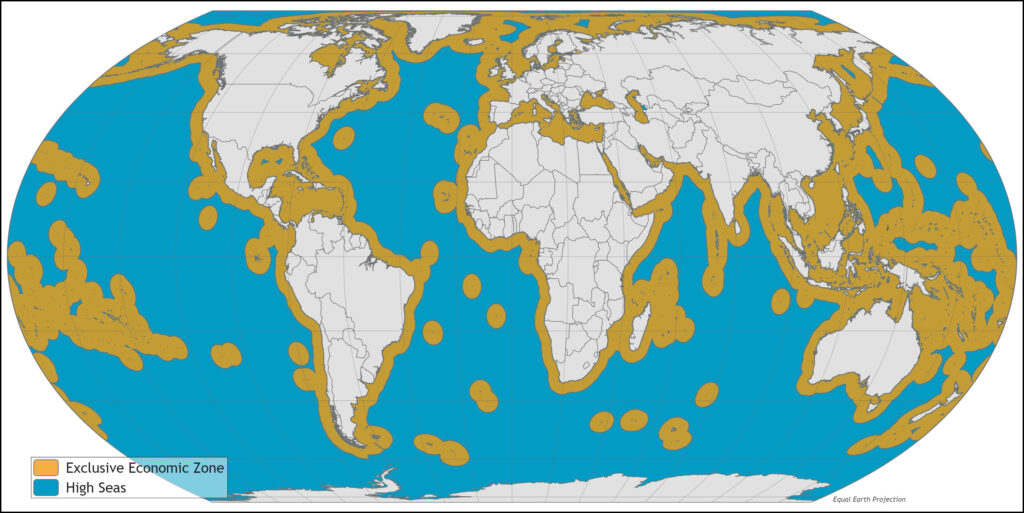
The “High Seas Treaty,” formally known as the Agreement on the Conservation and Sustainable Use of Marine Biological Diversity of Areas Beyond National Jurisdiction (BBNJ) Agreement, went into effect on January 17, 2026. We celebrated this win last fall, when the agreement reached the 60 ratifications required for its entry into force. (Since then, an additional 23 countries have joined!) It is the first comprehensive international legal framework dedicated to addressing the conservation and sustainable use of the high seas (the area of the ocean that lies 200 miles beyond the shorelines of individual countries).
To “ensure the conservation and sustainable use of marine biological diversity” of these areas, the BBNJ addresses four core pillars of ocean governance:
- Marine genetic resources: The high seas contain genetic resources (genes of plants, animals and microbes) of great value for pharmaceuticals, cosmetics and food production. The treaty will ensure benefits accrued from the development of these resources are shared equitably amongst nations.
- Area-based management tools such as the establishment of marine protected areas (MPAs) in international waters. Protecting important areas of the ocean is essential for healthy and resilient ecosystems and marine biodiversity.
- Environmental impact assessments (EIA) will allow us to better understand the potential impacts of proposed activities that may harm the ocean so that they can be managed appropriately.
- Capacity-building and the transfer of marine technology with particular emphasis on supporting developing states. This section of the treaty is designed to ensure all nations benefit from the conservation and sustainable use of marine biodiversity through, for example, the sharing of scientific information.
Get Ocean Updates in Your Inbox
Sign up with your email and never miss an update.
Why is the High Seas Treaty Important?
The BBNJ agreement is legally binding for the countries that have ratified it and is the culmination of nearly two decades of negotiations. Its enactment is a historic milestone for global ocean governance and a significant advancement in the collective protection of marine ecosystems.
The high seas represent about two-thirds of the global ocean, and yet less than 10% of this area is currently protected. This has meant that the high seas have been vulnerable to unregulated or illegal fishing activities and unregulated waste disposal. Recognizing a major governance gap for nearly half of the planet, the agreement puts in place a legal framework to conserve biodiversity.
As it promotes strengthened international cooperation and accountability, the agreement will establish safeguards aimed at preventing and reversing ocean degradation and promoting ecosystem restoration. Furthermore, it will mobilize the international community to develop new legal, scientific, financial and compliance mechanisms, while reinforcing coordination among existing treaties, institutions and organizations to address long-standing governance gaps.
How is Ocean Conservancy Supporting the BBNJ Agreement?
Addressing the global biodiversity crisis is a key focal area for Ocean Conservancy, and the BBNJ agreement adds important new tools to the marine conservation toolbox and a global commitment to better protect the ocean.
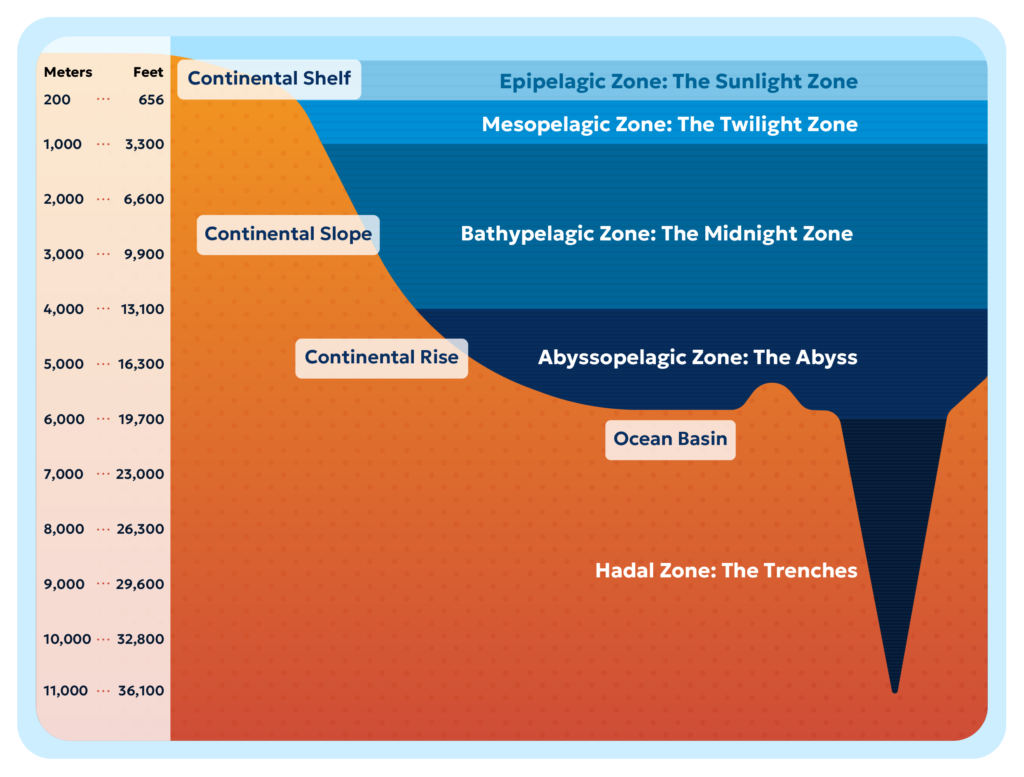
Ocean Conservancy’s efforts to protect the “ocean twilight zone”—an area of the ocean 200-1000m (600-3000 ft) below the surface—is a good example of why the BBNJ agreement is so important. The ocean twilight zone (also known as the mesopelagic zone) harbors incredible marine biodiversity, regulates the climate and supports the health of ocean ecosystems. By some estimates, more than 90% of the fish biomass in the ocean resides in the ocean twilight zone, attracting the interest of those eager to develop new sources of protein for use in aquaculture feed and pet foods.
Done poorly, such development could have major ramifications for the health of our planet, jeopardizing the critical role these species play in regulating the planet’s climate and sustaining commercially and ecologically significant marine species. Species such as tunas (the world’s most valuable fishery), swordfish, salmon, sharks and whales depend upon mesopelagic species as a source of food. Mesopelagic organisms would also be vulnerable to other proposed activities including deep-sea mining.
A significant portion of the ocean twilight zone is in the high seas, and science and policy experts have identified key gaps in ocean governance that make this area particularly vulnerable to future exploitation. The BBNJ agreement’s provisions to assess the impacts of new activities on the high seas before exploitation begins (via EIAs) as well as the ability to proactively protect this area can help ensure the important services the ocean twilight zone provides to our planet continue well into the future.
What’s Next?
Notably, the United States has not ratified the treaty, and, in fact, just a few days before it went into effect, the United States announced its withdrawal from several important international forums, including many focused on the environment. While we at Ocean Conservancy were disappointed by this announcement, there is no doubt that the work will continue.
With the agreement now in force, the first Conference of the Parties (COP1), also referred to as the BBNJ COP, will convene within the next year and will play a critical role in finalizing implementation, compliance and operational details under the agreement. Ocean Conservancy will work with partners to ensure implementation of the agreement is up to the challenge of the global biodiversity crisis.
The post What is the High Seas Treaty and Why Does It Matter? appeared first on Ocean Conservancy.
https://oceanconservancy.org/blog/2026/02/25/high-seas-treaty/



-
Climate Change8 months ago
Guest post: Why China is still building new coal – and when it might stop
-
Greenhouse Gases8 months ago
Guest post: Why China is still building new coal – and when it might stop
-

 Greenhouse Gases2 years ago
嘉宾来稿:满足中国增长的用电需求 光伏加储能“比新建煤电更实惠”
-
Climate Change2 years ago
Bill Discounting Climate Change in Florida’s Energy Policy Awaits DeSantis’ Approval
-

 Climate Change2 years ago
嘉宾来稿:满足中国增长的用电需求 光伏加储能“比新建煤电更实惠”
-
Climate Change Videos2 years ago
The toxic gas flares fuelling Nigeria’s climate change – BBC News
-

 Renewable Energy6 months ago
Sending Progressive Philanthropist George Soros to Prison?
-

 Carbon Footprint2 years ago
US SEC’s Climate Disclosure Rules Spur Renewed Interest in Carbon Credits