


Introduction University of California, Irvine
The University of California, Irvine (UCI), located in the heart of California, has emerged as a leader in sustainability and environmental stewardship.
With a strong commitment to addressing climate change and promoting sustainable practices, UCI has transformed its campus into a thriving model of sustainability.
Through innovative initiatives, collaborative partnerships, and a culture of environmental consciousness, UCI exemplifies its dedication to creating a sustainable future.
In this article, we will explore the sustainable practices and initiatives undertaken by the University of California, Irvine, highlighting its role as a catalyst for change in higher education.

UC Irvine Sustainability
1. Carbon Neutrality and Climate Action:
UCI has set ambitious goals to achieve carbon neutrality and address climate change. The university has implemented comprehensive strategies to reduce greenhouse gas emissions, including investing in renewable energy sources and energy-efficient technologies.
UCI actively engages in research and innovation to develop sustainable solutions for climate mitigation and adaptation. By leading the way in carbon neutrality, UCI demonstrates its commitment to a sustainable and resilient future.
2. Sustainable Campus Design and Infrastructure:
UCI prioritizes sustainable campus design and infrastructure. The university incorporates green building practices, energy-efficient technologies, and water conservation measures into its facilities.
UCI’s sustainable campus features permeable pavements, rainwater harvesting systems, and drought-resistant landscaping. Through sustainable design, UCI creates an environment that minimizes resource consumption and enhances the well-being of its community.
3. Waste Reduction and Recycling:
UCI places a strong emphasis on waste reduction and recycling. The university has implemented robust waste management systems, including recycling programs, composting initiatives, and electronic waste collection.
UCI promotes responsible consumption and educates its community about waste separation and recycling practices. By diverting waste from landfills and embracing a circular economy, UCI minimizes its environmental footprint.
4. Sustainable Transportation and Active Mobility:
UCI encourages sustainable transportation options and promotes active mobility on campus. The university provides extensive cycling infrastructure, electric vehicle charging stations, and a free shuttle service.
UCI actively promotes carpooling and public transportation use to reduce carbon emissions. By prioritizing sustainable transportation alternatives, UCI fosters a culture of eco-friendly commuting and reduces traffic congestion.
5. Water Conservation and Efficiency:
Given California’s water scarcity challenges, UCI places significant importance on water conservation and efficiency. The university has implemented water-saving technologies, such as low-flow fixtures and smart irrigation systems.
UCI also promotes water education and behavior change among its community to reduce water consumption. By managing water resources responsibly, UCI demonstrates its commitment to sustainability in a water-stressed region.
6. Research and Innovation for Sustainability:
UCI is a hub of sustainability research and innovation. The university’s faculty and students engage in interdisciplinary research projects focused on renewable energy, sustainable agriculture, climate science, and environmental conservation.
UCI fosters collaboration between academia, industry, and government to develop innovative solutions for sustainability challenges. By pushing the boundaries of knowledge and driving sustainable innovation, UCI contributes to positive global change.
University of California, Irvine: Sustainable Campus Design

The goal is to create a campus that minimizes its environmental impact, promotes renewable energy use, reduces waste, and fosters a sustainable and eco-friendly learning environment for students and the community.
The University of California, Irvine’s Sustainable Campus Design refers to their environmentally conscious approach to planning and developing the university campus.
This involves integrating principles of sustainability, energy efficiency, and ecological responsibility into various aspects of campus design, construction, and operation.
The Sustainable Campus Design at the University of California, Irvine involves the thoughtful arrangement of buildings, outdoor spaces, and infrastructure to minimize environmental impact and promote sustainability.
This approach draws from architecture, urban planning, and environmental science to create an eco-friendly environment.
Key components include energy-efficient buildings, integration of renewable energy sources, creation of green spaces, use of sustainable materials, water conservation measures, pedestrian-friendly pathways, accessibility features, innovative technologies, waste management systems, community spaces, and more.
The design aims to align with the university’s commitment to sustainability, foster a sense of community, and inspire environmentally responsible practices.
Conclusion University of California, Irvine
The University of California, Irvine stands as a beacon of sustainability in higher education.
Through its commitment to carbon neutrality, sustainable campus design, waste reduction, sustainable transportation, water conservation, and research for sustainability, UCI sets a powerful example for other academic institutions.
By integrating sustainability into its operations, education, and culture, UCI inspires individuals to embrace sustainable practices and become agents of positive change. With its unwavering dedication to sustainability, UCI paves the way for a more sustainable future, both on campus and beyond.
https://www.exaputra.com/2023/08/university-of-california-irvine-forging.html

At left see we what it’s like when a formerly great country is being led be a moron.
Will “they better stop now!” lay this issue, the precursor to World War III, to rest?
A World Superpower Pays Heavy Costs to Be Led by a Spoiled Child
 At left see we what it’s like when a formerly great country is being led be a moron.
Will “they better stop now!” lay this issue, the precursor to World War III, to rest?
https://www.2greenenergy.com/2026/04/10/there-are-costs-for-a-world-superpower-to-be-led-by-a-spoiled-child/
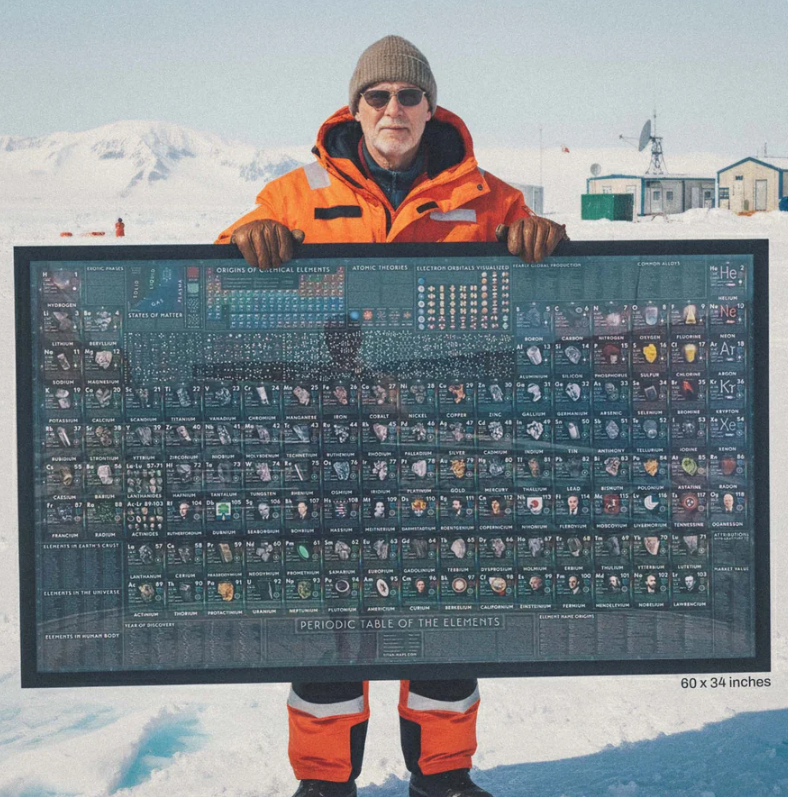
 In their ad, the folks offering “The Most Complete Periodic Table Ever” claim that, if your kid is struggling with chemistry, she can improve with this product, which is essentially tons of useless information.
Who discovered molybdenum? In what year? What is its market value?
We are a society in which our facility with science is now in free-fall. If you think that blunting whatever may remain of your child’s natural curiosity with crap like this a good idea, here’s where to shop.



-
Climate Change8 months ago
Guest post: Why China is still building new coal – and when it might stop
-
Greenhouse Gases8 months ago
Guest post: Why China is still building new coal – and when it might stop
-

 Greenhouse Gases2 years ago
嘉宾来稿:满足中国增长的用电需求 光伏加储能“比新建煤电更实惠”
-
Climate Change2 years ago
Bill Discounting Climate Change in Florida’s Energy Policy Awaits DeSantis’ Approval
-

 Climate Change2 years ago
嘉宾来稿:满足中国增长的用电需求 光伏加储能“比新建煤电更实惠”
-
Climate Change Videos2 years ago
The toxic gas flares fuelling Nigeria’s climate change – BBC News
-

 Renewable Energy6 months ago
Sending Progressive Philanthropist George Soros to Prison?
-

 Carbon Footprint2 years ago
US SEC’s Climate Disclosure Rules Spur Renewed Interest in Carbon Credits