


Top 20 Countries Leading the Charge in Renewable Energy
The transition towards renewable energy sources is crucial for combating climate change and ensuring a sustainable future. Many countries are actively embracing this shift, implementing ambitious policies and projects to harness the power of wind, solar, geothermal, and other renewable resources.

Here’s a glimpse at the top 30 countries currently leading the charge in renewable energy:
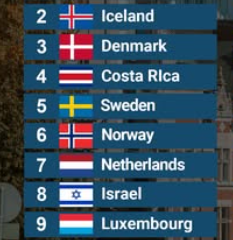
1. Iceland: With a remarkable 99.7% of its electricity generated from renewables, Iceland reigns supreme. Geothermal energy provides the bulk of its power, followed by hydropower.
2. Norway: Boasting 98.2% renewable energy share, Norway’s hydropower dominance makes it a global leader. Wind power is also making significant strides in the country.
3. Costa Rica: This Central American nation shines with 97.8% renewable energy, primarily relying on hydropower and geothermal sources. Costa Rica even achieved the remarkable feat of running solely on renewable energy for 300 consecutive days in 2018!
4. Denmark: A pioneer in wind energy, Denmark generates 85.1% of its electricity from renewables, with wind power being the major contributor. The country also utilizes biomass and solar power.
5. Austria: With 80.1% renewable energy share, Austria heavily leans on hydropower, followed by wind and biomass. The country has ambitious goals to further increase its renewable energy dependence.
6. Sweden: At 79.4% renewable energy, Sweden primarily utilizes hydropower, with wind power playing an increasingly important role. The country is actively investing in solar and other renewable sources.
7. Uruguay: This South American nation stands out with 77.4% renewable energy, mainly powered by wind and hydropower. Uruguay has become a global example for its rapid transition towards renewables.
8. Portugal: Portugal impresses with 76.7% renewable energy, primarily harnessing wind, hydropower, and solar power. The country has set ambitious targets to further increase its renewable energy mix.
9. Kenya: Demonstrating Africa’s potential, Kenya boasts 74.2% renewable energy, with geothermal energy being the dominant source. Hydropower and wind power are also contributing to the country’s clean energy goals.
10. New Zealand: With 73.8% renewable energy, New Zealand primarily utilizes hydropower, followed by geothermal and wind power. The country is committed to further diversifying its renewable energy sources.
11. Germany: Although facing recent challenges, Germany maintains a strong renewable energy presence with 72.1% share. They remain a global leader in solar power generation and are actively expanding wind and biomass utilization.
12. Ireland: At 70.2% renewable energy, Ireland is experiencing rapid growth in wind power, which complements its existing hydropower resources. The country aims to achieve complete decarbonization by 2050.
13. Finland: With 67.8% renewable energy, Finland heavily relies on hydropower, but wind and biomass are gaining traction. Their focus on sustainable forestry practices ensures responsible biomass use.
14. Spain: Standing at 65.4% renewable energy, Spain has witnessed a surge in wind and solar power installations. It boasts innovative concentrated solar power (CSP) technology and remains a key player in European renewable energy production.
15. Chile: This South American nation comes in at 65.1% renewable energy, primarily powered by hydro, solar, and wind. Chile is a leader in solar energy development in the region and has ambitious plans for further renewable energy expansion.
16. Morocco: Demonstrating Africa’s growing commitment, Morocco ranks 17th with 62.8% renewable energy. The country has undertaken massive solar and wind projects, positioning itself as a regional renewable energy hub.
17. Japan: Despite challenges after the Fukushima disaster, Japan maintains a 62.1% renewable energy share. They are actively promoting solar and wind power alongside hydropower and geothermal.
18. Netherlands: At 60.2% renewable energy, Netherlands focuses on wind power, both onshore and offshore. The country also utilizes biomass and is exploring innovative geothermal and solar solutions.
19. United Kingdom: Although lagging behind some European peers, the UK has reached 57.4% renewable energy. They are heavily investing in offshore wind and solar power, aiming to achieve net-zero emissions by 2050.
20. Vietnam: Representing Southeast Asia’s potential, Vietnam comes in at 55.9% renewable energy. Primarily powered by hydropower, they are rapidly expanding wind and solar power generation to meet their growing energy demand.
Certainly! Here are 10 more countries leading the charge in renewable energy, along with some noteworthy details:
21. Honduras: Boasting 54.8% renewable energy, Honduras primarily relies on hydropower, with geothermal and biomass playing supporting roles. The country has set ambitious goals to further increase its renewable energy mix.
22. Paraguay: This South American nation stands at 53.1% renewable energy, almost entirely powered by hydropower from the Itaipu Dam. Paraguay aims to utilize its vast renewable potential for regional energy export.
23. Sri Lanka: At 52.7% renewable energy, Sri Lanka heavily leans on hydropower, but wind and solar are making inroads. The country is committed to increasing its renewable energy dependence for sustainable development.
24. Greece: With 49.7% renewable energy, Greece leverages its abundant sunshine for solar power generation, complemented by wind power. The country has ambitious plans to further diversify its renewable energy sources.
25. Dominican Republic: Standing at 47.6% renewable energy, the Dominican Republic showcases impressive growth in wind and solar power alongside its existing hydropower resources. The country aims to achieve 70% renewable energy by 2030.
26. Latvia: This Baltic nation comes in at 46.7% renewable energy, primarily powered by biomass and hydropower. Wind power is also contributing to their renewable energy mix.
27. Nepal: Representing the Himalayas’ potential, Nepal stands at 44.5% renewable energy, almost entirely powered by hydropower. The country aims to leverage its water resources for sustainable development and energy export.
28. Lithuania: With 43.1% renewable energy, Lithuania heavily relies on biomass, followed by wind and solar power. The country is actively participating in regional renewable energy initiatives.
29. Egypt: At 42.9% renewable energy, Egypt’s commitment to solar power shines through, with ambitious plans for further expansion. The country also utilizes hydropower and wind power.
30. Italy: Rounding out the list at 42.1% renewable energy, Italy showcases impressive growth in solar and wind power alongside its existing hydropower resources. The country aims to significantly increase its renewable energy dependence in the coming years.
These are just a few of the many countries leading the way in renewable energy implementation. Each nation’s approach is unique, reflecting its specific resources, infrastructure, and policy landscape. However, their collective efforts provide a beacon of hope for a cleaner, more sustainable future powered by renewable energy.
It’s important to note that this list is based on the latest available data and can change over time as countries make further progress in their renewable energy transitions. Additionally, it’s crucial to consider various factors beyond just percentages, such as the overall energy consumption of each country and the diversity of their renewable energy mix.
https://www.exaputra.com/2024/02/top-30-countries-leading-charge-in.html


 Without doubt, stupidity is part of Trumpism, but it’s only a part.
Meanness is also essential. People with any real compassion for others don’t have what it takes to be a member of the MAGA base.
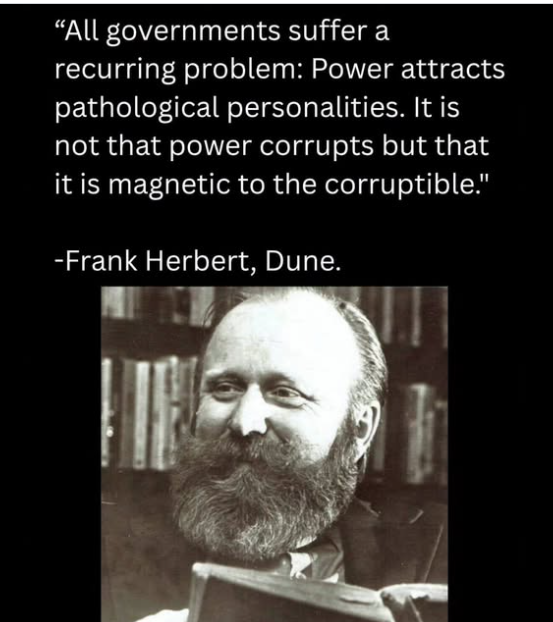 As Aristotle said (plus or minus): Only people who do not seek power and qualified to hold it.
In retrospect, the United States hadn’t gotten burned too badly until Donald Trump came along.
Weather Guard Lightning Tech

Judge Ends Pentagon Wind Freeze, RWE Exits US Offshore
Allen covers a judge lifting the Pentagon’s wind freeze, RWE’s $1.22B US offshore exit, and TotalEnergies buying Shell’s European renewables.
Sign up now for Uptime Tech News, our weekly newsletter on all things wind technology. This episode is sponsored by Weather Guard Lightning Tech. Learn more about Weather Guard’s StrikeTape Wind Turbine LPS retrofit. Follow the show on YouTube, Linkedin and visit Weather Guard on the web. And subscribe to Rosemary’s “Engineering with Rosie” YouTube channel here. Have a question we can answer on the show? Email us!
Good Monday everyone.
You know … there is an old saying. When one door closes … another one opens. Well this week in wind energy … a whole lot of doors were swinging.
Let us start in Washington. For months … the Pentagon had quietly stopped reviewing wind energy project applications. More than a hundred and fifty onshore wind projects … stuck in limbo. The Defense Department claimed that drones in Ukraine had changed the game. Wind turbines … they said … could blind radar to incoming threats. So they hit the brakes.
But on Thursday … a federal judge said … not so fast. Judge Karin Immergut … a Trump appointee no less … issued a preliminary injunction. Resume the reviews … she ordered. Follow the law Congress wrote. The law gives the Pentagon seventy-five days for a preliminary review. As of late July … not a single one had been completed since the halt began in May. When government lawyers were asked to name one project they had reviewed … they could not name a single one. The judge told them plainly. If you want to change the rules … go ask Congress.
Now … while one arm of the government was being told to do its job … another arm was writing checks. German energy giant RWE … handed back its American offshore wind leases. New York. California. Louisiana. In return … the U.S. Department of the Interior cut RWE a check for one-point-two-two billion dollars. RWE is the fifth developer to walk away from American offshore wind under this administration. The company had spent more than a billion dollars on those leases. Years of planning. Investment. Partnership with federal agencies. But RWE said there is simply no path forward to permit these projects … for the foreseeable future.
So where does the $1.22B go? Nine hundred million dollars into Louisiana LNG. Three hundred million into natural gas turbine reservations. Fifteen gas peaking projects across the country. A company that came to America to build wind farms … is now building gas plants instead.
But here is the thing about RWE. They are not leaving the wind business. They are leaving American offshore wind. Globally … RWE operates eighteen offshore wind farms. Four more under construction. And nearly seven gigawatts secured in the United Kingdom’s latest auction. America said no. The rest of the world said … come on in.
And speaking of Europe … TotalEnergies … the French oil major … just bought Shell’s entire onshore renewables business in Europe. Four gigawatts of solar and wind. Five hundred megawatts already running or under construction in Italy and the Netherlands. Three-and-a-half gigawatts more in the pipeline across Italy … the United Kingdom … and Spain. And in the same breath … TotalEnergies sold a fifty percent stake in a one-point-two gigawatt European portfolio to KKR … for an enterprise value of one-point-eight billion euros. Build it. Sell half. Keep operating it. That is the model.
Now let us fly east … to India. GE Vernova just landed a hundred-and-sixty-three megawatt wind order from American developer Enfinity Global. Forty-three turbines. Three-point-eight megawatts each. Headed for the Fatehgarh wind farm in Rajasthan. Deliveries start late this year. And those turbines will be built at GE Vernova’s factory in Pune … which can turn out fifteen hundred megawatts a year. India is pushing for five hundred gigawatts of renewable energy.
Meanwhile … up in Denmark … a Danish wind tower maker named Welcon is raising its voice. Swedish utility Vattenfall just won two offshore wind tenders in Denmark. But when asked whether they would use European-made turbines … Vattenfall would not say.
Welcon’s chief executive Jens Risvig Pedersen said … and I quote …
“It would be completely absurd not to buy European products for the two new Danish offshore wind farms. That would simply shut down the European industry.”
The Danish trade union Dansk Metal agreed. Chinese turbines … they said … should not be financed with Danish taxpayer money. Vattenfall says it has not decided yet. But the debate is on.
And finally … a milestone that happened so quietly … nobody noticed. The world just crossed three terawatts of installed solar power. It took ten years to build the first terawatt. Less than three years for the second. And not even two more years for the third. Seventy-four countries now have at least one gigawatt of solar installed. That is up from forty-two in twenty-twenty. BloombergNEF expects nine terawatts by twenty thirty-six.
But here is the catch. Without batteries … solar hits a ceiling. Places like Australia and California already have so much solar that electricity prices go negative during the day. You heard that right. They pay people to use power. The answer is battery storage. But batteries are not able to keep up with the pace of solar.
Now … if you step back from all of this … something interesting emerges. Nobody in these stories is arguing about whether wind works. Not the judge in Oregon. Not RWE. Not even the Pentagon. The debate has moved on. The question is no longer … can you build a wind farm. The question is … who gets to decide where one goes.
Think about that. A federal judge did not rule that wind turbines are safe or good or necessary. She ruled that the government cannot ignore its own laws. The science was not on trial. The process was.
RWE did not surrender its leases because offshore wind failed. It surrendered them because one government made permitting impossible … while eighteen other wind farms in its global portfolio kept spinning.
And TotalEnergies did not buy four gigawatts of European renewables out of charity. It bought them because Shell … an oil company … decided those assets no longer fit its strategy. One oil major’s exit is another’s entrance. The assets did not lose value. They changed hands.
That is the story underneath all these headlines. Wind energy has crossed a threshold that most industries never reach. It is no longer competing on technology. It is competing on governance. The turbines work. The economics work. The engineering works. What varies … country by country … is whether the rules of the road are clear enough for capital to show up.
And capital … as we saw this week … will always find the door that is open.
That is the state of the wind industry for the 10th of August … twenty twenty-six. Join us for the Uptime Wind Energy podcast tomorrow.



-
Climate Change12 months ago
Guest post: Why China is still building new coal – and when it might stop
-
Greenhouse Gases12 months ago
Guest post: Why China is still building new coal – and when it might stop
-

 Greenhouse Gases2 years ago
嘉宾来稿:满足中国增长的用电需求 光伏加储能“比新建煤电更实惠”
-

 Climate Change2 years ago
嘉宾来稿:满足中国增长的用电需求 光伏加储能“比新建煤电更实惠”
-
Climate Change2 years ago
Bill Discounting Climate Change in Florida’s Energy Policy Awaits DeSantis’ Approval
-

 Renewable Energy10 months ago
Sending Progressive Philanthropist George Soros to Prison?
-
Greenhouse Gases1 year ago
嘉宾来稿:探究火山喷发如何影响气候预测
-

 Carbon Footprint2 years ago
US SEC’s Climate Disclosure Rules Spur Renewed Interest in Carbon Credits