


Introduction Sustainable Energy and Social Entrepreneurship
The integration of sustainable energy and social entrepreneurship has emerged as a powerful force in driving community development.
In an era of increasing environmental consciousness and social responsibility, this combination offers innovative solutions to address energy poverty, foster economic empowerment, and create sustainable livelihoods.
This article explores the intersection of sustainable energy and social entrepreneurship, highlighting how these two forces are working hand in hand to bring about positive change and improve the lives of communities worldwide.
Understanding Sustainable Energy and Social Entrepreneurship
Sustainable energy refers to energy sources that are renewable, clean, and have a minimal impact on the environment. It includes solar power, wind energy, hydroelectricity, geothermal energy, and bioenergy. These sources provide an alternative to fossil fuels, offering long-term solutions for combating climate change and achieving energy security.
Social entrepreneurship, on the other hand, involves the application of entrepreneurial principles and business strategies to address social and environmental challenges. Social entrepreneurs are driven by a mission to create positive change, focusing on generating social, environmental, and economic value. They seek innovative ways to solve pressing societal issues and empower marginalized communities.
The Role of Sustainable Energy in Community Development
Access to sustainable energy is a fundamental catalyst for community development.
Here are some key ways in which sustainable energy contributes to community growth:
1. Energy access and affordability: Sustainable energy solutions such as solar power can provide off-grid communities with access to electricity. This enables households, schools, and healthcare facilities to operate efficiently and enhances overall quality of life. Moreover, by reducing reliance on expensive and polluting energy sources, sustainable energy can help lower energy costs and alleviate energy poverty.
2. Job creation and economic empowerment: The development and deployment of sustainable energy technologies require a skilled workforce. This creates employment opportunities and economic growth within communities. Social enterprises focused on sustainable energy often prioritize local hiring and capacity-building initiatives, empowering individuals and communities with valuable skills and income-generating opportunities.
3. Environmental sustainability: Sustainable energy sources help reduce greenhouse gas emissions, combat climate change, and improve air quality. By promoting sustainable practices, communities can protect their natural resources and create a healthier living environment for current and future generations.
4. Resilience and self-sufficiency: Sustainable energy solutions, particularly decentralized systems like solar microgrids, enhance community resilience during natural disasters and energy disruptions. By generating their own clean energy, communities can become less dependent on centralized grids and gain greater control over their energy supply, ensuring uninterrupted access during challenging times.
Social Entrepreneurship for Community Development
Social entrepreneurship plays a vital role in leveraging sustainable energy solutions for community development.
Here’s how social entrepreneurship contributes to positive change:
1. Innovation and local solutions: Social entrepreneurs often pioneer innovative approaches to sustainable energy, adapting technologies to suit the specific needs and conditions of communities. They bridge the gap between technological advancements and community requirements, ensuring that solutions are practical, affordable, and culturally relevant.
2. Collaboration and partnerships: Social entrepreneurs collaborate with various stakeholders, including local communities, nonprofits, government agencies, and private sector entities, to leverage resources, knowledge, and expertise. These partnerships help create comprehensive and holistic solutions that address community needs effectively.
3. Empowerment and capacity-building: Social entrepreneurship emphasizes community engagement and participation, empowering individuals to become active agents of change. Through training, education, and skill development, social entrepreneurs enable communities to take ownership of sustainable energy projects and drive their own development.
4. Sustainable business models: Social enterprises combine their social and environmental missions with viable business models, ensuring the long-term sustainability of their initiatives. By generating income and reinvesting in community development, social entrepreneurs create self-sustaining solutions that have a lasting impact.
Leading Examples of Sustainable Energy and Social Entrepreneurship
Numerous social enterprises have emerged as inspiring examples of sustainable energy and social entrepreneurship for community development.
Here are a few notable ones:
1. SELCO Foundation (India): SELCO Foundation, based in India, focuses on providing sustainable energy solutions to underserved communities. They work closely with local entrepreneurs and stakeholders to develop and deploy innovative solar technologies that address specific community needs. SELCO Foundation also offers training and capacity-building programs to empower individuals and promote entrepreneurship in the renewable energy sector.
2. Solar Sister (Africa): Solar Sister is a social enterprise operating in several countries across Africa. They empower women entrepreneurs by equipping them with the necessary tools, training, and support to sell clean energy products, such as solar lanterns and energy-efficient cookstoves, within their communities. By leveraging social networks and creating income-generating opportunities, Solar Sister contributes to poverty alleviation and sustainable development.
3. Kamworks (Cambodia): Kamworks is a social enterprise that focuses on providing affordable and sustainable solar energy solutions to rural communities in Cambodia. They employ a unique business model that combines microfinance, local distribution networks, and community engagement to make solar power accessible to off-grid populations. Kamworks’ initiatives have improved energy access, stimulated economic activities, and improved living conditions in rural areas.
4. Husk Power Systems (India and Africa): Husk Power Systems specializes in converting agricultural waste into clean, renewable energy for rural communities. Their decentralized mini-grids powered by biomass gasification provide electricity to remote areas with limited access to the grid. By utilizing locally available resources and involving the community in the entire process, Husk Power Systems has created sustainable energy solutions that promote economic development and environmental sustainability.
5. Empower Generation (Nepal and Uganda): Empower Generation empowers women entrepreneurs in Nepal and Uganda to become distributors of clean energy products, including solar lanterns and clean cookstoves. By providing training, business mentorship, and access to capital, Empower Generation enables women to start and grow their own businesses, driving economic empowerment and improving energy access in their communities.
Conclusion Sustainable Energy and Social Entrepreneurship
The integration of sustainable energy and social entrepreneurship is a powerful force for community development.
By leveraging innovative technologies, community engagement, and sustainable business models, social entrepreneurs are driving positive change in underserved areas. These initiatives not only provide clean and affordable energy solutions but also empower communities, create jobs, and foster economic growth.
As we strive for a more sustainable and equitable future, the collaboration between sustainable energy and social entrepreneurship becomes increasingly crucial.
By working together, these two forces can accelerate the transition to clean energy, uplift marginalized communities, and contribute to the achievement of the United Nations’ Sustainable Development Goals.
Governments, nonprofits, and the private sector must continue to support and invest in sustainable energy initiatives driven by social entrepreneurship. By nurturing an enabling environment and fostering partnerships, we can unlock the full potential of sustainable energy and social entrepreneurship to create a more prosperous and sustainable world for all.
https://www.exaputra.com/2023/07/sustainable-energy-and-social.html

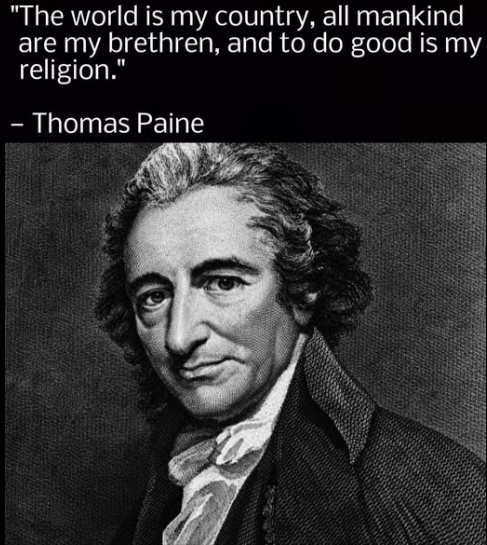 Sure, there have been many other people who have lived according to the beliefs expressed here by philosopher and American revolutionary Thomas Paine, but their numbers don’t begin to compare with those who think of themselves as patriots of the country of their birth and adherents to the religion they were assigned by their parents.
What a terrible shame. It’s easy to imagine a world of peace and harmony, but it sure seems an incredible challenge to get there. This is especially true today, on a planet that is increasingly led by fascist dictators, and a population where ignorance, nationalism, and hate is heating up by the day.
Weather Guard Lightning Tech

China Barred Vestas Software, Ørsted Buys Chinese Monopiles
Vestas CEO Henrik Andersen says China barred Vestas from monitoring its own turbines. Plus Ørsted takes heat for Chinese monopiles, India’s blade design gap, and tents that beat weather delays.
The Uptime Wind Energy Podcast is brought to you by Weather Guard Lightning Tech, creators of the StrikeTape Ultra LPS retrofit. Subscribe to Uptime’s Substack newsletter. And check out Rosemary’s “Engineering with Rosie” Youtube channel. Have a question we can answer on the show? Email us!
 Virtually all top-ranking retired military brass view Trump as shown at left. On top of that, Hegseth has publicly fired all current generals and admirals who are not loyal to Trump, as the entire world watched the purge.
Doesn’t this affect the way the psychopath’s command of our nation is ultimately determined?



-
Climate Change1 year ago
Guest post: Why China is still building new coal – and when it might stop
-

 Greenhouse Gases2 years ago
嘉宾来稿:满足中国增长的用电需求 光伏加储能“比新建煤电更实惠”
-
Greenhouse Gases1 year ago
Guest post: Why China is still building new coal – and when it might stop
-

 Climate Change2 years ago
嘉宾来稿:满足中国增长的用电需求 光伏加储能“比新建煤电更实惠”
-

 Renewable Energy12 months ago
Sending Progressive Philanthropist George Soros to Prison?
-
Climate Change2 years ago
Bill Discounting Climate Change in Florida’s Energy Policy Awaits DeSantis’ Approval
-
Greenhouse Gases1 year ago
嘉宾来稿:探究火山喷发如何影响气候预测
-

 Climate Change2 years ago
Analysis: China’s CO2 falls 1% in Q2 2024 in first quarterly drop since Covid-19