


Introduction Sustainable Energy and Disaster Risk Reduction in Vulnerable Regions
In vulnerable regions around the world, the intersection of sustainable energy and disaster risk reduction plays a crucial role in building resilience, reducing vulnerabilities, and ensuring the well-being of communities.
Climate change, natural disasters, and energy poverty pose significant challenges, particularly in areas prone to extreme weather events.
This article explores the importance of sustainable energy in disaster risk reduction efforts, highlighting how renewable energy technologies, decentralized energy systems, and community empowerment can contribute to enhancing resilience and mitigating the impacts of disasters in vulnerable regions.
Understanding the Link between Sustainable Energy and Disaster Risk Reduction
1. Energy Access and Preparedness: Access to reliable and sustainable energy is essential for effective disaster preparedness and response. Energy plays a critical role in emergency services, including communication, healthcare, and provision of clean water. Sustainable energy solutions, such as solar-powered systems and microgrids, can provide resilient and decentralized energy access even during emergencies, ensuring critical services are maintained.
2. Resilient Energy Infrastructure: Traditional centralized energy systems are often vulnerable to damage and disruption during disasters. In contrast, decentralized and renewable energy infrastructure offers greater resilience. Distributed generation, off-grid solutions, and mini-grids can operate independently, reducing the impact of disasters on energy supply and enabling faster recovery.
3. Climate Change Mitigation and Adaptation: Sustainable energy sources, such as solar, wind, and hydropower, contribute to mitigating climate change, reducing the frequency and severity of certain disasters. Additionally, decentralized energy systems can support climate change adaptation efforts by providing energy solutions that are adaptable, scalable, and suitable for the specific needs of vulnerable regions.
4. Community Empowerment and Resilience: Sustainable energy solutions promote community empowerment and resilience by providing opportunities for local ownership, capacity building, and economic development. Involving communities in the planning, implementation, and maintenance of renewable energy projects fosters self-reliance, strengthens social networks, and enhances the ability to cope with and recover from disasters.
Integration of Sustainable Energy and Disaster Risk Reduction Strategies
1. Renewable Energy Integration: Governments and organizations should prioritize the integration of renewable energy technologies into disaster risk reduction strategies. This includes promoting the use of solar, wind, and other renewable sources for emergency power supply, implementing renewable energy microgrids in vulnerable areas, and incorporating renewable energy considerations into disaster management plans.
2. Energy-Efficient Infrastructure: Energy-efficient infrastructure reduces energy demand, lowers greenhouse gas emissions, and enhances resilience. By incorporating energy-efficient design principles in the construction or retrofitting of buildings, infrastructure, and transportation systems, vulnerable regions can reduce their energy requirements and better withstand the impacts of disasters.
3. Community-Led Approaches: Engaging local communities in sustainable energy and disaster risk reduction efforts is crucial. Empowering communities through education, training, and awareness-building enhances their capacity to adopt sustainable energy solutions, establish early warning systems, develop evacuation plans, and undertake community-based disaster preparedness and response measures.
4. Knowledge Sharing and Technology Transfer: Facilitating knowledge sharing and technology transfer is vital for enabling vulnerable regions to access sustainable energy solutions and disaster risk reduction best practices. Governments, international organizations, and private sector entities should collaborate to provide technical assistance, capacity-building programs, and funding mechanisms to support the adoption of sustainable energy technologies in vulnerable regions.
Benefits of Sustainable Energy in Disaster Risk Reduction
1. Enhanced Resilience: Sustainable energy solutions improve the resilience of communities and infrastructure during disasters. By integrating renewable energy and decentralized systems, vulnerable regions can maintain essential services, support emergency response efforts, and facilitate faster recovery.
2. Reduced Environmental Impact: Sustainable energy reduces greenhouse gas emissions and minimizes the environmental impact associated with energy production. This contributes to long-term climate change mitigation and minimizes the risk of exacerbating disasters in vulnerable regions 3. Improved Health and Safety: Sustainable energy solutions, such as clean cooking technologies and access to reliable electricity, reduce health risks associated with traditional energy sources. This includes reducing indoor air pollution from solid fuel combustion and providing lighting for safer living conditions during disasters.
4. Economic Opportunities: The deployment of sustainable energy technologies in vulnerable regions creates economic opportunities and enhances local development. This includes job creation, local entrepreneurship, and the establishment of microenterprises related to renewable energy installation, maintenance, and operation.
5. Long-Term Cost Savings: Sustainable energy solutions offer long-term cost savings compared to traditional energy sources. By reducing dependence on expensive and often unreliable fossil fuel-based energy, vulnerable regions can redirect financial resources toward disaster preparedness, response, and recovery efforts.
Case Studies: Sustainable Energy and Disaster Risk Reduction
1. The Solar Microgrid Initiative in Puerto Rico: Following the devastation caused by Hurricane Maria in 2017, efforts have been made to integrate solar microgrids into the energy infrastructure of vulnerable communities in Puerto Rico. These microgrids provide resilient and decentralized energy access, enabling critical services and supporting community resilience during future disasters.
2. The Cyclone Resilient Renewable Energy Systems (CRES) Project in Bangladesh: In Bangladesh, a country prone to cyclones, the CRES project aims to provide renewable energy solutions, such as solar-powered irrigation systems and resilient mini-grids, to vulnerable coastal communities. These systems enhance resilience by ensuring access to energy for irrigation, water pumping, and essential services during cyclones.
3. The Community-Led Solar Initiative in Nepal: In remote and mountainous regions of Nepal, communities have implemented community-led solar initiatives to address energy poverty and enhance disaster preparedness. These initiatives involve the installation of solar panels for electricity, improving lighting, and powering communication systems to support early warning and response efforts during disasters.
Conclusion Sustainable Energy and Disaster Risk Reduction in Vulnerable Regions
The integration of sustainable energy and disaster risk reduction strategies is crucial for building resilience and safeguarding vulnerable regions from the impacts of climate change and natural disasters.
By promoting renewable energy technologies, decentralized energy systems, and community empowerment, we can enhance energy access, reduce environmental risks, and improve the overall well-being of communities.
To achieve sustainable energy and disaster risk reduction in vulnerable regions, collaboration between governments, organizations, communities, and international stakeholders is essential.
This includes knowledge sharing, technology transfer, capacity building, and financial support to enable the adoption of sustainable energy solutions tailored to the unique needs of each region.
By prioritizing sustainable energy in disaster risk reduction efforts, we can create a more resilient, equitable, and sustainable future for vulnerable regions.
Through the integration of renewable energy, energy efficiency, community empowerment, and knowledge sharing, we can enhance their capacity to withstand and recover from disasters, ensuring the safety, well-being, and prosperity of present and future generations.
https://www.exaputra.com/2023/07/sustainable-energy-and-disaster-risk.html

 Sadly, a significant number of U.S. voters believe what House Speaker Mike Johnson says here, i.e., that “God isn’t finished with America yet,” and that “We need people (from the Republican party) of character and integrity,” as if there are any.
But what is that number, roughly?
After living through the first 18 month of Trump’s second term, with all the lies, the incompetence, and the corruption, this number has dwindled to a point that the Republicans are bracing themselves for the worst.
Republicans Manipulate American’s Ignorance — and it Doesn’t Take Too Much Skill
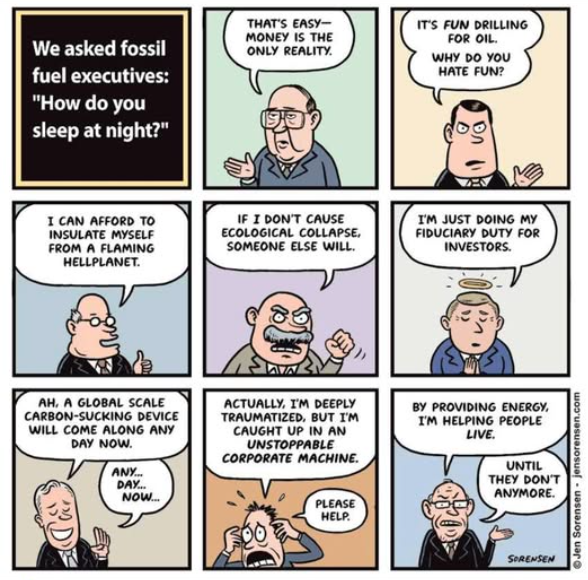
 I’m sure some of these excuses are extremely common in the minds of those making huge profits by destroying our planet.



-
Climate Change1 year ago
Guest post: Why China is still building new coal – and when it might stop
-
Greenhouse Gases1 year ago
Guest post: Why China is still building new coal – and when it might stop
-

 Greenhouse Gases2 years ago
嘉宾来稿:满足中国增长的用电需求 光伏加储能“比新建煤电更实惠”
-

 Climate Change2 years ago
嘉宾来稿:满足中国增长的用电需求 光伏加储能“比新建煤电更实惠”
-
Climate Change2 years ago
Bill Discounting Climate Change in Florida’s Energy Policy Awaits DeSantis’ Approval
-

 Renewable Energy10 months ago
Sending Progressive Philanthropist George Soros to Prison?
-
Greenhouse Gases1 year ago
嘉宾来稿:探究火山喷发如何影响气候预测
-

 Carbon Footprint2 years ago
US SEC’s Climate Disclosure Rules Spur Renewed Interest in Carbon Credits