

Weather Guard Lightning Tech

Shell 2024 Financial Results, Mitsubishi Reviews Offshore Projects
On News Flash, Allen and Phil discuss Caverion’s acquisition of Huolto-Lepistö, Mitsubishi re-evaluating their offshore wind assets and Shell’s 2024 financial report.
Fill out our Uptime listener survey and enter to win an Uptime mug! Register for Wind Energy O&M Australia! https://www.windaustralia.com
Sign up now for Uptime Tech News, our weekly email update on all things wind technology. This episode is sponsored by Weather Guard Lightning Tech. Learn more about Weather Guard’s StrikeTape Wind Turbine LPS retrofit. Follow the show on Facebook, YouTube, Twitter, Linkedin and visit Weather Guard on the web. And subscribe to Rosemary Barnes’ YouTube channel here. Have a question we can answer on the show? Email us!
Welcome to Uptime News Flash. Industry news lightning fast. Your hosts, Allen Hall, Joel Saxum, and Phil Totaro discuss the latest deals, mergers, and alliances that will shape the future of wind power. News Flash is brought to you by IntelStor. For market intelligence that generates revenue, visit www.intelstor.com.
Allen Hall: Well Phil, a busy week in mergers and acquisitions. Caverion has acquired Huolto-Lepistö’s, a wind turbine maintenance business. Now this acquisition gives Caverion a new base on Finland’s west coast. And the acquired business specializes in wind turbine service lifts. Repairs, inspections, and maintenance.
There does seem to be a lot more activity in Finland
Phil Totaro: for wind. Yeah. And, and as their installed base grows they have a lot of large turbines up there in, in Finland. So I think the average, if I remember correctly based on our data and Intel store, the average turbine size in Finland these days is Something like.
5. 5 megawatts and upwards of like 140 something meter rotor. Again, taking the entire installed base in, into account. So, growing installed base, big turbines, big responsibility, and. Admittedly, I don’t know very much about Kaverian as a company, but looking into it after this deal was announced earlier this week it’s, it’s very interesting how they’re trying to position themselves.
And the fact that they want to go after the, the wind services market also demonstrates, I think that they’re making a commitment to a segment that they see a lot more growth potential with.
Allen Hall: Over in Japan, Mitsubishi Corporation is reviewing its offshore wind projects due to significant changes in the business environment.
Now, the company leads consortia that won three projects in Japan’s first state run offshore wind auction in 2021, and those projects total about 1. 7 gigawatts of capacity. Capacity. The partner company, Chubu Electric, posted an 18 billion yen loss on these projects. It looks like Mitsubishi is trying to reevaluate the profit margin on these projects, and with the high inflation in Japan and maybe even stagnation being discussed, it’s going to get a little rough for Mitsubishi.
I wonder if they’re going to finish these projects.
Phil Totaro: Yeah, well, it’s funny because Japan was a market with their offshore wind potential that looked, poised to take off. They heavily invested in floating offshore wind demonstrator projects, more than a decade ago. They have a finite amount of, of space on land, obviously, where, They can install onshore wind and solar for that matter.
So the exploitation of offshore wind looked like a really promising segment to the market. But they’ve never been able to get their act together. And I mean, this is frankly a very common thing amongst a lot of governments that, that have a lot of offshore wind potential, resource potential.
But they don’t have the right structure in place. And you could say the same thing about South Korea. You can say the same thing about Brazil. That they, they’ve got a tremendous amount of interest and enthusiasm. And frankly, people that want to invest money there, including Mitsubishi, but if they don’t get a sense of like how they’re going to see a return on, on these investments, then, I guess I can’t blame Mitsubishi at this point for, for having to reevaluate the market.
Allen Hall: No, Mitsubishi being the global company at which it is. is very financially responsible. So if you watch the way they run their different divisions, they are paying attention to the bottom line. Now they’ll be willing to extend out some of these projects knowing that they’re going to come to completion and there’s going to be a revenue stream, but offshore wind for them seems to be a little bit less on the margins than they want.
So. Big things happening in Japan. Shell, obviously a huge oil and gas company and dabbling in renewables, achieved a huge amount of cash flow in 2024, almost 40 billion in free cash flow. And the company delivered over 3 billion in structural cost reductions since 2022. All this is being announced in their 2024 financial report.
Phil, when you watch Shell and watch the amount of money they’re making in oil and gas, and now they’re leaving the Atlantic Shores offshore wind project off the coast of New Jersey, what’s the writing on the wall here for Shell? Is it just oil and gas? Is it just making big dollars pumping oil out of the Gulf of America?
Phil Totaro: Well, I mean, at the end of the day, you’re, you’re talking about a company that that’s their bread and butter. And I mean, Joel’s mentioned it on the show before that companies that don’t necessarily get enough return on investment out of renewables are, are likely to pivot back to, their core competency.
So you’ve seen BP do a similar thing where they had a bunch of layoffs and they’ve re Purposed a lot of capital into, oil and gas projects. Shell is now following that same approach. They’ve recently announced a number of layoffs and some executive repositioning within their organization.
And it now looks like, particularly to offset some of the impairments and other losses that they incurred from their renewables portfolio, which includes a modest amount of onshore wind and solar. But certainly a large chunk of, of offshore. Yeah, yeah. It sounds like it’s pumping oil and gas till the cows come home.
https://weatherguardwind.com/shell-financial-mitsubishi-offshore/

 Maybe the protestors are less concerned about length of time in office, and more with criminal authoritarianism.
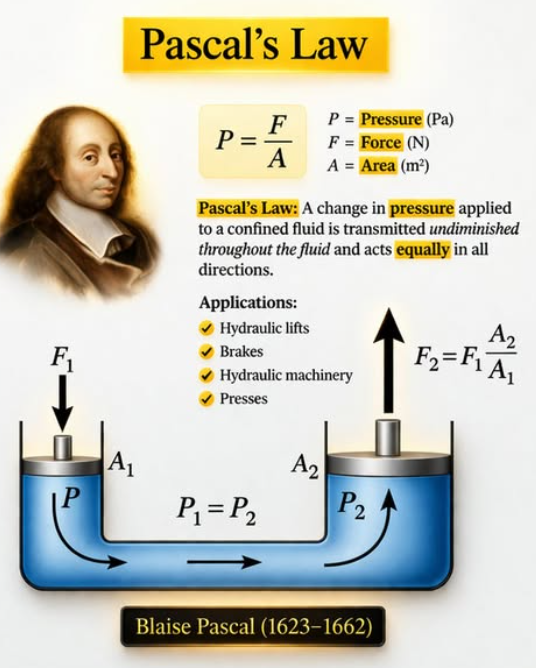 I have such respect for Pascal that I considered naming our son after him. (My wife wasn’t having it. Maybe if we lived in France?)
Pascal made important contributions to both math and physics but he’s perhaps best known for his philosophic “wager,” that it makes sense to believe in God, since if He exists, you’ll be very glad you did, and if He doesn’t, you haven’t lost anything. I counter that this is not how we accept or reject religious tenets.
 “Republican Patriots” writes: Howard Stern once again reveals the contempt so many in the entertainment elite hold for everyday Americans. He claims not to hate President Trump himself, but openly declares his hatred for those who support him, calling them stupid and saying he has no respect for them. This kind of arrogant dismissal shows how out of touch these Hollywood types have become with the hardworking people who built this country.
I’ve got news: contempt for Trump supporters is hardly limited to “these Hollywood types.” The vast majority of Americans–especially at this point–are neither greedy pigs nor hateful morons. We respect human rights and rule of law.



-
Greenhouse Gases8 months ago
Guest post: Why China is still building new coal – and when it might stop
-
Climate Change8 months ago
Guest post: Why China is still building new coal – and when it might stop
-

 Greenhouse Gases2 years ago
嘉宾来稿:满足中国增长的用电需求 光伏加储能“比新建煤电更实惠”
-
Climate Change2 years ago
Bill Discounting Climate Change in Florida’s Energy Policy Awaits DeSantis’ Approval
-

 Climate Change2 years ago
嘉宾来稿:满足中国增长的用电需求 光伏加储能“比新建煤电更实惠”
-
Climate Change Videos2 years ago
The toxic gas flares fuelling Nigeria’s climate change – BBC News
-

 Carbon Footprint2 years ago
US SEC’s Climate Disclosure Rules Spur Renewed Interest in Carbon Credits
-

 Renewable Energy5 months ago
Sending Progressive Philanthropist George Soros to Prison?