

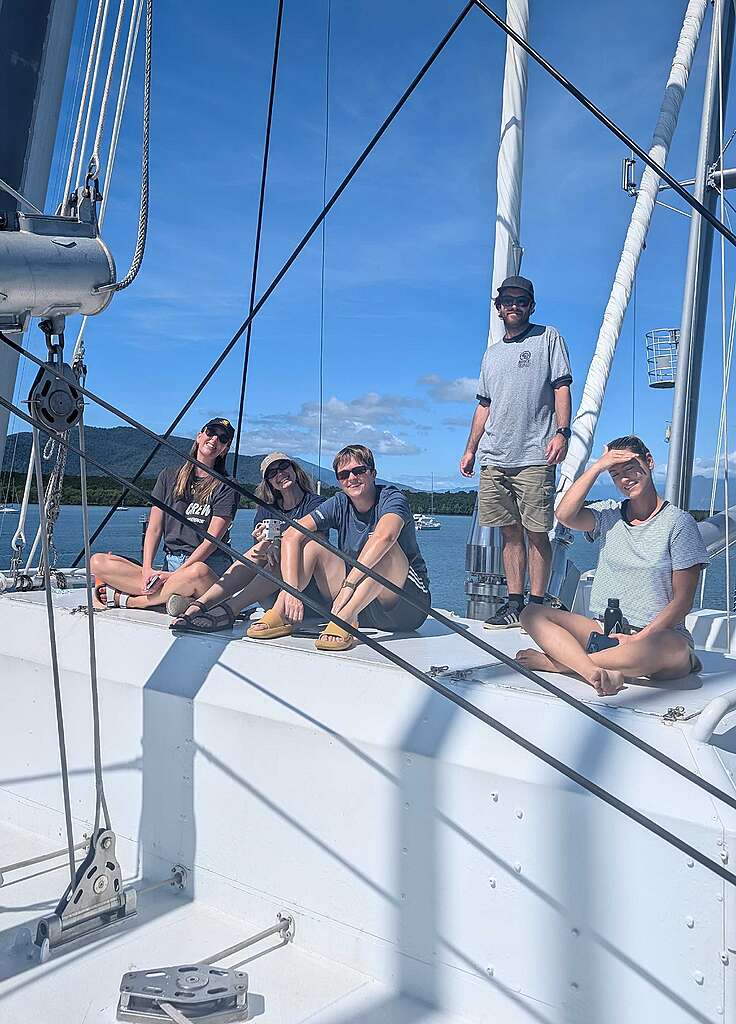
After months of preparation (and excitement), the Greenpeace Australia Pacific team has set sail on the magnificent Rainbow Warrior III, cruising out of Cairns – and away from the sunny and tropical weather. We’re off on our mission to document and bear witness to the devastation wreaked by industrial fishing in the Tasman, in search of the boats that come from around the globe to pillage our blue backyard.
In our research into destructive industrial fishing in the local high seas, we’ve made a huge discovery and exposed the enormous number of blue sharks that are caught every year. In 2023, almost half a million blue sharks were caught by longliners in the West & Central Pacific – a stretch of ocean just beyond the horizons of our Australian shores. This is the highest number since records began in 1991!
If you stacked all of those sharks nose to tail they would reach further than the international space station – and back. Or they would be as tall as Mt. Everest 110 times!
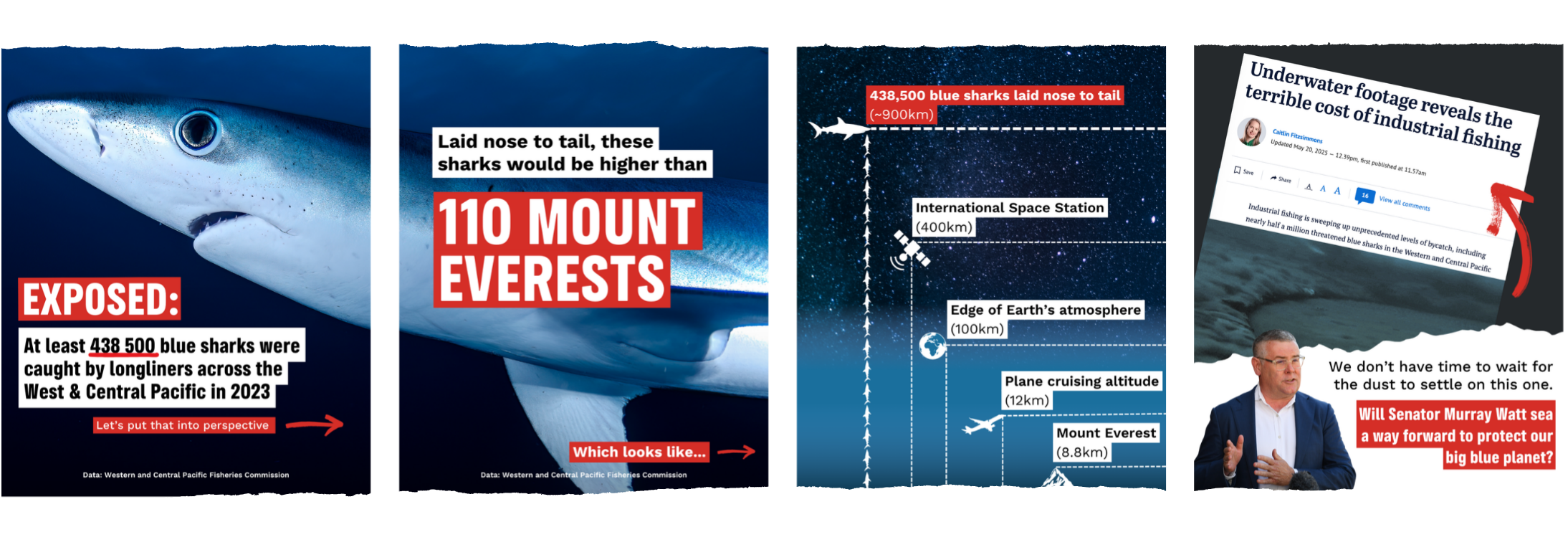
Our analysis was covered in the Sydney Morning Herald and has already forced the new Environment Minister, Murray Watt, to consider going to the upcoming United Nations Ocean Conference (UNOC). And if you haven’t already done it, you can send him an email saying it’s time to bring the Global Ocean Treaty into law.
Tell the government to act within 100 days
Industrial fishing, climate change, and pollution are destroying the oceans. Australia can step up to be an ocean protector — but only if the new government brings the Global Ocean Treaty into law within its first 100 days.
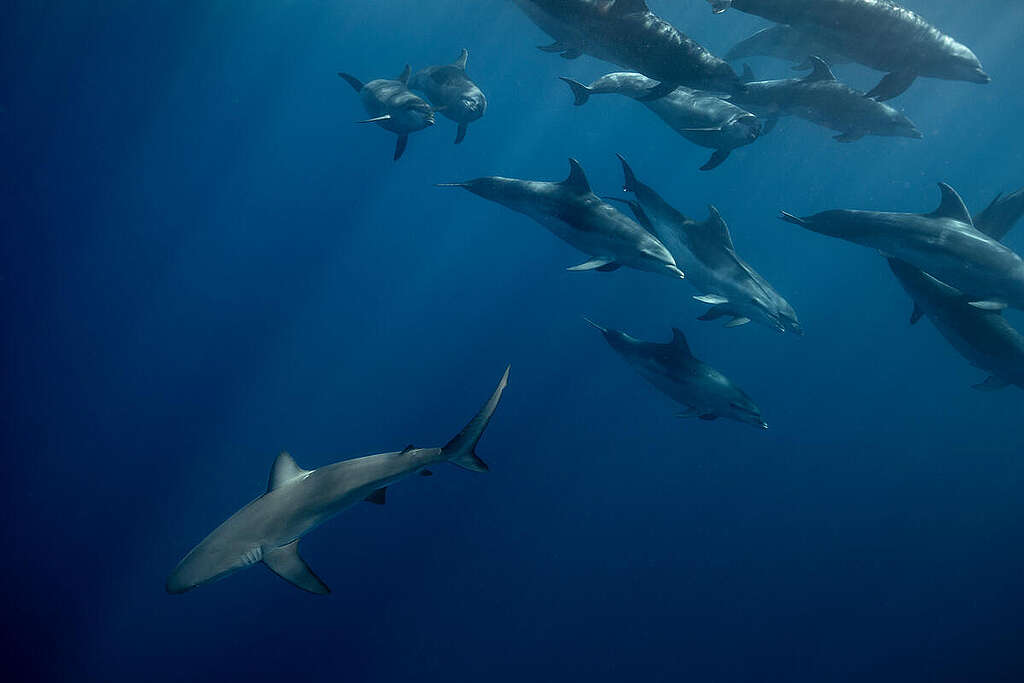
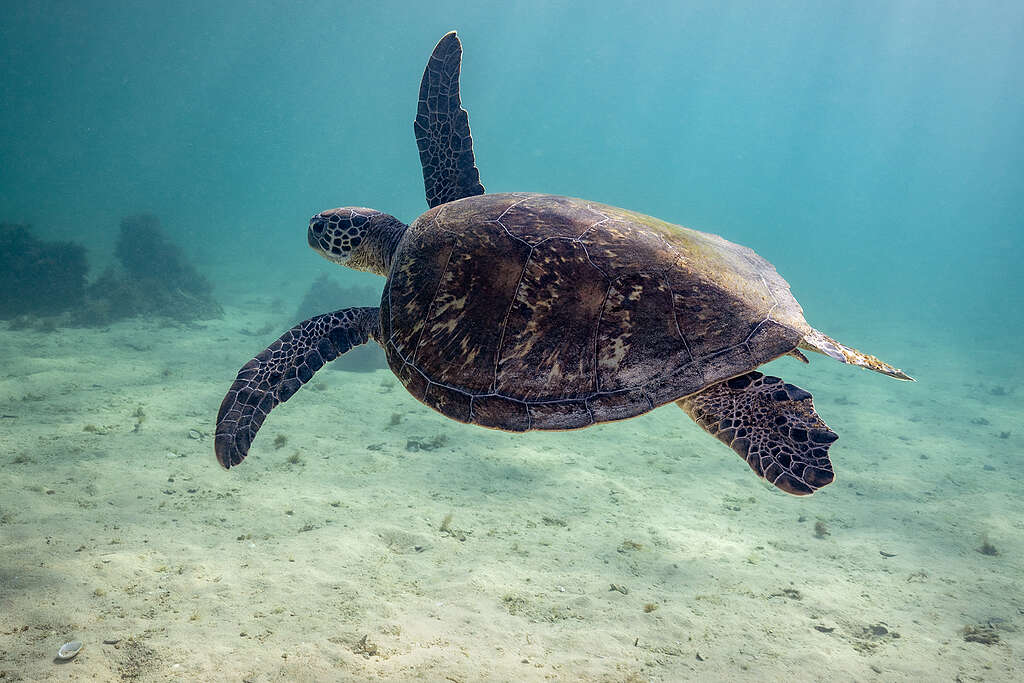
We’ve now reached the Lord Howe Rise and South Tasman Sea, the area we want to see protected as a global ocean sanctuary. As we continue our journey south, sailing down along the Lord Howe Rise, we’re excited to have already seen beautiful marine wildlife like sea birds and whales but are anxious for what horrors we might find when we come face to face with longliners and their indiscriminate catch, like sharks, turtles and dolphins.
Stay tuned as we continue to share the beauty and the devastation of what we find on our journey across the Tasman Sea.
Setting Sail to Expose The Tragic Toll of Shark Bycatch on Our Oceans

Sinking land and rising seas could expose more than seven million people living in Africa’s coastal “megacities” to flooding by the middle of the century, according to new research.
The analysis, published in Science Advances, combines satellite data with projections of sea level rise to assess the risk of flooding in 20 of Africa’s most populous coastal cities.
The study finds that, under a moderate warming scenario, an “extreme sea level event” – when sea levels are unusually high due to short-term changes in weather and ocean conditions – could expose a million buildings and $180bn of assets to flooding.
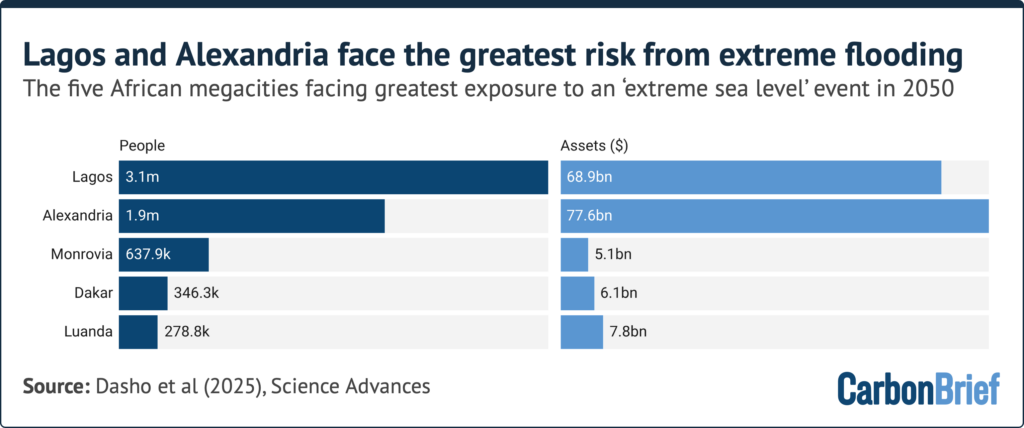
Lagos, the capital of Nigeria, and Alexandria in Egypt are the most vulnerable cities in the analysis.
In these two cities alone, five million people and $150bn in assets could be exposed to flooding and the cities by mid-century.
Human activity, such as pumping groundwater or drilling for fossil fuels, can cause the ground to sink, in a process called “subsidence”.
Seismic or volcanic activity can also drive changes in the height of the land, causing it to either rise or fall. This “vertical land movement” can either alleviate or exacerbate the effects of sea level rise.
The researchers combined more than 4,000 satellite images of Africa’s coastline to determine how quickly different regions are rising or sinking.

They identified Lagos and Alexandria as “subsidence hotspots”, finding that the two cities are sinking at rates of 5.2mm and 6.3mm per year, respectively.
This is “comparable to rates reported for south-east Asian megacities such as Jakarta, Manila and Ho Chi Minh City”, which have recorded “some of the highest subsidence rates yet observed”, according to the study.
The authors combined these estimates with sea level rise projections from the Intergovernmental Panel on Climate Change’s sixth assessment report under three different emissions scenarios, to assess the regional sea level rise across the African coastline.
They used 2020 population data, building footprints and GDP per capita to estimate how much of each city would be exposed to these flooding events over the 21st century, if the city itself stays the same.
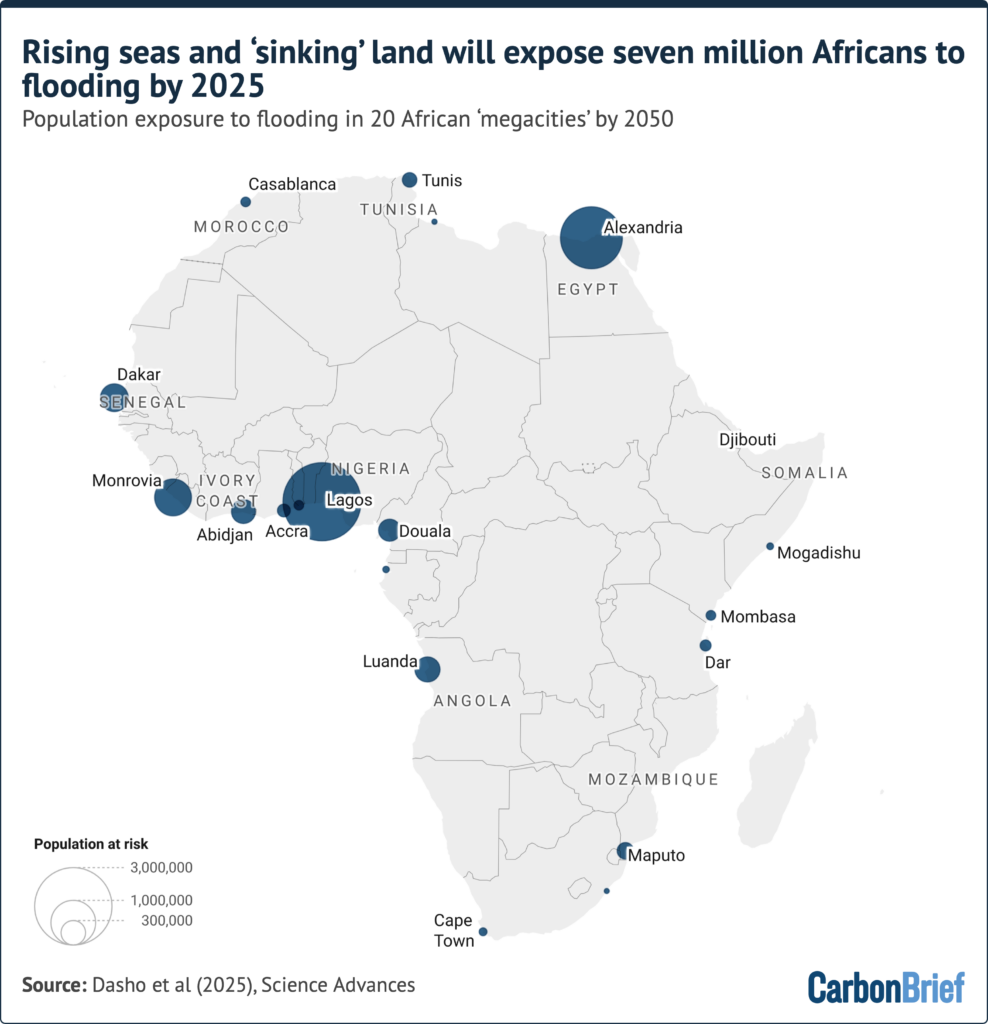
While Lagos and Alexandria are the most vulnerable cities, the research finds that Djibouti City in Djibouti, Mogadishu in Somalia and Tripoli in Libya will face “minimal economic exposure due to their smaller populations and infrastructure bases”.
Lead author Oluwaseyi Dasho, a PhD student at Virginia Tech, tells Carbon Brief that the analysis holds population and city data constant at 2020 levels, so that the authors can isolate the effects of sea level rise and vertical land movement on changing flood exposure.
He notes that if people move away from “threatened areas” over the coming decades, then estimates could be too high. However, if “continued urban growth” causes city populations to increase, the estimates could be too low.
Africa is the world’s fastest-urbanising region, with cities growing at an average rate of 3.5% every year. By 2050, Africa’s urban population is expected to double from 7m to 1.4bn.
He also notes that “the flood model assumes no coastal defenses, so the estimates are a worst-case physical picture”.
Subsidence in African coastal cities has not been consistently monitored in the past, largely due to a lack of local data, the study explains.
The authors say their method of using satellites to assess subsidence and uplift could be used in other “data-scarce coastal regions across the global south”.
Dasho, O., et al (2026), Sinking cities: Latent flood risk in Africa’s coastal megacities, Science Advances, doi:10.1126/sciadv.aeh6538
Related
Q&A: What can – and cannot – be said about global warming’s role in the 2026 Himalayan floods
Revealed: Floods have forced at least 67 closures at NHS hospitals since 2021
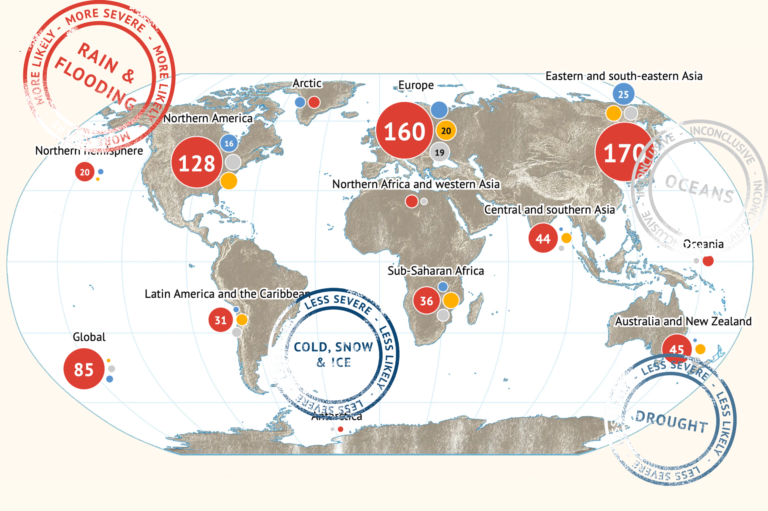
Mapped: How climate change affects extreme weather around the world
Analysis: Constituency of Reform’s climate-sceptic Richard Tice gets £55m flood funding
The post ‘Sinking’ African megacities will expose seven million people to flooding by 2050 appeared first on Carbon Brief.
‘Sinking’ African megacities will expose seven million people to flooding by 2050