


Pertamina Takes Flight with Bio Aftur SAF: Soaring Toward Sustainable Skies
Indonesia’s energy giant, Pertamina, is taking to the skies with a revolutionary innovation: Pertamina Bio Aftur SAF, a sustainable aviation fuel (SAF) poised to transform the aviation industry.
This bio-based alternative to traditional fossil jet fuel marks a significant milestone in the fight against climate change and opens the door to a greener future for air travel.
What is Pertamina Bio Aftur SAF?
Pertamina Bio Aftur SAF is a blend of conventional avtur and renewable hydrocarbons derived from plant-based oils, primarily palm oil. Unlike its fossil counterpart, Bio Aftur SAF boasts two key advantages:
- Reduced Carbon Footprint: Pertamina estimates that Bio Aftur SAF can cut carbon emissions by up to 35% on a life cycle basis, making a significant contribution to the global fight against climate change.
- International Compatibility: This next-generation fuel adheres to strict international standards for SAF specifications, ensuring seamless integration with existing aircraft engines and infrastructure.
Benefits of Pertamina Bio Aftur SAF:
The benefits of Pertamina Bio Aftur SAF extend far beyond environmental considerations:
- Energy Independence: Indonesia, a major palm oil producer, can rely on its domestic resources for Bio Aftur SAF production, reducing dependence on imported fossil fuels and boosting energy security.
- Economic Opportunities: The development and production of Bio Aftur SAF creates new jobs and stimulates economic growth in various sectors, from agriculture to renewable energy.
- Technological Advancement: Pertamina’s pioneering efforts in Bio Aftur SAF position Indonesia as a leader in clean energy innovation, fostering further advancements in sustainable aviation technologies.

Pertamina Bio Aftur SAF: A Roadmap Towards Sustainable Skies
Pertamina’s Bio Aftur SAF marks a crucial step towards decarbonizing the aviation industry. But where exactly is this exciting journey headed? Let’s delve into the roadmap Pertamina has laid out for its sustainable aviation fuel:
Current Stage (2024):
- J2.4 Production and Adoption: Continued production and commercialization of Bioavtur J2.4, focusing on domestic flights and partnerships with key airlines like Garuda Indonesia.
- R&D for Advanced SAF: Ongoing research and development efforts to enhance the performance and scalability of next-generation Bioavtur SAF, aiming for higher bio-content and adherence to international standards.
- Policy Advocacy: Collaboration with government agencies and international organizations to establish supporting policies, such as carbon pricing mechanisms and incentives for SAF production and consumption.
Near-Term Goals (2025-2030):
- Increased Production Capacity: Expand production facilities to meet the growing demand for Bioavtur SAF both domestically and internationally.
- Diversification of Feedstocks: Explore and utilize alternative feedstocks beyond palm oil, such as algae and jatropha, to address sustainability concerns and diversify supply chains.
- Cost Reduction: Implement technological advancements and optimize production processes to lower the cost of Bioavtur SAF and make it more competitive with fossil avtur.
Long-Term Vision (2030-2050):
- Widespread Adoption of Bioavtur SAF: Aim for Bioavtur SAF to become the dominant fuel choice for aviation in Indonesia and contribute significantly to global decarbonization efforts.
- Development of Advanced Technologies: Continue research and development in sustainable aviation technologies, including electrification and hydrogen-powered airplanes, to complement Bioavtur SAF and further reduce emissions.
- Leadership in Sustainable Aviation: Establish Indonesia as a leading hub for SAF production and technology, leveraging its natural resources and pioneering spirit to drive a global shift towards green aviation.
Pertamina’s roadmap for Bioavtur SAF holds immense promise. With continued commitment, innovation, and collaboration, Pertamina can take to the skies as a pioneer in sustainable aviation, leaving a trail of cleaner skies and paving the way for a greener future.
Challenges and the Road Ahead:
While Pertamina Bio Aftur SAF holds immense promise, there are hurdles to overcome:
- Cost: Currently, Bio Aftur SAF is more expensive than fossil avtur, requiring government support and market incentives to drive widespread adoption.
- Sustainability Concerns: Palm oil production has been linked to deforestation and environmental degradation. Pertamina emphasizes responsible sourcing and sustainable practices to address these concerns.
Despite these challenges, Pertamina Bio Aftur SAF has already achieved significant milestones:
- Successful Test Flights: Garuda Indonesia, Indonesia’s national airline, conducted successful test flights using Bio Aftur SAF, demonstrating its viability for commercial use.
- Growing Partnerships: Pertamina is actively collaborating with airlines, research institutions, and international organizations to accelerate the development and adoption of Bio Aftur SAF.

Here is Pertamina Bio Aftur (SAF) Production Roadmap
| Stage | Timeline | Focus | Key Activities | Challenges |
|---|---|---|---|---|
| Current (2024) | Ongoing | J2.4 Production & Adoption | – Continued production and commercialization of Bioavtur J2.4. – Partnerships with key airlines like Garuda Indonesia for domestic flights. – R&D for advanced SAF with higher bio-content and international standard compliance. – Policy advocacy for supportive measures like carbon pricing and SAF incentives. | – Cost competitiveness compared to fossil avtur. – Scalability and meeting growing demand. |
| Near-Term (2025-2030) | 5-10 years | Increased Capacity & Feedstock Diversification | – Expand production facilities for domestic and international supply. – Explore alternative feedstocks like algae and jatropha. – Cost reduction through technological advancements and process optimization. | – Investment costs for capacity expansion. – Sustainability concerns with alternative feedstock choices. |
| Long-Term (2030-2050) | 10-25 years | Widespread Adoption & Technological Leadership | – Bioavtur SAF as the dominant aviation fuel in Indonesia. – Global contribution to decarbonization efforts. – Development of advanced technologies like electric and hydrogen-powered airplanes. – Indonesia as a leading SAF production and technology hub. | – Long-term market viability and dependence on oil price fluctuations. – Balancing technology development with cost effectiveness. |
Please note: This table is a simplified overview and may not capture all the nuances of Pertamina’s roadmap.

With continued research, development, and supportive policies, Pertamina Bio Aftur SAF has the potential to revolutionize the aviation industry. By embracing this sustainable fuel, we can soar towards a future where the skies are not only filled with planes but also with the hope of a cleaner and greener planet.
Pertamina Bio Aftur SAF is more than just fuel; it’s a symbol of Indonesia’s commitment to a sustainable future and a testament to the power of innovation in tackling global challenges. As Pertamina takes flight with Bio Aftur SAF, we are all reminded that even the highest skies can be reached with bold vision and unwavering dedication to a better tomorrow.
https://www.exaputra.com/2024/01/pertamina-takes-flight-with-bio-aftur.html

 Does this guy have a solid point?
Is war a bad thing? What about rape and torture?
Do they point to weaknesses that must be strengthened?
Is Bullying a Bad Thing? Not if We Want a Society of Brutality
 Maybe the protestors are less concerned about length of time in office, and more with criminal authoritarianism.
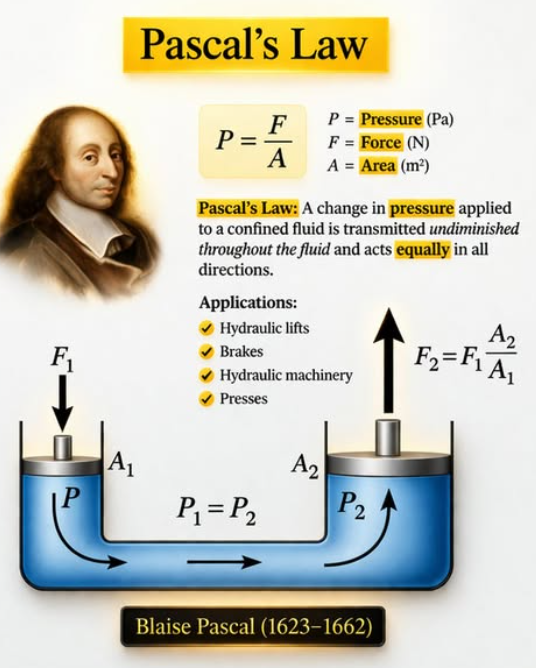 I have such respect for Pascal that I considered naming our son after him. (My wife wasn’t having it. Maybe if we lived in France?)
Pascal made important contributions to both math and physics but he’s perhaps best known for his philosophic “wager,” that it makes sense to believe in God, since if He exists, you’ll be very glad you did, and if He doesn’t, you haven’t lost anything. I counter that this is not how we accept or reject religious tenets.


-
Greenhouse Gases8 months ago
Guest post: Why China is still building new coal – and when it might stop
-
Climate Change8 months ago
Guest post: Why China is still building new coal – and when it might stop
-

 Greenhouse Gases2 years ago
嘉宾来稿:满足中国增长的用电需求 光伏加储能“比新建煤电更实惠”
-
Climate Change2 years ago
Bill Discounting Climate Change in Florida’s Energy Policy Awaits DeSantis’ Approval
-

 Climate Change2 years ago
嘉宾来稿:满足中国增长的用电需求 光伏加储能“比新建煤电更实惠”
-
Climate Change Videos2 years ago
The toxic gas flares fuelling Nigeria’s climate change – BBC News
-

 Carbon Footprint2 years ago
US SEC’s Climate Disclosure Rules Spur Renewed Interest in Carbon Credits
-

 Renewable Energy5 months ago
Sending Progressive Philanthropist George Soros to Prison?