

 British geneticist Dr. Gordon Strathdee lived in this United States for four years, and believes that the answer to the question here is yes, but not because of Trump per se. Read his incredibly astute comments here.
Here’s are two competing notions:
1) Though I’m not pro-military by nature, I have a great deal of respect for those who rose through the ranks and achieved the pinnacle of success, focused on one single thing: Their loyalty to the U.S. Constitution.
It’s true that, under Trump’s first term, a few retired generals came aboard his staff and then left, apparently because of disagreements they had with the president. At this moment, however, things seem to be fairly quiet. We even have the absurd situation that an alcoholic Fox News commentator is the Secretary of Defense, and no one’s making too much noise about it. But wait until the order comes down, “We’re invading Canada!” or some equivalent form of insanity.
The answer, which will come immediately and unanimously: “The f*** we are. You’re insane, and you’ve given your last command here.”
2) The economy, driven at least partially by extreme tariffs, goes so far in the tank that the MAGA folks can’t feed their families, and they drop Trump like a hot rock. True, these are not the type of people who are prone to admit they were wrong, even in the face of compelling evidence (which is the entire problem here), but hunger and poverty are powerful motivating forces.
Under this scenario, the congresspeople who represent the red states and are desperate to remain in office drop Trump as well, as his support on The Hill evaporates totally and immediately.


 Seriously?
Do you know anyone stupid enough to believe that the world’s kings and sultans “looted and plundered?”
I happy to say that I don’t.
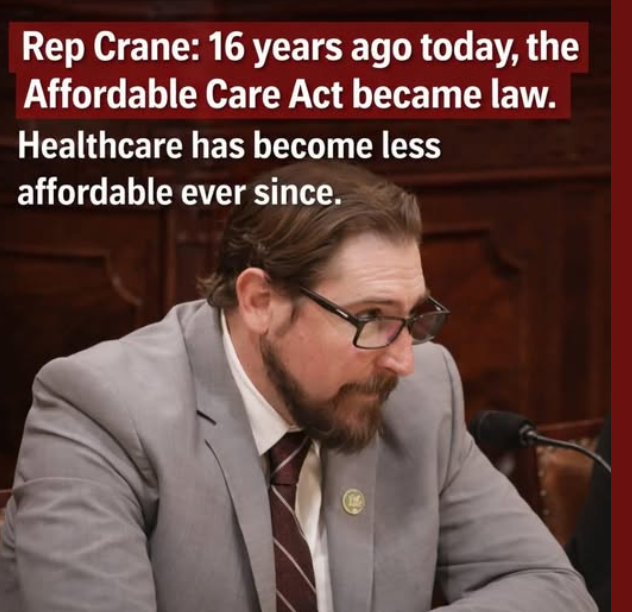
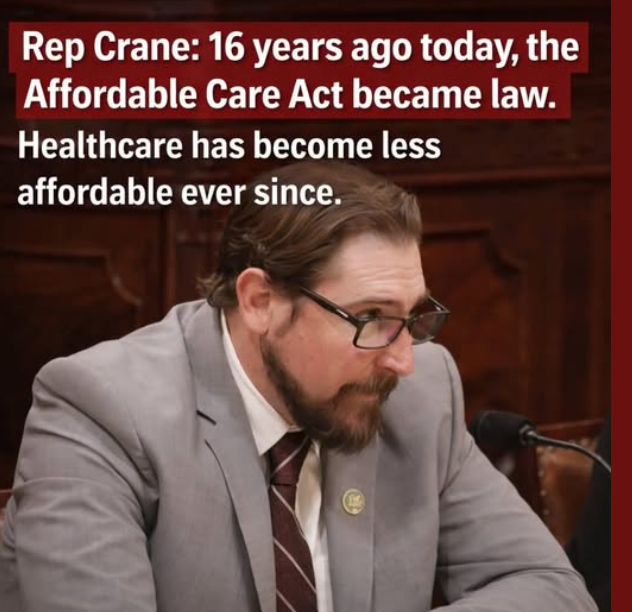 It appears that the idiot who composed the meme at left wants us to believe that the ACA is the reason that healthcare prices have risen.
Not shortages of doctors and nurses? Not declining education and worsening diets? Not poverty?
Another Exercise in the Difference Between Correlation and Causation
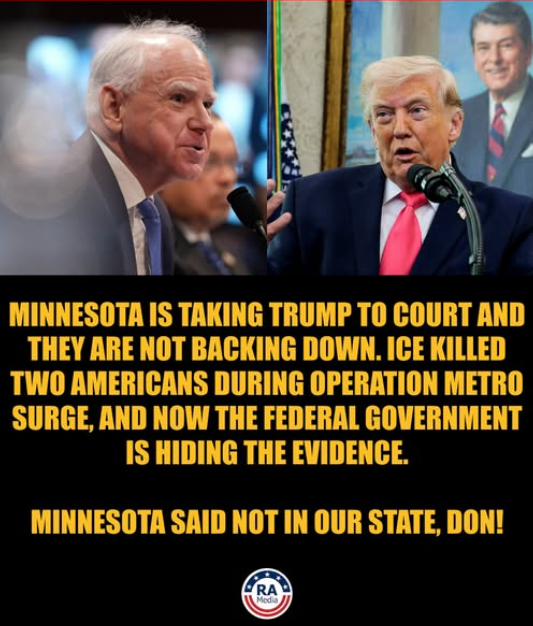 Could someone please explain why there isn’t enough evidence to prosecute and convict these people for second-degree murder based on the videos that almost all Americans have seen dozens of times?
Why second-degree murder and not manslaughter? You don’t fire three rounds into someone’s head at close range without the intent to kill them.
Why won’t self-defense work? Rewatch the videos.
Why No Prosecutions in Minnesota? Something Doesn’t Add Up Here

-
Greenhouse Gases8 months ago
Guest post: Why China is still building new coal – and when it might stop
-
Climate Change8 months ago
Guest post: Why China is still building new coal – and when it might stop
-

 Greenhouse Gases2 years ago
嘉宾来稿:满足中国增长的用电需求 光伏加储能“比新建煤电更实惠”
-
Climate Change2 years ago
Bill Discounting Climate Change in Florida’s Energy Policy Awaits DeSantis’ Approval
-

 Climate Change2 years ago
嘉宾来稿:满足中国增长的用电需求 光伏加储能“比新建煤电更实惠”
-
Climate Change Videos2 years ago
The toxic gas flares fuelling Nigeria’s climate change – BBC News
-

 Carbon Footprint2 years ago
US SEC’s Climate Disclosure Rules Spur Renewed Interest in Carbon Credits
-

 Renewable Energy5 months ago
Sending Progressive Philanthropist George Soros to Prison?