

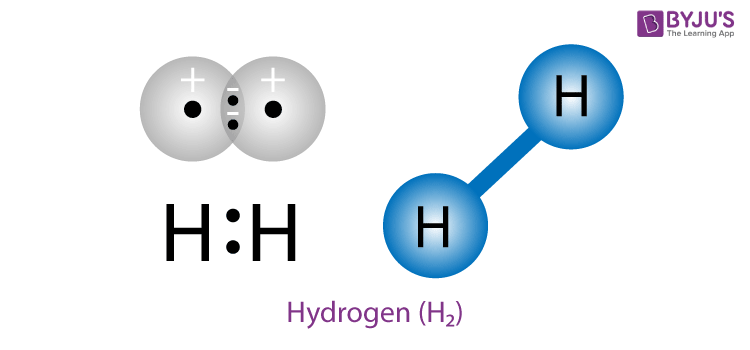
 Here’s conclusion from a recent report from my colleague Renaldo Brutoco on battery EVs (BEVs) and hydrogen fuel-cell EVs (FCEVs):
As we continue to advance towards a low-carbon future, both BEVs and FCEVs will play pivotal roles. By embracing both technologies, we can ensure a smoother transition to sustainable mobility, effectively mitigating the environmental impact of our transportation needs while satisfying the diverse requirements of consumers and industry. This dual approach not only maximizes the benefits of each technology but also exemplifies the innovative strategies needed to overcome modern energy challenges.
I respectfully disagree. Eventually, the winner will win and loser will lose. And, in particular, hydrogen will lose out, even though BEVs, as Renaldo correctly indicated in his piece, have challenges.
We’ve been talking with great enthusiasm about hydrogen since I was a teenager in the early 1970s, but with virtually no progress over the intervening period. At stake is the cost of producing H2 from the electrolysis of water or the reformation of methane, the cost and fragility of fuel cells, and, most importantly, the absence of a fuel delivery infrastructure and the enormous economic and logistical challenges associated with overcoming that issue.
What will eventually happen with hydrogen in transportation is exactly what happened to wave energy, ocean current energy, run of river hydrokinetics, biomass, and geothermal in renewable energy. Outside of niche applications, they all lost as the technology of solar and wind matured and the costs fell precipitously.
I know Renaldo is a huge fan of hydrogen, but it’s time to say goodbye.




How DTU’s Rain Test Facility Predicts Erosion
Rosemary visits DTU Wind & Energy Systems in Denmark, where Nicolai Frost-Jensen Johansen explains rain erosion testing, tip speed, and LEP defects.
The Uptime Wind Energy Podcast is brought to you by Weather Guard Lightning Tech, creators of the StrikeTape Ultra LPS retrofit. Subscribe to Uptime’s Substack newsletter. And check out Rosemary’s “Engineering with Rosie” Youtube channel. Have a question we can answer on the show? Email us!
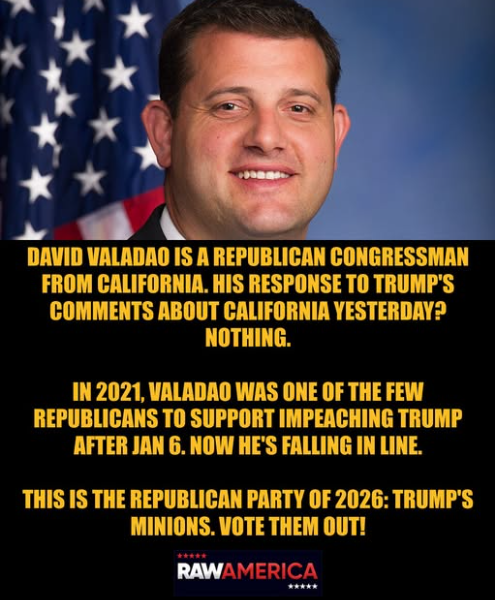 If it’s true that David Valadao is moving back in line with Trump (which seems exceptionally unlikely in California), this jackass is in the slim minority. Most congressional Republicans are trying to pretend they’ve never heard of Trump.
The representative’s district is in the rural farming region in Central California, but still, aligning oneself with Trump makes no more sense than cozying up to skin cancer.
 73%? Why not 95%? 125%?


-
Climate Change1 year ago
Guest post: Why China is still building new coal – and when it might stop
-

 Greenhouse Gases2 years ago
嘉宾来稿:满足中国增长的用电需求 光伏加储能“比新建煤电更实惠”
-
Greenhouse Gases1 year ago
Guest post: Why China is still building new coal – and when it might stop
-

 Climate Change2 years ago
嘉宾来稿:满足中国增长的用电需求 光伏加储能“比新建煤电更实惠”
-

 Renewable Energy12 months ago
Sending Progressive Philanthropist George Soros to Prison?
-
Climate Change2 years ago
Bill Discounting Climate Change in Florida’s Energy Policy Awaits DeSantis’ Approval
-
Greenhouse Gases1 year ago
嘉宾来稿:探究火山喷发如何影响气候预测
-

 Climate Change2 years ago
Analysis: China’s CO2 falls 1% in Q2 2024 in first quarterly drop since Covid-19