

Germany finds itself in a unique position among the countries of the world, in that it’s gotten rid of both coal and nuclear and now depends quite heavily on renewables. Germany is the world’s third largest economy, behind the United States and China, so there is a huge amount at stake.
These people are extremely sharp, and they’re not known for risk-taking. Yet they’ve made a huge commitment here; renewables (mainly wind and solar) accounted for 59% of Germany’s electricity in 2024, and that figure is headed for 80% by 2030.
Meanwhile, in the United States, we have a president who’s doing everything in his power to destroy the entire renewable energy industry, and, for those concerned about jobs, this is problematic, to say the least. At the end of 2024, more than 3.5 million Americans were employed in clean energy occupations, spanning renewable generation (569,000 jobs), battery and storage, energy efficiency, biofuels, grid modernization and clean vehicles industries. These jobs now represent a significant share of the U.S. workforce—including seven percent of all new jobs added in 2024—and are spread across every state, strengthening local economies.
A quick story: The governor of Iowa, a Republican, was asked by another GOP leader why he didn’t but a spear through the wind industry, as it’s competitive with fossil fuels, which Republicans adore. The reply, “Are you kidding? What you think hundreds of thousands of my voters do for a living?”

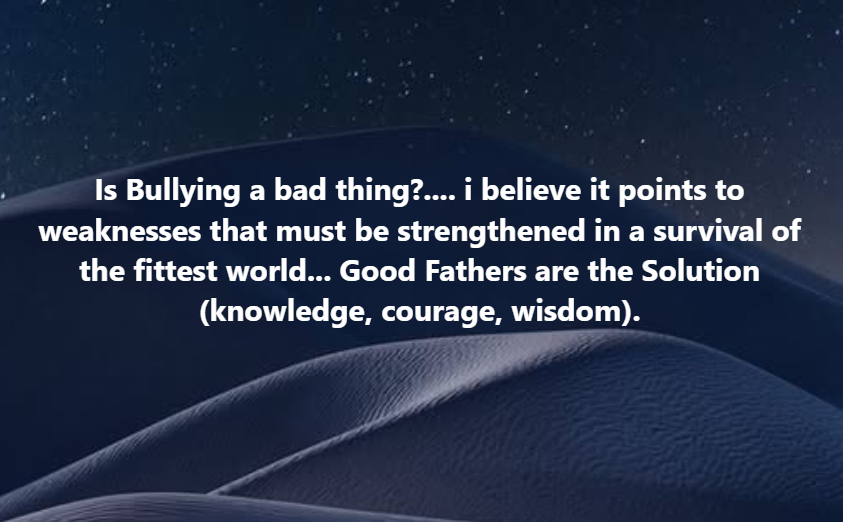 Does this guy have a solid point?
Is war a bad thing? What about rape and torture?
Do they point to weaknesses that must be strengthened?
Is Bullying a Bad Thing? Not if We Want a Society of Brutality
 Maybe the protestors are less concerned about length of time in office, and more with criminal authoritarianism.
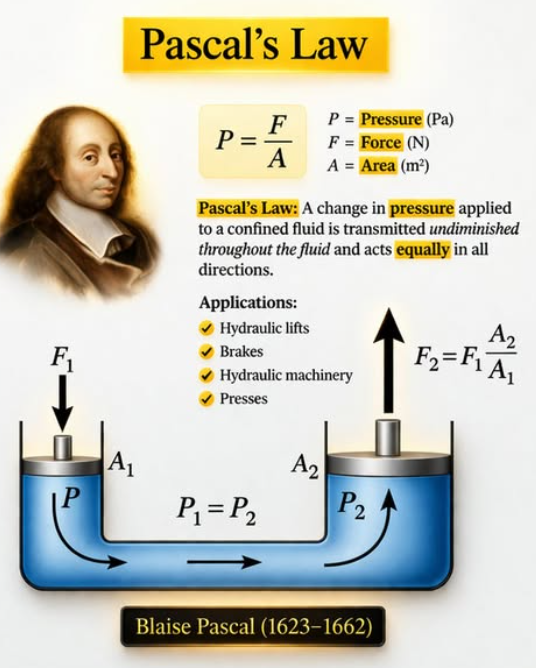 I have such respect for Pascal that I considered naming our son after him. (My wife wasn’t having it. Maybe if we lived in France?)
Pascal made important contributions to both math and physics but he’s perhaps best known for his philosophic “wager,” that it makes sense to believe in God, since if He exists, you’ll be very glad you did, and if He doesn’t, you haven’t lost anything. I counter that this is not how we accept or reject religious tenets.



-
Climate Change8 months ago
Guest post: Why China is still building new coal – and when it might stop
-
Greenhouse Gases8 months ago
Guest post: Why China is still building new coal – and when it might stop
-

 Greenhouse Gases2 years ago
嘉宾来稿:满足中国增长的用电需求 光伏加储能“比新建煤电更实惠”
-
Climate Change2 years ago
Bill Discounting Climate Change in Florida’s Energy Policy Awaits DeSantis’ Approval
-

 Climate Change2 years ago
嘉宾来稿:满足中国增长的用电需求 光伏加储能“比新建煤电更实惠”
-
Climate Change Videos2 years ago
The toxic gas flares fuelling Nigeria’s climate change – BBC News
-

 Carbon Footprint2 years ago
US SEC’s Climate Disclosure Rules Spur Renewed Interest in Carbon Credits
-

 Renewable Energy5 months ago
Sending Progressive Philanthropist George Soros to Prison?