

Weather Guard Lightning Tech
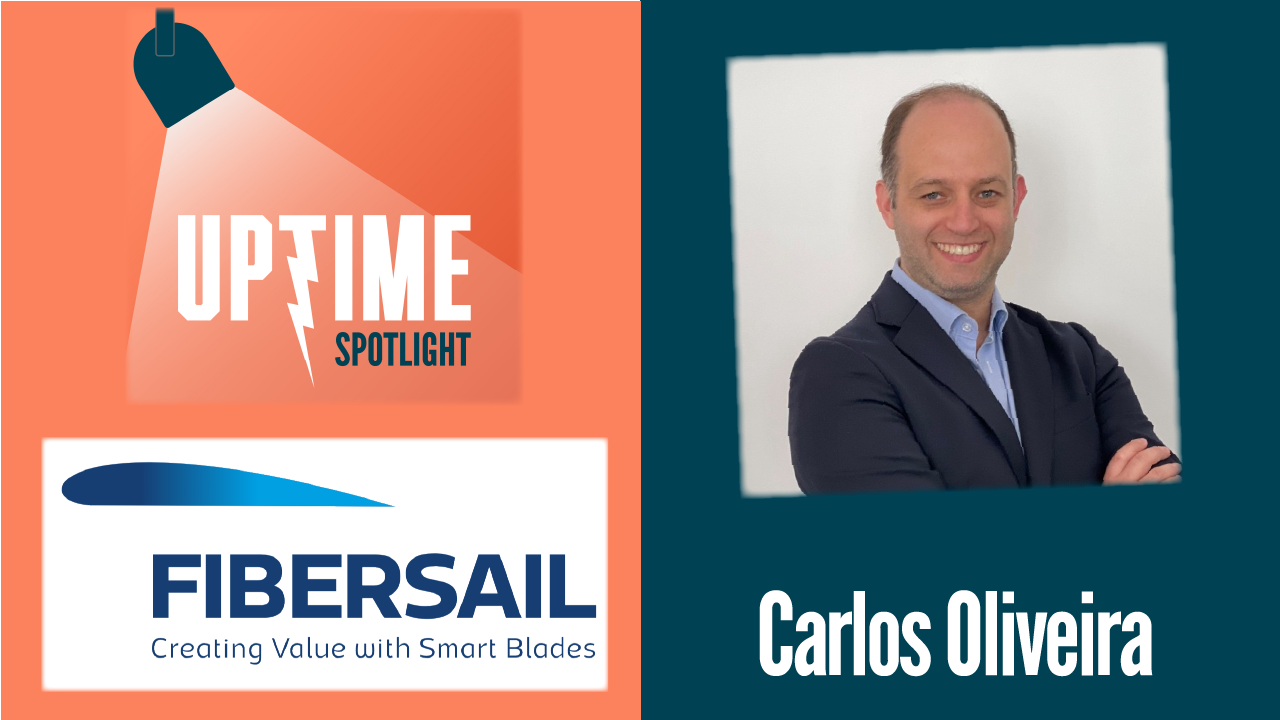
Fibersail’s Fiber Optics Prevent Costly Repairs
Carlos Oliveira, CEO of Fibersail, discusses their advanced fiber optic technology for early detection of wind turbine blade damage, reducing downtime and optimizing maintenance for wind farm operators.
Sign up now for Uptime Tech News, our weekly email update on all things wind technology. This episode is sponsored by Weather Guard Lightning Tech. Learn more about Weather Guard’s StrikeTape Wind Turbine LPS retrofit. Follow the show on Facebook, YouTube, Twitter, Linkedin and visit Weather Guard on the web. And subscribe to Rosemary Barnes’ YouTube channel here. Have a question we can answer on the show? Email us!
Allen Hall: Wind turbine blade failures cost the industry billions annually. Today we’re talking with Fibersail, CEO, Carlos Oliveira About their innovative fiber optic technology that detects early blade damage before catastrophic failures occur. Learn how their shape sensing system is helping wind farm operators reduce downtime and optimize maintenance.
Welcome to Uptime Spotlight, shining Light on Wind. Energy’s brightest innovators. This is the progress powering tomorrow.
Carlos, welcome to the program.
Thank you for having me here.
Allen Hall: This is gonna be a fascinating discussion. when I was over at Wind Europe, the activity around your booth was really good. a lot of interested people wanting to learn more about the technology and how to protect their blades and be able to determine early if they have blade problems.
And I think everybody on the [00:01:00] podcast knows that blades are a huge issue financially. And we just don’t have enough information about how they are moving structurally or what kind of structural issues they’re having. How big do you think this problem is, Carlos?
Speaker 3: I agree with you. So we have quite a busy Wind Europe event.
we were really full all the, time. and I think that, the problem is really, getting out, right? It’s every year, more than. Five, $6 billion are being spent in non-planned repairs activities. and this is impacting a lot to the bottom line of the industry. what we knew at fiber cell 3, 4, 5 years ago, that the problem was really big Honda blades.
Now it’s mainstream knowledge. big companies are putting billions of euros, in, recognizing losses because of this issue. And more and more customers are coming to us. it’s [00:02:00] really a big issue and we believe that, it can really put in danger the wind industry as a whole.
Allen Hall: Yeah. And even if you buy a new turbine today, there is very little information that comes from the blades themselves.
A lot of it is coming from the SCADA system, and that’s, those SCADA systems are not designed to detect this sort of. Issues that Fibersail can detect. Correct?
Speaker 3: Yeah. And I think it’s we are building bigger and bigger blades, using old technology, right? It does not work. you have a mixture for a big explosion happening, and that’s exactly what we are seeing.
If in the past, the turbines, they were showing problems after 5, 6, 7, 8 years of operation. Today we have customers that come to us. with big problems in blades after one, two years of operation, some of them still during the warranty period. So it’s really becoming a big issue and that’s where our shape sensing technology kicks in because we have advanced sensing technology.
For the most [00:03:00] advanced, turbines out there and the new ones, it’s really good interior, but the reality is a different story.
Allen Hall: how soon should you install a system onto a blade, particularly a new blade? Should it go in at the factory or, immediately after in the warranty period, or a lot of operators that we have seen, like to install them at year five or six of operation, which seems.
Late to us.
Speaker 3: I tend to agree, we would prefer to have it installed, at the manufacturing. we know it’s not, straightforward. and what we’re doing, and this is let’s say our go-to market strategy, we are working with end customers, the owner operators of the turbines. the ones that have the hurdle, they have the problem to solve.
And we are working with, many of them. We are deploying, we are doing a retrofit installation. And that data then can be used to convince CEMS to integrate this technology. Of course, that’s our end goal. we understand it’ll take, a bit of time, [00:04:00] transparency, the level of transparency we bring with our, chef sensing technology.
sometimes, people try to avoid it, at the beginning, but we want really to use the data from the field and the value that we deliver to our customers. To push this into the product. So hopefully the next place that, the customers are buying from the OEMs will have, fiber cell technology, inside it.
Joel Saxum: Let me ask you a little bit of a question about that, how it fits into the marketplace. ’cause we’re gonna get into the amazing technology that you guys have. But I just wanna understand, because when we talk to operators a lot of times we’re like, Hey, I’d love to implement this solution, but hey, I can’t do this until end of warranty.
Or it’s, I’m under full service agreement for the next five or 10 years, or whatever that may be. And the OE EMM doesn’t wanna allow me to put this CMS on or this aftermarket product or these things. and contractually those things can be, those contracts can be pretty tight where you can’t even put stuff on that’s even air gapped.
How have you [00:05:00] guys dealt with, that, or have you ran into those, hurdles yet?
Speaker 3: Yeah, definitely. We, have, so we, there are different kinds of customers. Of course. If there is no contract, trying to block anything like this, we can, we have an easy entry. And we have some customers like that. others, they really fall into what you said, some of them even during the warranty, period.
we, at Five Cell, we are our position here, we are a solutions provider and we position ourselves as a solutions provider for the industry, not necessarily for one or the other side of the industry. So we don’t want to be used. As a source of information for one side of the industry to try to attack the other side.
We really see that the industry has an issue and, we want to provide transparency to avoid costs and to make wind, competitive, source of energy. and so in those, [00:06:00] situations, usually we try to do a cooperation with three parties. So fiber cell gen customer, and the OEM, if possible. So we always try to invite them.
To the table if possible. because, we, have cases where actually, the contract is blocking the entry of, sensing technology like ours, but the customer is losing above the cap of compensation from the O end. So they are losing lost production. So the problem is really big. So there needs to be a, found a solution.
At the same time, the OEM is losing money because they are paying the compensation okay, till the cap. But they are paying a lot of money and they’ll need to pay this for 20 plus years. So we position ourselves as a solution provider on both hands. Of course, it’s not easy, but as I usually said here with the team, if it was easy, it was already done.
So we are in the. let’s
Allen Hall: talk about the technology just for a [00:07:00] moment. It’s obviously Fibersail. The technology is in the name, it’s fiber, but I, wanna understand a little bit about how are you using the fiber, how it’s installed, where does it go? What is the, electronics or the electrical boxes that are connected to it?
What does the system look like?
Speaker 3: as I said, fiber, it’s easy. The sail part I can do here a connection, right? Fi fiber cells started measuring the shape of the sail of the sailboat. and now what we’re doing is applying the technology to a different cell, right? A blade is a rooted cell and what we are doing is really to get the added level of information of how that sale is behaving, in real time.
And so what, we build actually is our shean technology. That’s the unique approach. We built a fiber optics beam that we glue inside the plate. We go from the root till where we can install in the retrofit. Of course, when we do the integration in the product, in the end, we can go all the way to the [00:08:00]tip.
But that’s a possibility for a later stage. and basically we encapsulate all the fiber optics, all the. technology that does require, more, detailed level of expertise from the people in the field. We encapsulate everything into a system and then we hand over the system, to a normal field technician that can simply glue our sensor to the blade, plug the power, and then we are on,
Allen Hall: we are working.
Wow. Okay. And how many pieces of fiber would typically go in a blade? Is it a, bundle of fibers in one specific area, or is it. Spread out across the blade structure.
Speaker 3: We have, two products today. We are working onto the next two. they are still, not at commercial level, but basically we have, our shade sensor.
That’s our, core technology. But we also have, for example, in our product line, the standard load sensors. It’ll be incredible to know that more and more customers also need this kind of data. [00:09:00] even basic load sensing data is not available for the end customer and we can provide it. and so the setup really depends on what the customer wants.
So if the customer just wants, very limited information, for example, we can provide a system with the load sensors in it. If the customer wants, for example, early damage detection, we put our shape sensor in it and we actually had on top. Hotspot sensor to do really the early damage detection. So it really depends on what the customer needs, what we do, we call it internally, tailored made, but at scale it’s that we adjust and we make a system using all the resources we have in our product line, to offer the customer solution that works and then it works for that turbine type for that customer.
to, give you an example, we are working in a package that will be really working on early damage detection for a [00:10:00] specific turbine type in the field that has huge damage is huge. And then we have a system that works for the entire fleet of that, turbine five.
Joel Saxum: So I, one of the things I want to just, just touch on there and you, briefly mentioned it in its implementation, right?
we wanna, I’ll raise a hand. I’ll put my operator hat on. I wanna retrofit the system in the field. Okay. Because that’s gonna be a lot of what it is. It’s gonna be less right now, of course, factory installs and more after the fact. So if they’re gonna put it in, you guys have packaged this thing so it’s easy for technicians to install.
So you said like basically it comes in, they’ll be in different, like a beam of sorts, and then it’s clean and go inside the blade, clean, epoxy, stick it down and plug it in. More or less it’s,
Speaker 3: not as easy what we did. And we can do the, installation ourselves. And usually we are doing the installation of ourselves for, the initial qualification projects we do with customers.[00:11:00]
let’s say you want to test our technology. Let’s install in five or 10 turbines. We can do it ourselves. And then we go to the hundreds after mine that you have with that model. And then we usually go to a, a service company, actually the ones that do the, service of those turbines in the field.
And for that, we do, a training session. And so we train those teams to do these election for us. but we can do this because we put all the complexity farts on our side. All the fiber optics connected far with our side. And then it’s a robust system. It’s out there. You can put your feet on top of it, you can try to destroy it, it’ll not get destroyed so easily.
and then you send it to blade, blade technicians and they can do the installation themselves, following, of course, our protocol. And we do the quality assurance on our science.
Allen Hall: Carlos, once the system is installed, what are we looking at as a data stream? Is there a data stream that goes to the cloud?
Does Fibersail [00:12:00] analyze that data or is it data that the operator can analyze? What does that interface look like?
Speaker 3: We have all the, data flow prepared from the sensor itself, sending the data through 4G, 5G, starlink, you name it to the cloud. And then we have even a, dashboard solution for the customer.
Anywhere in this process, we can say that we don’t go all the way. For example, we have customers that they don’t want our dashboards because they do have dashboards. And actually what they want is that we feed our results into their dashboard so we can adjust those parts to what are the needs of the customer.
but we can do the full sweep in terms of the, data flow.
Joel Saxum: Okay? So this is an important thing too, ’cause we’re talking about implementation here. we’ve heard this from many operators. We hear from other CMS companies. cybersecurity’s a big issue, right? Because people wanna make sure that. no nefarious activity could happen within the wind turbine or anything like that.
So how are you guys handling cybersecurity? Yeah,
Speaker 3: we take it very [00:13:00] seriously. Of course, all these communication protocols, they are to the highest standards using the industry, so we take them very seriously. And, in some cases, also mostly with the manufacturers, we actually do a edge solution, meaning we collect everything on the turbine and we don’t use any cloud access any.
Any connection outside of it. So we use it, we store it there, and then we communicate directly even to, the data, the data lakes. Of the customer if need be. So we have this, these two levels of, of, options, let’s say
Allen Hall: o Okay, that makes a lot of sense. And then the interface is working with a large operator.
Obviously they have their own dashboard set up and they’re watching the turbines in the structure. So there’s an API then that takes your data and pumps it into there. Specific system? Is that how that works?
Speaker 3: I’m not, the technology officer here, but, [00:14:00] to, give you an overview of that, it’s like we don’t offer the cu the customers, the raw data from our sensors.
We offer them already the outputs, the value, and then we can, stream them to their own dashboard for, we have customers that, for example, they tell us I don’t have time to go through a dashboard and look into beautiful graphs and data. What I want is to receive an email. If you spot a problem or a potential damage, that’s propagating.
I want to receive an email to go and look into that. And then our dashboard is actually an email or two emails that it receives when our system detect something is off.
Joel Saxum: I think that, to be honest with you, that’s more and more of the direction that the industry is going and it’s driven by the feedback from the market.
So, kudos to that. Doing your, primary market research there, because these, engineers and site supervisors and asset managers, they have so much going on that at the end of the day, they just basically wanna be told what to do. They don’t wanna analyze the data, they just wanna see that [00:15:00] you’ve installed the solution.
It’s doing, its smarts. You guys are analyzing the data yourselves and or, admit, of course, probably using some algorithms and whatnot. and they just get that email. They just get that notification, go look at this turbine, or Hey, you’ve got this propagating, check this out. That’s the way things need to be done.
E Exactly. And, if
Speaker 3: you think about what we see is that you, have a handful of people taking care of, gigawatts of turbines out there. Then all of them have issues, but some of them, they need to be referred this week. Some of them they can wait a couple of months to do it. Today, you don’t know how to do it.
So what you do, you send teams all the way every month to check every single turbine. And what you believe at cyber sale is that to start, you don’t have the manpower to do it. And then it’s not smart to do it like that. So the more complex turbines, they will get a warning from fiber cell, and that’s the ones you need to pay attention to.
Because the other ones, they do have problems, but it’s not a damage that [00:16:00] will, hit you. next week. It’ll continue to propagate and you can optimize the way you manage your fleet.
Allen Hall: that’s a real interesting point. So Fibersail data stream, which is really accurate, can then predict the damage curve in a sense or how damage will progress based upon your intimate knowledge of that structure and when it is actually happening.
That’s really valuable.
Speaker 3: Yeah. And, do we do it in a, different way from the industry? if you have other technologies like, vibration, sensors, meters and other stuff, what do we have that’s unique? Is that we, get the shape of the blade in real time. and so we look into the variations of the chain, but also we look into the model analysis of that structure, The frequency of that structure. And so we do a kind of a double validation. If the cha the shape changes and the frequency also changes. We have two variables to check that the problem is [00:17:00] really there. and I don’t see any other technology out there doing this type of validation to avoid false positives.
So it’s, like we have much more confidence in the result head to our providing to the customer.
Allen Hall: So the different vibration modes that’ll happen on a blade, they do slightly alter over time as the blades age. Is there a significant variation there, even between blade to blade, meaning the same factory?
Are you seeing variations in the sort of the overall performance, the way that the blade operates or, moves, based upon just the variations in manufacturing?
Speaker 3: definitely, yes. let’s say the blades are all the same when they leave the factory. That’s only theory. That’s why you only have a numerical bottle to try and simulate that.
The reality is that they are all different from the factory, from the manufacturing tolerances. And then just think about one, two, or three years of operation, a repair, a new patch of fiber, and then you have a Frankenstein [00:18:00] turbine in your hands that you don’t know what’s doing. And, that’s the reality we have today.
So all the numerical models, everything you have, they are really far off to give you the, precise, knowledge about that.
Joel Saxum: I think the industry would really love to see a white paper or report of some sort of, here’s what Fibersail was able to sensate basically a virgin blade and then this is what it looks like after this repair and that repair.
’cause like scarf, big scarf repairs, they’re designed to not create structural load hotspots. But I, mean there’s no way to get that perfect. So I would love to see, because I know there’s been a couple of DTU masters projects about this, but it’s all been. FEA stuff. It’s all modeled.
It’s not actually sensed, and it would be really interesting to see if you guys could do that.
Speaker 3: what, I can tell you is that we have, a bunch of, projects out there. We are collecting data as we speak. some of them, I’ll say actually a very promising one, in the next couple of weeks, really targeting, damage [00:19:00]detection, early damage detection, and damage propagation.
but, it’s, I said nothing, is valued as the data from the field. we are collecting the data. We are working on that. Actually, we did some publications that we wrote. So what I can tell is that stay tuned because we’ll be launching some called stuff in the next month.
Allen Hall: So where’s the EIS at the moment?
Is it onshore wind? Is it offshore wind? I could see the value on offshore wind in particular because the, loss of. Like a 15 megawatt turbine is a, big driver. It’s a huge money issue. Where are you seeing the most activity for your
Speaker 3: systems? we are starting onshore. It’s always an easy, an easier entry, let’s say.
And also the volume. The volume is there. much higher volume and a lot of problems. we are doing this, this summer, the first offshore installation in the Netherlands. and all the indications we have is that we have no issue going [00:20:00] offshore. it’s just a matter of planning the installation, doing that, and then the return on investment will be even greater.
But again, we are working to have that, business case proven with real data, in the next couple of months. let’s see if you can, get it right to put the data. On the table. So what is the feedback from your customers today? What are they saying? we have different kinds of customers that said, some customers just want basic data.
Others, they want really the eye end system that you can offer also. So we serve all of them, because our, systems are building a modular approach, so you can add layers of complexity as you need, basically. but I think the most interesting feedback we got, Because he’s using everything we have in our port product line is that he tried every other technology in the fields and none of them can help them.[00:21:00]
And then he said, but what you have is something different. I really want to see if you can help me because I, don’t dunno what to do. And that’s, a great feedback for us. I said we like the, tough stuff. Easy stuff. Everyone can do it. we are focusing on the really hard stuff because.
After we, we solve the hard stuff, we can also do the easy stuff. it’s like after we detect the damage, we can do a increase, we can do whatever you want. It’s not, it’s a no brainer for us after we can, do the early damage detection.
Allen Hall: So the system is, sounds fascinating and I do think there’s a place for this today, and we don’t know much about these larger blades and we’re trying to learn as quickly as we can, but.
One of the things that Joel and I talk about all the time is just a lack of data. If you don’t have any data, you, it’s hard to do ENG engineering and it makes it hard for the next generation to blaze to be better. So Fibersail is gonna change that [00:22:00] dynamic quite a bit. I. And if you want to talk to Fibersail or reach out to Fibersail, Carlos, how do they get ahold of you?
Where do they go?
Speaker 3: we are quite active in the industry, events. that’s, a good start. But, our webpage is always there with, you can contact us directly, and we’ll follow up on that via shared, or follow us on LinkedIn. We are also sharing there some insights of what we do. come and talk with us.
We will love to, to try and, help you on that.
Allen Hall: And the website is Fibersail.com, F-I-B-E-R-S-A-I l.com. Great information on the website, Carlos. it’s, full of good information. So if you’re trying to quickly learn what Fibersail does, just check out the website and yes, the LinkedIn page that you have is really good also.
So a ton of information for everybody to go check out and learn from. Carlos, thank you so much for being on the program. Really enjoyed the discussion. Thank [00:23:00] you for having me.
https://weatherguardwind.com/fibersail-fiber-optics/

 For those who struggle with elementary school arithmetic, Trump won the election (50%+ approval) out of more than 150 million votes cast, and now his approval rating is in the low 30s.
That’s ~30 million voters who regret their choices, out of the common American.
Add in the Tucker Carlsons of the world.
Absolutely.
It must be done, because our country is home to some hateful morons who want to see honest, hardworking, taxpaying people with brown skin deported, and their families torn apart.
It wasn’t the American way until recently, but it sure is now.
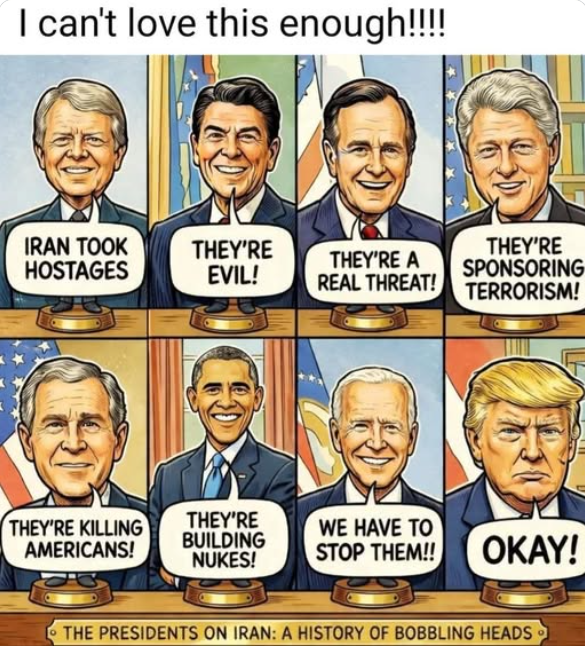 As shown at left, the United States is loaded with people who twist the facts to their liking.

After a Slow Start on Climate, Zohran Mamdani Faces Scrutiny Over Parks Budget and Environmental Promises
Who Loses in the Trump Administration’s $1 Billion ‘Deal’ to Abandon Offshore Wind?
Minneapolis Activists Launch Hunger Strike to Protest Polluting Trash Incinerator
-
Climate Change8 months ago
Guest post: Why China is still building new coal – and when it might stop
-
Greenhouse Gases8 months ago
Guest post: Why China is still building new coal – and when it might stop
-

 Greenhouse Gases2 years ago
嘉宾来稿:满足中国增长的用电需求 光伏加储能“比新建煤电更实惠”
-
Climate Change2 years ago
Bill Discounting Climate Change in Florida’s Energy Policy Awaits DeSantis’ Approval
-

 Climate Change2 years ago
嘉宾来稿:满足中国增长的用电需求 光伏加储能“比新建煤电更实惠”
-
Climate Change Videos2 years ago
The toxic gas flares fuelling Nigeria’s climate change – BBC News
-

 Renewable Energy6 months ago
Sending Progressive Philanthropist George Soros to Prison?
-

 Carbon Footprint2 years ago
US SEC’s Climate Disclosure Rules Spur Renewed Interest in Carbon Credits