


Eni has taken a bold step in its energy transition journey by signing a power offtake agreement worth more than $1 billion with Commonwealth Fusion Systems (CFS). The deal secures clean energy from CFS’s upcoming 400 MW ARC fusion power plant in Virginia, expected to deliver power to the grid in the early 2030s.
This agreement expands the long-term partnership between Eni and CFS, positioning fusion energy as a cornerstone of the future clean power market.
Eni CEO Claudio Descalzi said,
“This strategic collaboration, with a tangible commitment to the purchase of fusion energy, marks a turning point in which fusion becomes a full industrial opportunity. Eni has been strengthening its collaboration with CFS through its technological know-how since it first invested in the company in 2018. As energy demand grows, Eni supports the development of fusion power as a new energy paradigm capable of producing clean, safe, and virtually inexhaustible energy. This international partnership confirms our commitment to making fusion energy a reality, promoting its industrialization for a more sustainable energy future.”
Driving the Energy Transition: Eni’s Fusion Power Strategy
Eni, headquartered in San Donato Milanese, Italy, has been active in the US since 1968. Traditionally an oil and gas producer, the company has transformed into a broad energy leader. Today, Eni operates across oil, gas, renewables, and biofuels while also investing in cutting-edge energy transition technologies through its Boston-based venture arm, Eni Next.
The agreement with CFS underscores Eni’s role as both an energy provider and a pioneer in clean innovation. By locking in future fusion power supply, Eni gains an early-mover advantage in a market expected to revolutionize global electricity generation.
How CFS’s ARC Plant Is Shaping the Future of Energy
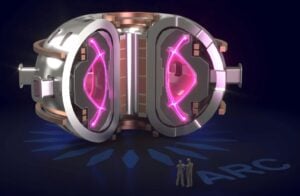
The centerpiece of the deal is CFS’s ARC plant, the world’s first grid-scale fusion power facility, currently under development in Chesterfield County, Virginia. Once operational, ARC will generate 400 MW of zero-carbon electricity, enough to power hundreds of thousands of homes.
CFS sees ARC as the launchpad for a new era of energy. After the Virginia project comes online, the company plans to replicate the model worldwide—building thousands of ARC plants to meet rising electricity demand.
ARC isn’t just about scale. It’s designed to integrate smoothly with existing grids and mimic the flexibility of natural gas plants—except without the carbon emissions. Operators will be able to adjust output quickly, making ARC an ideal partner for renewable sources like wind and solar.
Game-Changing Features
Fusion power has long been seen as a distant dream. ARC, however, is built for real-world deployment. Its design checks every box utilities look for in a new capacity:
-
Firm, clean power available on demand.
-
Compact footprint, about the size of a big-box store.
-
Rapid siting, thanks to its small land requirements compared to wind and solar.
-
Inherent safety, with no meltdown risk or long-lived nuclear waste.
-
Affordable electricity, expected to compete with or beat the cost of fossil fuel power.
Fusion’s fuel mix—deuterium and tritium—is abundant and cheap. A single truckload can supply 30 years of fuel for an ARC plant. With no exposure to volatile global commodity markets, ARC’s economics offer long-term price stability for customers.
Here’s what CFS ARC looks like:
Drawing Big Backers
The Virginia ARC plant has already attracted high-profile partners. In addition to Eni’s offtake agreement, Google has signed a deal to buy half of the plant’s electricity. The tech giant’s involvement highlights the growing interest from corporations looking for dependable, zero-carbon power.
CFS will finance, build, own, and operate the facility itself, creating hundreds of jobs in the Richmond region. With support from strategic partners like Eni and Google, CFS is on track to turn fusion from a lab experiment into a commercial industry.
Bob Mumgaard, Co-founder and CEO of CFS, also highlighted,
“The agreement with Eni demonstrates the value of fusion energy on the grid. It is a big vote of confidence to have Eni, who has contributed to our execution since the beginning, buy the power we intend to make in Virginia. Our fusion power attracts diverse customers across the world — from hyperscalers to traditional energy leaders — because of the promise of clean, almost limitless energy.”
Eni’s Bold Bet on Fusion and Net Zero Strategy
Eni has been betting on fusion since 2018, when it became one of the first investors in CFS. The company later boosted its stake during CFS’s $863 million Series B2 round. In 2023, the two firms signed a Collaboration Framework Agreement to share expertise, methodologies, and industry connections.
This latest offtake deal cements Eni’s role as a key player in commercializing fusion. For Eni, fusion is not just a side project—it’s part of its roadmap to achieve carbon neutrality by 2050.
To achieve this, the company is also transforming its operations, investing in clean energy, and supporting breakthrough technologies that can accelerate global decarbonization.
2050 Net-Zero Plan
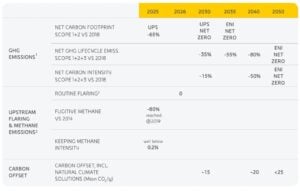
Key strategies of net-zero goals include:
-
Cutting Carbon from Oil and Gas
Eni is cutting emissions from oil and gas by upgrading facilities, reducing methane leaks, and streamlining production. These steps help meet energy demand while lowering its carbon footprint. -
Scaling Renewables and Biofuels
The company is expanding solar and wind projects and boosting bio-refining capacity. By turning waste and feedstocks into low-carbon fuels, Eni targets emissions in aviation and shipping. -
Advancing Carbon Capture Solutions
CCS is key to Eni’s strategy. By installing it at industrial sites and power plants, the company locks away carbon and prepares for future negative emissions technologies. -
Driving Circular Economy Practices
Through circular initiatives, Eni recycles materials, reuses resources, and cuts waste. This reduces environmental impact while improving efficiency and lowering costs.
Fusion as the Next Frontier
The promise of fusion is clear: virtually limitless clean energy without the risks of traditional nuclear or the land demands of renewables. CFS’s progress, especially its advances in high-temperature superconducting magnets, shows the technology is moving from science fiction to reality.
According to the Fusion Industry Association’s latest report, the fusion industry secured $2.64 billion in private and public funding in the 12 months ending July 2025. Global investment in fusion has surged, reaching nearly $10 billion by mid-2025, driven by both public and private capital and rapid annual growth since 2020.

The U.S. and China lead the market, accounting for roughly 85% of total funding, with the private sector attracting most new investment. This marks a notable rise from 2024 and is the second-highest annual funding total since the report began, trailing only the 2022 record year.
As fusion edges closer to commercialization, early adopters like Eni and Google stand to gain significant advantages. They will secure reliable, zero-carbon energy sources at predictable prices, while also shaping the trajectory of a new global industry.
However, Eni’s $1 billion-plus deal with Commonwealth Fusion Systems is a landmark moment for the energy transition. It also signals fusion is moving from promise to practice.
The post Eni’s $1 Billion Bet on Fusion: Partnering with Commonwealth Fusion Systems (CFS) for a Net-Zero Future appeared first on Carbon Credits.

EU carbon credit claims changed on 27 September 2026, the day the Directive (EU) 2024/825 began to apply across the European Union. The change is narrow. It changes how a company can talk about the credits it buys. A product can no longer be called neutral on the strength of compensation alone; however, every specific, evidenced statement about what a company measured, reduced, and funded stays fully available.

The post Promoting Improved Cooking Practices in Nigeria appeared first on Terrapass.



-
Climate Change1 year ago
Guest post: Why China is still building new coal – and when it might stop
-

 Greenhouse Gases2 years ago
嘉宾来稿:满足中国增长的用电需求 光伏加储能“比新建煤电更实惠”
-
Greenhouse Gases1 year ago
Guest post: Why China is still building new coal – and when it might stop
-

 Climate Change2 years ago
嘉宾来稿:满足中国增长的用电需求 光伏加储能“比新建煤电更实惠”
-

 Renewable Energy12 months ago
Sending Progressive Philanthropist George Soros to Prison?
-
Climate Change2 years ago
Bill Discounting Climate Change in Florida’s Energy Policy Awaits DeSantis’ Approval
-
Greenhouse Gases1 year ago
嘉宾来稿:探究火山喷发如何影响气候预测
-

 Climate Change2 years ago
Analysis: China’s CO2 falls 1% in Q2 2024 in first quarterly drop since Covid-19